
Puppy Socialization in Lorain, OH
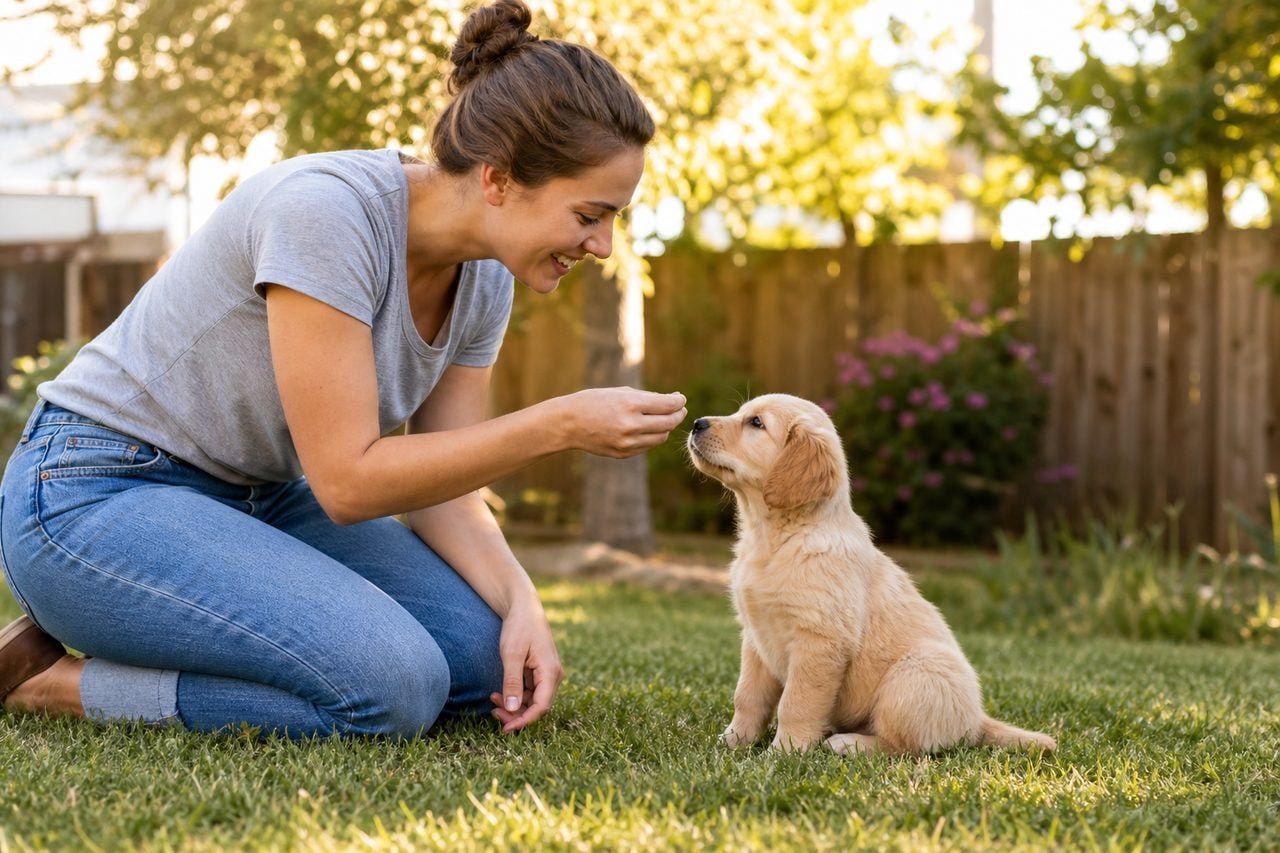
Socialization is the single most important thing you’ll do for a puppy, and in Lorain you have an unusually good place to do it — if you understand the clock you’re racing against. There’s a developmental window, running roughly from 8 to 16 weeks of age, when a puppy’s brain is wired to accept new experiences as normal rather than threatening. Sights, sounds, surfaces, people, and other animals encountered calmly during this period become part of the dog’s baseline of “safe.” Miss the window, and the same experiences are far more likely to trigger fear or reactivity in the adult dog. This is not a phase you can make up later; it’s a foundation you either pour on time or struggle to retrofit for years.
What makes Lorain genuinely good for this is variety packed into a short drive. You’re a lakefront town at the mouth of the Black River — the “International City” — with the Lorain Lighthouse and a working harbor, the historic streets of Charleston Village, and a deep bench of Lorain County Metro Parks. Add the surrounding cluster of Elyria, Amherst, Vermilion, Avon and Avon Lake, Sheffield Lake, and North Ridgeville, and a Lorain puppy can be calmly introduced to lakefront wind, gulls, boardwalks, anglers, cyclists, small-town main streets, wetland boardwalks, and quiet wooded trails — all within a half-hour radius.
The catch, and it’s a real one, is that the same 8-to-16-week window when your puppy most needs exposure is also the window when it’s most vulnerable to disease, because its vaccinations aren’t yet complete. This guide is about resolving that tension intelligently: how to socialize a Lorain puppy richly and safely during the critical window, where to take it, what to expose it to, and how the lake and the seasons shape the plan. It’s deliberately distinct from general puppy training — this is about building a confident, unflappable adult dog, not about teaching sit.
The 8-to-16-Week Window: Why Timing Is Everything
The critical socialization period in puppies is a window of heightened plasticity. During roughly weeks 8 through 16, puppies form their lasting impressions of what the world contains and whether it’s safe. A puppy who meets dozens of different people, hears traffic and lake wind and clattering carts, walks on grass and gravel and metal grates, and has gentle positive encounters with friendly dogs during these weeks tends to grow into an adult who takes the world in stride. A puppy who spends these weeks isolated — understandable as new owners wait nervously for full vaccination — too often becomes a fearful or reactive adult, even with the best later training.
The window is finite and it closes whether you use it or not. That’s why thoughtful breeders and rescues start socialization before the puppy ever reaches you, and why your job from day one is to keep that momentum going. The practical target many trainers cite is exposing a puppy to a wide, deliberate range of people, environments, and stimuli before about 16 weeks, in short positive doses that never overwhelm.
Crucially, socialization is about quality, not just quantity. A single frightening experience — being mobbed by a group of children, charged by an unfriendly dog, or pushed into something it’s clearly scared of — can do lasting harm during this sensitive period. The goal is calm, positive, voluntary exposure where the puppy gets to observe and approach at its own pace, with good things (treats, praise, retreat-when-needed) attached to each new thing. Done right, you’re not just preventing problems; you’re actively building resilience.
Socializing Safely Before Vaccinations Are Complete
Here is the central dilemma of puppy raising, and it’s worth stating plainly: the socialization window peaks before your puppy’s vaccinations are finished, but unvaccinated puppies are vulnerable to serious diseases picked up in places where many dogs go. The wrong responses are the two extremes — either keeping the puppy hidden at home until it’s fully covered (and missing the window) or taking it everywhere immediately (and risking its health). The right answer is structured, lower-risk socialization.
Practical tactics Lorain owners and trainers use: carry your puppy. A puppy in your arms or a carrier at a Vermilion sidewalk, near the Lorain harbor, or at the edge of a Metro Park lot can see, hear, and smell the world — cyclists, gulls, strollers, other dogs at a distance — without its paws touching contaminated ground. Invite calm, healthy, fully-vaccinated adult dogs belonging to friends over to your home or yard for controlled introductions. Host a steady stream of visitors of all kinds — men with beards and hats, kids, people with umbrellas or canes — so the puppy meets variety in a safe space. Use clean, controlled environments rather than high-traffic dog hotspots until your vet gives the all-clear.
A well-run puppy socialization class is often the single best tool here, precisely because it’s designed around this problem: a clean indoor space, a controlled group of similarly-aged and health-screened puppies, and professional supervision. It lets you hit the socialization window hard while managing disease risk far better than a random trip to a busy trailhead would. When in doubt about where your specific puppy can safely go and when, ask your veterinarian — and lean on the Lorain-area trainers in this directory, who navigate this balance constantly.
Lorain's Best Spots for Safe Puppy Exposure
Once your veterinarian confirms your puppy is protected enough for public spaces, Lorain opens up into one of the better socialization playgrounds you could ask for. Start gentle and build. The paved Bridgeway Trail at the Black River Reservation is a great early outing: a wide, predictable surface where your puppy can watch joggers, cyclists, and other leashed dogs pass at a comfortable distance, with the option to step aside whenever it needs space. The steel-mill section adds industrial echoes and textures for a puppy ready to level up.
Lakeview Park, 35 acres on the Lake Erie shore, delivers exposure you can’t get inland: wind off the water, the cry of gulls, open lawns full of families, and the general sensory busyness of a popular lakefront spot — all valuable for a puppy learning that novelty is normal. The rose garden and grounds make for easy, low-pressure strolls. For wetland and wildlife exposure, Sandy Ridge Reservation’s 526 acres in North Ridgeville and the 450-acre French Creek Reservation offer boardwalks, water sounds, and the sights of birds and other wildlife. Vermilion River Reservation and the harbor town of Vermilion itself provide a small-town main-street setting — storefronts, foot traffic, outdoor diners — ideal for urban socialization. Down in Elyria, Cascade Park, where the Black River’s branches meet over sandstone, gives varied terrain and the sound of moving water.
The strategy is to ladder exposures by difficulty. Begin somewhere quiet and controlled, keep sessions short, watch your puppy’s body language closely, and always let it observe new things from a distance it’s comfortable with before moving closer. End every outing on a good note. The point isn’t to check off locations — it’s to stack up positive, confidence-building experiences so the adult dog meets the world with curiosity instead of fear.
Beyond Dogs: People, Surfaces, Sounds, and Situations
Socialization is far broader than meeting other dogs — and over-focusing on dog-to-dog play actually risks creating a dog that’s obsessed with other dogs and unable to settle. A genuinely well-socialized puppy is comfortable across the full range of life it’ll encounter. People are a huge part of this: aim for your puppy to calmly meet a wide variety of humans — different ages, sizes, voices, people in hats and sunglasses and high-visibility vests, people using mobility aids, and especially children behaving like children. In a family town like Lorain, a dog that’s relaxed around kids is enormously easier to live with.
Surfaces and textures matter more than most owners realize. Let your puppy walk on grass, gravel, sand at the lakefront, wooden boardwalks at the wetland reservations, metal grates, tile, and the occasional wobbly or unfamiliar surface — a dog confident under its own paws is a dog that doesn’t panic in novel places. Sounds are another pillar: the lake wind, gulls, traffic on US-6 and SR-2, the clatter of the harbor, fireworks in summer, and household noises like vacuums and doorbells. Introduce loud or startling sounds gradually and at a distance, pairing them with good things.
Finally, socialize your puppy to situations and handling, not just stimuli. Practice gentle restraint, touching paws and ears and mouth, riding calmly in the car (essential in a town where the good parks are a drive away), being alone for short stretches to head off separation issues, and waiting calmly while life happens around it. A puppy that’s been thoughtfully exposed to people, surfaces, sounds, and everyday situations during the critical window becomes the rare adult dog you can take almost anywhere — which, in a place as full of dog-friendly trails and lakefront as Lorain County, is exactly the dog you want.
Reading Your Puppy: Confidence, Fear, and Knowing When to Stop
The most common mistake well-meaning owners make is pushing too hard — treating socialization as a quota to fill rather than a conversation to have with the puppy. The single most important skill is learning to read your puppy’s body language so you can tell the difference between a puppy that’s engaged and curious and one that’s overwhelmed and scared. A relaxed puppy has a loose body, soft eyes, a wagging tail in neutral position, and willingly moves toward new things. A stressed puppy may tuck its tail, flatten its ears, lick its lips, yawn out of context, freeze, try to retreat, or hide behind you.
When you see those stress signals, the answer is to create distance and lower the intensity, not to force the issue. Let the puppy observe from farther away, take a break, and end on something easy and positive. Flooding a frightened puppy — making it endure the scary thing until it “gets used to it” — backfires badly during the sensitive period and can create the exact fear you were trying to prevent. Good socialization always lets the puppy approach at its own pace and have an exit.
It also helps to know that puppies go through normal fear periods — stretches where they may suddenly seem spooked by things they were previously fine with. This is developmentally normal. During a fear period, dial back the challenge, avoid pushing big new exposures, and keep experiences gentle and positive until it passes. Throughout, keep sessions short and quit while your puppy is still having fun. If you’re unsure how to read your particular puppy or you’re seeing fearfulness you’re not sure how to handle, a Lorain-area trainer or behavior professional from this directory can observe your dog and coach you — reading body language well is a learnable skill, and getting it right during these weeks pays off for the life of the dog.
Reviewed Puppy Socialization Trainers in Lorain
These reviewed Lorain-area trainers from our directory handle puppy socialization. Each links to a full profile with specialties, verified credentials, reviews, and contact info:
- The Dog Wizard Westlake — 5.0★ (86 reviews)
- Sit Means Sit Dog Training – Cleveland Westside — 4.7★ (74 reviews)
- Canine Sports LLC — 4.6★ (15 reviews)
See all Lorain puppy socialization trainers →
Frequently Asked Questions
What is the puppy socialization window and why does it matter?
It’s the developmental period, roughly 8 to 16 weeks of age, when a puppy’s brain most readily accepts new experiences as normal rather than threatening. Calm, positive exposure to people, dogs, sounds, surfaces, and environments during this window builds a confident adult dog. Miss it, and the same experiences are far more likely to trigger fear or reactivity later. It’s a foundation you pour on time, not something you can fully make up afterward, which is why socialization should start the day your puppy comes home.
How do I socialize my puppy before it's fully vaccinated?
Use structured, lower-risk exposure. Carry your puppy in your arms or a carrier at places like the Vermilion sidewalks, the Lorain harbor, or the edge of a Metro Park so it sees and hears the world without touching contaminated ground. Invite calm, healthy, fully-vaccinated adult dogs over for controlled meetings, host a variety of visitors at home, and use clean settings rather than busy dog hotspots. A well-run puppy class is ideal because it manages disease risk while delivering socialization. Always check with your vet on where your puppy can safely go.
Where are the best places to socialize a puppy in the Lorain area?
Once your vet clears your puppy for public spaces, the Lorain County Metro Parks are excellent: the paved Bridgeway Trail at Black River Reservation for calm passing of joggers and cyclists, Lakeview Park’s lakefront for wind, gulls, and crowds, and Sandy Ridge, French Creek, and Vermilion River Reservations for boardwalks and wildlife. The town of Vermilion and Elyria’s Cascade Park add main-street and varied-terrain exposure. Start quiet and controlled, keep sessions short, and let your puppy observe at a comfortable distance.
Is socialization just about meeting other dogs?
No, and over-focusing on dog play can backfire by creating a dog obsessed with other dogs. True socialization means comfort across all of life: a wide variety of people (including children, and people in hats, vests, or using mobility aids), surfaces (grass, gravel, sand, boardwalks, metal grates), sounds (lake wind, gulls, traffic, fireworks, household noises), and situations (car rides, gentle handling, brief alone time). A puppy exposed to all of these during the critical window becomes an adult you can take almost anywhere.
How can I tell if my puppy is overwhelmed during socialization?
Watch body language. A relaxed puppy is loose-bodied with soft eyes and approaches new things willingly. A stressed puppy tucks its tail, flattens its ears, licks its lips, yawns out of context, freezes, tries to retreat, or hides behind you. When you see stress signals, create distance and lower the intensity rather than forcing the issue, and end on something easy and positive. Never flood a frightened puppy. If you’re unsure how to read your puppy, a Lorain-area trainer from this directory can coach you.
What is a puppy fear period and how should I handle it?
Puppies go through normal fear periods — stretches where they may suddenly seem spooked by things they were previously fine with. It’s developmentally normal. During a fear period, dial back the challenge, avoid introducing big new exposures, and keep experiences gentle and positive until it passes. Pushing hard or flooding a puppy during a fear period can create lasting fear. Keep sessions short, let the puppy approach at its own pace, and always give it a way to retreat.
Related: read our complete puppy socialization guide or the full Lorain dog training overview.
Ready to find the right puppy socialization pro in Lorain?