
Board and Train: Is It Worth It?
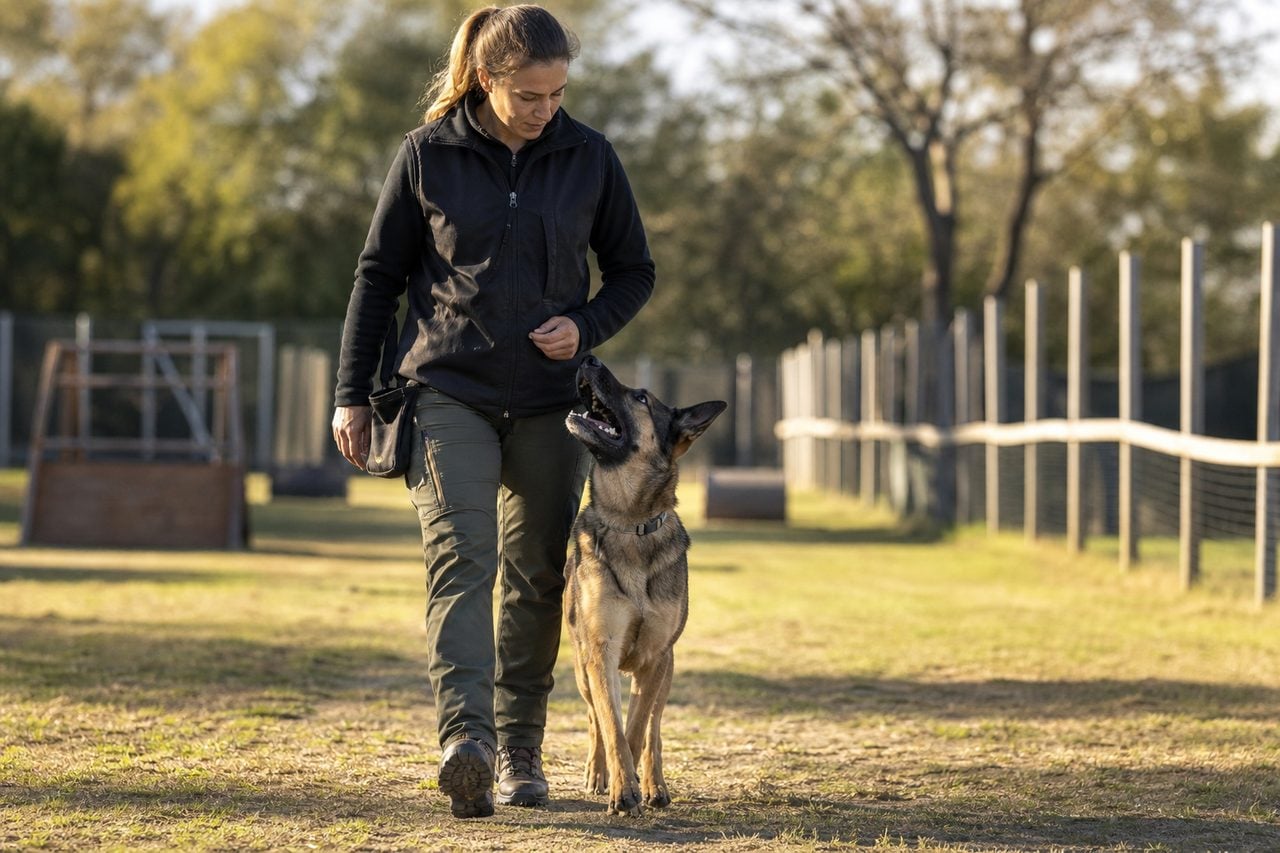
Board-and-train means your dog lives with a trainer for two to six weeks of daily, structured training, then comes home with the skills installed. It’s the fastest route to real results — but only if the trainer spends serious time teaching you to maintain them. Skip that handoff and the gains fade within weeks.
How board-and-train works
You drop your dog at a facility (or the trainer’s home) for a set program — commonly two, three, or four weeks. The trainer works the dog daily, building obedience, manners, or specific behavior goals while the dog lives in a training environment. You usually get progress updates, and the program ends with one or more “go-home” sessions where the trainer transfers the skills to you.
Who it’s right for — and who should skip it
It suits busy owners who can’t commit to daily practice, dogs with a stubborn issue that needs concentrated work, and people who’d rather pay for a head start than grind through it themselves. It’s a poor fit for very young puppies (they need the bond and the owner-handler reps), for separation anxiety (more time alone is the opposite of the cure), and for anyone expecting the dog to stay perfect with zero follow-through at home.
What board-and-train costs
Most general programs run $1,500–$3,500 for two to four weeks, including boarding, training, and the go-home sessions. Specialized work — serious aggression, protection, service-dog tasks — climbs well beyond that. It’s one of the priciest options in dog training, which makes vetting the trainer non-negotiable.
The part that makes or breaks it: the transfer
Here’s the honest truth most ads won’t tell you: a dog will perform for the person who trained it. If you don’t learn the cues, timing, and rules the trainer used, the dog quietly drifts back to its old habits at home. The best programs build in real owner coaching — multiple go-home lessons, written instructions, follow-up support. When you compare programs, weigh the handoff as heavily as the training itself.
How to vet a board-and-train
- Insist on touring where the dogs actually sleep and spend their day. A refusal is a hard no.
- Ask exactly what methods and tools they use, and why.
- Ask for video updates and references from recent clients.
- Confirm how much owner coaching is included.
Red flags: vague or secretive methods, guarantees of a “100% obedient” dog, no facility tour, or a program that’s entirely correction-based with no positive component.
Frequently asked questions
How much does board-and-train cost?
Typically $1,500–$3,500 for a two-to-four-week general program, including boarding and go-home sessions. Specialized programs (aggression, protection, service work) cost considerably more.
Does board-and-train actually work?
It can work very well for obedience and manners — but the results only last if the trainer teaches you to maintain them. The owner handoff matters as much as the in-program training.
How long is a typical board-and-train?
Most run two to four weeks. Longer programs exist for complex behavior or advanced off-leash and protection work.
Is board-and-train good for separation anxiety?
Generally no. Separation anxiety is treated with gradual, supervised alone-time at home; sending the dog away doesn’t address the underlying panic and can set it back.
Ready to find a trainer who fits your dog? Browse reviewed, local trainers and filter by specialty, price, and location.