
Dog Boot Camp in Kokomo, IN
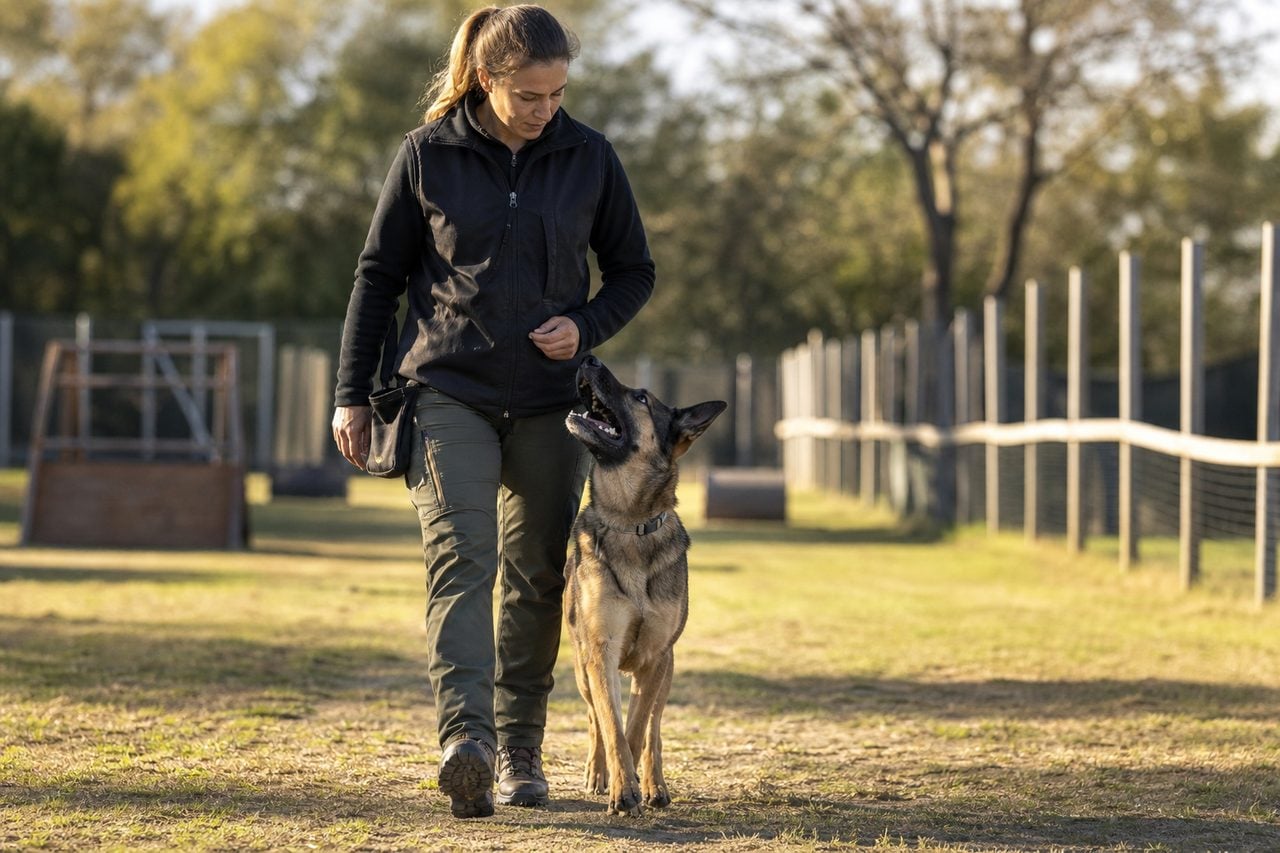
Dog boot camp is the informal name owners give to intensive, structured obedience training that compresses a lot of learning into a short, focused window. In the Kokomo area, the term covers a range of formats, from multi-week residential programs on rural properties around Peru and Wabash to intensive day-training schedules where a dog attends for full days and comes home each night. What ties them together is the philosophy: consistent, high-repetition practice under professional guidance to produce fast, visible change in a dog’s manners and responsiveness.
The name conjures images of a rigid, drill-sergeant approach, but modern intensive obedience looks quite different. The best programs across Howard, Grant, and Miami counties blend clear structure with reward-based teaching, careful attention to each dog’s temperament, and generous rest. The ‘boot camp’ part refers to the concentration and consistency, not to harshness. A dog thrives on clarity and routine, and an intensive program supplies both in a way that ordinary weeknights at home rarely can.
This guide breaks down what dog boot camp really means in north-central Indiana, which dogs and problems it suits, how the different formats compare, what a responsible program looks like, and how to make sure the gains survive the trip home to your yard along Wildcat Creek or your farm outside Greentown. The aim is to help you decide whether an intensive format is the right tool for your dog and your household.
What 'Boot Camp' Really Means for Dogs
At its core, dog boot camp is intensive obedience training delivered over a condensed timeframe with high frequency and consistency. Where a traditional group class meets once a week for six or eight weeks, an intensive program might involve several structured sessions every day for two to four weeks. That density is the whole point. Behaviors are built and reinforced so often that they become reliable habits quickly, and unwanted behaviors get far fewer opportunities to be rehearsed.
The typical curriculum targets the practical skills that make daily life easier: attention and focus on the handler, loose-leash walking, solid sit and down with duration, a dependable recall, a place or settle command, and impulse control around doors, food, and greetings. More advanced boot camps add distraction-proofing and the early stages of off-leash reliability. The emphasis throughout is on generalization, meaning the dog learns to perform not just in a quiet training room but in the real, messy environments of a Kokomo neighborhood or a Marion park.
It is worth separating fact from stereotype. A quality intensive program is not about breaking a dog’s spirit or issuing endless harsh corrections. It is about clarity, timing, and repetition. Dogs are pattern learners who feel secure when expectations are consistent, and a well-designed boot camp gives them exactly that consistency. Rest and decompression are built into a good schedule, because a tired, overworked dog does not learn well any more than a person would.
Another way to understand the value of an intensive is to think about what usually goes wrong with do-it-yourself training. Most owners are inconsistent not because they lack commitment but because life interferes: one evening the dog gets away with jumping because guests are over, the next the rules tighten again, and the mixed signals slow everything down. An intensive removes that inconsistency for a concentrated period. The dog receives the same response to the same behavior every single time, from someone whose timing is sharp, and that clarity is what accelerates learning. When the family later takes over, they are maintaining an already-formed habit rather than trying to build one from scratch amid daily distractions.
Day-Training vs. Residential Intensive Formats
Intensive programs come in two broad shapes, and the difference matters for both results and family fit. Residential boot camp, closely related to board-and-train, means the dog lives at the facility or trainer’s property for the duration. Day-training intensives mean the dog attends for full days of structured work and returns home each evening. Each has trade-offs worth weighing against your household and your dog’s temperament.
Residential formats offer maximum consistency because the trainer controls the environment around the clock, including feeding, rest, and downtime. This can accelerate progress, especially for deeply ingrained habits, and it removes the daily commute for busy families. The cost is that the dog is away from home, and the owner must rely on go-home lessons to transfer the skills. For owners in outlying towns like Logansport, Rochester, or Tipton, the reduced daily driving can be a genuine advantage.
Day-training keeps the dog home each night, which some owners and dogs prefer, and it lets the family stay closer to the process. The dog still gets many hours of professional work, but the home environment is not fully controlled between sessions, so consistency depends more on the family following through in the evenings. Day formats work well for dogs that struggle with being away from home and for families who want to stay hands-on throughout. Neither format is superior in the abstract; the right one depends on your goals, your schedule, and your dog.
There is also a hybrid worth asking about. Some regional trainers combine a residential or day-training core with a series of scheduled follow-up lessons over the weeks that follow, so the family is coached repeatedly rather than just once at handoff. For owners spread across the wider area, from Logansport to Wabash to the farm towns around Greentown and Windfall, the drive time to these follow-ups is a real consideration, and a trainer closer to home makes the maintenance phase far easier to sustain. When comparing formats, factor in not just the intensive block itself but how practical it will be to attend everything that comes after it, because that follow-through is where lasting results are won or lost.
Which Dogs Benefit Most
Intensive obedience is a strong fit for adolescent dogs in that challenging six-months-to-two-years window when energy is high, focus is short, and manners are still forming. The concentrated structure often produces a breakthrough that scattered weeknight sessions cannot. High-drive working breeds common in rural north-central Indiana, from herding dogs on farms to energetic sporting breeds, frequently do well because they crave a job and respond quickly to clear, consistent expectations.
Boot camp also helps dogs whose owners simply cannot find consistent daily training time. Shift workers at regional plants, families with long commutes toward Indianapolis, and households stretched thin by kids and obligations can outsource the intensive foundation phase and then maintain it. Dogs that have plateaued in group classes, or that are too distracted to learn in a busy room, often make faster progress in a focused intensive setting where the environment is managed and the sessions are one-on-one.
Rescue and rehomed dogs are another group that can benefit, with a caveat. A newly adopted dog often needs a decompression period to settle into a home before intensive training begins, and pushing too fast can backfire. Once that dog has settled and the owner has a clearer read on its temperament, a structured program can help fill gaps left by an unknown history and build the manners that make the dog easier to live with and less likely to be returned. As always, if a rescue shows signs of serious fear or aggression rather than simple lack of training, a veterinary check and a behavior-focused approach should come before any obedience intensive.
Some situations call for a different approach first. Intensive obedience is about manners and responsiveness, not about resolving deep-seated fear, true aggression, or severe anxiety. A dog showing those signs should be evaluated by a veterinarian to rule out medical causes and may need a behavior-focused professional rather than an obedience boot camp. A trustworthy trainer screens for this and will tell you honestly if your dog’s issue sits outside what an intensive obedience program can responsibly address.
A Realistic Look at the Daily Schedule
Understanding a typical day helps set expectations and separates serious programs from those that overpromise. A well-run intensive does not simply run the dog into the ground. It alternates focused training blocks with rest, exercise, enrichment, and controlled exposure to distractions. Short, frequent sessions produce better learning than marathon drills, because dogs, like people, consolidate skills during breaks and sleep.
A representative schedule might open with a decompression walk, move into a focused obedience block, break for rest, run a second session emphasizing a different skill, provide enrichment such as sniffing or problem-solving games, and later test skills in a more distracting setting. As the program progresses, trainers deliberately raise the difficulty, moving from quiet indoor floors to busier outdoor areas so the dog learns to perform amid the sights, sounds, and smells of the real world. The graduated environments of the region, from quiet gravel roads to a bustling park, give trainers a natural ladder of difficulty to climb.
Ask any program you are considering to describe a full day in concrete terms. How many sessions, how long, how much rest, and how is difficulty increased over time? A trainer who can answer clearly and who invites you to observe is demonstrating that the intensity is thoughtful rather than punishing. If the answer is vague, or if the picture is a dog spending most of the day confined between two brief lessons, keep looking.
Vetting a Program and Understanding Methods
Because ‘boot camp’ is a marketing term with no single standard behind it, owners have to do their own due diligence. Start with methods. Ask the trainer to explain their approach in plain language: how they teach a new behavior, what they do when the dog succeeds, and what they do when it makes a mistake. Many trainers emphasize reward-based teaching with food, play, and praise; some also use corrective tools such as prong or remote collars for reliability work. Thoughtful professionals using various approaches practice in the area, and the key is that they can articulate their reasoning and show attention to the dog’s emotional state.
Experience and reputation often reveal more than any single label. Ask how long the trainer has run intensive programs, request references from recent local clients, and actually call them. Ask whether you can watch a session or see video of dogs currently in training. Find out how the trainer would handle a dog that becomes fearful or shuts down, because the answer tells you a great deal about their skill and their values.
Be cautious with absolute guarantees. Every dog is an individual, and a program that promises identical results for all dogs regardless of temperament is overselling. Look instead for measured, specific claims, clear vaccination and health requirements, a written agreement, and a willingness to decline cases that belong elsewhere. Transparency, references, and the ability to explain their reasoning are the hallmarks of a program worth your trust and your money.
Making the Results Last at Home
The hard truth of any intensive program is that the training is only as durable as the maintenance that follows. A dog can leave boot camp with excellent skills and lose them within weeks if the family reverts to old inconsistencies. This is why the transfer phase, the go-home lessons where the trainer teaches you to handle the dog, matters as much as the intensive itself. The dog learned a clear set of rules; now the humans must learn to enforce them the same way.
Expect to practice. Good programs send you home with a specific plan: short daily sessions, rules about doorways and furniture, structured walks, and clear cues to use. Skills like recall and loose-leash walking need ongoing reinforcement in the environments you actually use, whether that is the Nickel Plate Trail, a neighborhood sidewalk, or a farm property where livestock and wildlife raise the stakes. The more you fold the training into daily routines, the more automatic it becomes for the dog.
When comparing programs, treat the follow-up support as a deciding factor, not a bonus. How many owner lessons are included? Is there phone or text support for troubleshooting after the dog comes home? Does the trainer offer any refresher sessions? A program that invests in your education is far more likely to produce a dog that behaves reliably a year later, which is the outcome that actually matters.
Choosing Local and Preparing for Intake
Selecting a trainer close to home carries practical benefits. A professional based in Howard, Grant, Wabash, or Miami county understands the specific environments your dog will face, from the busier streets around downtown Kokomo and Marion to the open country roads and fields of the surrounding towns. That local knowledge shapes realistic training, and proximity makes the essential follow-up lessons far easier to attend, which directly improves how well the results hold up.
A little preparation ensures a smooth start. Confirm that vaccinations are current well before the intake date, since facilities typically require documentation and a buffer period. Send your dog with its regular food to avoid digestive upset, along with any medication and clear instructions. Be thoroughly honest about your dog’s history, including fears, past bites, or medical issues, because withholding information only handicaps the trainer and the process.
Cost deserves a clear-eyed look as well. Intensive programs cost more than weekly group classes because they bundle many hours of skilled labor, and often boarding, into a short span. Rather than fixating on the lowest quote, weigh what is actually included: the number of daily sessions, the specific skills targeted, the dog-to-trainer ratio, and, above all, the amount of follow-up support. A slightly higher investment paired with strong go-home lessons routinely delivers more durable value than a bargain program that hands the dog back with no coaching. Read any agreement carefully for vaccination requirements, health and injury policies, and what happens if the stated goals are not met.
Use the directory to build a shortlist, then vet each option the way you would any professional entrusted with a family member. Visit in person, observe the dogs already in the program, ask pointed questions about methods and follow-up, and speak with past clients in the area. An intensive program is a significant investment of money and trust, and the effort you put into choosing wisely pays off every day your dog lives calmly and responds reliably in your home.
Reviewed Dog Boot Camp Trainers in Kokomo
These reviewed Kokomo-area trainers from our directory handle dog boot camp. Each links to a full profile with specialties, certified credentials, reviews, and contact info:
- Perspective K9 Training — 5.0★ (44 reviews)
- Canine Connoisseur Relationship-based Dog Training — 5.0★ (39 reviews)
- Country Road Boarding & Obedience — 5.0★ (10 reviews)
- Vohne Liche Kennels — 4.6★ (99 reviews)
See all Kokomo dog boot camp trainers →
Frequently Asked Questions
How is a dog boot camp different from a regular group class?
The main difference is intensity and structure. A group class typically meets once a week for several weeks, while a boot camp compresses many daily sessions into a short window of two to four weeks. That density builds reliable habits faster and gives unwanted behaviors fewer chances to be rehearsed. Group classes are excellent for socialization and basic foundations at a gentler pace, while an intensive suits dogs that need faster results, struggle to focus in a busy room, or belong to families who cannot commit to consistent daily practice on their own.
Is boot camp harsh or stressful for the dog?
A well-designed program is not harsh. The ‘boot camp’ label refers to consistency and concentration, not to severity. Quality intensives use short, frequent sessions balanced with rest, exercise, and enrichment, because a tired, overworked dog does not learn well. Reputable trainers pay close attention to each dog’s emotional state and adjust the workload accordingly. If a program’s approach relies on fear or constant harsh corrections, that is a warning sign. Ask any trainer how they handle a dog that becomes stressed, and let their answer guide you.
How quickly will I see results?
Many owners notice meaningful improvement within the first couple of weeks because the high repetition builds skills quickly. That said, the timeline depends on your dog’s age, temperament, and starting point, and on the difficulty of the goals. Basic manners tend to come faster than off-leash reliability or distraction-proofing. Just as important, the initial results only last if you maintain them at home. Fast gains in a program can fade without consistent follow-through, so treat the intensive as the start of the process, not the finish.
Should I choose day-training or a residential intensive?
It depends on your dog and your household. Residential programs offer maximum consistency because the trainer controls the environment around the clock, which can speed progress and cut daily driving for families in outlying towns. Day-training keeps the dog home each night, which some dogs prefer and which lets families stay closely involved, though it relies more on the household following through in the evenings. Consider your dog’s comfort with being away, your schedule, and how hands-on you want to be, then discuss the trade-offs with the trainer.
Can boot camp fix aggression or severe anxiety?
Intensive obedience is designed to build manners and responsiveness, not to resolve true aggression, deep fear, or severe anxiety. Those issues should begin with a veterinary examination to rule out pain or medical causes, and they often require a behavior-focused professional rather than an obedience boot camp. A responsible trainer screens for these problems and will tell you honestly if your dog needs a different kind of help. For serious behavior cases, owners in the Kokomo area sometimes consult specialists in the larger Indianapolis market.
What happens after the program ends?
The best programs include go-home lessons that teach you to handle the dog and maintain the skills it learned. Expect homework: short daily practice sessions, consistent rules about doorways and furniture, and structured walks in the environments you actually use. Ask each program how many owner lessons are included and whether there is ongoing phone or text support for troubleshooting. The durability of the results depends heavily on this follow-up, so weigh the after-program support as a major factor when comparing options.
Related: read our complete dog boot camp guide or the full Kokomo dog training overview.
Ready to find the right dog boot camp pro in Kokomo?