
Puppy Socialization in Pittsburgh, PA
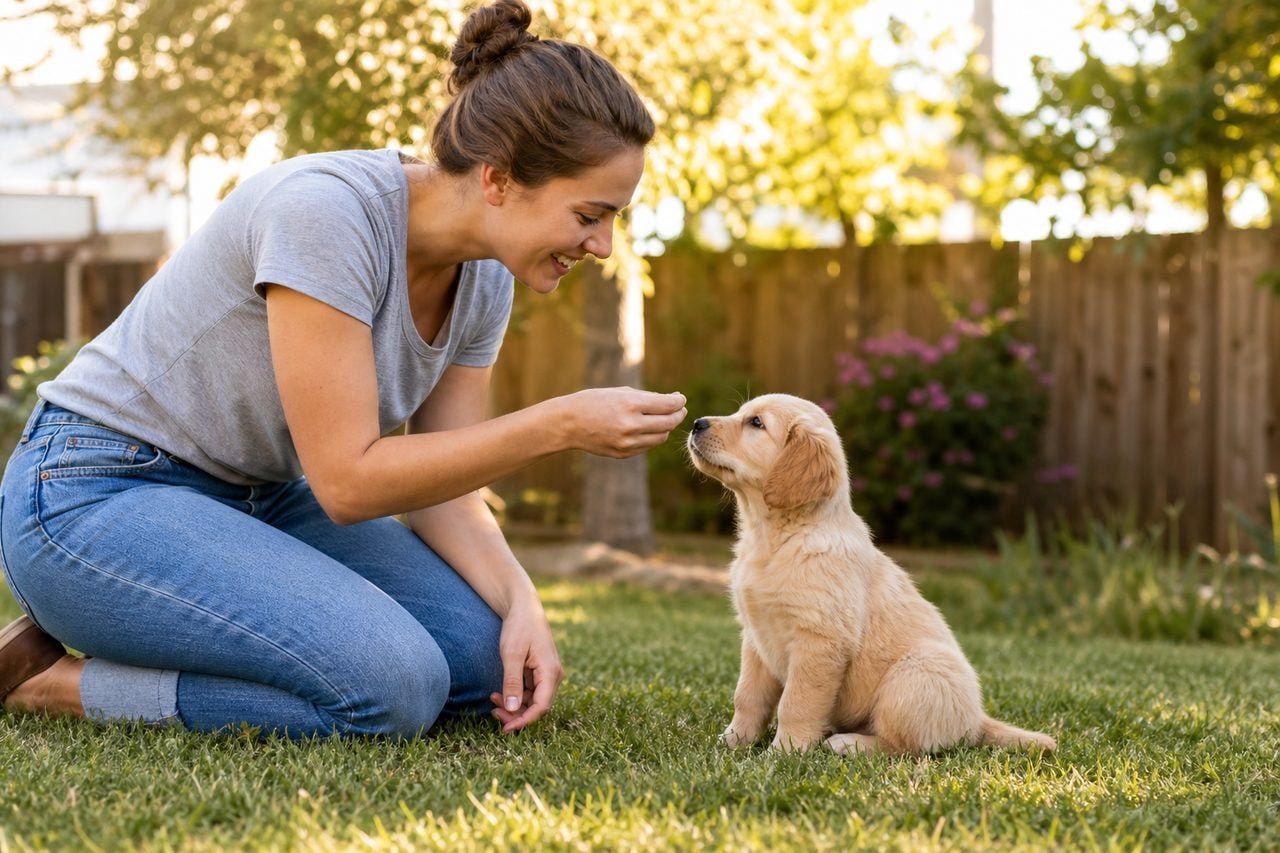
Socialization is the single most important thing you can do for a puppy, and in Pittsburgh the opportunities — and the challenges — are everywhere. This is a city of tight sidewalks, echoing tunnels, river barges, public staircases, and game-day crowds on the North Shore. A well-socialized Pittsburgh puppy takes all of it in stride; an under-socialized one can grow into an adult dog that flinches at every bus on Forbes Avenue or panics at the sound of a bridge expansion joint underfoot. The difference usually comes down to what happened in those first few months, and it’s nearly impossible to fully make up the ground later.
- What Socialization Actually Means
- The Critical Window And Why Pittsburgh Weather Affects It
- Safe Places To Socialize Across The Metro
- Reading Your Puppy’s Body Language
- Socializing Around Other Dogs Safely
- Building A Region-Aware Socialization Plan
- Keeping Socialization Going Past Sixteen Weeks
- Reviewed trainers
- FAQ
True socialization isn’t just “letting your puppy meet other dogs.” It’s the careful, positive introduction of your puppy to the full range of sights, sounds, surfaces, people, and situations it will encounter for the rest of its life — at a pace the puppy can handle, always pairing new experiences with good things. In a place as varied as Greater Pittsburgh, that to-do list is long: the dense Golden Triangle, the leafy calm of Squirrel Hill, the open fields of North and South parks, and the quieter rural stretches of Washington and Butler counties all offer different lessons. A puppy raised in one corner of the metro still needs deliberate exposure to the parts it won’t encounter at home.
Timing matters because the window is short. A puppy’s most receptive period for socialization runs from roughly three to sixteen weeks, and Pittsburgh’s weather can either help or get in the way — a winter puppy needs creative indoor exposure while a summer puppy works around the heat. This guide walks through how to socialize a puppy thoughtfully across the region, how to choose safe environments before vaccinations are complete, how to read your puppy’s comfort level so you never push too hard, and how to keep building confidence well past those first crucial weeks.
What Socialization Actually Means
Socialization is often misunderstood as a numbers game — meet as many dogs and people as possible, as fast as possible. In reality it’s about quality of exposure, not quantity. The aim is for your puppy to encounter new things and conclude, “that was fine,” or even “that was good.”
A complete socialization plan covers far more than other dogs. It includes:
- People of different ages, sizes, and appearances — kids, people in hats, people with strollers or canes.
- Surfaces and environments — the metal grates and brick of the Strip District, gravel trails, slick winter sidewalks.
- Sounds — traffic, sirens, fireworks near a stadium, the rumble inside a tunnel.
- Handling and grooming — nail trims, ear checks, towel-drying after a rainy walk.
Every exposure should be at a distance and intensity your puppy can handle. A puppy watching traffic calmly from across the street is learning; a puppy frozen and trembling beside it is being overwhelmed.
The Critical Window And Why Pittsburgh Weather Affects It
The prime socialization period closes around sixteen weeks, which puts real pressure on owners — and Pittsburgh’s seasons can complicate the schedule. A puppy hitting this window in February faces cold, icy conditions that limit outdoor exposure; a July puppy contends with heat and humidity that cut sessions short.
The answer is to adapt, not to wait. During a cold snap, bring the world to your puppy: carry it through a hardware store or a friend’s busy household, play recordings of city sounds at low volume, and invite varied visitors over. In summer heat, socialize in the cool of early morning or evening and use shaded spots like the tree-lined paths of Frick or Schenley Park.
Because young puppies aren’t fully vaccinated during part of this window, balance exposure with safety: carry your puppy in busy or high-traffic dog areas, choose clean environments, and follow your veterinarian’s guidance. The goal is broad, positive experience without unnecessary disease risk — entirely achievable with a little creativity.
Safe Places To Socialize Across The Metro
Where you take a puppy depends on its vaccination stage and temperament, but Pittsburgh offers plenty of options once your veterinarian gives the go-ahead.
- Parks with room to spread out: Frick Park, Schenley Park, North Park, South Park, and Boyce Park let you keep distance from other dogs while still exposing your puppy to activity.
- Quiet residential streets: calm blocks in Mount Lebanon, Bethel Park, or McCandless are ideal for first walks past parked cars, fences, and friendly neighbors.
- The Three Rivers Heritage Trail: at off-peak hours, a great place to introduce joggers, cyclists, and the sounds of the rivers.
- Outdoor shopping areas and patios that welcome dogs — useful for calm exposure to crowds and noise.
Early on, favor controlled exposure over chaotic environments. A crowded dog park is rarely the right first stop for a young puppy; a quiet park bench where it can watch the world go by is far more productive.
Reading Your Puppy’s Body Language
The most important socialization skill an owner can develop is reading their puppy. Pushing a frightened puppy into a scary situation — “flooding” — can do lasting harm, creating exactly the fearful adult dog you were trying to avoid.
Signs your puppy is comfortable include a loose body, soft mouth, curiosity, and willingness to take treats. Signs it’s overwhelmed include:
- Tucked tail, lowered body, or trying to retreat.
- Refusing food it would normally take eagerly.
- Freezing, trembling, or excessive lip-licking and yawning.
When you see stress, increase distance from whatever is causing it, let your puppy reset, and try again later at a gentler intensity. This matters in busy Pittsburgh settings — a Downtown sidewalk or a packed festival can overwhelm a young puppy fast. Confidence is built by stacking small wins, not by forcing big ones. A puppy allowed to approach the world at its own pace becomes a braver adult.
Socializing Around Other Dogs Safely
Dog-to-dog socialization is valuable, but it’s also where well-meaning owners most often go wrong. A bad early experience with a pushy adult dog can leave a lasting wariness, so the quality of your puppy’s canine encounters matters enormously.
The gold standard is a structured puppy class or supervised playgroup, where dogs are matched by size and temperament and a knowledgeable person steps in before play gets too rough. These are available across the city and inner suburbs and are well worth seeking out.
For informal meetings, choose your puppy’s companions carefully — a calm, friendly, vaccinated adult dog you know is far better than a random encounter. Keep early greetings short and positive. Be cautious with public dog parks while your puppy is young and not fully vaccinated; the mix of unknown dogs and uneven supervision makes them unpredictable. Plenty of good socialization happens simply by letting your puppy observe other dogs calmly from a comfortable distance.
Building A Region-Aware Socialization Plan
A good plan reflects where you live and the dog’s daily life. Each part of the metro presents different exposures worth practicing.
- The City & the Three Rivers: prioritize traffic, crowds, tunnels, bridges, and elevator or stair routines for apartment dwellers.
- The South Hills: easy access to South Park and quiet streets in Upper St. Clair and Bridgeville for calm, controlled outings.
- The North Hills: North Park and the busier commercial areas around Cranberry Township offer a useful range of stimuli.
- The Eastern Suburbs: Monroeville and Murrysville mix suburban bustle with parks like Boyce; Hartwood Acres is good for open-space confidence.
- The Mon & Airport Corridors: Moon, Robinson, and Sewickley combine retail areas with quieter neighborhoods.
- Washington & Butler Counties: more rural — make deliberate trips into town to expose your puppy to traffic and crowds it won’t meet at home.
Keeping Socialization Going Past Sixteen Weeks
The intense early window may close around sixteen weeks, but socialization is a lifelong project. Skills built early can fade without practice, and many dogs go through a second, more cautious phase during adolescence when they seem to suddenly notice — and worry about — things they used to ignore.
Keep the momentum with regular, low-pressure outings: a weekly walk on the Three Rivers Heritage Trail, a coffee on a dog-friendly patio, occasional visits to new neighborhoods. Rotate environments so your dog stays comfortable with novelty rather than only knowing its own block.
Pittsburgh’s calendar gives you a natural rhythm. Use mild spring and fall weather for varied outdoor adventures, and don’t let winter become a socialization dead zone — indoor opportunities and short, well-timed outings keep skills sharp until the city thaws. A dog that keeps meeting the world calmly, year after year, stays the confident companion you worked so hard to raise — ready for a barge horn, a tunnel, or a crowded game-day sidewalk without a second thought.
Reviewed Puppy Socialization Trainers in Pittsburgh
These reviewed Pittsburgh-area trainers from our directory handle puppy socialization. Each links to a full profile with specialties, certified credentials, reviews, and contact info:
- Sit Means Sit Dog Training Pittsburgh North — 5.0★ (130 reviews)
- North Pittsburgh Animal Behavior — 5.0★ (117 reviews)
- Two Dads Dog Training — 5.0★ (88 reviews)
- Success Just Clicks Dog Training — 5.0★ (77 reviews)
- H-D Interactions Dog Training Co. — 5.0★ (72 reviews)
- Paw & Order Dog Training Westmoreland — 5.0★ (66 reviews)
- Suburban K9 Dog Training — 5.0★ (53 reviews)
- Always Faithful Dog & Puppy Training Pittsburgh PA — 5.0★ (50 reviews)
- McWreath Dog Training – Washington, PA — 5.0★ (36 reviews)
- Champion Canine — 5.0★ (36 reviews)
See all Pittsburgh puppy socialization trainers →
Frequently Asked Questions
When is the best time to socialize my puppy?
The prime socialization window runs from roughly three to sixteen weeks of age, when puppies are most open to new experiences. Start as soon as your puppy comes home, adapting to Pittsburgh’s weather, and keep building confidence well past that window since socialization is a lifelong process.
Is it safe to socialize my puppy before it’s fully vaccinated?
Yes, with sensible precautions. Carry your puppy in busy areas, choose clean environments, and avoid high-traffic dog spots like public dog parks until your veterinarian clears it. You can socialize safely indoors and from a distance — exposure to sights and sounds matters as much as meeting other dogs.
Where can I take my puppy to socialize in Pittsburgh?
Once your vet gives the okay, quiet residential streets, the off-peak Three Rivers Heritage Trail, and spacious parks like Frick, Schenley, North, and South parks are great for controlled exposure. A structured puppy class is one of the best options for safe dog-to-dog socialization.
Should I take my young puppy to a dog park?
Generally not while it’s very young and not fully vaccinated. The mix of unknown dogs and uneven supervision makes dog parks unpredictable, and one rough encounter can leave a lasting wariness. A supervised puppy class or playdate with a calm, known adult dog is far safer.
How do I know if my puppy is overwhelmed during socialization?
Watch for a tucked tail, lowered body, trembling, freezing, refusing treats it would normally take, or trying to retreat. If you see these signs, increase distance from whatever is causing the stress and try again later at a gentler level. Never force a frightened puppy closer.
How do I keep my puppy socialized through a Pittsburgh winter?
Don’t let cold weather become a dead zone — bring the world indoors with varied visitors, busy stores, and recordings of city sounds, and take short, well-timed outings on milder days. Keeping exposure going prevents the regression that can happen when socialization stops entirely.
Related: read our complete puppy socialization guide or the full Pittsburgh dog training overview.
Ready to find the right puppy socialization pro in Pittsburgh?