
Dog Boot Camp in Pittsburgh, PA
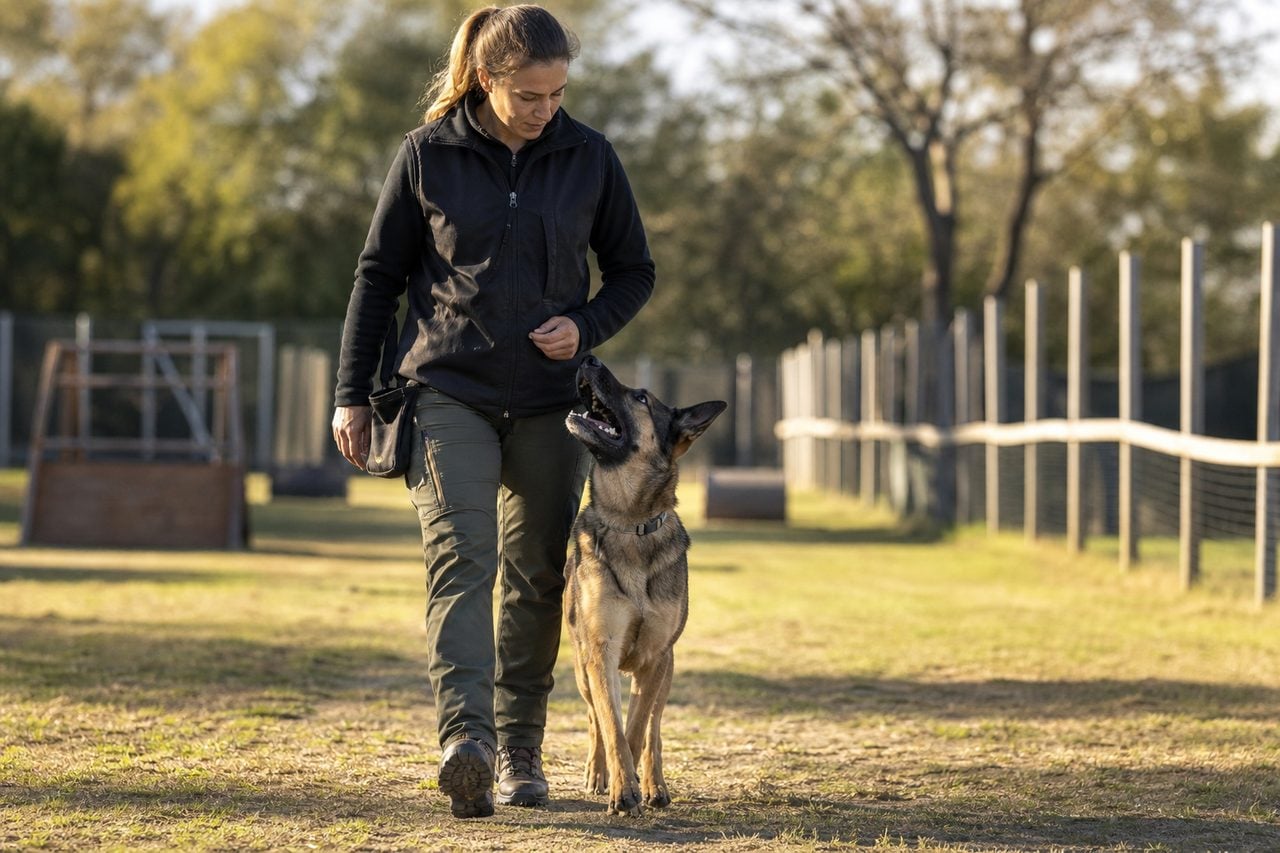
For Pittsburgh owners who want fast, focused progress but aren’t ready to send their dog away overnight, a dog boot camp hits a useful middle ground. A boot camp is an intensive day-program: you drop the dog off in the morning, a trainer works it hard through a structured day of drills, socialization, and supervised practice, and you pick it up in the evening to sleep at home. The dog gets the concentrated reps of an immersion program while still spending nights in its own bed — whether that bed is in a Squirrel Hill apartment or a Mount Lebanon house.
That daily rhythm fits a lot of Pittsburgh lives. A commuter heading downtown or out to the airport corridor can drop the dog on the way in and grab it on the way home, turning the workday into training time. And because the dog comes home each night, the owner stays naturally looped into the process, reinforcing skills in the actual home environment from day one rather than only at the very end. That nightly contact is a genuine advantage on terrain like Pittsburgh’s — the dog gets to practice its new leash manners on your own hilly block and your own set of stairs, not just on a trainer’s flat floor.
Boot camps are best understood as accelerated skill-building, not a magic reset. The intensity — multiple focused sessions a day, several days a week — compresses what might take months of weekly classes into a tighter window. But the dog still has to generalize those skills to your street, your stairs, and your routine, so your evening follow-through is part of the deal. This guide covers how Pittsburgh day-program boot camps work, who they suit best, what a well-run day actually looks like, how to choose one that delivers real, lasting change, and how to lock the gains in across the city’s real streets, parks, and seasons.
The Day-Program Model: How Boot Camp Differs
A dog boot camp is defined by its drop-off, day-program structure. The dog arrives in the morning, trains intensively through the day, and goes home each night. That single feature separates it from a residential board-and-train, where the dog lives at the facility for the full program. Boot camp is intensive; it is not overnight.
Inside a typical day, a dog cycles through several short, focused training blocks broken up by rest and enrichment — obedience drills, leash work, impulse-control exercises, and structured socialization with other dogs when appropriate. The compressed schedule means far more repetitions per week than a once-weekly class, which is what drives the faster progress.
- You keep nightly contact — you see the dog every evening and can reinforce at home immediately
- No overnight separation — good for dogs (or owners) anxious about being apart
- Built-in daily handoff — many programs coach you at pickup on what was worked that day
The flip side is that the dog returns each night to the same home environment, so if that setting is heavily reinforcing a bad habit, progress can be slower than with full immersion. For most obedience and manners goals, though, the day-program format is a strong, practical fit.
Who a Pittsburgh Boot Camp Suits Best
Day-program boot camps shine for specific situations. They’re ideal for owners who want intensive progress but feel uneasy about sending a dog away overnight, and for dogs that would handle residential separation poorly. They also suit households that can build a drop-off and pickup into a normal workday.
Consider a boot camp if:
- Your dog needs more reps than a weekly class delivers — pulling on leash, weak recall, jumping, general impulse control
- You commute toward the city, the airport corridor, or a suburban hub and can route through a facility
- You want to stay hands-on, reinforcing each evening rather than only at the end
- Your dog is social enough to benefit from structured daytime time around other dogs
It’s a weaker fit if your schedule can’t support twice-daily drop-offs, if the daily drive is punishing — a long Cranberry-to-city slog twice a day adds up — or if the behavior is rooted in fear or aggression that needs an assessment-first, specialized track. Be honest about your bandwidth: the format only works if you can actually make the daily round-trip reliably.
Inside a Typical Boot Camp Day
Understanding the daily structure helps you judge whether a program is well run. A good boot camp day is not the dog crated for eight hours with a couple of quick sessions — it’s a deliberate cycle of work, rest, and enrichment that keeps the dog learning without burning out.
A typical day might flow like this:
- Morning intake — arrival, settling, a calm start
- Focused training blocks — several short sessions on obedience, leash skills, and impulse control, spaced through the day
- Structured socialization — supervised time with other dogs where temperament allows
- Rest and enrichment — downtime, sniff-based or puzzle enrichment, so the dog consolidates what it learned
- Evening handoff — a recap for you at pickup on the day’s work and homework for the night
Ask any Pittsburgh program to walk you through their actual daily schedule. The balance of work and rest matters — a dog learns better with breaks than with relentless drilling. The evening recap is especially valuable: it’s your chance to reinforce the same cues at home that night, which is the whole advantage of the day-program format.
Finding Boot Camps Across the Metro
Because a boot camp is a daily drop-off, location matters more than it does for a residential stay — you’ll be making the round-trip repeatedly, so a facility along your commute is a real advantage.
- The City & the Three Rivers: convenient for owners in Shadyside, Lawrenceville, the South Side, or the North Shore who work downtown — though dense neighborhoods have fewer large day facilities, so many drive just outside the core.
- The South Hills: Mount Lebanon, Bethel Park, Upper St. Clair, and Bridgeville are handy for south-side commuters.
- The North Hills: Wexford, Cranberry Township, McCandless, and Ross Township suit the northern suburbs and the I-79 corridor.
- The Eastern Suburbs: Monroeville, Penn Hills, Plum, and Murrysville cover the east toward Greensburg.
- The Mon & Airport Corridors: McKeesport and North Versailles in the Mon Valley; Moon, Robinson, and Coraopolis are easy for anyone routing past the airport.
- Washington & Butler Counties: Peters Township, Washington, and Butler-area facilities serve the outer rings.
Map the drop-off and pickup against your real daily route. A boot camp that’s twenty minutes out of your way each direction can quietly become forty minutes of daily driving — sustainable for some owners, a dealbreaker for others.
What to Look For — and What to Avoid
Not all day programs are equal, and the marketing word “boot camp” can cover anything from a thoughtful intensive to glorified daycare with a training label. Vet carefully.
Green flags:
- The trainer explains their methods clearly and leans on reward-based, humane techniques
- You’re welcome to tour the facility and see where dogs train and rest
- A structured daily schedule with real work, rest, and enrichment — not all-day crating
- Daily recaps and homework so you reinforce at home each night
- Manageable group sizes with proper supervision during socialization
Warning signs:
- Guarantees of specific results — no honest trainer promises outcomes
- Reliance on intimidation, harsh corrections, or fear-based control
- Vague answers about the daily routine or refusal to let you observe
- Overcrowding or thin supervision
Trust your impression of the place when you visit. A program that’s transparent about its methods and proud of its space is a far safer bet than one that talks in guarantees and keeps you at arm’s length.
Reinforcing Boot Camp Gains in Real Pittsburgh Conditions
The day-program format gives you a daily edge: the dog comes home every evening, so you can immediately put the day’s training to work in real conditions. Use it — that nightly practice is where the skills actually cement.
Pittsburgh’s environment offers plenty of practice grounds. Work leash manners on your own block before testing them on a busier sidewalk in Shadyside or the Strip District. Practice recall and settle in the open spaces of Frick Park, Schenley Park, or North Park, where the city’s big green areas let a dog generalize skills around real distractions. The steep stairs and inclines of neighborhoods like Mount Washington are perfect for reinforcing calm, controlled leash walking on a challenging slope.
Account for the seasons, too. Winter ice and salt mean short, careful sessions and reliable leash control on slick ground; humid summer days push practice to cooler morning and evening hours. The more you rehearse the day’s lessons across your actual streets, parks, and weather, the better they hold — the boot camp builds the skill, your evenings make it durable.
Cost, Timeline, and Honest Outcomes
Boot camp pricing in the Pittsburgh market typically sits below full residential board-and-train — you’re not paying for overnight housing — but above a standard weekly group class, reflecting the daily intensity and one-on-one attention. Programs are usually sold in multi-day or multi-week blocks, and costs vary with length, the trainer’s experience, and how much follow-up is included.
On timeline, the compressed schedule produces faster visible progress than weekly classes, but “faster” isn’t “instant.” Foundational manners and obedience respond well to a focused block; deeper behavior change still takes time and consistency.
Keep expectations grounded:
- Intensity accelerates learning but doesn’t remove the need for your follow-through at home
- Outcomes depend on the dog’s age, history, and temperament as much as the program
- No reputable trainer guarantees results — behavior change isn’t a fixed-time transaction
The smartest way to read a boot camp is as a high-efficiency jump-start: it packs months of reps into weeks, and because the dog sleeps at home, it hands you the daily chance to lock those reps in. The program supplies the momentum; your consistency in real Pittsburgh life keeps it going.
Reviewed Dog Boot Camp Trainers in Pittsburgh
These reviewed Pittsburgh-area trainers from our directory handle dog boot camp. Each links to a full profile with specialties, certified credentials, reviews, and contact info:
- Sit Means Sit Dog Training Pittsburgh North — 5.0★ (130 reviews)
- H-D Interactions Dog Training Co. — 5.0★ (72 reviews)
- Paw & Order Dog Training Westmoreland — 5.0★ (66 reviews)
- Paw & Order Dog Training Washington PA — 5.0★ (64 reviews)
- Suburban K9 Dog Training — 5.0★ (53 reviews)
- Paw & Order Dog Training Harmony — 5.0★ (38 reviews)
- McWreath Dog Training – Washington, PA — 5.0★ (36 reviews)
- Control Is Key Dog Training — 5.0★ (36 reviews)
- Everywhere Dog Training — 5.0★ (33 reviews)
- Cochran K9 Training — 5.0★ (30 reviews)
See all Pittsburgh dog boot camp trainers →
Frequently Asked Questions
What’s the difference between a dog boot camp and board-and-train?
A boot camp is an intensive day program — you drop the dog off in the morning and it comes home each night. Board-and-train is residential, with the dog living at the facility for the full program. Both are intensive; only board-and-train involves overnight stays.
How many days a week will my dog go to boot camp?
It varies by program, but most run multiple days a week over a multi-week block, which is what produces the faster progress versus a once-weekly class. Ask each Pittsburgh trainer how their schedule is structured and whether days are consecutive or spread out.
Is the daily commute worth it for a boot camp?
Since it’s a daily drop-off and pickup, location really matters — a facility along your commute toward downtown, the airport corridor, or a suburban hub is a big advantage. Map the round-trip against your real route; what looks like twenty minutes out of the way can become forty minutes of daily driving.
Will my dog just be in a crate all day?
A well-run boot camp is a deliberate cycle of focused training blocks, structured socialization, and rest or enrichment — not all-day crating. Ask the program to walk you through their actual daily schedule, and treat vague answers as a red flag.
How do I keep the training from fading after boot camp ends?
Use the day-program advantage: because the dog comes home each night, reinforce that day’s lessons immediately on your own block and in local parks like Frick or Schenley. Keep the same cues the trainer used and practice across real conditions — busy sidewalks, stairs, varied weather — so the skills generalize.
Can a boot camp fix aggression or serious fear?
Aggression and deep fear need an assessment-first approach and a specialized behavior-modification track, not a general boot-camp schedule. A responsible trainer evaluates the dog before recommending any format and never guarantees a fix. For those issues, look for a program built specifically around behavior change with you closely involved.
Related: read our complete dog boot camp guide or the full Pittsburgh dog training overview.
Ready to find the right dog boot camp pro in Pittsburgh?