
Puppy Socialization in Philadelphia, PA
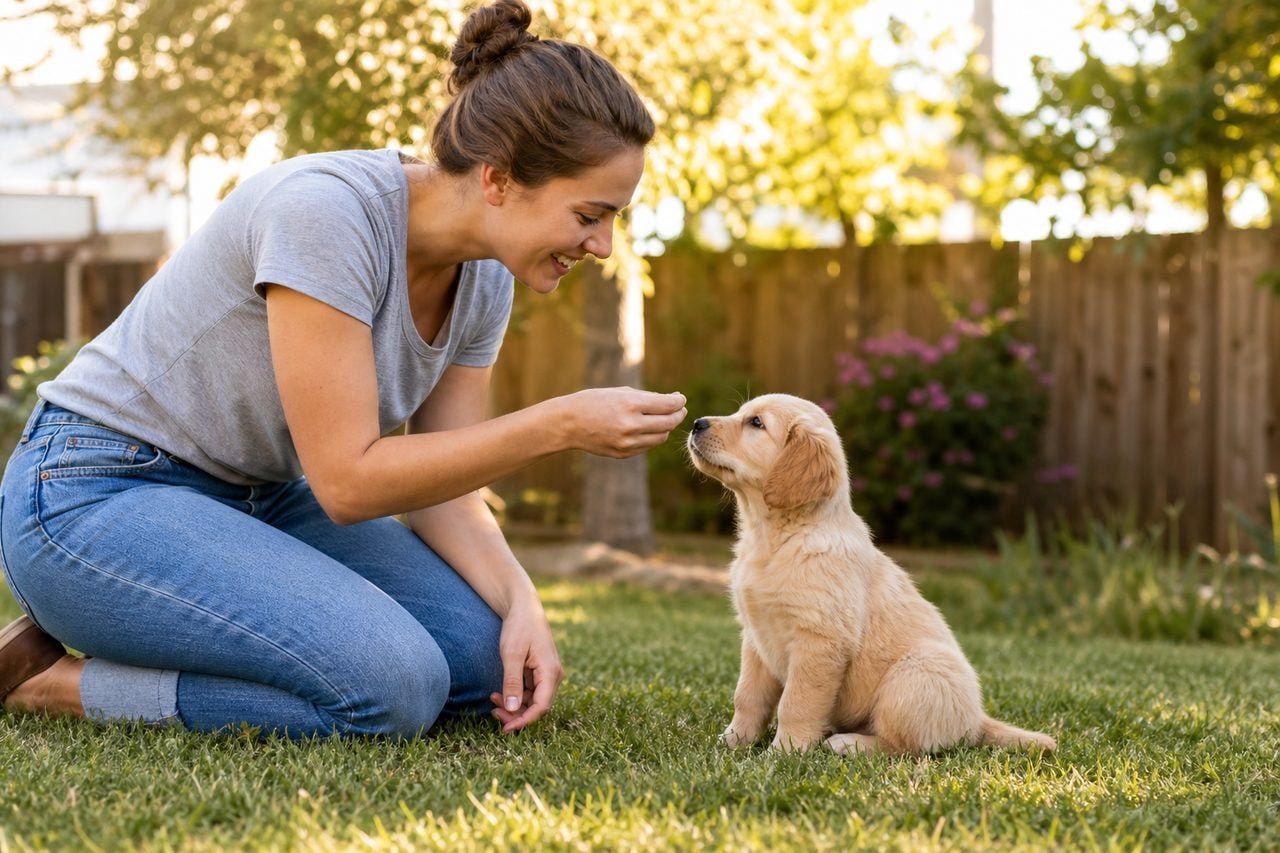
Few cities socialize a puppy as naturally as Philadelphia — and few demand it as urgently. From the moment a young dog steps onto a Fishtown sidewalk, it meets a parade of the world: cyclists threading between parked cars, neighbors chatting on stoops, the hiss and lurch of a SEPTA bus, a toddler in a stroller, the clang of a recycling truck. For a confident adult dog, all of this is background noise. For a puppy in its critical socialization window, every encounter is a lesson that will either build ease or seed fear. The density that makes Philadelphia overwhelming is also exactly what makes it the best possible socialization classroom — if you approach it deliberately.
Socialization is not the same as training, and it is not simply “letting your puppy meet everyone.” It is the careful, positive introduction of a young dog to the sights, sounds, surfaces, people, and animals it will live among, all before roughly sixteen weeks of age when the brain is most open to forming lasting associations. In a region that spans dense rowhouse blocks in South Philly, leafy Main Line streets in Wayne and Villanova, and wide suburban neighborhoods across Bucks and Chester counties, what your puppy needs to be comfortable with varies enormously by where you live and where you plan to go.
This guide lays out a Philadelphia-specific socialization plan — how to expose your puppy safely before vaccinations are complete, which urban experiences matter most, how to read your dog’s body language so you never flood it, and how to keep building social confidence through cold winters and crowded summers. Done well, the payoff is a dog that rides the El calmly, naps through a Center City brunch, and greets a Chestnut Hill neighbor with a wag instead of a cower. Author: GetDogSchool Editorial Team.
What Socialization Really Means For A City Dog
Socialization is often misunderstood as forcing a puppy to greet every dog and person it sees. In truth it is the opposite: a structured series of positive, low-stress exposures that teach a young dog the world is safe and predictable. For a Philadelphia puppy, the “world” is dense and loud, so the work is both more important and more delicate.
- Exposure, not flooding: the goal is a relaxed puppy, not an overwhelmed one.
- Quality over quantity: ten calm encounters beat fifty frantic ones.
- Optional greetings: watching a crowd from a distance counts — not every person needs to pet your puppy.
- Recovery matters: a puppy that briefly startles, then recovers and re-engages, is learning resilience.
Think of yourself as your puppy’s advocate on a crowded sidewalk. Your job is to control the pace, keep encounters good, and step away before things tip into fear. That mindset turns Philadelphia’s intensity into an asset rather than a liability.
Safe Exposure Before Vaccinations Are Complete
The cruel timing of puppyhood is that the socialization window closes around sixteen weeks — before the full vaccine series is done. Waiting until your puppy is fully protected can mean missing the window entirely. The solution is careful, lower-risk exposure rather than total isolation.
- Carry your puppy through busy areas like Reading Terminal’s surroundings or a crowded Old City corner so it sees the city without touching contaminated ground.
- Choose clean surfaces: a friend’s home, your own stoop, or a controlled class with vaccinated puppies.
- Invite the world in: have visitors of different ages, hats, and uniforms come to you.
- Skip high-traffic dog parks until your vet clears full access.
Ask your veterinarian about local disease risk and the right balance for your puppy. A well-run puppy class that requires proof of age-appropriate vaccination is one of the safest socialization venues during these weeks, combining clean conditions with supervised play.
The Urban Sounds And Sights Checklist
Philadelphia bombards a puppy with stimuli that suburban dogs may never face. Deliberately working through a checklist of city experiences during the socialization window prevents the noise sensitivities and reactivity that are so hard to fix later.
- Transit: the rumble and brakes of SEPTA buses, trolleys, and the El platform.
- Wheels: skateboards, scooters, strollers, bikes, and delivery carts whizzing past.
- People variety: umbrellas, canes, hi-vis vests, hoods, sunglasses, and big groups.
- City sounds: sirens, construction, trash trucks, and the bustle of a farmers market.
Pair each new sight or sound with something good — a treat, a calm voice, a moment of play. Start at a distance where your puppy notices but stays relaxed, then close the gap over days. A South Philly puppy that learns garbage-truck mornings are just part of life grows into a wonderfully unflappable adult.
Meeting People, Kids, And Other Dogs
Introductions to people and dogs are the heart of socialization, but they must stay positive and optional. A bad early greeting — a child grabbing too hard, a pushy adult dog — can leave a lasting mark, so curation matters more than volume.
- Let your puppy approach: never drag it toward a person or dog; allow it to choose.
- Coach kids: gentle hands, quiet voices, and no hugging or cornering.
- Pick calm dog friends: a known, vaccinated, easygoing adult or playmate beats a chaotic group.
- End on a high note: stop while the puppy is still having fun.
On the Main Line or in a Bucks County cul-de-sac you may need to seek out social opportunities, while in Center City the challenge is filtering out the pushy ones. Either way, your puppy should leave every encounter thinking people and dogs are good news — that belief is the bedrock of an easygoing adult dog.
Reading Your Puppy’s Body Language
The single most important socialization skill is learning to read your puppy. A young dog rarely says “I’m scared” in words, but its body speaks clearly — and ignoring those signals turns a learning moment into a fear lesson.
- Loose and wiggly — soft body, relaxed mouth, curious approach — means keep going.
- Tucked tail, ears back, lip-licking, yawning, or freezing means dial it back now.
- Trying to retreat is a clear request for space — honor it.
- Refusing treats a puppy normally loves signals stress, not stubbornness.
When you see stress signs, calmly create distance and let your puppy reset before trying again, easier and slower. The crowded Philadelphia sidewalk rewards owners who watch their dog, not their phone. A puppy whose signals are consistently respected learns that you will keep it safe — and that trust makes every future exposure go better.
Socializing Through Philadelphia’s Seasons
Socialization doesn’t pause for weather, but Philadelphia’s cold, snowy winters and humid summers change how you do it. A puppy that only experiences the city in mild weather can be thrown by its first snowstorm or first sweltering July afternoon.
- Winter exposure: introduce snow, ice underfoot, boots, jackets, and the muffled quiet after a storm gradually.
- Salt safety: rinse paws after walks and watch for limping on icy salted blocks.
- Summer timing: socialize in the cool of morning or evening to avoid hot pavement.
- Indoor venues: use dog-friendly shops and classes when extreme weather limits outdoor time.
The aim is a dog that takes every season in stride — comfortable padding through January slush on a Manayunk hill and equally relaxed lounging on a shaded Fairmount Park blanket in August. Year-round, weather-varied exposure produces the steadiest, most adaptable city dog.
When Early Socialization Has Gaps
Not every puppy gets a perfect start — some are adopted past sixteen weeks, some came from isolated conditions, and some simply missed key experiences. The window narrowing does not mean the door is shut; it means the work takes more patience and care.
- Go slower: an under-socialized dog needs smaller steps and more distance from triggers.
- Use counter-conditioning: pair the scary thing — a passing bus, a stranger — with high-value food, repeatedly.
- Avoid flooding: forcing an anxious dog into the thick of it usually backfires.
- Seek qualified help early if you see real fear or reactivity rather than mild caution.
Many adult Philadelphia dogs who started behind become confident city companions with consistent, gentle work. The key is honest assessment: address gaps deliberately rather than hoping a fearful dog will “get used to it,” which on a stimulating city block often makes things worse, not better.
Reviewed Puppy Socialization Trainers in Philadelphia
These reviewed Philadelphia-area trainers from our directory handle puppy socialization. Each links to a full profile with specialties, certified credentials, reviews, and contact info:
- At Attention Dog Training — 5.0★ (469 reviews)
- The Ruff House Dog Center Ltd. — 5.0★ (165 reviews)
- Dog Gone Good Dog Training — 5.0★ (134 reviews)
- In Us They Trust, LLC — 5.0★ (126 reviews)
- Cappuccino Dog Training Inc. — 5.0★ (109 reviews)
- Raise Your Right Paw Dog Training — 5.0★ (94 reviews)
- Dog Training Elite of Main Line — 5.0★ (79 reviews)
- Tuff Pup Training — 5.0★ (62 reviews)
- Titan K9 Dog Training — 5.0★ (55 reviews)
- Philly Unleashed University — 5.0★ (54 reviews)
See all Philadelphia puppy socialization trainers →
Frequently Asked Questions
At what age should puppy socialization happen?
The prime socialization window runs from roughly three to sixteen weeks, when a puppy’s brain is most open to forming lasting positive associations. Begin as soon as your puppy comes home with careful, low-risk exposures. After sixteen weeks socialization still matters, but it takes more time and patience because the most receptive period has begun to close.
How can I socialize my puppy safely before vaccinations are finished?
Carry your puppy through busy streets so it experiences city life without touching contaminated ground, host visitors of different ages and appearances at home, and use clean settings like a friend’s house or a well-run puppy class that requires age-appropriate vaccination. Avoid high-traffic dog parks until your vet clears full access, and ask your veterinarian about local disease risk.
Does my puppy need to meet every dog and person we see?
No. Good socialization is about positive, optional exposure, not forced greetings. Watching the world from a comfortable distance is valuable on its own. Let your puppy choose whether to approach, keep encounters calm and brief, and never drag it toward a person or dog. Quality and your puppy’s comfort matter far more than the number of interactions.
What city experiences are most important for a Philadelphia puppy?
Focus on transit noise from SEPTA buses, trolleys, and the El; wheeled objects like skateboards, bikes, and strollers; people in hats, uniforms, and sunglasses; and city sounds such as sirens, trash trucks, and construction. Pairing each of these with treats during the socialization window prevents the noise and movement sensitivities that are common in city dogs.
How do I know if my puppy is stressed during socialization?
Watch the body language. A tucked tail, ears pinned back, lip-licking, yawning, freezing, trying to retreat, or refusing treats it normally loves all signal stress. When you see these, calmly create distance and let your puppy reset before trying again more slowly. A loose, wiggly, curious body means you can continue.
Can I still socialize an older puppy or rescue dog?
Yes, though it requires more patience. For dogs adopted past the prime window or from isolated backgrounds, go slower, keep more distance from triggers, and use counter-conditioning to pair scary things with high-value food. Avoid flooding an anxious dog, and seek qualified professional help early if you notice genuine fear or reactivity rather than mild caution.
Related: read our complete puppy socialization guide or the full Philadelphia dog training overview.
Ready to find the right puppy socialization pro in Philadelphia?