
Board & Train in Philadelphia, PA
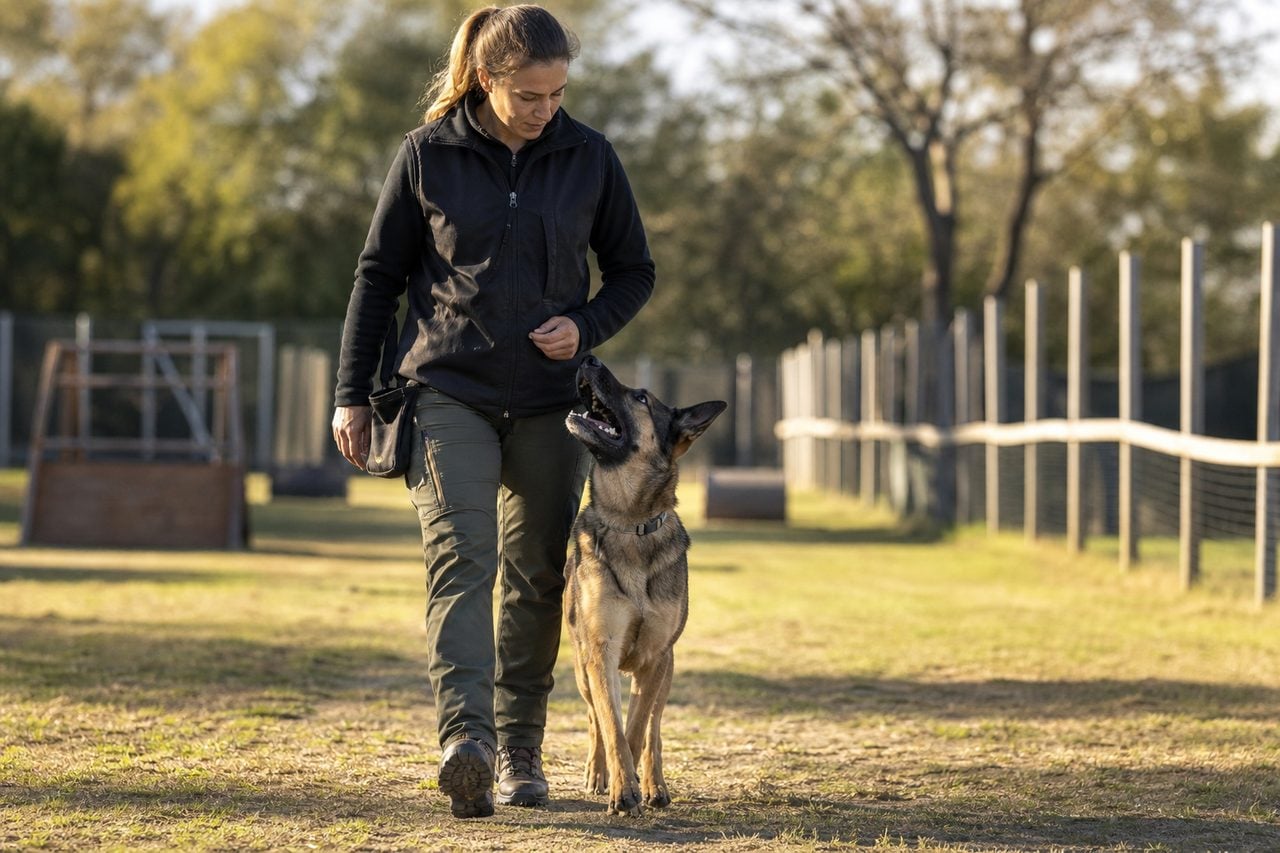
Board & train sends your dog to live with a professional trainer for a set stretch — usually one to four weeks — so the dog learns new habits inside a controlled, consistent environment before coming home. In a city like Philadelphia, where so many dogs live on narrow rowhouse blocks in Fishtown, South Philly, or Queen Village, the appeal is obvious: it’s hard to rehearse calm leash manners or a rock-solid recall when your only practice ground is a busy stoop, a slim sidewalk, and a steady stream of SEPTA buses rumbling past. A residential program lets a trainer build foundations in a quieter, more predictable setting, then hand those foundations back to you.
Philadelphia owners reach for board & train for a few recurring reasons. Some commute downtown to Center City or out to King of Prussia and simply can’t commit to daily homework during a critical training window. Others have adopted a young, under-socialized dog — common after a move into the dense River Wards — and want a faster head start than a once-a-week class can give. And plenty of Main Line and Bucks County households with bigger yards still struggle with the specific skills city visits demand: settling at an Old City cafe, ignoring squirrels on the Wissahickon’s Forbidden Drive, or holding a stay while neighbors pass on a Manayunk hill.
The honest tradeoff is this: board & train can compress weeks of progress into a focused stay, but the dog comes back to your world — your block, your routine, your guests. The real value lives in the transfer. A strong Philadelphia program treats your handoff lessons as the main event, not an afterthought, and keeps coaching you through the messy first weeks at home. This guide walks through how board & train works, what to ask local programs, realistic timelines and cost ranges, and how to make the skills stick once your dog is back on the block.
What Board & Train Actually Means
Board & train is a residential program: your dog stays overnight with a trainer or at a training facility and works through a structured curriculum every day. It is distinct from daytime-only intensives — the dog sleeps, eats, and decompresses in the training environment, so the trainer can shape full-day routines, not just isolated lessons.
- In-home/trainer’s-home model: Your dog lives in the trainer’s house, learning real household manners — settling on a mat, door manners, calm crating. Often a better fit for Philadelphia pets headed back to a quiet rowhouse.
- Facility model: The dog stays at a dedicated training center with kennels and structured turnout. Typically more dogs on site and a more standardized schedule.
- Hybrid: Some Montgomery and Chester County programs blend residential days with weekend transfer sessions so you stay involved.
Whatever the model, the dog should be getting daily skill work, rest, enrichment, and decompression — not just boarding with a few drills tacked on. Ask exactly how many active training sessions per day your dog will receive.
Board & Train vs. Day Programs and Group Classes
It helps to see where residential training sits among the options Philadelphia owners weigh. Each has a place depending on your schedule, your dog, and how much homework you can realistically do.
- Group classes: The most affordable path, great for socialization and basics, but progress depends entirely on your week-to-week practice on your own block.
- Private lessons: Customized and owner-driven; you do the training with a coach guiding you. Strong for behavior nuance, slower for busy schedules.
- Day “boot camp”: An intensive daytime drop-off — the dog comes home each night, so you stay in the daily loop but skip overnight care.
- Board & train: The most hands-off for the owner during the stay, the fastest concentrated progress, and the most reliant on a good transfer process at the end.
For a Center City professional juggling a downtown commute, board & train can buy back time. For a hands-on Mount Airy owner who enjoys training, private lessons may deliver more durable results for less money.
Choosing a Program in the Philadelphia Area
Because your dog will live with someone else, vetting matters more here than for any drop-in class. Visit before you commit, and treat the facility tour as non-negotiable.
- See where dogs sleep and rest: Clean, climate-controlled space matters in Philadelphia’s humid summers and cold, snowy winters.
- Ask about methods: Favor programs that lead with reward-based, force-free or balanced-with-clear-limits approaches and can explain why they use a given tool. Be cautious of anyone promising guaranteed results.
- Daily updates: Good programs send photos, videos, or short notes so you see progress, not a black box.
- Transfer plan in writing: Confirm how many handoff lessons are included and whether follow-up support extends after pickup.
Location is practical too: a program near your corridor — the Main Line, Doylestown in Bucks, Media in Delaware County — makes drop-off, transfer visits, and any return tune-ups far easier to keep.
A Typical Board & Train Day
Structure is the whole point of residential training. A well-run day balances focused learning with the rest a dog needs to consolidate it. While every program differs, a representative schedule looks something like this.
- Morning: Potty, calm feeding routine, then a focused obedience session — leash work, place/stay, recall foundations.
- Midday: Decompression and rest in a crate or quiet space; dogs learn faster when not overworked.
- Afternoon: A second skill session, often in a more distracting setting — a parking lot, a quiet street, or a park to mimic Philadelphia’s real-world chaos.
- Evening: Household manners practice, enrichment (puzzle feeders, sniff time), and settling before sleep.
Notice the rhythm: short, frequent sessions beat marathon drilling. If a program describes hours of nonstop training with little rest, that’s a red flag — fatigue undermines learning and can stress the dog.
Timeline, Cost Ranges, and Setting Expectations
Board & train is a significant investment, so go in with realistic numbers and outcomes. Pricing varies widely by program length, model, and the trainer’s experience, so treat any figure as a range to confirm directly.
- Length: Two weeks is common for manners and obedience tune-ups; three to four weeks for deeper behavior work or reactivity foundations.
- Cost: Philadelphia-area programs commonly run in the low-to-mid four figures for a two-to-three-week stay, with longer or specialized programs higher. Always confirm what’s included.
- What “done” means: Expect a dog who knows the skills with the trainer — not a finished dog who never needs reinforcement. The polish happens at home.
Beware guarantees of permanent results. Behavior is maintained, not cured. The fair promise is solid foundations plus a clear plan for you to keep them sharp on your own streets.
Bringing the Skills Home to Your Block
The transfer phase is where board & train succeeds or fails. Your dog learned in the trainer’s environment; now you have to become the person who cues, rewards, and enforces those skills in your environment — a different person, a different home, a different street.
- Attend every handoff lesson: Learn the exact cues, marker words, and rewards the trainer used. Consistency in language is what carries the dog over.
- Recreate the structure: Keep the feeding, crating, and exercise rhythm the program established, at least at first.
- Generalize gradually: Practice on your quiet side street before testing skills outside a busy South Street cafe or on a crowded Wissahickon trailhead.
- Keep practicing: Five focused minutes a day beats one long weekly session. Skills fade without reinforcement.
Choose a program that supports you through these weeks — follow-up visits, calls, or a refresher session — because the first month home is where lasting change is won or lost.
Is Board & Train Right for Your Dog?
Residential training is a strong tool, but it isn’t the answer for every dog or every household. Matching the method to your situation saves money and frustration.
- Good fit: Busy owners in a critical training window, dogs needing concentrated foundations, or households where daily practice simply isn’t feasible right now.
- Think twice: Very young puppies who benefit most from owner-led socialization, dogs with serious anxiety who may struggle with a new environment, or complex aggression cases that need an assessment-first behavior plan.
- Owner willingness: If you won’t do the transfer work and ongoing reinforcement, even the best program won’t hold.
For many Philadelphia families, the sweet spot is a residential program followed by private follow-ups. If you’re unsure, a single consultation with a local trainer can tell you whether your goals are better served by board & train, a day program, or a series of private lessons.
Reviewed Board & Train Trainers in Philadelphia
These reviewed Philadelphia-area trainers from our directory handle board & train. Each links to a full profile with specialties, certified credentials, reviews, and contact info:
- STAT K9 Training — 5.0★ (162 reviews)
- Cappuccino Dog Training Inc. — 5.0★ (109 reviews)
- Katz Dogs K9 — 5.0★ (90 reviews)
- Titan K9 Dog Training — 5.0★ (55 reviews)
- Philly Unleashed University — 5.0★ (54 reviews)
- Tri-Dog Solutions: Dog Training + Human Coaching — 5.0★ (40 reviews)
- REHAB Dog Training LLC — 5.0★ (36 reviews)
- Purposeful Canines LLC — 5.0★ (29 reviews)
- Rob’s Boarding and Training — 5.0★ (25 reviews)
- Man & His Mutt — 5.0★ (22 reviews)
See all Philadelphia board & train trainers →
Frequently Asked Questions
How long does a board & train program usually last?
Most Philadelphia-area programs run two to four weeks. Two weeks suits manners and obedience refreshers; three to four weeks fits deeper behavior work or building reactivity foundations. Longer stays aren’t automatically better — what matters is the daily training quality and the transfer plan at the end.
Will my dog forget the training once they come home?
Skills fade without reinforcement, which is why the handoff phase is so important. Your dog learned with a trainer in a controlled setting; you need to learn the same cues and keep practicing on your own block. Programs that include transfer lessons and follow-up support give you the best shot at lasting results.
How much does board & train cost in the Philadelphia area?
Costs vary widely by program length, model, and trainer experience, but two-to-three-week residential programs commonly fall in the low-to-mid four figures. Always confirm exactly what’s included — number of daily sessions, transfer lessons, and any post-pickup support — rather than comparing headline prices alone.
Can I visit my dog during the stay?
Policies differ. Some trainers prefer limited visits early on so the dog settles and bonds with the handler, then bring you in for transfer lessons. Others welcome scheduled check-ins. Ask up front, and look for programs that send regular photo or video updates so you can follow progress either way.
Is board & train better than private lessons?
Neither is universally better — it depends on you. Board & train suits busy owners who can’t do daily homework during a key window. Private lessons suit hands-on owners who enjoy training and want to build the relationship themselves, often at lower cost. Many people combine the two: a residential stay followed by private follow-ups.
What should I look for when touring a facility?
Tour before committing. Check that sleeping and rest areas are clean and climate-controlled — important through Philadelphia’s humid summers and cold winters. Ask how many active training sessions your dog gets daily, what methods are used and why, and exactly what the transfer and follow-up plan includes. Be wary of any program promising guaranteed, permanent results.
Related: read our complete board & train guide or the full Philadelphia dog training overview.
Ready to find the right board & train pro in Philadelphia?