
Puppy Socialization in Lancaster, PA
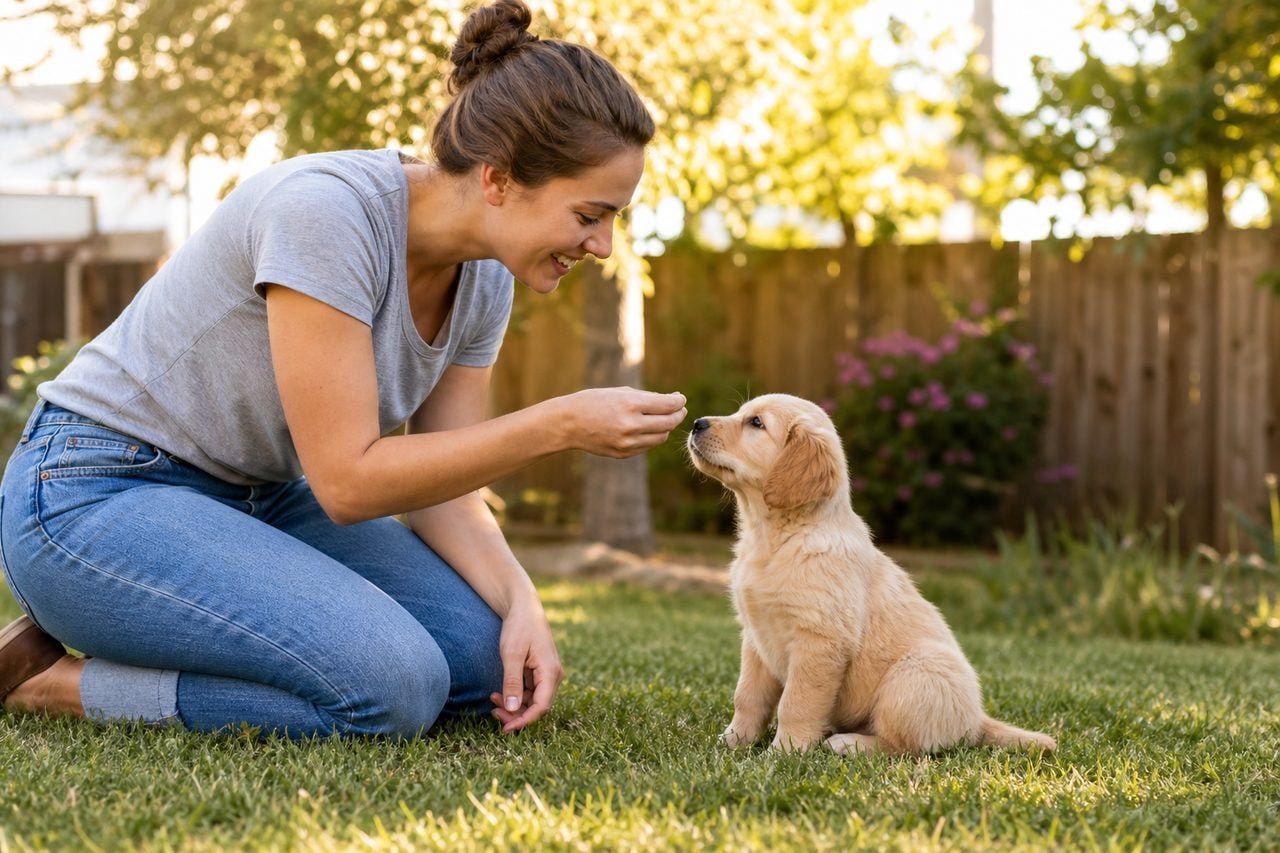
Socialization is the quiet work that determines whether your puppy grows into a confident, easygoing companion or an anxious dog that flinches at every new thing. In Lancaster County, the stakes are a little higher and the opportunities a little richer than in most places. A puppy raised here will encounter horse-drawn buggies on rural roads near Intercourse and Strasburg, the crowds and noise of Central Market on a Saturday, livestock and tractors on neighboring farms, tourists snapping photos in the boroughs, and the deep quiet of a snowed-in winter out toward Manheim and Ephrata. Each of those is a chance to teach your puppy that the world is safe — or, if handled poorly, a chance to plant a lasting fear that you will spend years undoing.
Good socialization is not about exposing your puppy to as much as possible as fast as possible. It is about thoughtful, positive introductions during the critical window that runs roughly from three to sixteen weeks of age, paced carefully to your individual puppy’s comfort level. A confident puppy that meets new things calmly today becomes the adult dog you can take anywhere — from a Lititz coffee shop patio to a busy sidewalk downtown, from a quiet section of the Northwest Lancaster County River Trail to a friend’s farm — without drama. The work you put in now is some of the highest-return effort you will ever spend on your dog.
This guide walks Lancaster-area families through what socialization really means beyond just meeting other dogs, why the early window matters so much, how to do it safely before your puppy is fully vaccinated, the specific local experiences worth seeking out, how to read your puppy’s body language so you never push too hard, the common mistakes that quietly undo good work, and how to keep socialization going through the tricky adolescent months. Whether you live on acreage near Mount Joy or in a Columbia rowhome, the principles are the same: calm, positive, and paced to the dog in front of you.
What Socialization Actually Means
Many owners think socialization just means meeting other dogs. It is far broader than that. True socialization is the process of teaching a puppy that the full range of normal life — sights, sounds, surfaces, people, animals, and handling — is nothing to fear. The aim is a dog that notices something new and shrugs it off rather than panicking.
- People of all kinds: different ages, sizes, hats, beards, uniforms, and walking aids.
- Surfaces and environments: gravel farm lanes, slick shop floors, metal grates downtown, wobbly surfaces.
- Sounds: traffic, farm machinery, thunderstorms, vacuum cleaners, fireworks at a distance.
- Handling: gentle touching of paws, ears, and mouth so vet and grooming visits go smoothly.
The key word throughout is positive. Exposure alone is not socialization — a puppy overwhelmed at a loud festival may come away more fearful, not less. Pair each new experience with food, praise, and the freedom to retreat. The puppy should leave thinking “that was fine,” not “I survived that.”
The Critical Window You Cannot Get Back
Between roughly three and sixteen weeks of age, a puppy’s brain is unusually open to forming positive associations. Experiences during this period carry outsized weight for the rest of the dog’s life. Miss it, and remedial work later is slower and harder.
- Start at home: even before vaccinations are complete, you can expose your puppy to household sounds, surfaces, and gentle handling safely.
- Bridge the vaccine gap: ask your vet which outings are safe. Carrying your puppy through a quiet shop or sitting on a porch watching the street counts without disease risk.
- Aim for variety, not volume: a few new positive experiences each day beat one overwhelming outing per week.
- Keep a checklist: jot down what your puppy has met — buggies, children, umbrellas, stairs — so you can fill gaps deliberately.
This window is genuinely time-limited. A Lancaster puppy that never sees a buggy or hears farm equipment before sixteen weeks may treat both as threats later. Be intentional now, because you cannot rewind the calendar.
Safe Socialization Before Full Vaccination
The classic dilemma: the socialization window opens before your puppy finishes its vaccine series, but you cannot ignore disease risk. The answer is not to wait — it is to socialize smartly in lower-risk ways while the immunity catches up.
- Use your arms and a blanket: carry your puppy through Lititz or downtown Lancaster so it experiences crowds and noise without paws on contaminated ground.
- Invite the world in: have a steady stream of healthy, vaccinated friends and family visit your home.
- Host calm dog meetups: arrange playdates with a friend’s known, healthy, vaccinated dog in your own yard rather than a public dog park.
- Watch from the car or porch: a parked car near a busy lot or a front porch on a quiet street offers safe people-watching.
Avoid high-traffic dog areas like public parks and pet-store floors until your vet gives the all-clear. With a little creativity, you can pack in plenty of positive experiences during the critical window while keeping your puppy’s health protected. Talk to your veterinarian about the right balance for your specific puppy.
Lancaster Experiences Worth Seeking Out
Living in Lancaster County gives you a built-in socialization curriculum that owners elsewhere would envy. The trick is to introduce these experiences deliberately and positively rather than stumbling into them.
- Horse-drawn buggies: a defining local sight. Watch from a calm distance on a quiet road and feed treats as one passes.
- Farm life: the sounds and smells of livestock, tractors, and barns are everyday realities — great desensitization when paired with rewards.
- Town sidewalks: the boroughs of Lititz, Strasburg, and Ephrata offer walkable, dog-friendly streets with manageable foot traffic.
- Outdoor trails: a quiet section of the Enola Low Grade Trail or Lancaster County Central Park exposes a puppy to joggers, cyclists, and other dogs at a distance.
Tourist-heavy spots can be wonderful or overwhelming depending on timing. Visit on a weekday morning rather than a packed Saturday so your puppy gets stimulation without being swamped. Always let the dog set the pace — if it wants to watch the buggies from across the road, that is a successful outing.
Reading Your Puppy's Body Language
The most important socialization skill is not exposing your puppy — it is knowing when to stop. Puppies cannot tell you in words that they are scared, but their bodies speak clearly if you learn to read them.
- Comfortable signs: loose wiggly body, soft eyes, willingness to take treats, curiosity about the new thing.
- Stress signs: tucked tail, flattened ears, lip licking, yawning out of context, freezing, or refusing food.
- Shut-down signs: a puppy that goes still and silent is not “being good” — it is overwhelmed and learning that the world is scary.
When you see stress signals, your job is to add distance and lower the intensity, not to push through. A puppy that refuses a high-value treat it normally loves is telling you it is over threshold. Respect that. Forcing a frightened puppy into a scary situation — a tactic sometimes called flooding — tends to deepen fear rather than cure it. Always leave a little room for your puppy to choose to engage on its own terms.
Common Socialization Mistakes To Avoid
Well-meaning owners often undermine socialization without realizing it. Knowing the common pitfalls helps you sidestep them and protect the work you are putting in.
- Doing too much too fast: a marathon day of new experiences exhausts a puppy and can backfire into fear.
- Comforting fear the wrong way: letting your puppy approach a scary thing only when calm is better than dragging it forward.
- Skipping handling practice: puppies that never have their paws or ears touched gently often struggle at the vet and groomer later.
- Assuming farm dogs socialize themselves: a puppy raised on rural acreage still needs deliberate exposure to crowds and town life, or it may fear them as an adult.
Another frequent error is waiting until the vaccine series is fully complete before doing any socialization at all — by then the most valuable window has often closed. Balance health and exposure with your vet’s guidance instead of pausing entirely. Thoughtful, paced socialization is one of the highest-return investments you will ever make in your dog.
Keeping Socialization Going Past Sixteen Weeks
The critical window may close around sixteen weeks, but socialization is not a box you check once. Adolescent dogs — roughly six to eighteen months — can backslide if the positive exposure stops. Lancaster’s changing seasons make ongoing effort easy if you plan for it.
- Keep showing up: regular calm outings to town, trails, and dog-friendly spots maintain confidence.
- Refresh weak spots: if your puppy was nervous about something at twelve weeks, revisit it gently at six and twelve months.
- Adjust for seasons: winter limits outdoor time, so use indoor-friendly exposure — visitors, errands, new rooms — to fill the gap.
- Expect adolescent wobbles: a confident puppy may suddenly act spooky in the teenage phase. Stay calm, keep experiences positive, and it usually passes.
Think of socialization as a habit you build into your dog’s whole life rather than a puppyhood project with an end date. The dogs that stay relaxed and adaptable into old age are the ones whose owners never fully stopped introducing them to the world in a low-key, positive way.
Reviewed Puppy Socialization Trainers in Lancaster
These reviewed Lancaster-area trainers from our directory handle puppy socialization. Each links to a full profile with specialties, certified credentials, reviews, and contact info:
- Pups Unleashed — 5.0★ (33 reviews)
- Always Stay Pawsitive Dog Training, LLC — 5.0★ (18 reviews)
- Canine Compass LLC — 5.0★ (15 reviews)
- Tried and True Canines — 5.0★ (12 reviews)
- Magnus K9 — 5.0★ (11 reviews)
- The Structured K9 — 5.0★ (1 reviews)
- Ducey’s Dogs — 4.9★ (33 reviews)
- Kaye Ames People Training For Dogs — 4.6★ (62 reviews)
- Winsome Wags Dog Training LLC — 4.4★ (14 reviews)
- Faithful Companion Dog Training, LLC — 4.3★ (31 reviews)
See all Lancaster puppy socialization trainers →
Frequently Asked Questions
When is the best time to socialize my puppy?
The most important window runs roughly from three to sixteen weeks of age, when a puppy’s brain forms positive associations most easily. Start gentle, positive exposure as soon as you bring your puppy home, and keep socialization going through adolescence so the early progress does not fade.
Can I socialize my puppy before it is fully vaccinated?
Yes, with care. Carry your puppy through busy areas, host healthy vaccinated visitors at home, arrange playdates with a known healthy dog in your yard, and watch the world from a porch or car. Avoid public dog parks and pet-store floors until your vet clears your puppy. Ask your veterinarian about the right balance.
How do I help my puppy get used to horse-drawn buggies?
Watch from a calm, comfortable distance on a quiet road and feed high-value treats as a buggy passes. Never force your puppy closer. If it stays relaxed and eats, that is success. Over several positive exposures, most puppies learn that buggies and horses are simply part of normal Lancaster life.
What are the signs my puppy is overwhelmed?
Watch for a tucked tail, flattened ears, lip licking, out-of-context yawning, freezing, or refusing a treat it normally loves. A puppy that goes still and silent is not calm — it is shut down. When you see these signs, add distance and lower the intensity rather than pushing through.
Does socialization just mean meeting other dogs?
No. It is much broader: positive exposure to people of all kinds, surfaces, sounds, environments, and gentle handling. Dog-to-dog play matters, but a fully socialized dog is also comfortable with traffic, farm machinery, crowds, vet handling, and the everyday variety of Lancaster County life.
My puppy lives on a farm — is that enough socialization?
Not by itself. Rural acreage exposes a puppy to livestock and machinery, but it often misses crowds, town sidewalks, and varied people. A farm puppy still needs deliberate trips into the boroughs and other busy settings, or it may grow fearful of those things as an adult.
Related: read our complete puppy socialization guide or the full Lancaster dog training overview.
Ready to find the right puppy socialization pro in Lancaster?