
Puppy Socialization in York, PA
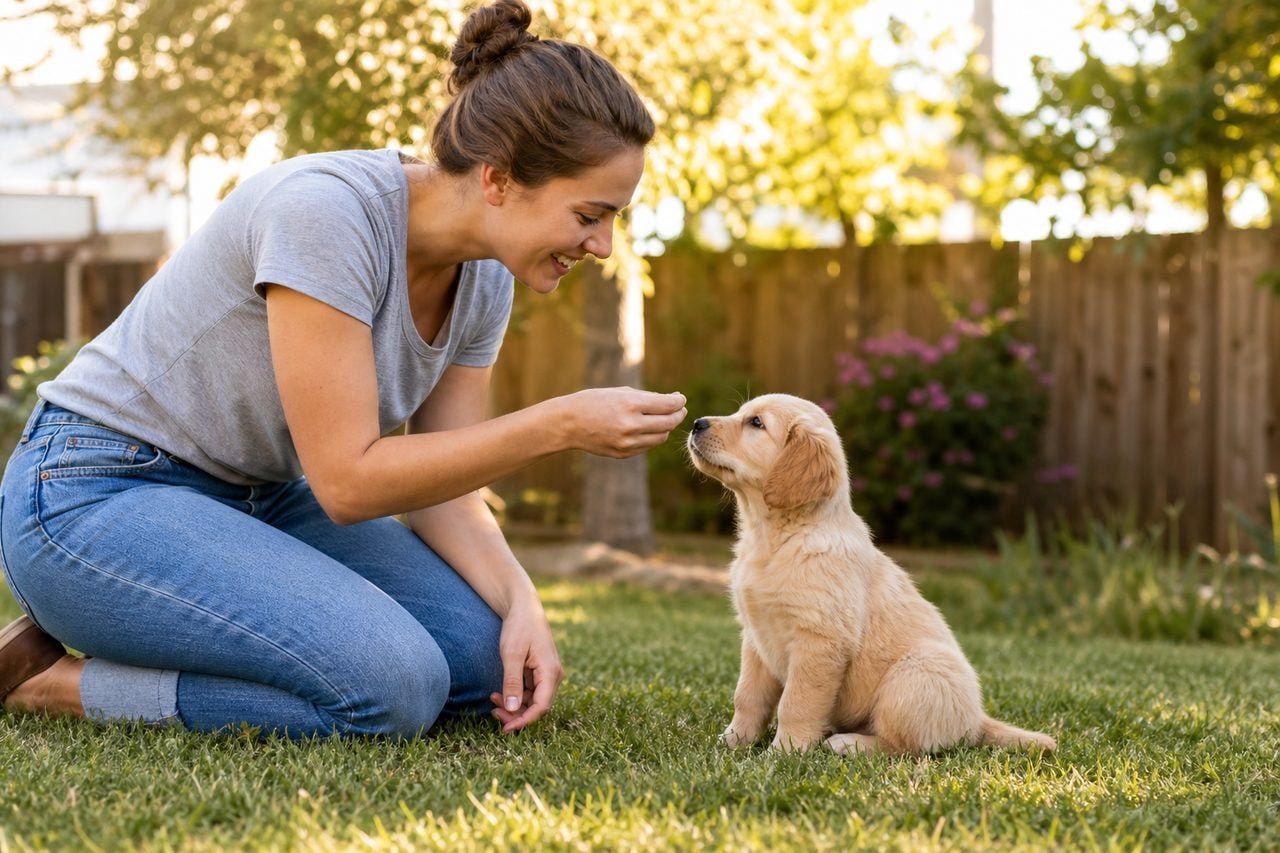
Socialization is the quiet work that decides whether your York puppy grows into a confident companion or a nervous one — and it happens on a clock most new owners do not realize is ticking. The prime socialization window closes around sixteen weeks, which means the few short weeks after you bring a puppy home are the most important of its whole life for shaping how it sees the world. In a place as varied as York County, with brick city blocks, snack-food factory towns, river crossings, and open Adams County farmland, there is no shortage of sights, sounds, and surfaces a puppy needs to meet calmly.
Done right, socialization is not about overwhelming a puppy with every possible experience. It is about positive, controlled exposure — letting a young dog encounter the rumble of a Harley-Davidson, the bustle near Central Market, snow underfoot, livestock across a Spring Grove fence, and friendly strangers in a way that builds confidence rather than fear. A puppy that learns the world is safe and interesting during these weeks tends to handle York’s seasons and surprises with an easy temperament for years to come.
This guide covers what York-area owners need to know: why the window matters, how to socialize safely before vaccinations are complete, the people and places worth prioritizing in our region, how to read your puppy’s body language, and how to keep building social confidence well past sixteen weeks. Whether you are downtown, in Hanover, out near Dillsburg, or along the Susquehanna, the goal is the same — a steady, well-adjusted dog who meets York’s world without flinching. The county hands you a ready-made curriculum if you use it: the brick and bustle of the city center, the trucks and tractors of Spring Grove snack-food country, the snow and ice of a long south-central winter, and the boats and wildlife of the river towns toward Wrightsville. Each is a lesson in disguise. A puppy that banks these experiences calmly during its first months grows into the kind of dog that takes the unexpected in stride for the rest of its life — and that early effort is far easier than repairing fear later on.
Why The Socialization Window Matters
Puppies move through a sensitive developmental period that runs roughly from three to sixteen weeks. During this window, new experiences are filed away as normal with relatively little fear. After it closes, novel things are more likely to be met with suspicion, and undoing that caution takes far more effort.
- Quality over quantity: A handful of calm, positive encounters beats a flood of overwhelming ones. Forced exposure can backfire.
- Variety counts: Different people, surfaces, sounds, and gentle dogs all teach the puppy that the world is wide and safe.
- Recovery is the goal: A startled puppy that bounces back quickly is learning resilience — that matters more than never being startled.
- The clock is real: Most of the work should happen before sixteen weeks, so do not wait for a class to begin gently at home.
For York families, this means front-loading socialization into the early weeks even when winter weather tempts you to stay indoors. A puppy that misses this window can still improve later, but the early effort is the single best investment you can make in its lifelong temperament.
Safe Socialization Before Full Vaccination
York owners face a real tension: the socialization window peaks before a puppy finishes its vaccine series, yet busy public spaces carry disease risk for the unprotected. The answer is not to lock the puppy away — it is to socialize smartly while managing exposure.
- Carry and observe: Hold your puppy at a distance to watch downtown traffic, the farmers market crowd, or kids playing, without setting paws on high-traffic ground.
- Choose clean settings: Friends’ healthy, vaccinated dogs in a private yard are safer than a public dog park during this stage.
- Vary your home: Different floor surfaces, the vacuum, doorbells, and household guests all count and carry no disease risk.
- Ask your vet: Confirm timing for each region’s risk before visiting busier spots.
Puppy classes that require proof of age-appropriate vaccination and clean facilities offer a controlled middle ground — structured exposure to other puppies without the open risk of a public park. The aim is steady, low-risk experiences that keep the socialization clock running while protecting your puppy’s health through York’s wetter, busier seasons.
People, Sounds, And Surfaces To Introduce
A well-socialized York puppy has met a deliberately wide cast of characters and conditions. The more variety it banks early, the fewer surprises rattle it later. Aim to introduce a little of everything, always paired with calm rewards.
- People of all kinds: Adults, children, people in hats or uniforms, folks using canes or wheelchairs, and people of different appearances.
- Everyday sounds: Traffic, the Harley plant’s rumble, fireworks recordings, thunder, vacuums, and kitchen clatter — played softly at first.
- Varied surfaces: Grass, gravel, brick sidewalks downtown, metal grates, snow, and wet leaves along the river.
- Handling: Touch paws, ears, and mouth gently so vet and grooming visits go smoothly.
Keep every introduction short and upbeat, and let the puppy approach at its own pace rather than forcing contact. South-central Pennsylvania’s seasons add natural variety — snow in winter, humid summer storms, autumn leaves on the Heritage Rail Trail. Use them. A puppy that has calmly experienced York’s full range of weather and texture grows into a dog that takes the unexpected in stride.
Best York Spots For Socializing A Puppy
Once your vet clears your puppy for broader outings, York County offers plenty of low-pressure places to build social confidence. Choose spots where you can control distance and leave easily if your puppy gets overwhelmed.
- County parks: John Rudy County Park and Nixon County Park offer open space and gentle foot traffic for early outings.
- Heritage Rail Trail County Park: A flat, predictable path from York toward the Maryland line, good for meeting walkers, cyclists, and other dogs at a distance.
- Quiet borough sidewalks: Red Lion, Dallastown, or Glen Rock streets give controlled exposure to town life without downtown’s intensity.
- Lake Redman and Lake Williams (Kain Park): Water, wildlife, and trails add new sights for a confident puppy.
- Pet-friendly storefronts: Many local shops welcome leashed, friendly dogs — ask first.
Start with the calmest option and work up to busier settings like downtown York or Codorus State Park near Hanover only once your puppy handles quieter places well. Always keep these trips positive; one bad scare can set socialization back, so end each outing before your puppy tips into stress.
Reading Your Puppy's Body Language
Successful socialization depends on knowing when your puppy is enjoying itself and when it is overwhelmed. Pushing a stressed puppy forward teaches fear, not confidence, so learning to read the signals is half the job.
- Relaxed and curious: Loose body, soft tail wag, willingness to explore and take treats — keep going.
- Mild stress: Lip licking, yawning, turning away, or refusing treats means ease off and add distance.
- Clear fear: Tucked tail, cowering, trembling, or trying to flee means end the encounter calmly and try again later, easier.
- Overarousal: Frantic, jumpy, can’t-settle behavior is its own form of being overwhelmed — give a break.
When your puppy shows stress, do not force it closer or scold it — simply create space and let it recover. A puppy that learns you will not push it into scary situations trusts you more and recovers faster over time. In a stimulating environment like downtown York or a crowded summer event, watch closely and be ready to leave; protecting your puppy from a bad experience is more valuable than completing any single outing.
Socializing Around Other Dogs Safely
Dog-to-dog socialization is where many owners overdo it, assuming more interaction is always better. In reality, a few good encounters with calm, friendly dogs teach far more than chaotic free-for-alls. Quality matters most.
- Pick the right partners: Healthy, vaccinated, well-mannered adult dogs are ideal teachers for a puppy.
- Skip busy dog parks early: Crowded parks risk both disease and a frightening encounter that sours your puppy on other dogs.
- Structured puppy classes: Supervised play with age-matched puppies in a York-area class offers safe, balanced practice.
- Watch the play: Good play has pauses and role-swapping; one-sided pinning or a puppy trying to escape means it is time to intervene.
If your puppy seems nervous around other dogs, slow down and keep encounters brief and positive rather than flooding it. York’s farm country also means your puppy may meet livestock and working dogs — introduce those calmly and on leash. The goal is a dog that is polite and relaxed around its own kind, not one that mobs every dog it sees on the rail trail.
Keeping Socialization Going Past Sixteen Weeks
The prime window closes around sixteen weeks, but socialization is not a one-and-done task. Skills that are not maintained can fade, and adolescence often brings a second wave of caution, so York owners should keep up gentle exposure well into the first year and beyond.
- Keep meeting the world: Continue introducing new people, places, and sounds at a relaxed pace through your dog’s teenage months.
- Expect a wobble: Many adolescents become temporarily wary of things they once accepted — calm, repeated exposure smooths it out.
- Rotate York settings: Alternate quiet trails, borough sidewalks, and busier spots so your dog stays comfortable everywhere.
- Reward calm: Keep pairing new experiences with praise and treats so the world stays a positive place.
Seasonal changes give built-in practice — a puppy socialized in summer should re-meet the winter version of York, snow and bundled-up strangers included. By treating socialization as an ongoing habit rather than a deadline, you raise a dog that handles south-central Pennsylvania’s full range of people, weather, and surprises with steady confidence throughout its life.
Reviewed Puppy Socialization Trainers in York
These reviewed York-area trainers from our directory handle puppy socialization. Each links to a full profile with specialties, certified credentials, reviews, and contact info:
- Modern Manners Dog Training — 5.0★ (28 reviews)
- Cold Creek Dog Training – Hagerstown, MD — 5.0★ (26 reviews)
- Raising the Woof Company & Coaching — 5.0★ (8 reviews)
- Bark 2 Beak Animal Training — 5.0★ (7 reviews)
- Shady Canine Academy — 5.0★ (4 reviews)
- Growing love dog training llc — 5.0★ (1 reviews)
- Knucklehead K9 Services LLC — 4.9★ (309 reviews)
- Gray House Dog Training — 4.9★ (17 reviews)
- Central Bark York — 4.8★ (142 reviews)
- Papillonia Dog Training Academy — 4.3★ (13 reviews)
See all York puppy socialization trainers →
Frequently Asked Questions
What is the ideal age to socialize a puppy?
The prime socialization window runs roughly from three to sixteen weeks, when puppies accept new experiences with little fear. Begin gentle, positive exposure as soon as your puppy comes home and concentrate the most effort before sixteen weeks — though socialization should continue, more gradually, well into the first year.
How do I socialize my puppy before it is fully vaccinated?
Socialize smartly rather than skipping it. Carry your puppy to observe traffic and crowds from a distance, host healthy vaccinated dogs in a private yard, and vary experiences at home with sounds, surfaces, and guests. Confirm timing and local risk with your vet, and favor clean puppy classes over public dog parks during this stage.
Where can I socialize my puppy in York County?
Good low-pressure options include John Rudy and Nixon County Parks, the Heritage Rail Trail, quiet borough sidewalks in Red Lion or Glen Rock, and Kain Park near Lake Redman. Start with the calmest setting and work up to busier places like downtown York or Codorus State Park only once your puppy is comfortable.
How do I know if my puppy is overwhelmed during socialization?
Watch body language. Lip licking, yawning, turning away, or refusing treats signals mild stress; a tucked tail, cowering, or trembling signals fear. When you see these, add distance and let your puppy recover rather than pushing it closer. Protecting your puppy from a scare matters more than finishing any outing.
Is the dog park a good place to socialize a young puppy?
Generally no, not for a young or unvaccinated puppy. Busy dog parks carry disease risk and the chance of a frightening encounter that can sour your puppy on other dogs. Controlled play with calm, vaccinated dogs you know, or a structured York-area puppy class, is far safer and more productive.
Can an older puppy or dog still be socialized?
Yes, though it takes more patience after the prime window closes. With gradual, positive exposure and careful attention to body language, older puppies and adult dogs can grow more confident over time. Progress is slower than during the early weeks, so go at the dog’s pace and consider professional guidance for fearful cases.
Related: read our complete puppy socialization guide or the full York dog training overview.
Ready to find the right puppy socialization pro in York?