
Puppy Socialization in Erie, PA
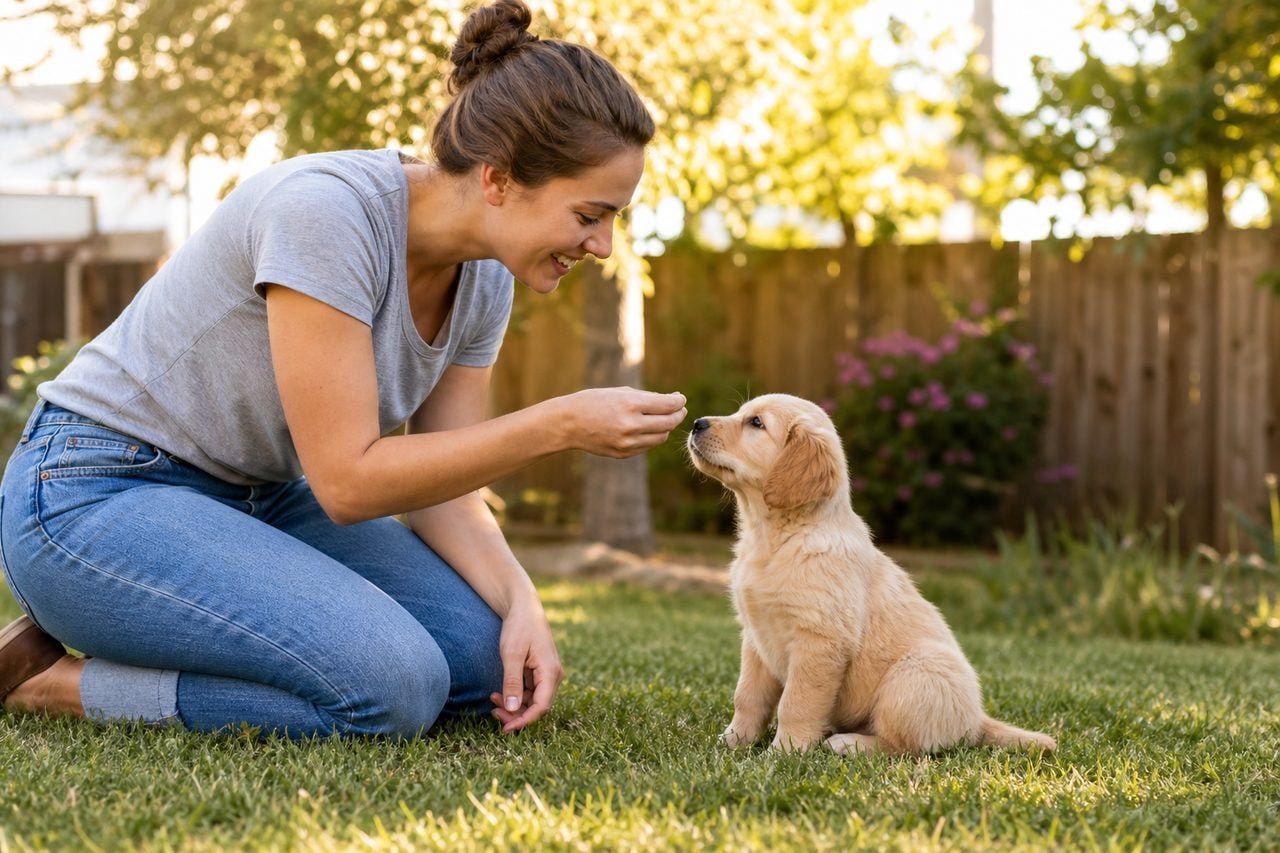
Socializing a puppy in Erie comes with a timing problem that owners in milder cities never face. The critical socialization window — roughly three to sixteen weeks, when a puppy’s brain is primed to accept new experiences as normal — frequently lands right in the middle of the Electric City’s famously heavy lake-effect winter. When your puppy most needs to meet the world, Erie may be buried under snow blowing off the lake, and your puppy may not yet be fully vaccinated. That combination makes a deliberate socialization plan more important here than almost anywhere else in Pennsylvania.
Socialization is not the same as training, and it is not simply "playing with other dogs." It means calm, positive exposure to the sights, sounds, surfaces, people, and situations your dog will encounter throughout life — snow underfoot, the rumble of a plow, kids bundled in winter coats, the crowds of a summer day at Presque Isle State Park. A well-socialized Erie dog takes the region’s dramatic seasonal swings in stride, from the quiet snowbound months to the busy bayfront summers.
This guide is built specifically for Erie’s climate and geography. Whether you live near Gannon University downtown, in a Millcreek suburb, out in the grape country toward North East, or on a rural road near Wattsburg, you’ll find a practical framework for getting the exposure your puppy needs — safely, and even when the snow won’t quit. Done right, these few weeks pay dividends for the dog’s entire life.
Because Erie’s geography ranges from a busy port city to quiet farm roads, the exposure a puppy gets by default varies wildly. A bayfront puppy hears traffic, plows, and crowds every day, while a rural puppy near Union City may meet almost no strangers all winter. This guide accounts for those differences so that, whatever your corner of Erie County, your puppy arrives at adulthood ready for the region’s full range of experiences — from the hush of a snowbound street to the buzz of a summer afternoon at Presque Isle.
What Puppy Socialization Really Means
Many Erie owners assume socialization just means letting puppies wrestle at a dog park. In truth, it’s a broader, gentler process of teaching a puppy that the world — in all its variety — is safe and predictable. The goal is a confident adult dog, not an overwhelmed one.
- People of all kinds: Different ages, sizes, voices, and yes, people bundled in Erie winter gear that changes their silhouette.
- Sounds: Snowplows, salt trucks, wind off the lake, doorbells, and household noise.
- Surfaces: Snow, ice, wet floors, stairs, grass, and sand — each feels different underfoot.
- Handling: Paw-wiping and towel-drying are constant in Erie, so make them routine and pleasant.
- Calm dog contact: Structured, positive encounters with healthy, vaccinated dogs.
The emphasis is always on quality over quantity. One good, relaxed experience builds far more confidence than a chaotic, frightening one. In fact, a single scary encounter during this window can create a lasting fear, so pacing and positivity matter more than checking off a long list.
The Critical Window and Erie's Winter Timing
The socialization window closes fast, and in Erie it often coincides with the deepest snow of the year. Understanding this timing helps you make the most of every safe opportunity rather than waiting for spring — by which point the window may already be shut.
- Three to sixteen weeks: This is when positive exposure has the greatest lifelong impact.
- Winter overlap: Many Erie puppies hit this window between November and March, the snowiest stretch.
- Vaccine gap: Full protection isn’t complete until later, so outdoor exposure carries some risk early on.
- Don’t wait it out: Skipping socialization until warm weather often means missing the window entirely.
The takeaway for Erie families is that you must actively create safe experiences indoors and in controlled settings rather than depending on spontaneous outdoor encounters. This is exactly why so many local trainers offer indoor winter puppy classes — they exist to solve this snowbelt timing problem. Treat the window as a countdown, and fill it deliberately.
Safe Socialization Before Full Vaccination
The biggest worry for Erie owners is exposing a partly-vaccinated puppy to illness. You can socialize safely by controlling the environment and the company your puppy keeps, which is entirely doable even in winter.
- Carry-and-observe outings: Hold your puppy while walking through low-traffic areas so it can watch and listen without touching risky ground.
- Home visitors: Invite a rotating cast of friendly, healthy people over to meet your puppy.
- Known dogs only: Arrange indoor playdates with dogs you know are vaccinated and healthy.
- Vet-run classes: Reputable indoor puppy classes require proof of vaccination from all attendees.
- Avoid high-risk spots: Skip communal areas and unknown-dog gathering places until vaccines are complete.
This controlled approach lets Erie puppies build confidence through the coldest months without unnecessary health risk. Once your veterinarian confirms full protection, you can gradually expand into busier public settings — a spring trip to Presque Isle becomes a reward for weeks of careful indoor groundwork rather than a risky first exposure.
Indoor Socialization Ideas for Snowy Days
When lake-effect snow keeps you homebound, your house becomes the socialization classroom. A surprising amount of valuable exposure happens indoors, and it costs nothing but your attention.
- Sound library: Play recordings of traffic, storms, fireworks, and crowds at low volume, pairing them with treats.
- Surface stations: Set out towels, a boot tray with a little snow, cardboard, and rugs to explore.
- Costume changes: Have family members wear hats, hoods, and bulky coats so winter silhouettes feel normal.
- Household objects: Introduce the vacuum, umbrella, and rolling suitcase at a distance, then closer.
- Gentle handling drills: Practice touching paws, ears, and mouth so vet and grooming visits go smoothly.
The trick is to keep every introduction upbeat and let the puppy approach at its own pace. Never force contact; instead, reward curiosity. These indoor experiences build a resilient foundation, so that when Erie finally thaws, your dog greets the busier world with interest rather than alarm. A snowed-in week is an opportunity, not a setback.
Socialization by Erie Neighborhood
Where you live in the Erie region shapes your socialization options, especially in winter when travel gets tricky. Match your plan to your surroundings for the best consistency.
- Erie City & the Bayfront: Urban living offers built-in exposure to people and sounds; carry-and-observe walks downtown work well.
- Millcreek & the Western Suburbs: Erie’s largest suburb has indoor class options and quieter streets for early outings.
- Harborcreek & the North East Lakeshore: Grape-country calm is great for confidence-building once weather allows.
- Edinboro & the Southern Tier: A university town brings varied foot traffic and campus-adjacent activity.
- Corry, Union City & the Rural Southeast: Rural puppies need extra intentional exposure to urban sights they rarely see.
- The Crawford County Edge: Meadville and Saegertown owners may travel south for classes when Erie roads are bad.
Rural owners in particular should plan deliberate trips into busier areas during weather windows, since their puppies won’t naturally encounter crowds, traffic, and city noise the way a bayfront dog does every day.
Reading Your Puppy's Body Language
Successful socialization depends on knowing when your puppy is enjoying an experience and when it’s overwhelmed. Pushing a nervous puppy backfires, so learning these signals is essential for Erie owners juggling limited, weather-dependent exposure.
- Confident signs: Loose body, wagging tail, curious approach, relaxed mouth.
- Stress signals: Tucked tail, lip-licking, yawning, freezing, or trying to retreat.
- Give space: If your puppy pulls back, let it observe from a comfortable distance.
- End on a high: Stop while things are still going well, not after a meltdown.
- Follow the puppy’s pace: Let curiosity lead rather than forcing contact.
Because Erie’s winter limits how many exposures you get, each one counts — and a scary experience can cost you more than a missed one. When you respect your puppy’s signals, you build trust, and a puppy that trusts you will venture further next time. That momentum is what carries a dog through the region’s dramatic shift from snowbound quiet to bustling summer lakeshore.
When to Get Professional Help
Some puppies need more than a home plan, and Erie has trainers who specialize in early development. Knowing when to bring in help — and what to look for — keeps small worries from becoming lasting problems.
- Persistent fear: If your puppy stays fearful despite gentle exposure, a professional can intervene early.
- Reactivity: Excessive barking or lunging at people or dogs warrants guidance.
- Winter class enrollment: Indoor puppy classes provide safe, structured socialization when the weather won’t cooperate.
- Method check: Choose reward-based trainers who prioritize your puppy’s comfort.
- Clear expectations: Ask about class size, vaccination requirements, and pricing ranges up front.
A good class does double duty: your puppy meets other dogs and people safely, and you learn to read and guide your dog. For Erie families, that indoor structure is often the most reliable way to cover the socialization window through the snowiest months. Invest early, and you’ll spend the dog’s whole life reaping the benefits of a calm, adaptable companion.
Reviewed Puppy Socialization Trainers in Erie
These reviewed Erie-area trainers from our directory handle puppy socialization. Each links to a full profile with specialties, certified credentials, reviews, and contact info:
- Something Els Dog School LLC Positive Reinforcement Dog Training — 5.0★ (142 reviews)
- Scholars in Collars Academy — 5.0★ (105 reviews)
- S.A.M.S. Dog Training Center — 4.8★ (34 reviews)
- Mud Puppies Self Serve Dog Wash
- Paws ‘n Claws – Erie
- Xcaliber
See all Erie puppy socialization trainers →
Frequently Asked Questions
What is the ideal age for puppy socialization?
The critical window runs from about three to sixteen weeks, when a puppy most readily accepts new experiences as normal. In Erie this often overlaps deep winter, so plan safe indoor exposure early rather than waiting for warmer weather.
How can I socialize my puppy during Erie's snowy winters?
Use indoor methods: carry-and-observe outings, home visitors, sound recordings, surface exploration, and vet-supervised indoor puppy classes. Have family wear bulky winter gear so your puppy accepts the changed silhouettes it will see everywhere in Erie.
Is it safe to socialize before my puppy is fully vaccinated?
Yes, with care. Carry your puppy through low-risk areas, arrange playdates only with known healthy vaccinated dogs, and attend classes that require proof of vaccination. Avoid communal, unknown-dog areas until your vet confirms full protection.
Is socialization the same as obedience training?
No. Socialization is positive exposure to people, sounds, surfaces, and situations so the world feels safe. Obedience is teaching specific cues. Both matter, but the socialization window closes early, so it should not be delayed for training.
How do I know if my puppy is stressed during socialization?
Watch for a tucked tail, lip-licking, yawning, freezing, or trying to retreat. If you see these, give your puppy space and let it observe from a comfortable distance. Always end each session while things are still going well.
Do rural Erie-area puppies need extra socialization?
Yes. Puppies from Corry, Union City, or Crawford County rarely encounter crowds, traffic, and city noise naturally. Owners should plan deliberate trips into busier areas like downtown Erie or Millcreek during weather windows to fill those gaps.
Related: read our complete puppy socialization guide or the full Erie dog training overview.
Ready to find the right puppy socialization pro in Erie?