
Puppy Socialization in Grand Rapids, MI
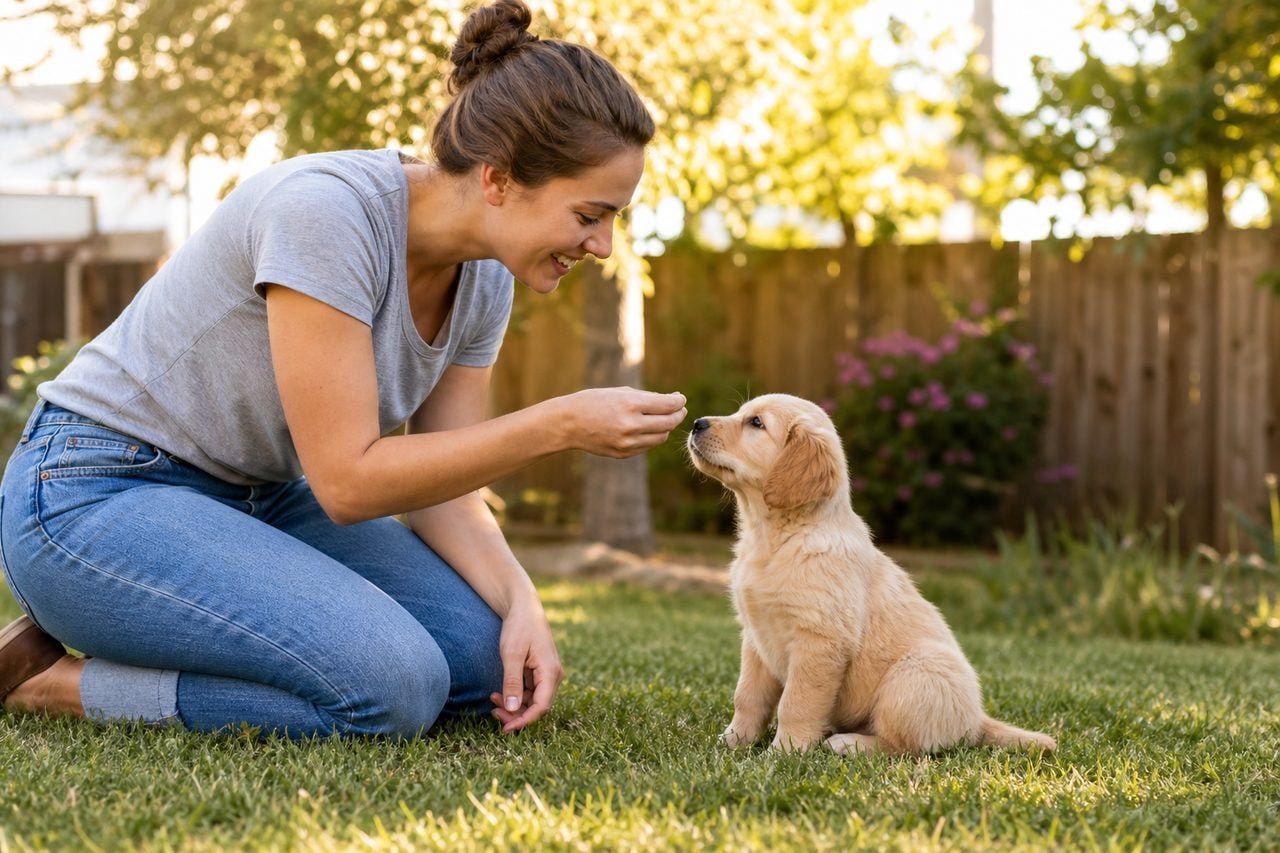
Socialization is the single most important thing you can do for a young puppy, and it is also the most misunderstood. It does not mean letting your puppy play with every dog it meets or getting mobbed with attention at the dog park. Real socialization means helping your puppy form calm, positive associations with the wide variety of people, animals, sounds, surfaces, and situations it will encounter over its lifetime — so the adult dog moves through the world with confidence rather than fear.
Grand Rapids gives you an unusually rich environment for this work. Between the trails at Provin Trails Park, the open space at Millennium Park, the lakeshore at Grand Haven, and the busy sidewalks and patios of Beer City, a West Michigan puppy can encounter almost everything it needs to. This guide explains what to socialize, when, and how to do it safely without overwhelming your puppy.
What Socialization Really Means
Many owners equate socialization with dog-to-dog play, but that is only a small slice of it. Socialization is the process of exposing your puppy to the full range of everyday experiences in a positive, controlled way so those experiences become unremarkable. That includes people of different ages and appearances, other animals, various surfaces underfoot, household noises, traffic, car rides, handling of paws and ears, and the general hustle of the world. The aim is a dog that stays relaxed when the vacuum runs, when a stranger passes on the trail, or when a truck rumbles by on the road to Rockford.
The reason this matters so much comes down to how puppies develop. There is a sensitive period, roughly from three to sixteen weeks, during which puppies accept new things readily. Experiences during this window shape lifelong reactions. A puppy that meets men in hats, children, wheelchairs, umbrellas, and slippery floors calmly during this stage tends to treat them as normal forever. A puppy that misses these things can grow into an adult that finds them alarming, and undoing that fear later is slow, difficult work.
Crucially, socialization is about quality, not quantity. The goal is positive or neutral experiences, not sheer volume. One calm, happy encounter with a child teaches more than being surrounded by a loud group that overwhelms the puppy. Bad experiences during this window can create lasting fear just as surely as good ones create confidence, so your job is to be a careful gatekeeper — controlling the intensity, distance, and pace of every new thing so your puppy stays under threshold and comfortable.
The Critical Window And Health Safety
The tension every new owner faces is real: the prime socialization window overlaps with the period before a puppy has completed its vaccinations. Because young puppies are vulnerable to disease, some owners keep them home entirely until fully vaccinated at around sixteen weeks — but by then the most valuable socialization weeks have passed. The modern consensus among behavior professionals is that the behavioral risks of under-socialization generally outweigh the manageable disease risks, provided you take sensible precautions.
The solution is smart exposure rather than no exposure. You can socialize extensively without putting your puppy at high risk. Carry your puppy in busy areas so it sees and hears the world without touching high-traffic ground where unvaccinated dogs may have been. Invite vaccinated, healthy, friendly adult dogs to meet your puppy in your own yard. Host small gatherings so your puppy meets a variety of people at home. Take short car rides to new places and let your puppy watch from your lap or a carrier.
Choose environments thoughtfully during these weeks. Avoid dog parks, pet-store floors, and high-traffic spots where the vaccination status of other dogs is unknown until your veterinarian gives the all-clear. A quiet residential street in Ada, a friend’s fenced yard in Hudsonville, or a calm corner of a parking lot where your puppy can watch cars from a distance are all excellent, lower-risk classrooms. Talk to your veterinarian about the specific balance for your puppy and your area. Well-run puppy classes that require proof of vaccination and clean their floors are also a safer structured option, because the disease risk is controlled while the socialization benefit is high.
People, Places, And Surfaces To Introduce
A thorough socialization plan covers far more than other dogs. Think in categories and aim to expose your puppy, gently and positively, to as many as you reasonably can before sixteen weeks — then keep going afterward to maintain what you built. The breadth is what produces a confident, adaptable adult dog.
Start with people in all their variety, because dogs do not automatically generalize “human.” Introduce your puppy to men and women, children, seniors, people wearing hats and sunglasses, people with beards, people using canes or wheelchairs, and people of different sizes and skin tones. Each new type of person met calmly widens your puppy’s comfort zone. Do the same with sounds — traffic, doorbells, thunder, kitchen appliances, sirens — introduced at low intensity and paired with good things.
Surfaces and environments deserve deliberate attention too, because a dog uncomfortable on new footing struggles at the vet, in stores, and on trails. Let your puppy walk on grass, gravel, wood, tile, metal grates, sand, and wobbly surfaces. Grand Rapids offers natural variety for this: sand at Grand Haven State Park, boardwalks and bridges along the Grand River, gravel paths at Provin Trails Park, and the varied footing of Millennium Park. Introduce car rides early and make them pleasant so travel does not become a lifelong stressor. Keep a simple checklist and note what your puppy has met, always watching body language and backing off the moment your puppy looks worried rather than pushing through.
Safe Dog-To-Dog Introductions
Dog-to-dog socialization is valuable, but it is the area where owners most often go wrong by prioritizing quantity and chaos over quality. The goal is for your puppy to learn healthy canine social skills — how to greet politely, read another dog’s signals, and disengage — not simply to be exposed to as many dogs as possible. A single bad experience with an overbearing or aggressive dog can leave a lasting mark.
The best early playmates are calm, well-mannered, fully vaccinated adult dogs and healthy same-age puppies you know. A gentle older dog teaches a puppy manners in a way no human can, correcting rude behavior with clear, appropriate signals. Arrange these meetings on neutral ground or in a controlled yard, keep initial greetings brief, and watch for balanced play — good play has pauses, role reversals, and both dogs choosing to continue. If one dog is always chasing and the other always fleeing, or if a puppy is hiding or being pinned, calmly interrupt and give a break.
Be cautious with dog parks, especially for young puppies. Beyond the disease risk before full vaccination, dog parks are unpredictable environments where you cannot control which dogs show up or how they behave. A single frightening encounter can undo weeks of confidence-building. Many experienced trainers recommend skipping busy dog parks during puppyhood in favor of curated playdates and well-supervised puppy classes. As your dog matures and shows solid social skills, you can reassess. When you do use shared spaces, go at quiet times, stay engaged rather than staring at your phone, and be ready to leave the moment things get too rough.
Handling, Grooming, And Vet Prep
One of the most overlooked parts of socialization is teaching your puppy to accept handling. A dog that tolerates having its paws, ears, mouth, and body touched calmly is easier and safer to groom, examine, and treat for its entire life. Vets and groomers work far more gently and effectively with a dog that has been prepared for handling, and your puppy experiences far less stress.
Start with brief, positive handling sessions at home. Touch a paw and give a treat. Look in an ear and give a treat. Gently hold the muzzle for a second and reward. Run your hands over the whole body the way a vet would. Keep it short and pleasant so your puppy learns that being touched predicts good things. Introduce grooming tools gradually — let your puppy sniff the brush and nail clippers before you use them, and pair each step with rewards rather than forcing through resistance.
Prepare specifically for vet visits, which many dogs find stressful. Practice the positions a vet uses: standing calmly, lying on its side, being lifted, having its temperature-style handling around the rear. Some Grand Rapids owners arrange brief “happy visits” where the puppy simply comes into the clinic, gets treats and attention, and leaves without any procedure, so the building itself becomes a positive place rather than a scary one. The same approach helps with grooming and nail trims — the two experiences dogs most often come to dread. A little handling practice each week during puppyhood pays off across the dog’s whole life, turning potentially traumatic appointments into routine, manageable events for everyone involved.
Reading Your Puppy And Avoiding Overload
The most common socialization mistake is overwhelming a puppy in the name of exposure. More is not always better. A puppy pushed past its comfort level does not learn that the world is safe — it learns that new things are scary and that you did not help. Learning to read your puppy’s body language is what separates helpful socialization from harmful flooding.
Watch for signs your puppy is comfortable versus stressed. A relaxed puppy has a loose body, explores willingly, takes treats readily, and recovers quickly from small surprises. A stressed puppy may freeze, tuck its tail, flatten its ears, lick its lips, yawn out of context, pant when it is not hot, try to hide behind you, or refuse food it would normally eat. Refusing treats is a particularly reliable red flag — a puppy too worried to eat is over threshold and needs more distance or a break.
When you see stress signals, increase distance from whatever is worrying your puppy, slow down, or end the session on a calm note. Let your puppy approach new things at its own pace rather than dragging or luring it forward. It is far better to have your puppy watch a busy Grand Haven boardwalk calmly from thirty feet away than to force it into the middle of a crowd. Confidence is built by many small, successful experiences, each one just slightly challenging but always ending well. If your puppy seems fearful of a whole category of things, or the fear is intensifying rather than easing, consult a qualified trainer or behavior professional early. Fear addressed during puppyhood is far more workable than fear that has been allowed to harden into an adult dog’s default response.
Reviewed Puppy Socialization Trainers in Grand Rapids
These reviewed Grand Rapids-area trainers from our directory handle puppy socialization. Each links to a full profile with specialties, certified credentials, reviews, and contact info:
- Ganderwood LLC — 5.0★ (1 review)
- West Michigan K9 — 4.9★ (337 reviews)
- Dream Dogs Training — 4.9★ (14 reviews)
- A Pleasant Dog — 4.4★ (216 reviews)
- Animal Behavior Consultants of Michigan — 4.0★ (8 reviews)
- Kingseed Kennels & Dog Training — 5.0★ (140 reviews)
- K9 Academy International,LLC — 5.0★ (136 reviews)
- Full Spectrum Dog Training — 5.0★ (68 reviews)
- Petz Prefurred — 5.0★ (48 reviews)
- Red Sky Dog Training, LLC — 5.0★ (22 reviews)
See all Grand Rapids puppy socialization trainers →
Frequently Asked Questions
What is the ideal age to socialize a puppy?
The prime window runs from about three to sixteen weeks, when puppies most readily accept new experiences. This is when exposure has the biggest lasting impact. Socialization should continue well past sixteen weeks to maintain confidence, but the earliest weeks are the most valuable, which is why careful early exposure matters so much.
Can I socialize my puppy before it is fully vaccinated?
Yes, with sensible precautions. Because the socialization window overlaps with the pre-vaccination period, most behavior professionals recommend smart exposure rather than isolation. Carry your puppy in busy areas, invite healthy vaccinated dogs to your yard, and avoid dog parks and pet-store floors until your vet clears you. Ask your veterinarian about the right balance for your area.
Should I take my puppy to the dog park to socialize?
Busy dog parks are generally not ideal for young puppies. Beyond the disease risk before full vaccination, you cannot control which dogs are present or how they behave, and one bad experience can create lasting fear. Curated playdates with calm, vaccinated dogs and well-run puppy classes are safer, higher-quality ways to build good social skills.
How do I know if my puppy is overwhelmed during socialization?
Watch body language. A stressed puppy may freeze, tuck its tail, flatten its ears, lick its lips, yawn out of context, pant, try to hide, or refuse treats it would normally take. Refusing food is a strong signal your puppy is over threshold. When you see these signs, add distance, slow down, or end the session calmly rather than pushing through.
Is socialization only about meeting other dogs?
No. Dog-to-dog play is only one part. True socialization covers people of all kinds, various sounds, different surfaces underfoot, car rides, handling of the body, and everyday environments. Grand Rapids offers natural variety for this, from sand at Grand Haven State Park to the boardwalks and bridges along the Grand River, so your puppy can meet a wide range of experiences close to home.
Why should I practice handling my puppy's paws and ears?
Teaching your puppy to accept handling makes grooming, nail trims, and vet visits far less stressful for its whole life. Short, positive handling sessions at home — touching paws, ears, and mouth, then rewarding — build tolerance. Some owners also arrange brief happy visits to the clinic so the building becomes a positive place rather than a source of fear.
Related: read our complete puppy socialization guide or the full Grand Rapids dog training overview.
Ready to find the right puppy socialization pro in Grand Rapids?