
Puppy Training in Flint, MI
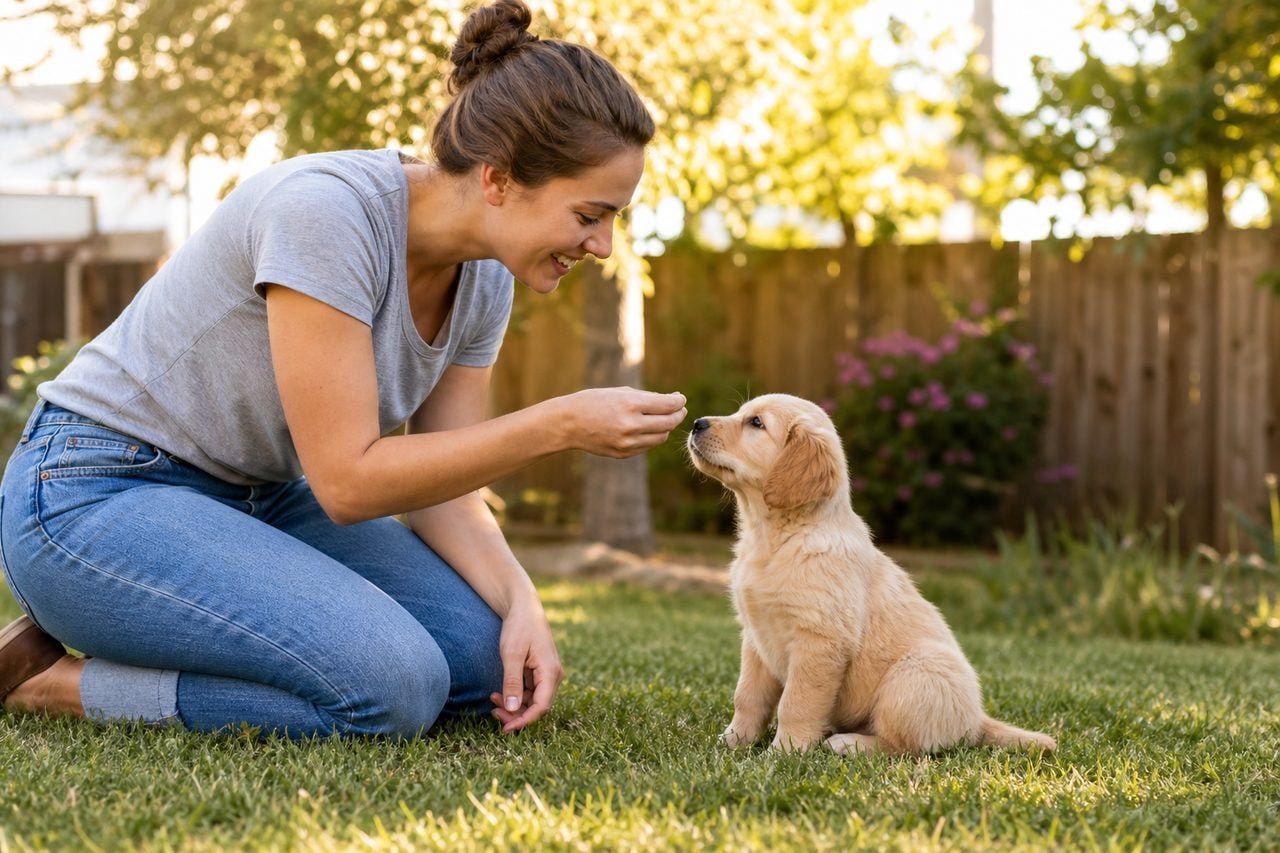
Bringing a new puppy home in the Flint area is one of the best feelings there is, and also one of the busiest. Between the chewed shoes, the 3 a.m. potty trips, and the first walk down your street, those early weeks set the tone for the dog your puppy becomes. Good puppy training is less about obedience tricks and more about shaping a confident, well-adjusted companion who can handle a trip to For-Mar Nature Preserve, a rowdy family gathering in Grand Blanc, or a quiet evening at home without falling apart.
- Why the First Few Months Matter So Much
- What Effective Puppy Training Actually Covers
- Group Classes, Private Sessions, or a Blend
- Choosing a Puppy Trainer in Genesee County
- Training Across the Flint Metro Neighborhoods
- Setting Realistic Expectations and Timelines
- How to Get Started This Week
- Reviewed trainers
- FAQ
Genesee County families have real choices when it comes to puppy classes, private coaching, and structured socialization. The trick is knowing what your puppy actually needs at each stage of development and matching that to the right kind of help. This guide walks through what effective puppy training looks like, when to start, how to evaluate a trainer, and how the local geography of Flint and its suburbs shapes your options.
Everything below is written to be practical. You will not find magic guarantees, because there are none in dog training. What you will find is a clear framework for raising a puppy in the Flint metro, from the city neighborhoods to the Fenton lake country, so you can make confident decisions instead of guessing.
Why the First Few Months Matter So Much
Puppies move through a critical socialization window that runs roughly from three weeks to about sixteen weeks of age. During this stretch, their brains are unusually open to new experiences. A puppy who meets friendly people, calm dogs, and a variety of sights and sounds during this period tends to grow into an adaptable adult. A puppy who spends these weeks isolated is far more likely to develop fear or reactivity later on, which is much harder to undo than to prevent.
This is why waiting until your puppy is six months old to start training is a mistake many first-time owners make. By then the easiest window has closed. The good news is that early training does not require anything dramatic. It means thoughtful, positive exposure to the ordinary world your dog will live in.
For a Flint-area puppy, that ordinary world includes a lot of specific things worth introducing early:
- Car rides on I-75 and the sounds of traffic near downtown Flint
- Different walking surfaces, from sidewalks in Burton to gravel and grass along the Flint River Trail
- People in hats, uniforms, and winter coats, since Michigan bundles up for half the year
- Other calm, vaccinated dogs in controlled settings rather than chaotic dog parks
- Everyday household noises like the vacuum, doorbell, and garbage truck
A well-run puppy program builds these experiences into a structured plan so nothing important gets missed. That structure is one of the biggest reasons to work with a professional early rather than piecing it together alone.
Quality matters more than quantity here. The goal is not to overwhelm your puppy with as many experiences as possible, but to make each new encounter positive and manageable. A puppy dragged into an overstimulating situation before it is ready can come away more fearful, not less. A good trainer teaches you to read your puppy’s body language, to keep experiences short and upbeat, and to let your puppy retreat when it needs to. That balance between exposure and reassurance is a skill, and it is one of the most valuable things a professional can help you develop during these fleeting early weeks.
What Effective Puppy Training Actually Covers
Good puppy training is broader than sit and stay. The best programs treat the puppy as a whole animal with developmental needs, and they tend to cover four connected areas.
Socialization and confidence. This is the foundation. A skilled trainer teaches you how to expose your puppy to new things at a pace the puppy can handle, so experiences build confidence instead of fear. Rushing this or forcing interactions can backfire, which is why guidance matters.
Foundation manners. Sit, down, coming when called, walking without pulling, and settling calmly are the cues that make daily life livable. For a puppy who will walk busy areas near downtown Flint or the trails around Fenton, a reliable recall and loose-leash walking are genuinely important for safety.
Household skills. Potty training, crate comfort, and bite inhibition fall here. Puppy nipping is normal and developmentally appropriate, but it needs to be redirected correctly. Crate training, done kindly, gives your puppy a safe den and gives you a management tool for those unsupervised moments.
Handling and body awareness. Teaching a puppy to accept nail trims, ear checks, brushing, and gentle restraint pays off for years, especially during vet visits. A trainer can show you how to build this cooperation instead of wrestling with a full-grown dog later.
When you evaluate a program, ask how it addresses all four areas. A class that only drills obedience cues is leaving out much of what makes a puppy easy to live with.
It also helps to understand what motivates learning at this age. Puppies learn fastest through reward and repetition, not through correction. When your puppy does something you like, marking and rewarding it immediately teaches the puppy to offer that behavior again. When your puppy does something you do not like, the most effective response is usually to prevent it from happening in the first place and to redirect the puppy to a better choice, rather than to punish after the fact. A good program will make this reward-and-redirect approach second nature, so that both you and your puppy enjoy the training rather than dreading it.
Group Classes, Private Sessions, or a Blend
Flint-area families generally choose among three formats, and each has a place.
Group puppy classes are the classic starting point. They combine basic training with supervised socialization among other puppies, which is hard to replicate at home. The structured setting teaches your puppy to focus around distractions, a skill that transfers directly to real life. Group classes tend to be the most affordable option and work well for typical puppies without significant challenges.
Private in-home or one-on-one sessions give you a customized plan and undivided attention. If your puppy is unusually shy, unusually bold, or you are juggling a hectic household, private coaching lets a trainer address your specific situation. It is also convenient for families spread across the county who would rather not drive to a facility several times a week.
A blended approach often works best. Many owners start with a few private sessions to build a foundation and address any early concerns, then move into a group class for socialization once the basics are in place. Some trainers offer packages built around exactly this progression.
Consider your puppy’s temperament, your schedule, and how far you are willing to drive. A family in Flushing or Swartz Creek might prioritize a trainer on the west side, while a Grand Blanc household may have more options within a short drive. There is no single right answer, only the right fit for your dog and your life.
Choosing a Puppy Trainer in Genesee County
Trainer quality varies widely, and the field is unregulated, so it pays to evaluate carefully. Focus on how a trainer works rather than on marketing claims.
Methods matter most. Look for trainers who emphasize reward-based, positive reinforcement methods. For puppies especially, harsh corrections can create fear and damage the trust you are trying to build during the very window when your puppy is forming its view of the world. A good trainer should be able to explain clearly how they teach and what happens when a puppy makes a mistake.
Ask practical questions before signing up:
- What methods do you use, and how do you handle unwanted behavior?
- How much of the class is training versus free-for-all play?
- What vaccination requirements do you have for group settings?
- Do you coach the owners, or only work with the dog?
- What happens if my puppy is struggling or overwhelmed?
That last point is key. The owner is the one home with the puppy every day, so a program that coaches you to train your dog will outlast one where the trainer does all the work. You want to leave each session knowing what to practice.
Watch for red flags such as guarantees of specific results, pressure to use aversive equipment on a young puppy, or an unwillingness to let you observe a class first. A confident, skilled trainer welcomes questions and observation.
Because the Flint metro spreads across many communities, use a directory to compare several trainers side by side, then reach out to a couple before deciding. A short phone call tells you a lot about whether someone will be a good partner.
Training Across the Flint Metro Neighborhoods
Where you live shapes both your options and your puppy’s everyday environment. Here is how the region breaks down.
Flint and the city neighborhoods. Living closer to downtown Flint means your puppy will encounter more foot traffic, sirens, and busier streets. Early exposure to urban sights and sounds is valuable, and short, positive outings help your puppy learn to stay relaxed in stimulating settings. The Flint River Trail offers a place to practice calm walking once your puppy is vaccinated and ready.
Grand Blanc and the south. The southern suburbs tend to have more trainers within a reasonable drive, partly because of proximity to the Grand Blanc and I-75 corridor. Families here often have their pick of both group classes and private coaches.
Burton and Davison to the east. These eastern communities are well positioned for facilities that draw from across the county. For-Mar Nature Preserve near Burton is a pleasant spot for structured walks and gentle exposure to nature sounds once your puppy has the confidence for it.
Flushing, Swartz Creek, and the west. West-side families sometimes have fewer options right in town, so it is worth looking at trainers who serve the whole metro or who travel for in-home sessions. A slightly longer drive to a great fit usually beats settling for convenience alone.
Fenton, Linden, and the lake country. The southern lake communities give puppies wonderful opportunities to get comfortable around water, boats, and open space. Trainers here may draw from both Genesee and neighboring counties. Introduce water calmly and never force it; let your puppy build confidence at its own pace.
The northern and rural townships. Around Mt Morris, Clio, and the more rural edges toward Lapeer and Ortonville, distances are longer and trainer density is lower. In-home training or a willingness to drive toward the Flint core opens up more choices. Rural puppies still need urban exposure, so plan deliberate trips into busier areas during the socialization window.
Setting Realistic Expectations and Timelines
Puppy training is a marathon, not a weekend project. Understanding the arc helps you stay patient and consistent.
In the first few weeks at home, your focus is potty training, crate comfort, gentle handling, and starting careful socialization. Progress can feel slow and messy, and that is normal. Puppies have short attention spans and small bladders, and accidents and setbacks are part of the process.
By the time your puppy is around four to five months old, with steady work you should see the foundation cues taking hold and a puppy who is noticeably more settled. The adolescent stage that follows, often from six months to well past a year, can bring a frustrating regression where your once-obedient puppy seems to forget everything. This is developmentally normal. Dogs who received a solid early foundation come through adolescence far more smoothly than those who did not.
A few principles keep you on track:
- Short, frequent training sessions beat long, occasional ones
- Consistency across the whole household matters more than any single technique
- Manage the environment so your puppy cannot rehearse bad habits
- Celebrate small wins and expect some backsliding
The Michigan seasons add a practical wrinkle. Winter makes outdoor socialization and potty training harder, so plan indoor enrichment and short, frequent outings during the cold months. A puppy raised through a Flint winter can absolutely thrive; it just takes a bit more planning. Have a designated potty spot near the door, keep it shoveled and salt-free so it does not hurt your puppy’s paws, and reward heavily for going quickly in the cold. On bitter days, lean on indoor training games, food puzzles, and short handling sessions to keep your puppy learning even when a long walk is not realistic.
One more expectation worth setting: your puppy will not progress in a straight line, and neither will you. Some days the potty training seems solved and then a week of accidents follows. Some walks go beautifully and the next one falls apart at the first squirrel. This unevenness is normal for a developing brain, and it does not mean your training is failing. Trust the process, keep your sessions consistent, and judge progress over weeks rather than days.
How to Get Started This Week
If you have a new puppy, the best time to begin is now, and you do not need to have everything figured out first. A simple starting plan looks like this.
First, handle the basics of health and safety. Talk with your veterinarian about your puppy’s vaccination schedule and what socialization is safe at your puppy’s current stage. Reputable puppy classes balance early socialization with sensible health precautions, and a good trainer will respect your vet’s guidance.
Second, decide on a format. Consider your puppy’s temperament, your schedule, and where you live in the metro. If you are unsure, a private consultation is a low-pressure way to get an expert read on your specific puppy before committing to a longer program.
Third, compare a few local options rather than booking the first one you find. Browse the trainers serving the Flint area, note who focuses on puppies and positive methods, and reach out to two or three. Ask the questions from earlier in this guide and pay attention to how they respond.
Finally, start practicing at home right away. Reward the behaviors you want, redirect the ones you do not, and keep sessions short and upbeat. Every calm walk down your street, every polite greeting, and every quiet moment in the crate is building the adult dog you want to live with for the next decade or more.
Raising a puppy in Genesee County comes with real work, but with the right structure and a good trainer in your corner, it is deeply rewarding. Use this guide as your roadmap, and take the first step this week.
Reviewed Puppy Training Trainers in Flint
These reviewed Flint-area trainers from our directory handle puppy training. Each links to a full profile with specialties, certified credentials, reviews, and contact info:
- Positive Pawz Training — 5.0★ (24 reviews)
- The Perfect Pooch Training — 5.0★ (4 reviews)
- Einstein Dog Training — 4.8★ (178 reviews)
- Stonehill Kennels — 4.7★ (195 reviews)
- My Furbabys Resort, LLC — 4.4★ (19 reviews)
- Red Lantern Dog Training, LLC — 5.0★ (59 reviews)
- Canine Co-Pilots Dog Training LLC — 5.0★ (53 reviews)
- Paws and Resolve Dog Training — 5.0★ (26 reviews)
- Highest Hope Dog Sports — 5.0★ (9 reviews)
- J&S K9 — 5.0★ (7 reviews)
See all Flint puppy training trainers →
Frequently Asked Questions
What age should I start training my puppy?
You can and should start gentle training and socialization the day your puppy comes home, often around eight weeks of age. The critical socialization window runs to roughly sixteen weeks, so the earlier you begin thoughtful exposure and basic manners, the better. Formal group classes usually welcome young puppies with appropriate vaccinations, so check with the trainer and your veterinarian about timing.
Are group puppy classes or private sessions better?
It depends on your puppy and your situation. Group classes are excellent for socialization and learning to focus around distractions, and they tend to be more affordable. Private sessions offer a customized plan and undivided attention, which helps for shy, bold, or challenging puppies. Many Flint-area families blend the two, starting with a private session or two and then moving into a group class.
How long does puppy training take?
There is no fixed endpoint, because training is an ongoing part of raising a dog. That said, most puppies show a solid foundation of manners within a few months of consistent work. Expect a temporary regression during adolescence, which is normal. The dogs that come through that stage most smoothly are the ones who got early, consistent training.
Do I really need a trainer, or can I do it myself?
Plenty of owners train successfully at home, but a good trainer saves you time and helps you avoid mistakes during the critical window that are hard to fix later. A professional also provides structured socialization opportunities that are difficult to arrange on your own. Even a few sessions to build a foundation and answer your questions can make a meaningful difference.
What training methods should I look for?
Look for trainers who emphasize reward-based, positive reinforcement methods, especially for puppies. Harsh corrections during the early developmental window can create fear and damage trust. A quality trainer can clearly explain how they teach, how they handle mistakes, and why. Be cautious of anyone guaranteeing specific results or pushing aversive equipment on a young puppy.
Where in the Flint area can I find puppy trainers?
Trainers serve communities across Genesee County, from Flint proper to Grand Blanc, Burton, Davison, Flushing, Swartz Creek, and the Fenton lake country. Density is higher in the southern and central metro and thinner in the northern and rural townships toward Clio and Lapeer. Families in outlying areas often use in-home trainers or drive toward the Flint core, and comparing several options in a directory is the easiest way to find a good fit.
Related: read our complete puppy training guide or the full Flint dog training overview.
Ready to find the right puppy training pro in Flint?