
Dog Training Prices in Jackson, MI
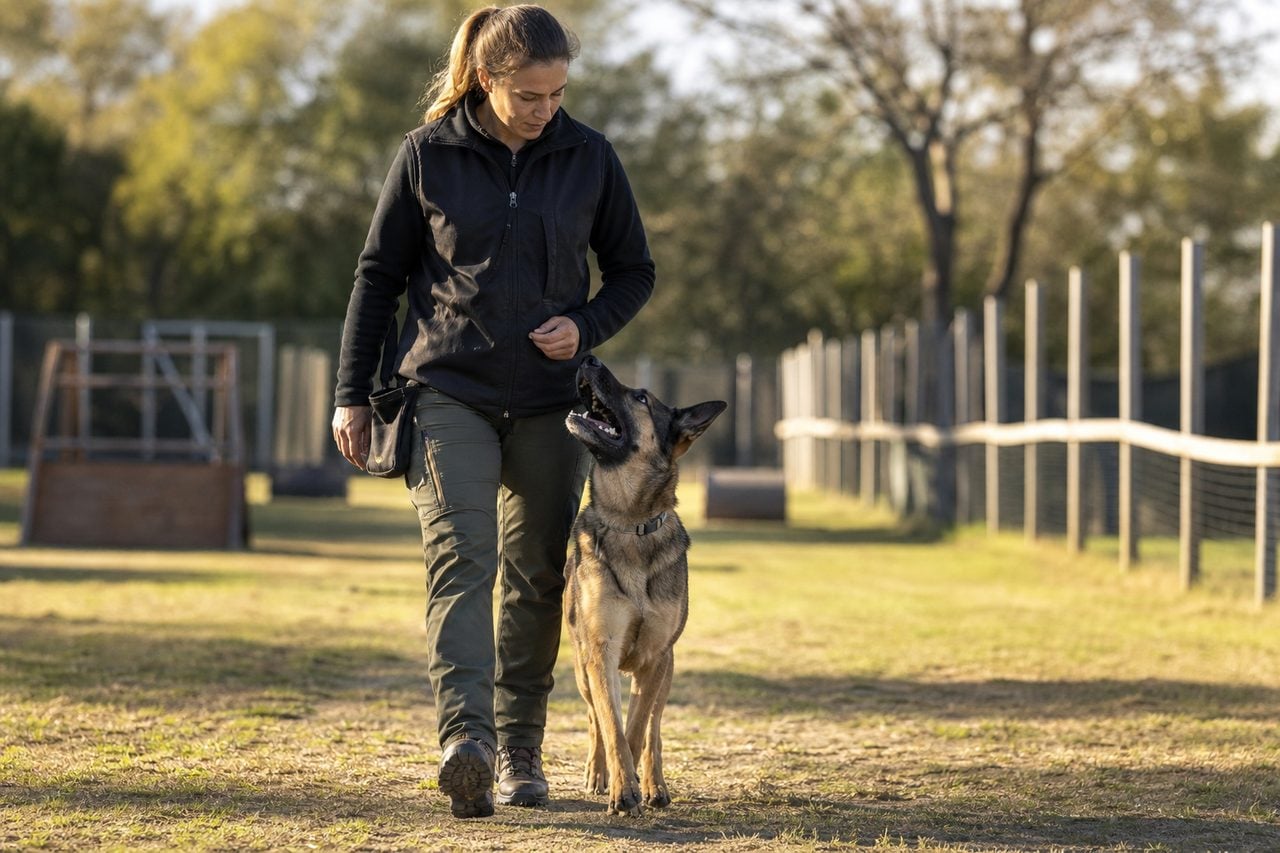
One of the first questions dog owners ask when they start looking for training is a simple one: what does it cost? The honest answer is that dog training prices vary widely, shaped by the type of training, the format, the trainer’s experience, and the specific needs of your dog. Understanding what drives those costs helps you budget realistically and, more importantly, judge whether a given option represents good value for your situation in the Jackson area.
This guide walks through the common formats of dog training, the general price ranges you can expect, and the factors that push costs up or down. It is important to be clear from the outset that the figures here are broad, illustrative ranges, not quotes, and not the prices of any particular business. Rates change over time and differ from one trainer to the next, so you should always confirm current pricing directly with the provider before booking.
Just as useful as knowing the numbers is understanding how to evaluate value. The cheapest option is not always the most economical once you factor in results, and the most expensive is not automatically the best. With a clear picture of what you are paying for, you can make a confident, well-informed choice for your dog and your budget.
What Drives the Cost of Dog Training
Before looking at specific formats, it helps to understand the factors that determine what any training will cost. These variables explain why two dogs in the same town can end up paying very different amounts, and why a simple price comparison can be misleading without context.
- Format: Group classes, private in-home sessions, day training, and intensive board-and-train programs sit at very different price points because they involve different amounts of a trainer’s individual time.
- Trainer experience and credentials: A trainer with extensive experience, specialized education, or a strong track record with difficult cases typically commands higher rates, reflecting the depth of expertise you are hiring.
- The dog’s needs: Basic manners for a friendly puppy is a simpler undertaking than addressing serious fear, reactivity, or aggression, which requires more time, skill, and often specialized handling.
- Session length and package structure: Training is often sold in packages of multiple sessions, and the per-session cost usually drops when you buy a bundle rather than a single visit.
- Location and travel: Many Jackson-area trainers cover a wide travel radius across the county, and in-home services to outlying towns like Concord, Brooklyn, or Munith may factor travel into the price.
Keeping these drivers in mind lets you interpret any quote sensibly. A higher hourly rate from an experienced trainer solving a complex problem may deliver better value than a bargain rate that does not resolve the issue, while a straightforward manners goal may be well served by an affordable group class.
Timing and demand can play a role as well. Trainers are often busier in spring and early summer, when new puppies arrive and families want to get out and about in the warmer weather, so planning ahead and booking early can matter more than at quieter times of year. None of these factors should be treated as fixed rules, but understanding that a price reflects a bundle of variables, rather than a single arbitrary number, puts you in a much stronger position when it comes time to compare options and ask questions.
Group Classes: The Most Budget-Friendly Option
Group obedience classes are generally the most economical form of professional training, which is a large part of their popularity. Because the trainer works with several dogs and owners at once, the cost per participant is lower than one-on-one instruction, while still delivering expert guidance and the added benefit of practicing around distractions.
Group classes are typically sold as a course of multiple weekly sessions rather than individually. As a broad, illustrative range, a multi-week group course often falls somewhere in the low-to-mid hundreds of dollars for the full series, though the exact figure depends heavily on the number of sessions, the trainer, and what the course covers. Puppy classes and basic obedience courses tend to sit toward the more affordable end, while specialized or advanced group programs may cost more. These are general ranges only; confirm current pricing with any provider before enrolling.
For the money, a group class offers strong value for a lot of households. You get structured instruction, feedback on your handling, a curriculum that builds week over week, and socialization for your dog, all at a lower cost than private training. For owners whose main goal is general good manners and who have a reasonably social, trainable dog, a group class is often the most cost-effective starting point.
The trade-off is less individual attention and a pace set for the group rather than your specific dog. If your dog has issues that need focused, private handling, a class alone may not be enough. But for foundational training, the combination of low cost and solid results makes group classes hard to beat as a first step.
It is also worth noting that group classes deliver something private sessions cannot easily replicate: real practice around the exact distractions your dog needs to learn to ignore. A dog that can sit calmly in a room full of other dogs and unfamiliar people has demonstrated a level of focus that translates directly to walks along a busy stretch of the Falling Waters Trail or a visit to a lakeside gathering in summer. In that sense, the other dogs in the room are part of what you are paying for, not a distraction from the value. For owners weighing cost against benefit, this built-in distraction training is a meaningful part of what makes the group format such an efficient use of money.
Private and In-Home Training Sessions
Private training, whether at a trainer’s facility or in your own home, costs more per session than a group class because you are paying for the trainer’s undivided attention. In exchange, you get a program tailored precisely to your dog, your goals, and your environment, which can make it well worth the premium for the right situation.
As a broad, illustrative range, private sessions are commonly priced per hour or sold in multi-session packages, with individual sessions typically falling somewhere in the mid-to-higher two-figure or low three-figure range each, and packages often reducing the effective per-session cost. In-home training may carry a modest travel component for outlying areas of Jackson County. Again, these are general ranges, not quotes; actual rates vary by trainer and change over time, so confirm before booking.
The value of private training lies in its customization. A trainer working one-on-one can move at your dog’s pace, focus on the exact behaviors you care about, and address problems that would be hard to tackle in a group. In-home sessions have the added advantage of working in the real environment where issues occur, which is particularly useful for household behaviors like door manners, greeting guests, or settling in the home.
Private training is often the better choice when your dog has specific challenges, when you want faster or more targeted progress, or when a group setting would overwhelm a fearful or reactive dog. Some owners use a small number of private sessions to address a particular issue or build a foundation, then transition to a group class for ongoing socialization and distraction practice, blending the strengths of both formats.
Board-and-Train and Intensive Programs
At the higher end of the price spectrum sit board-and-train programs, in which your dog stays with a trainer for a period of days or weeks and receives intensive daily training. Because these programs bundle boarding, care, and many hours of professional training over an extended stay, they are the most expensive common format by a considerable margin.
As a broad, illustrative range, board-and-train programs are often priced in the high three-figure to four-figure range or more, depending on the length of the stay and the intensity of the program. The wide variation reflects big differences in duration, the amount of daily training, the goals addressed, and the trainer’s expertise. These figures are general only and should never be taken as a quote; confirm all details and current pricing directly with any provider.
The appeal of board-and-train is convenience and concentrated progress: the dog receives consistent, professional training every day without the owner needing to run the sessions. This can be attractive for busy households or for making headway on stubborn issues. However, there is an important caveat that applies to any such program. A dog trained by someone else still needs the owner to learn how to maintain those behaviors, because dogs do not automatically generalize training from the trainer to the family. Reputable programs include thorough handoff instruction and follow-up so that the results transfer home.
For most owners seeking basic manners, a board-and-train is more than is needed, and group or private training offers better value. It is worth considering mainly when circumstances specifically call for intensive, hands-off training, and even then, the quality of the program and the owner-handoff process matter far more than the price tag alone.
Understanding Value Versus Price
When it comes to training, the lowest price and the best value are not always the same thing, and thinking only about the sticker cost can lead to a poor decision. The real question is what outcome you get for what you spend, and a slightly more expensive option that actually resolves your dog’s issue is often the more economical choice in the end.
Consider the full picture when weighing cost. A cheap program that does not fix the problem may lead you to pay again for a second, better program, making the bargain more expensive overall. An experienced trainer who charges more but resolves a challenging behavior in fewer sessions can deliver better value per dollar than a lower-rate option that drags on without results. The effectiveness of the training, not just its price, determines what you truly get for your money.
Also weigh what is included. Some programs bundle follow-up support, additional resources, or the ability to repeat sessions, which adds real value beyond the headline number. A group course that includes a thorough curriculum and handling feedback may be worth more than a slightly cheaper one with less structure. When comparing options, ask exactly what is included so you are comparing like with like.
Finally, factor in the long-term perspective. Training is an investment in a dog you will live with for many years, and the payoff of a well-behaved companion, easier daily life, and a stronger bond extends far beyond the training period. Viewed that way, the goal is not to spend the least but to spend wisely on training that genuinely works for your dog and your household.
There is also a real, if harder to quantify, cost to not training at all. A dog that pulls painfully on the leash, bolts through open doors, or cannot be trusted around guests tends to get walked less, included less, and enjoyed less, which is a quiet loss for both dog and owner. Behaviors left unaddressed can also lead to avoidable expenses down the road, from damaged belongings to the complications that come with a dog that reacts poorly to the world. Set against those hidden costs, spending sensibly on good training early often turns out to be the economical choice, not the extravagant one. The comparison that matters is not training versus saving the money, but training versus living for years with problems that a modest, well-chosen investment could have prevented.
Questions to Ask Before You Pay
Because prices and programs vary so much, a few pointed questions before you commit will protect your budget and help you choose well. Asking these of any Jackson-area trainer lets you compare options accurately and avoid unpleasant surprises.
- What exactly is included in the price? Clarify the number of sessions, their length, any materials, and whether follow-up support is part of the package.
- How is the training structured and paced? Understanding the format and timeline helps you judge whether it fits your dog and your goals.
- What methods do you use? Reward-based, positive reinforcement approaches are the modern standard, and a trainer should be able to explain their philosophy clearly.
- What is your experience with dogs like mine? Especially important if your dog has specific challenges like reactivity or fear.
- Are there additional costs? Ask about travel fees for in-home visits to outlying towns, materials, or any charges beyond the quoted rate.
- What results can I realistically expect? Be wary of guarantees of fast, perfect results; a reputable trainer sets honest expectations.
Getting clear answers up front lets you make an apples-to-apples comparison rather than being swayed by a headline number alone. It also gives you a sense of the trainer’s professionalism and communication style, which matter for the working relationship ahead. A trainer who answers openly and sets realistic expectations is usually a good sign, regardless of where their price falls in the range.
Budgeting for Training in the Jackson Area
Putting it all together, budgeting for dog training is a matter of matching the format to your dog’s needs and your goals, then confirming current, specific pricing with the providers you are considering. There is no single right amount to spend, only the right choice for your particular dog and household.
For many Jackson-area owners with a friendly, trainable dog and a goal of general good manners, a group class is a sensible and economical starting point, offering strong value for the money. If your dog has specific challenges, or you want faster, more targeted progress, budgeting for a few private sessions, either alone or in combination with a group class, is often worthwhile. Intensive board-and-train programs sit at the top of the range and suit a narrower set of circumstances where hands-off, concentrated training is specifically called for.
Remember too that some of the most valuable training costs nothing beyond your time. The daily practice you do at home, the good habits you reinforce during walks along the Falling Waters Trail or in your own yard, and the consistency you bring to everyday routines all multiply the return on whatever you spend on professional instruction. Professional training gives you the roadmap and the skills; your follow-through at home is what makes it stick.
When you are ready to compare specific options, reach out to trainers serving your part of the county, describe your dog and your goals honestly, and ask for current pricing and details in writing. With a clear understanding of the formats and ranges outlined here, you will be well equipped to find training that fits both your dog’s needs and your budget, and to recognize genuine value when you see it.
Reviewed Dog Trainers in Jackson
These reviewed Jackson-area trainers from our directory can walk you through pricing for their programs. Each links to a full profile with specialties, certified credentials, reviews, and contact info:
- A1 Positive Dog Training — 5.0★ (3 reviews)
- Divinity K9 — 4.9★ (136 reviews)
- Passion Fur Paws — 4.2★ (67 reviews)
- All Obedience Dog Training — 3.5★ (8 reviews)
See all Jackson dog training prices trainers →
Frequently Asked Questions
How much does dog training cost in the Jackson area?
Costs vary widely by format, trainer, and your dog’s needs, so any figures are broad ranges rather than fixed prices. As general guidance, group classes are the most affordable, private sessions cost more for individual attention, and intensive board-and-train programs are the most expensive. Because rates differ between trainers and change over time, always confirm current pricing directly with the provider before booking rather than relying on a general range.
Why is private training more expensive than group classes?
Private training costs more per session because you are paying for the trainer’s undivided attention and a program tailored specifically to your dog, goals, and environment. A group class spreads the trainer’s time across several dogs, lowering the cost per participant. Private training is worth the premium when your dog has specific challenges or you want faster, more targeted progress, while group classes offer strong value for general good manners.
Are board-and-train programs worth the higher cost?
They can be, in the right circumstances, but they are the most expensive format and more than most owners need for basic manners. They suit situations that specifically call for intensive, hands-off daily training. A key caveat is that the owner still must learn to maintain the behaviors at home, since dogs do not automatically generalize training to the family, so look for programs with thorough owner handoff and follow-up support.
Is a cheaper trainer always a worse choice?
Not necessarily, but the lowest price is not automatically the best value. What matters is the outcome you get for what you spend. A cheap program that does not resolve the issue can end up costing more if you have to pay again for better help, while an experienced trainer charging more may fix a problem in fewer sessions. Weigh effectiveness, what is included, and the long-term result, not just the headline price.
Do trainers charge extra for in-home sessions?
Some may factor travel into the price for in-home visits, particularly to outlying parts of Jackson County like Concord, Brooklyn, Grass Lake, or Munith, since many local trainers cover a wide travel radius. Whether a travel component applies and how it is calculated varies by trainer. It is worth asking directly about any additional costs beyond the quoted session rate so there are no surprises when you compare options.
How can I keep training costs down without cutting corners?
Start with a group class if your dog is friendly and trainable, since it offers the best value for general manners. Buy packages rather than single sessions where available, since the per-session cost usually drops. Most importantly, do the daily practice at home, because consistent follow-through multiplies the return on any professional training you pay for and reduces the number of paid sessions you ultimately need. Your time and consistency are the most cost-effective tools you have.
Related: read our complete dog training prices guide or the full Jackson dog training overview.
Ready to find the right dog training prices pro in Jackson?