
Board & Train in Allentown, PA
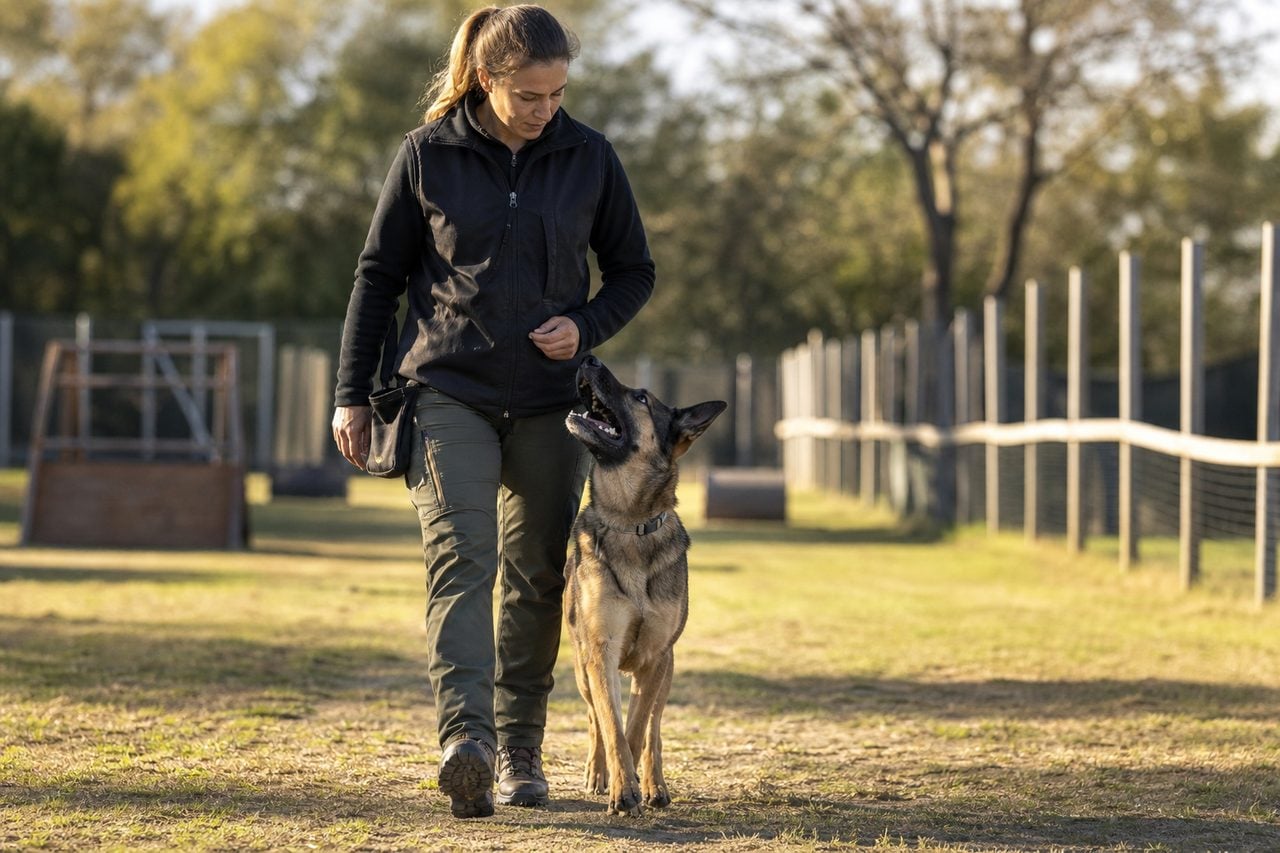
Board-and-train is a residential training option where your dog lives with a professional trainer for a set stretch of time — typically a couple of weeks to a month or more — while learning foundational obedience, manners, and impulse control. For busy households across the Lehigh Valley, from Allentown’s West End to the riverside neighborhoods of Bethlehem and Easton, it can be an appealing way to get focused, full-immersion training without carving daily lessons out of an already packed schedule. The trainer handles the repetition, the structure, and the day-to-day consistency that fast progress depends on, then transfers those skills back to you through handoff sessions.
It’s worth understanding what board-and-train is and isn’t before you commit. Because your dog lives off-site, the quality of the facility, the trainer’s methods, and the transparency of communication matter enormously. A residential program is not a shortcut that bypasses your involvement — the dog comes home to the same family, the same Macungie backyard, and the same routines, so the owner-handoff phase is where lasting results are won or lost. Reputable Lehigh Valley programs build that handoff in from the start, with video updates, written notes, and in-person go-home lessons.
This guide walks through how residential training works in the Allentown–Bethlehem–Easton corridor: what a typical stay looks like, how to vet a facility, what a fair program includes, and how to keep the results going once your dog is back home along the Lehigh River. Whether you live in a tight Allentown rowhome, a Whitehall split-level, or out on a few acres up toward the farm country north of Bath, the same principles apply — the difference is mostly in the distractions your dog will face on the way home. Use it to ask sharper questions and choose a program that fits your dog, your goals, and the realities of valley life across both Lehigh and Northampton counties.
What Board-And-Train Actually Means
Board-and-train, sometimes called a residential or live-in program, places your dog in a trainer’s care for a continuous block of days or weeks. Unlike weekly group classes or a single daily day-program, the dog sleeps, eats, and trains in the same managed environment, which gives the trainer control over the whole routine — not just an hour at a time. That continuity is the core of the model: every meal, every rest period, and every outing becomes a chance to reinforce calm behavior and clear expectations.
In practice, a Lehigh Valley residential program might run two to four weeks for foundational obedience, longer for more involved behavioral goals. Daily sessions are usually short and frequent rather than marathon drills, woven between rest, enrichment, and structured downtime. Skills commonly covered include leash manners for crowded spots like Bethlehem’s SteelStacks events, reliable recall for off-leash-friendly trail time, place and stay duration, and polite greetings. The defining feature is immersion: the dog practices new habits across an entire daily cycle, so the behaviors become routine rather than tricks performed only in a training ring.
Is Residential Training Right For Your Dog
Board-and-train suits some dogs and households far better than others. It tends to work well for owners whose schedules make daily practice unrealistic, for dogs that need a consistent reset on entrenched habits, and for families who want a strong foundation laid quickly before they take over maintenance. A young dog from a Whitehall or Emmaus household that has never learned structure can benefit from concentrated, professional repetition that’s hard to replicate at home between work and school runs.
That said, it is not a fit for every situation. Dogs with significant separation distress may find an extended stay away from family stressful, and severe behavioral cases deserve an in-person assessment before any residential plan is discussed. Very young puppies often do better with owner-led socialization at home, since their critical learning windows benefit from family involvement. Be honest about your goals, too: if you want a deeply bonded daily training relationship, hands-on lessons may serve you better. A trustworthy Lehigh Valley trainer will tell you plainly when board-and-train is the wrong tool and point you toward a better one.
How To Vet A Lehigh Valley Facility
Because your dog will live somewhere out of your sight, vetting the facility is the most important step. Ask to tour the property in person before booking. Look at where dogs sleep, how they’re separated, how clean the kennels and runs are, and whether there’s safe space for exercise — outdoor area matters in a region with snowy winters and hot, humid summers alike. A facility serving the Allentown area should be comfortable showing you everything, not just a tidy front office.
Ask direct questions about staffing: who handles the dogs overnight, what the trainer-to-dog ratio is, and how emergencies and after-hours vet needs are handled. Inquire about training methods and request a clear explanation rather than vague reassurances. Reputable programs welcome questions about their approach, share references from past clients, and set realistic expectations. Be wary of any facility that won’t let you see the kennels, refuses to explain methods, or promises guaranteed outcomes — no honest trainer can guarantee behavior. Transparency during vetting predicts the transparency you’ll get during the stay.
Training Methods And What To Ask About
Training philosophy varies widely, and since you won’t be present for most sessions, understanding the methods used on your dog is essential. Ask the trainer to describe, in plain language, how they teach a new behavior and how they respond when a dog gets it wrong. You want to hear a clear, consistent system — not buzzwords. Ask what equipment they use and why, and whether they’ll show you how to use the same tools correctly at handoff so your dog isn’t confused by a different approach at home.
It’s reasonable to ask how progress is measured and documented. Good programs keep notes or logs and can describe specific milestones for your dog’s stay. Ask how they handle a dog that’s struggling or stressed, and what their plan is if your dog isn’t responding to the intended approach. The answers reveal whether the trainer adapts to the individual dog or runs every dog through the same template. For households across Lehigh and Northampton counties, a trainer who explains their reasoning is one you can keep learning from long after the program ends.
The Owner Handoff That Makes It Stick
The single biggest predictor of whether board-and-train results last is the quality of the owner handoff. Your dog can come home polished, but if the family reverts to old habits, the new behaviors fade within weeks. That’s why the go-home transfer — not the boarding stay itself — is where serious programs invest. Expect at least one, ideally several, in-person sessions where the trainer coaches you to give cues, reward correctly, and hold the same standards the dog learned during the stay.
Ask what the handoff includes before you book. A strong program provides written instructions, demonstrates each skill with you holding the leash, and offers follow-up support — whether by phone, a follow-up visit, or a short series of touch-up lessons. Continuity matters: the dog needs the same cues, the same rules, and the same calm consistency from you that it had from the trainer. For a family back home in Nazareth or Hellertown, treating the first few weeks after return as an active practice period — not a finish line — is what turns a residential stay into a permanent change.
Costs, Timelines, And Realistic Expectations
Residential training is generally the most expensive training format because the price reflects room, board, daily handling, and professional instruction around the clock, often for weeks at a time. Costs in the Lehigh Valley vary widely with program length, the trainer’s experience, and the complexity of your goals, so ask for a clear written breakdown of what’s included — lodging, number of sessions, handoff lessons, and any follow-up support — rather than a single lump figure. Knowing exactly what you’re paying for makes it far easier to compare programs fairly.
Set realistic timelines as well. A few weeks can build a solid obedience foundation, but deeply ingrained habits or complex goals take longer and may need ongoing reinforcement at home. Beware any pitch that promises a fully fixed dog in a fixed number of days; behavior change is a process, not a guarantee. The most honest valley trainers frame board-and-train as a strong head start that you maintain, not a one-and-done transformation. Going in with grounded expectations protects both your budget and your relationship with your dog.
Keeping Results Going At Home In The Valley
Once your dog is back home, the everyday environment of the Lehigh Valley becomes your training ground. Practicing learned skills in real settings — a walk along the D&L Trail, a calm down-stay during a backyard cookout in Macungie, polite leash manners on a busy Allentown sidewalk — is what cements the behaviors. Generalization is the goal: a dog that holds a place command in the trainer’s kennel needs reps doing the same thing amid the distractions of home and neighborhood.
Build short, consistent practice into your daily routine rather than relying on long occasional sessions. Reinforce cues during ordinary moments — before meals, before going out the door, during walks at Lehigh Parkway — so good behavior stays woven into normal life. Keep the same vocabulary and standards every family member learned at handoff, and use winter downtime indoors to maintain skills when snow keeps outings short. If you hit a snag, reach back out to your trainer early rather than letting a small slip become a habit. Maintenance is modest compared to the initial program, but it’s the part that lasts.
Reviewed Board & Train Trainers in Allentown
These reviewed Allentown-area trainers from our directory handle board & train. Each links to a full profile with specialties, certified credentials, reviews, and contact info:
- Katz Dogs K9 — 5.0★ (90 reviews)
- The Canine Cowgirl Training Co. — 5.0★ (35 reviews)
- The Wizard of Dogs LLC — 5.0★ (15 reviews)
- Pawsability Unleashed — 5.0★ (9 reviews)
- K-9 Kampus — 4.8★ (56 reviews)
- Tall Tails Training & Boarding — 4.7★ (114 reviews)
- Best Paw Forward Dog Training — 4.7★ (92 reviews)
- Joe’s Dog Training and Boarding — 4.7★ (3 reviews)
- Hope Lock Kennels — 4.6★ (106 reviews)
- Last Chance Ranch — 4.5★ (563 reviews)
See all Allentown board & train trainers →
Frequently Asked Questions
How long does a board-and-train program usually last?
Most foundational residential programs run roughly two to four weeks, though programs targeting more involved goals can run longer. The right length depends on your dog and your objectives, so ask the trainer to recommend a duration based on an assessment rather than choosing a one-size-fits-all package. Remember that the program is a head start you maintain at home, not a finish line.
Can I visit my dog during the stay?
Policies vary by facility. Some welcome visits, others limit them early on to help the dog settle into the training routine, and many provide regular photo or video updates instead. Ask about the visitation and communication policy before booking so the program’s approach matches your comfort level. Either way, a reputable Lehigh Valley facility should keep you informed about your dog’s progress.
How is board-and-train different from a dog boot camp?
Board-and-train is residential — your dog lives at the facility overnight for the duration. A dog boot camp is typically an intensive day-program where your dog trains during the day and comes home each evening. Both are immersive, but board-and-train involves an extended stay away from home, while boot camp keeps the dog sleeping in its own house. Which fits depends on your schedule and your dog’s tolerance for being away.
Will my dog forget everything once it comes home?
Skills fade only if they aren’t maintained. That’s why the owner handoff matters so much — you need to learn the same cues and standards the trainer used and practice them consistently. Treat the first weeks home as active practice in real Lehigh Valley settings, from sidewalk walks to backyard downtime, and reach out to your trainer if you hit a snag rather than letting old habits creep back.
Is board-and-train safe for my dog?
It can be, provided you choose a facility carefully. Tour the property, see where dogs sleep and exercise, ask who handles dogs overnight, and confirm how after-hours vet emergencies are managed. Transparency is the key signal: a facility that shows you everything and explains its methods is far more likely to keep your dog safe than one that won’t let you past the front desk.
Does board-and-train guarantee a fixed dog?
No honest trainer can guarantee behavior. Board-and-train provides a strong, concentrated foundation, but behavior change is an ongoing process that depends on consistent maintenance at home after the stay. Be cautious of any program promising a guaranteed or permanently fixed dog in a set number of days. Realistic expectations and a solid handoff plan matter far more than any guarantee.
Related: read our complete board & train guide or the full Allentown dog training overview.
Ready to find the right board & train pro in Allentown?