
Board & Train in Pottsville, PA
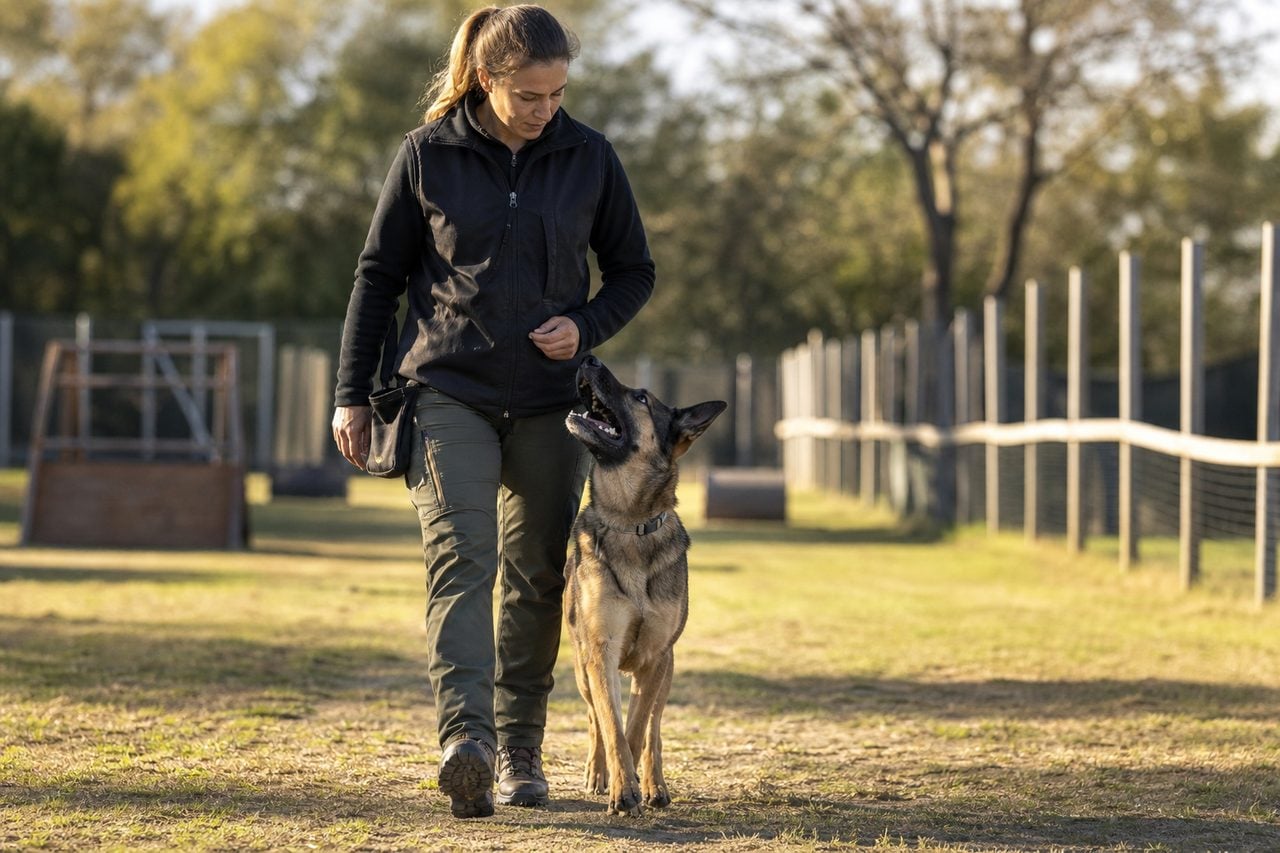
Board and train, sometimes called an immersion or day-boarding program, is an option where your dog stays with a trainer for a stretch of time and comes home with a foundation of skills already in place. For busy Pottsville owners, or those wrestling with stubborn problems they haven’t been able to crack on their own, it can sound like an appealing shortcut. It can work very well, but it’s also the most misunderstood and highest-stakes training choice you can make, so it deserves careful thought before you commit.
This guide explains what board and train actually is, who it suits and who it doesn’t, why the follow-up sessions are the part that really matters, and how to vet a facility you’re trusting with your dog. Given how spread out Schuylkill County is, it also covers the practical realities of finding a program within a reasonable radius of Pottsville and weighing it against other formats.
What Board And Train Actually Is
In a board and train program, your dog lives with a professional trainer, either at a dedicated facility or in the trainer’s home, for a set period while receiving daily, focused training. Instead of you doing the teaching with weekly guidance, the trainer does the heavy lifting of installing behaviors, then hands the trained dog back to you along with instructions on how to maintain the results. It’s the most hands-off option for the owner during the training phase, which is precisely its appeal and, as we’ll see, its main risk.
Programs vary widely in length and focus. Some are short, aimed at basic manners and obedience, while longer ones tackle more involved goals or specific behavioral issues. The daily routine typically includes multiple short training sessions, structured rest, socialization where appropriate, and exercise. Because the trainer works with the dog several times a day, every day, skills can develop faster than the once-a-week pace of a group class, since there’s no gap for the dog to forget between lessons.
There’s also a day-training variation worth knowing about, where the dog goes to the trainer during the day and comes home at night, a bit like daycare with a training focus. This keeps the dog in your home environment overnight, which many owners prefer, while still getting professional daily work. It also gives you more frequent contact with the trainer and the dog throughout the process.
Whatever the format, the core idea is the same: concentrated professional training over a compressed timeframe, with the crucial caveat that the results have to be transferred to you afterward. Understand going in that you’re paying for a head start and expert handling of the hard parts, not for a finished, self-maintaining product. That distinction shapes everything about whether a program will actually work for your situation.
It also helps to be clear about what board and train is not. It isn’t a boarding kennel that happens to do a little training on the side, and it isn’t a way to skip the work of learning to handle your own dog. The best programs are structured around teaching behaviors the dog will keep and then equipping you to sustain them. If a program’s pitch leans heavily on how little you’ll have to do, be skeptical, because that’s the opposite of how lasting results are actually built.
Who It Suits And Who It Doesn't
Board and train fits certain situations better than others. It can be a strong option for owners who are genuinely short on time, have a physical limitation that makes hands-on training difficult, or feel out of their depth with a particular problem they haven’t been able to solve. It’s also useful for jump-starting a dog with significant issues that need experienced, consistent handling, giving you a trained baseline to maintain rather than starting from zero yourself. For the right dog and owner, it can compress months of struggle into a few focused weeks.
That said, it is not a magic fix, and it isn’t right for everyone. The single biggest misconception is that you can drop the dog off, pick up a finished product, and change nothing about how you live with it. Dogs are context-sensitive; a behavior trained in the facility won’t automatically hold at home unless you learn to cue and reinforce it. Owners unwilling or unable to do the follow-up work often see the gains fade within weeks, which makes the whole investment a waste.
Cost and separation are real considerations too. Board and train is typically among the more expensive training options because you’re paying for full-time professional care and handling. And your dog spends that period away from you, which some dogs handle fine and others find stressful. Weigh honestly whether your particular dog copes well with being in a new environment away from its family, or whether that stress might undercut the training.
Serious behavioral cases, particularly aggression or deep-rooted fear, deserve extra caution. These issues can sometimes be worsened by the wrong approach or by the stress of separation and a strange environment. For these dogs, the trainer’s methods and experience matter enormously, and some behavior professionals actually prefer to work with the dog and owner together rather than sending the dog away, because the owner’s handling is so central to the problem. If your main issue is reactivity or aggression, discuss frankly with the trainer whether board and train is truly the best route for your dog or whether another format would serve better.
Why Transfer Sessions Make Or Break It
If you take one thing from this guide, make it this: the follow-up, or transfer, sessions are what determine whether board and train works. Your dog can come home with beautiful obedience, but if you don’t learn how to maintain it, the training erodes within weeks. The dog listens to the trainer because the trainer built the relationship and knows exactly how to cue each behavior, with the right timing and body language; you have to learn those same skills to get the same response at home.
A quality program builds these handoff, or go-home, lessons directly into the package rather than treating them as an afterthought. During them, the trainer teaches you the commands, the timing, the rewards, and the body language, and watches you practice with your own dog until you can reliably get the behaviors yourself. This is where you actually acquire the ability to keep the training alive, so it deserves your full attention and honest practice, even if it feels awkward at first.
Some programs include several transfer sessions spread over the following weeks to make sure the skills stick as the dog settles back into home life, where the distractions and temptations are different from the training environment. That kind of ongoing support is a strong sign of a program that cares about lasting results rather than just clearing dogs through.
Be wary of any program that skimps on this piece. A facility that returns a “trained” dog with only a quick rundown at pickup and no real handler coaching is setting you up to lose your investment, whether they intend to or not. When comparing options, ask specifically how they transfer the training to you, how many follow-up sessions are included in the price, and what support you get if problems resurface at home down the line. The answers to those questions tell you far more about a program’s quality than the length of the boarding stay does.
Choosing A Facility You Can Trust
Because your dog will be in someone else’s full-time care, often out of your sight for days or weeks, vetting a board and train facility is more important than vetting any other kind of training. Start with transparency. A trustworthy trainer will let you tour the facility, show you where dogs sleep and exercise, and explain their daily routine and methods in plain language. Reluctance to let you see where your dog will actually stay is a serious red flag that should give you pause.
Methods matter enormously here, precisely because you won’t be present to observe the training as it happens. Ask exactly how they teach behaviors and, critically, how they handle mistakes and unwanted behavior when it comes up. You want positive, reward-based methods and someone who can explain their approach clearly and comfortably. Be very cautious of trainers who won’t detail their techniques or who rely on fear, pain, or harsh equipment, especially when the work happens behind closed doors. Ask whether you can visit during the stay or receive regular updates, photos, or videos of your dog’s progress.
Dig into the practical details too, because they affect your dog’s safety and wellbeing directly. Ask about staff-to-dog ratios, how dogs are housed and supervised overnight, what happens in a medical emergency and which vet they use, vaccination requirements for all dogs on-site, and how they group dogs to keep everyone safe. A well-run facility has clear, confident answers to all of these.
Reviews from other local owners and clear credentials add confidence, though remember the field is unregulated and anyone can claim expertise. Trust your gut during the tour and conversation. If anything about the operation feels off, if the dogs on-site seem stressed, or if a trainer overpromises guaranteed results, walk away and keep looking. A good facility answers every question openly, welcomes your involvement, and never pressures you into signing up on the spot.
Board And Train In A Spread-Out Region
Schuylkill County’s geography shapes the board and train picture in a real way. The area is a patchwork of small boroughs, Schuylkill Haven, Minersville, Saint Clair, Frackville, Orwigsburg, Pine Grove, Tamaqua, Shenandoah, Mahanoy City, New Ringgold, and wide rural townships between them, rather than one dense population center. Dedicated board and train facilities aren’t on every corner, so owners often need to consider programs across a wider radius from Pottsville than they would for a weekly class.
This spread has an upside and a downside. The upside is that because trainers here already serve broad territories, a strong board and train option a reasonable drive away is often well worth the trip, and since your dog stays on-site, the commute only matters at drop-off, pickup, and transfer sessions rather than every single week. A great program forty minutes away is more practical for board and train than it would be for a class you’d have to attend weekly.
The downside is fewer nearby choices, which makes it tempting to settle for the closest option rather than the best-fit one. Resist that temptation. The quality of the facility, the trainer’s methods, and the strength of the transfer program matter far more than the mileage. You’re trusting this operation with your dog’s welfare and your money for an extended period, so it’s worth driving farther to get it right.
Some owners find that in-home private training or day-training strikes a better balance than traditional overnight board and train, keeping the dog closer and less stressed while still getting intensive professional work. It’s genuinely worth weighing all the formats against your specific situation, your dog’s temperament, and your budget before defaulting to any one of them. A local directory helps here, letting you see which trainers offer board and train, day-training, or immersion programs and roughly how far they are, so you can compare the real options within a practical distance instead of guessing from a single listing.
Making The Results Last
Getting your dog back is the beginning, not the end, of the process. The first days home are a transition; your dog is moving from a highly structured training environment back into everyday family life, with its old associations and old temptations, and behaviors need to be actively maintained or they’ll drift. Follow the trainer’s go-home instructions closely from day one, keep practicing the cues daily, and hold the whole household to the same rules and commands so the dog isn’t getting mixed signals from different people.
Consistency is what preserves the investment you just made. If the trainer taught the dog to wait at doorways and settle calmly on a mat, keep enforcing those exact expectations at home rather than letting old habits quietly creep back in because it’s easier in the moment. Short, regular practice folded into normal daily life keeps skills sharp without feeling like a chore. Many programs include check-in sessions in the weeks after the dog returns; use them fully, and don’t hesitate to reach out promptly if something starts slipping rather than waiting until it’s a full relapse.
Expect an adjustment period and don’t panic if the dog tests boundaries at first. Coming home to the family it’s bonded with, the dog may push a little to see whether the new rules really apply here too. Calm, consistent follow-through in those first couple of weeks settles it. This is also exactly why the transfer sessions matter so much, they give you the tools to handle this predictable testing phase confidently.
Generalizing the training to real Pottsville life is the final piece. Practice the new skills in the places you’ll actually use them: on walks around your neighborhood, at a park like Sweet Arrow Lake or Locust Lake, and near the everyday distractions of town, adding difficulty gradually as the dog succeeds. A dog that performs perfectly at the quiet facility still needs reps in your busier world to be reliable there. Owners who stay consistent for the first month, use their check-in sessions, and keep practicing in new settings almost always hold onto the gains, while those who expect the training to maintain itself are the ones who end up disappointed.
Reviewed Board & Train Trainers in Pottsville
These reviewed Pottsville-area trainers from our directory handle board & train. Each links to a full profile with specialties, certified credentials, reviews, and contact info:
- Lead Your K9 — 4.7★ (33 reviews)
- Mountain Adventures K9 Academy — 4.6★ (22 reviews)
- Char-Will Kennels — 4.5★ (218 reviews)
See all Pottsville board & train trainers →
Frequently Asked Questions
What is a board and train program?
It’s a program where your dog stays with a professional trainer, either at a facility or the trainer’s home, for a set period and receives intensive daily training. The trainer installs the behaviors, then teaches you how to maintain them when the dog comes home. Programs vary in length and focus, from basic obedience to more involved behavioral work.
Will my dog come home fully trained and stay that way?
Not automatically. Dogs are context-sensitive, so skills learned at a facility fade unless you learn to cue and reinforce them at home. That’s why the transfer or go-home sessions are essential. The lasting result depends heavily on the daily maintenance and consistency you provide after the dog returns, not just the trainer’s work.
Is board and train good for aggression or serious fear?
It can be, but it requires extra caution and a genuinely experienced trainer, since the wrong approach or the stress of separation can sometimes worsen these issues. Some behavior professionals prefer working with the dog and owner together for such cases. Discuss your dog’s specific problem honestly with the trainer and ask how they handle it before committing.
Why are the follow-up sessions so important?
Because your dog obeys the trainer who built the skills and knows exactly how to cue them; you need to learn those same techniques to get the same response. Transfer sessions teach you the commands, timing, and body language until you can reliably get the behaviors yourself. A program that skimps on this coaching is setting you up to lose your investment.
How do I vet a board and train facility?
Insist on touring the facility and seeing where dogs sleep and exercise; reluctance is a red flag. Ask exactly how they teach and how they handle mistakes, favoring positive, reward-based methods. Check staff-to-dog ratios, supervision, emergency procedures, and vaccination requirements. Reviews and clear credentials help, and you should walk away from anyone who overpromises guaranteed results.
Are there board and train options near Pottsville?
Options exist, though because Schuylkill County is spread across many boroughs and townships, a strong program may be a wider drive away than a weekly class. Since the dog stays on-site, the distance mainly affects drop-off, pickup, and transfer visits. Consider day-training or in-home alternatives too, and use a local directory to compare programs and their locations within a practical radius.
Related: read our complete board & train guide or the full Pottsville dog training overview.
Ready to find the right board & train pro in Pottsville?