
Dog Boot Camp in Allentown, PA
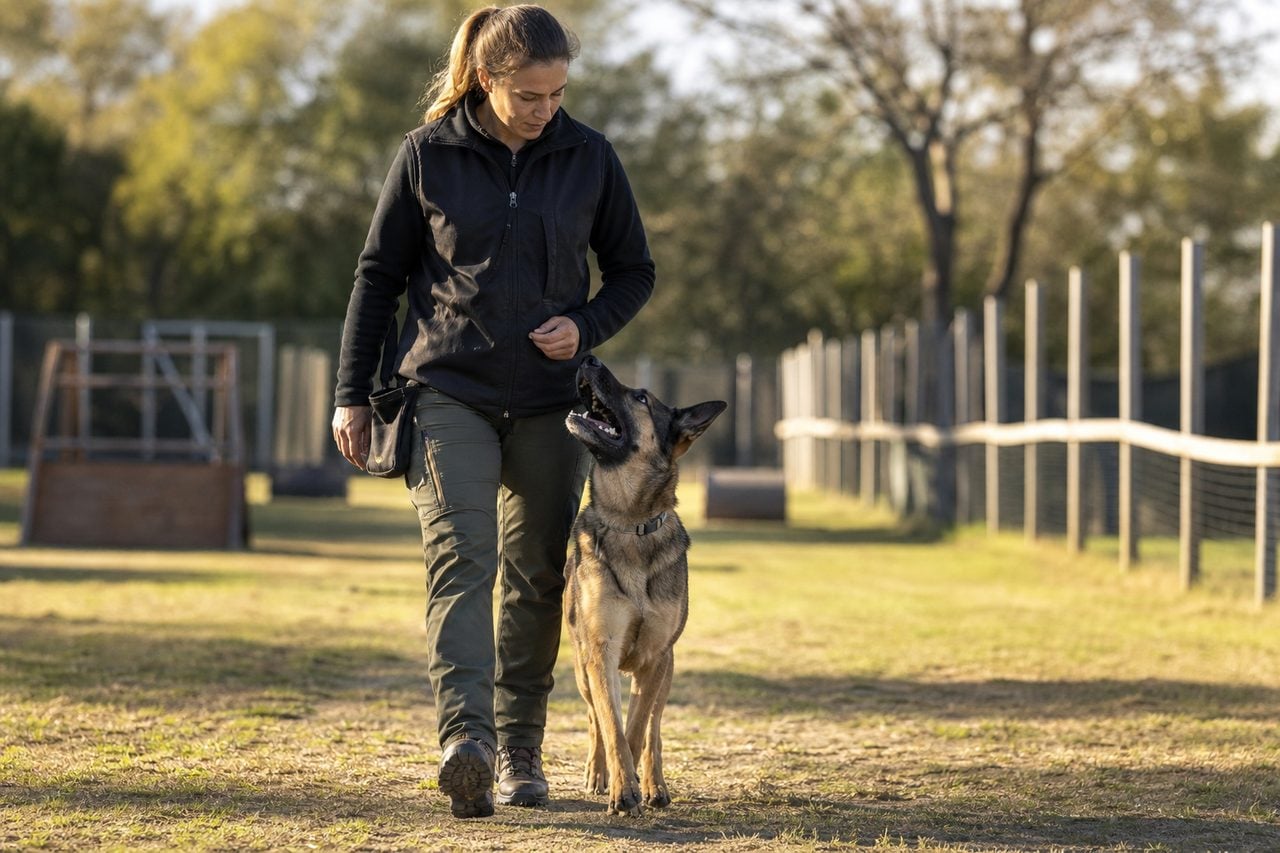
A dog boot camp is an intensive, structured training program — usually run as a day-program where your dog attends for full days of focused work and returns home each evening. Across the Lehigh Valley, from Allentown and Whitehall to Bethlehem and Easton, families turn to boot camp when they want faster progress than weekly classes deliver but prefer to keep their dog sleeping at home rather than boarding at a facility. The appeal is concentrated effort: instead of one lesson a week, your dog gets multiple guided training blocks a day, with rest and enrichment in between, so skills build quickly.
Boot camp is sometimes confused with residential board-and-train, but the difference is fundamental. In a boot-camp day-program, your dog comes home every night, which keeps it bonded to your routine and lets you reinforce the day’s work each evening. That daily return is a feature, not a limitation — it folds your household into the training loop from day one and makes the at-home transfer smoother. It also suits dogs that would find an extended overnight stay away from family stressful.
This guide explains how a Lehigh Valley boot camp works: what a typical training day looks like, who benefits most, how to evaluate a program, and how to keep the momentum going at home along the Lehigh River. It also lays out the practical difference between an intensive day-program and a residential board-and-train, since the two are easy to confuse but suit very different dogs and schedules. Whether you’re in a Macungie townhouse, a Bethlehem twin near the Moravian campus, or on a few acres up toward the farm country north of Bath, use it to decide whether an intensive day-program is the right path for your dog and to ask the questions that separate a serious program from a flashy one across Lehigh and Northampton counties.
What A Dog Boot Camp Day Looks Like
A boot-camp day is built around several short, focused training sessions spaced out across the hours your dog is on-site, with structured rest, exercise, and enrichment filling the gaps. Rather than one long grind, the day cycles between work and recovery, because dogs learn best in concentrated bursts followed by downtime to consolidate what they’ve practiced. A Lehigh Valley program might open with leash work and impulse control, move to place and stay duration, break for a rest, then revisit recall and polite greetings in the afternoon.
The intensity comes from frequency. Where a weekly class gives one hour of guided practice, a boot-camp day delivers multiple guided blocks under a professional’s eye, with consistent rules enforced the whole time. That consistency — same cues, same expectations, all day — is what accelerates learning. Many programs also work distraction training into the day, practicing skills around mild real-world challenges so behaviors hold up beyond a quiet training room. At pickup, the trainer typically briefs you on the day’s progress so you can reinforce the same work that evening at home.
Boot Camp Versus Board-And-Train
The clearest way to understand a boot camp is to contrast it with residential board-and-train. In board-and-train, the dog lives at the facility for a continuous stretch — overnight stays included — while a boot-camp day-program sends the dog home each evening. Both are immersive and both compress learning into a short window, but the living arrangement changes the whole experience for dog and owner alike.
Boot camp’s daily return keeps your dog in its own bed and your household actively involved from the start. You see progress nightly, practice the day’s skills in your own Emmaus living room or Allentown backyard, and arrive at the program’s end already fluent in the cues. Board-and-train, by contrast, hands off everything at once at the end of an extended stay, which puts more weight on a single go-home transfer. Boot camp tends to suit dogs that would stress over being away overnight and owners who want to stay hands-on throughout. Board-and-train can suit those whose schedules can’t accommodate daily drop-off and pickup. Neither is universally better — the right choice depends on your dog and your logistics.
Which Dogs Benefit Most From Boot Camp
Intensive day-programs work especially well for dogs that need a fast, structured reset on everyday manners — pulling on leash, jumping on guests, ignoring recall, general unruliness — and for owners who want concentrated professional help while staying involved each evening. An adolescent dog testing boundaries in a busy Bethlehem household, or an energetic adult that never learned basic structure, often responds quickly to the frequency and consistency a boot-camp day provides.
Boot camp is also a good fit when a family’s schedule allows daily drop-off and pickup but can’t support an overnight stay, or when a dog would find boarding stressful. It is less suited to very young puppies, who generally benefit more from owner-led socialization during their critical learning windows, and serious behavioral concerns — particularly anything involving aggression — warrant a proper in-person assessment before enrolling in any group or intensive format. A reputable Lehigh Valley trainer will evaluate your dog first and tell you honestly whether a boot camp is the right tool or whether a different approach would serve you better.
How To Evaluate A Boot Camp Program
Since boot camp is intensive and your dog spends full days in someone else’s care, evaluate the program carefully before enrolling. Visit in person and look at where dogs train, rest, and exercise. Ask about the trainer-to-dog ratio — smaller ratios mean more individual attention — and how dogs are grouped or separated during the day. With the valley’s snowy winters and humid summers, ask how outdoor work and rest are managed in extreme weather.
Ask the trainer to explain their methods in plain terms: how they teach a new behavior, how they respond to mistakes, and what equipment they use and why. Request specifics on how the day is structured and how they handle a dog that’s stressed or struggling. Good programs share references, set realistic expectations, and communicate daily progress at pickup. Be cautious of any program that won’t let you observe, dodges questions about methods, or promises guaranteed results. The transparency you see while evaluating is a reliable preview of the communication you’ll get once your dog is enrolled.
The Daily Handoff At Pickup
One of boot camp’s biggest advantages is the daily handoff. Because your dog comes home every evening, you get a regular briefing on what was worked on and a chance to practice it immediately in your own environment. This nightly loop — learn at the program, reinforce at home — is what makes the skills stick, and it means you finish the program already comfortable giving the cues yourself.
Make the most of it. At pickup, ask the trainer to show you exactly how to give each new cue, reward correctly, and hold the same standard the dog met that day. Then practice that evening in short sessions — before dinner, before a walk along the Saucon Rail Trail, during quiet time at home. Keep the vocabulary and rules identical to what the trainer used so your dog isn’t confused by mixed signals. The whole family should learn the same cues, since inconsistency between household members is one of the fastest ways to undo a day’s progress. Treated as a partnership, the daily handoff turns each boot-camp day into lasting change.
Costs, Length, And Setting Expectations
Boot-camp pricing reflects the intensity of the format — multiple guided sessions a day over a set number of days or weeks — and varies with program length, the trainer’s experience, and the complexity of your goals. Because the dog goes home nightly, day-program boot camps typically cost less than full residential board-and-train, though they still represent a meaningful investment. Ask for a written breakdown of what’s included: number of days, daily session structure, pickup briefings, and any follow-up support, so you can compare valley programs on equal footing.
Set realistic expectations about timelines. An intensive week or two can build a strong obedience foundation and noticeably improve manners, but deeply rooted habits take longer and depend on consistent reinforcement at home afterward. No honest program guarantees a finished dog in a fixed number of days — behavior change is a process you continue maintaining. The best Lehigh Valley trainers frame boot camp as a powerful accelerator paired with your daily involvement, not a magic fix. Grounded expectations protect both your budget and the relationship you’re building with your dog.
Carrying Momentum Into Daily Life
Boot camp’s daily-return structure gives you a head start on the hardest part of any training: making behaviors hold up in real life. Use it. Take the skills your dog practices on-site into the actual settings of valley life — a controlled walk through a busy Allentown neighborhood, a steady down-stay at a Bethlehem festival, recall practice on a quiet stretch of the D&L Trail. Generalizing skills across places and distractions is what turns trained responses into reliable habits.
Keep practice short and frequent rather than long and occasional. Reinforce cues during ordinary daily moments — at the door, before meals, on every walk — so good behavior stays part of normal life rather than something reserved for training time. During snowy stretches when outdoor sessions are short, maintain skills indoors with brief drills. Keep the same words and standards every family member learned at pickup, and loop your trainer back in early if a problem resurfaces. Because you’ve been practicing nightly throughout the program, this maintenance phase tends to feel like a natural continuation rather than a fresh start — which is exactly what makes boot-camp results last.
Reviewed Dog Boot Camp Trainers in Allentown
These reviewed Allentown-area trainers from our directory handle dog boot camp. Each links to a full profile with specialties, certified credentials, reviews, and contact info:
- Katz Dogs K9 — 5.0★ (90 reviews)
- The Canine Cowgirl Training Co. — 5.0★ (35 reviews)
- The Wizard of Dogs LLC — 5.0★ (15 reviews)
- Pawsability Unleashed — 5.0★ (9 reviews)
- K-9 Kampus — 4.8★ (56 reviews)
- Tall Tails Training & Boarding — 4.7★ (114 reviews)
- Best Paw Forward Dog Training — 4.7★ (92 reviews)
- Joe’s Dog Training and Boarding — 4.7★ (3 reviews)
- Hope Lock Kennels — 4.6★ (106 reviews)
- Last Chance Ranch — 4.5★ (563 reviews)
See all Allentown dog boot camp trainers →
Frequently Asked Questions
Does my dog sleep at home during a boot camp?
Yes — a dog boot camp is typically a day-program, so your dog attends for full days of intensive training and returns home each evening. This is the key difference from residential board-and-train, where the dog stays overnight at the facility. The daily return keeps your dog bonded to your household and lets you reinforce each day’s work at home that same evening.
How is a boot camp different from regular weekly classes?
The difference is intensity and frequency. Weekly classes give roughly one guided hour at a time, while a boot-camp day delivers multiple focused training blocks under professional supervision, with consistent rules enforced throughout. That concentrated repetition builds skills faster. Classes can be great for ongoing practice and socialization, but boot camp is designed to accelerate a specific set of behaviors over a short, structured window.
How long does a typical boot camp run?
Length varies, but many intensive day-programs run for a defined stretch of days or a couple of weeks, depending on your dog and your goals. Ask the trainer to recommend a length after assessing your dog rather than choosing a fixed package blindly. Keep in mind that even an excellent boot camp is a head start you maintain at home, not a permanent one-time fix.
Is boot camp suitable for puppies?
Very young puppies usually benefit more from owner-led socialization at home during their critical learning windows than from an intensive day-program. For older puppies and adolescents testing boundaries, boot camp can be a good fit. A reputable Lehigh Valley trainer will assess your dog’s age and needs first and tell you honestly whether boot camp or a different approach makes more sense.
What should I do at pickup each day?
Use the daily handoff. Ask the trainer to show you how to give each new cue, reward correctly, and hold the same standard your dog met that day, then practice it that evening in short sessions at home. Keep the cues and rules identical to the trainer’s, and make sure every family member uses the same words. This nightly reinforcement loop is what makes boot-camp results stick.
Can a boot camp guarantee my dog will be fixed?
No honest program guarantees a finished or fully fixed dog in a set number of days. Boot camp provides an intensive, concentrated foundation, but behavior change is an ongoing process that depends on consistent reinforcement at home afterward. Be cautious of any program promising guaranteed outcomes. Realistic expectations plus daily practice will serve your dog far better than any promise.
Related: read our complete dog boot camp guide or the full Allentown dog training overview.
Ready to find the right dog boot camp pro in Allentown?