
Dog Boot Camp in Flint, MI
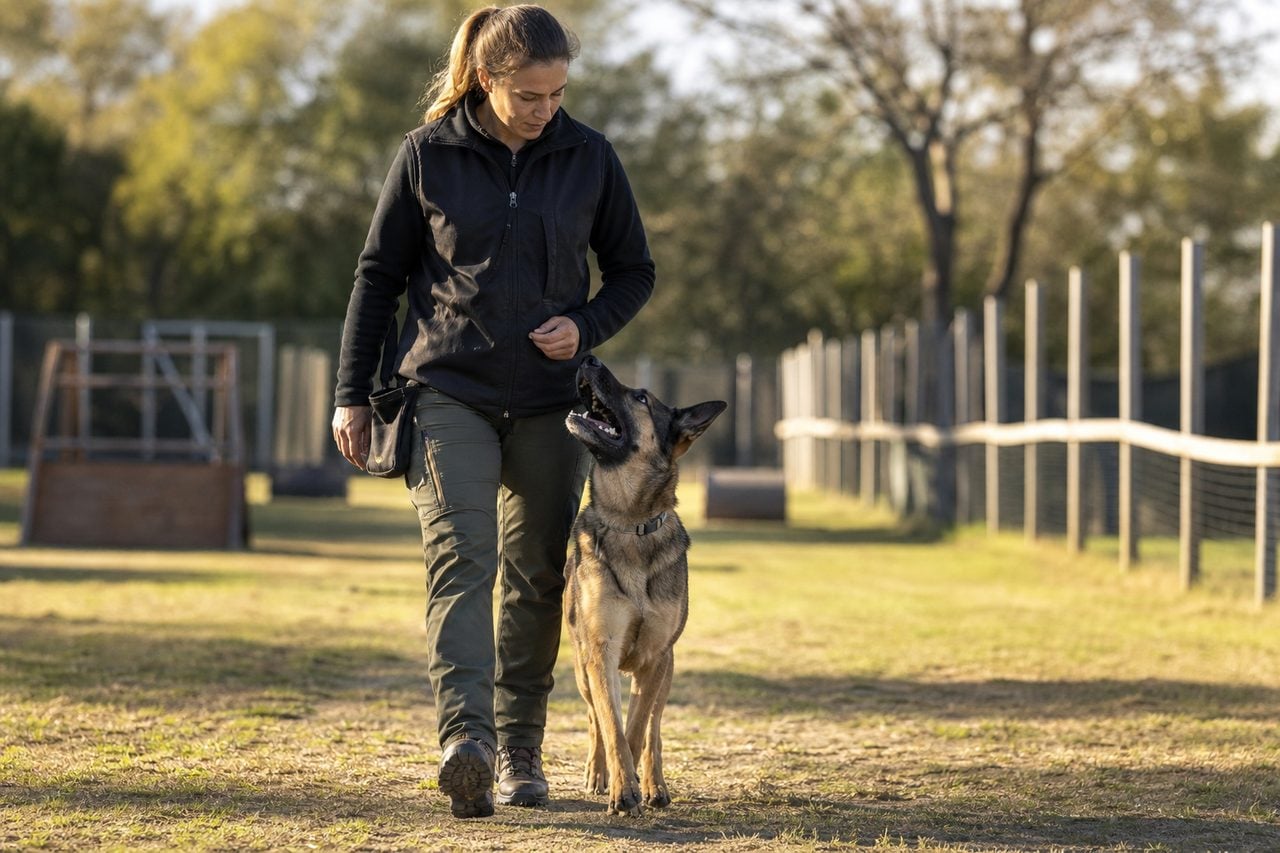
When a dog’s behavior feels like more than you can manage on your own, a dog boot camp, also called a board-and-train program, can look like an appealing shortcut. You drop your dog off, a professional works with them intensively for a set period, and you pick up a better-behaved companion. For busy Flint-area families juggling work, kids, and everything else, that hands-off promise is understandably attractive.
The reality is more nuanced. Board-and-train can be a genuinely effective tool for the right dog and the right goals, but it is not magic, and the quality of programs varies enormously. Understanding how these programs actually work, what they can and cannot deliver, and how to vet a facility is essential before you hand over your dog and a significant amount of money.
This guide explains what dog boot camps involve, who they suit, the critical role you play even when your dog is away, and how to find a reputable program serving Genesee County. The goal is to help you make an informed decision rather than a hopeful one.
What a Dog Boot Camp Actually Is
A dog boot camp is a board-and-train program in which your dog lives at a trainer’s facility, or sometimes in the trainer’s home, for a set period while receiving daily, structured training. Programs commonly run from two to several weeks depending on the goals and the individual dog.
The appeal is intensity and consistency. Instead of a busy household practicing cues here and there, a professional works with your dog multiple times a day in a controlled environment, free from the distractions and mixed signals of daily home life. For certain goals, that concentrated effort can accelerate progress.
Programs generally fall into a few categories:
- Obedience-focused programs that build reliable manners like recall, leash walking, and settling
- Behavior-focused programs that address specific issues such as reactivity, anxiety, or fearfulness
- Puppy-focused programs that establish a foundation during the early months
It is important to understand what a boot camp is not. It is not a place to send a dog you no longer want to deal with, and it does not permanently change a dog without follow-through at home. The most reputable programs are clear about this from the start, and they build owner involvement into the process rather than treating your dog as a problem to be fixed in isolation.
Which Dogs and Goals Are a Good Fit
Board-and-train is a tool, and like any tool it fits some jobs better than others. Being honest about your situation helps you decide whether it is the right choice.
Boot camp tends to make sense when you have a clear, specific goal and a dog who will benefit from concentrated, consistent work. It can also help families who genuinely lack the time to do the intensive early legwork themselves, provided they commit to maintaining the training afterward. Dogs with strong foundational needs, or those whose owners are getting inconsistent results at home, sometimes make faster progress in a structured setting.
It is a weaker fit in a few situations. Serious aggression or complex behavioral issues rooted in fear or anxiety often need a more individualized, ongoing approach, sometimes involving a qualified behavior professional and your veterinarian, rather than a fixed-length program. Very young puppies benefit enormously from being socialized by their own family during the critical window, so shipping that responsibility out is not ideal. And any dog whose owner will not follow through at home is unlikely to hold onto the gains.
Before committing, ask yourself what specifically you want to change, whether that goal is realistic in the program’s timeframe, and whether you are prepared to do the maintenance work. A reputable trainer will have this same conversation with you and will turn away dogs that are not a good match rather than taking your money regardless.
It also helps to think about your household honestly. If several family members interact with the dog daily, everyone will need to learn the new cues and handling when the dog returns, or the dog will get mixed signals and slide backward. Board-and-train works best when the whole household is on board with maintaining the training, not just the person who arranged it. A program that produces great results with the trainer but goes home to an inconsistent household rarely holds up. Aligning everyone in advance is part of making the investment pay off.
The Part Everyone Underestimates: The Handoff
Here is the single most important thing to understand about board-and-train, and the reason so many people feel disappointed: the training does not transfer automatically when your dog comes home. A dog can perform beautifully for a professional in a controlled facility and then seem to forget everything in the chaos of your living room. This is not the dog being stubborn. It is how dogs learn.
Dogs do not generalize well across contexts. A cue learned in one environment with one person does not automatically apply everywhere with everyone. That is why the transfer process, when the trainer teaches you to maintain and continue the work, matters as much as the boarding period itself.
A quality program builds this in through:
- Owner training sessions where you learn to give cues, reward correctly, and handle your dog the way the trainer does
- Go-home instructions that are clear, written, and specific to your dog
- Follow-up support such as check-ins or additional sessions after your dog returns
If a program promises to hand you a finished dog with little involvement on your part, be skeptical. The facilities that produce lasting results are the ones that treat you as an essential part of the process. When comparing programs, weigh the transfer and follow-up components heavily. They often separate a lasting result from a short-lived one.
There is a practical way to make the handoff work in your favor. Plan for a deliberate reintroduction period once your dog is home rather than expecting to snap back into old routines instantly. For the first days and weeks, practice the new cues in the same low-distraction way the trainer did, then gradually raise the difficulty as your dog succeeds. Take your dog to progressively busier real-world settings around the Flint area, from a quiet street to a calm section of the Flint River Trail to a busier environment, so the training generalizes to the places you actually live your life. This gradual bridge from the facility to your world is exactly what turns a two-week program into a lasting change.
How to Vet a Board-and-Train Facility
Because your dog will live away from you, and because the field is unregulated, vetting a boot camp deserves more scrutiny than choosing a group class. Do your homework carefully.
Insist on seeing the facility. Ask to tour where your dog will sleep, eat, and train. Look for clean, safe, appropriately sized accommodations and pay attention to how the resident dogs seem. A trainer who is reluctant to show you the space is a serious warning sign.
Understand the methods. Ask exactly how they will train your dog and, critically, how they handle unwanted behavior when you are not there to see it. This is the heart of the matter with board-and-train, since you are trusting someone to work with your dog out of your sight. Favor trainers who emphasize reward-based methods and who can explain their approach in plain language.
Key questions to ask:
- What is a typical day like for a dog in your program?
- How many dogs are in your care at once, and how much individual attention does each get?
- What methods and equipment do you use, and why?
- How do you handle a dog that is stressed or not progressing?
- What does the go-home transfer and follow-up look like?
- What are your vaccination and health requirements?
Watch for red flags: guarantees of specific results, refusal to show the facility, vague answers about methods, no owner-transfer component, or pressure to commit immediately. Trust your instincts. If something feels off, keep looking. Comparing several facilities in a directory before you visit makes it easier to ask sharper questions.
Board-and-Train Options Around Genesee County
Board-and-train programs are less common than group classes, so the supply across the Flint metro is thinner. That means you may need to cast a wider net and be willing to travel, which is often reasonable given that your dog stays on site anyway.
Flint and the central metro. The Flint core and nearby communities are the natural starting point for your search, with the best access to a range of facilities within a short drive.
Grand Blanc and the south. The southern corridor along I-75 puts families within reach of programs both in Genesee County and toward the communities to the south. Proximity to the highway makes drop-off and pickup straightforward.
Burton, Davison, and the east. Eastern communities are well placed for facilities that draw clients county-wide. For dogs whose goals include calm behavior in natural settings, the trails and open space around For-Mar Nature Preserve can be a useful real-world proving ground once training is underway.
Flushing, Swartz Creek, and the west. West-side families may find fewer options close to home and should look at facilities serving the whole metro. Since the dog boards on site, a longer one-time drive is usually a fair trade for the right program.
Fenton, Linden, and the lake country. The southern lake communities sit near the county edge, giving families access to trainers in both Genesee and neighboring counties. The varied environment, from water to open space, can support well-rounded training.
Northern and rural townships. Around Mt Morris, Clio, and the rural edges toward Lapeer and Ortonville, options are sparser. Widening your search toward the Flint core, or toward the surrounding region, opens up more reputable choices. Given how much rides on program quality, driving farther for a facility you trust is well worth it.
Costs, Alternatives, and Realistic Expectations
Board-and-train is typically among the more significant investments in dog training, reflecting the round-the-clock care and intensive daily work involved. Rather than focusing on any single number, weigh the total value: the training itself, the boarding, the owner-transfer sessions, and the follow-up support. A slightly higher-cost program that includes strong follow-through can be the better value than a cheaper one that hands your dog back with no support.
It is also worth knowing the alternatives, because boot camp is not the only path:
- Private lessons where a trainer coaches you to work with your own dog, spreading the effort over time and keeping you central to the process
- Day training where a trainer works with your dog during the day but the dog comes home each night, keeping your bond intact
- Group classes for foundational manners and socialization at a lower cost
For many families, a combination works well. Some challenges genuinely benefit from the intensity of board-and-train, while others are better served by ongoing private coaching. If you are unsure, a consultation with a trainer who offers multiple formats can help you match the approach to your dog.
When you compare the true cost, factor in your own time as well as money. Private lessons and day training spread the effort over weeks and keep you doing the daily work, which suits families who have some time but want expert direction. Board-and-train front-loads the professional effort into a concentrated block, which suits families who are stretched thin day to day but can commit to maintenance afterward. Neither is inherently better value; the right answer depends on where your constraints actually are. Being honest about your time, your budget, and your follow-through will point you to the format most likely to give you a lasting result rather than the one that simply sounds easiest.
Finally, keep expectations grounded. No program can guarantee a specific outcome, and no reputable trainer will promise one. Progress depends on your dog, the goals, the quality of the program, and above all your follow-through at home. Approached with clear eyes and realistic goals, board-and-train can be a valuable part of your dog’s development. Approached as a magic fix, it almost always disappoints.
Making Your Decision With Confidence
If you are weighing a dog boot camp, work through a simple sequence to reach a decision you can feel good about.
Start by defining the specific behaviors you want to change and asking whether they are realistic to address in a fixed-length program. Vague goals like a better dog are hard to evaluate; concrete goals like a reliable recall or calmer leash walking are much easier to assess against a program’s promises.
Next, honestly assess your own commitment to follow-through. Because the transfer home is where results are won or lost, board-and-train only pays off if you will maintain the work. If you are not sure you can, private lessons or day training may serve you better.
Then compare several facilities. Browse the programs serving the Flint area, shortlist a few, and visit each one in person. Ask the questions from this guide, tour the space, and pay attention to how the trainer talks about your dog and about their methods. The right partner will be transparent, will ask you good questions in return, and will be honest if board-and-train is not the best fit.
One last piece of advice: give yourself permission to walk away from a program that does not feel right, even late in your search. It is easy to feel committed once you have invested time visiting facilities and having conversations, but your dog will be in someone else’s care around the clock, and that trust has to be earned. A transparent trainer who welcomes your questions, shows you the space without hesitation, and speaks honestly about what board-and-train can and cannot do is worth waiting and searching for. The families who are happiest with their board-and-train experience are almost always the ones who chose carefully rather than quickly.
A dog boot camp is a serious decision, but it does not have to be a leap of faith. With clear goals, careful vetting, and a genuine commitment to the work at home, Flint-area families can use board-and-train effectively as one part of raising a well-behaved dog.
Reviewed Dog Boot Camp Trainers in Flint
These reviewed Flint-area trainers from our directory handle dog boot camp. Each links to a full profile with specialties, certified credentials, reviews, and contact info:
- Canine Co-Pilots Dog Training LLC — 5.0★ (53 reviews)
- Einstein Dog Training — 4.8★ (178 reviews)
- Butternut Creek Kennels — 4.8★ (62 reviews)
- Stonehill Kennels — 4.7★ (195 reviews)
- Ugly Dog Boarding, Daycare & Training — 4.5★ (191 reviews)
See all Flint dog boot camp trainers →
Frequently Asked Questions
What exactly is a dog boot camp?
A dog boot camp, or board-and-train, is a program where your dog stays at a trainer’s facility for a set period, often two to several weeks, receiving daily structured training in a controlled environment. The intensity and consistency can accelerate progress on specific goals, but lasting results depend heavily on the owner continuing the work at home afterward.
Will my dog remember the training when they come home?
Not automatically. Dogs do not generalize well across environments, so a dog can perform well at the facility and seem to forget at home. That is why the transfer process, where the trainer teaches you to give cues and maintain the training, is as important as the boarding itself. Choose programs with strong owner-training and follow-up components.
Is board-and-train right for aggression or anxiety?
Serious aggression and complex fear or anxiety issues often need a more individualized, ongoing approach, sometimes involving a qualified behavior professional and your veterinarian, rather than a fixed-length boot camp. Some behavior-focused programs do address these issues, but be cautious of any program promising a quick fix, and discuss the specifics carefully with the trainer.
How do I vet a board-and-train facility?
Always tour the facility to see where your dog will sleep, eat, and train. Ask how they handle unwanted behavior when you are not present, how many dogs they take at once, what a typical day looks like, and what the go-home transfer includes. Favor reward-based methods and transparency. Reluctance to show the space or vague answers about methods are serious red flags.
Are there alternatives to boot camp?
Yes. Private lessons coach you to train your own dog over time, day training has the trainer work with your dog during the day while the dog comes home each night, and group classes cover foundational manners and socialization at lower cost. Many families combine formats. A consultation can help you match the right approach to your dog and goals.
Where can I find dog boot camps near Flint?
Board-and-train programs are less common than group classes, so options across Genesee County are thinner and you may need to travel. The central Flint metro and the I-75 corridor near Grand Blanc are good starting points, while families in the northern and rural townships often widen their search toward the Flint core or the surrounding region. Since your dog boards on site, a longer one-time drive for the right program is usually worthwhile.
Related: read our complete dog boot camp guide or the full Flint dog training overview.
Ready to find the right dog boot camp pro in Flint?