
Dog Boot Camp in Grand Rapids, MI
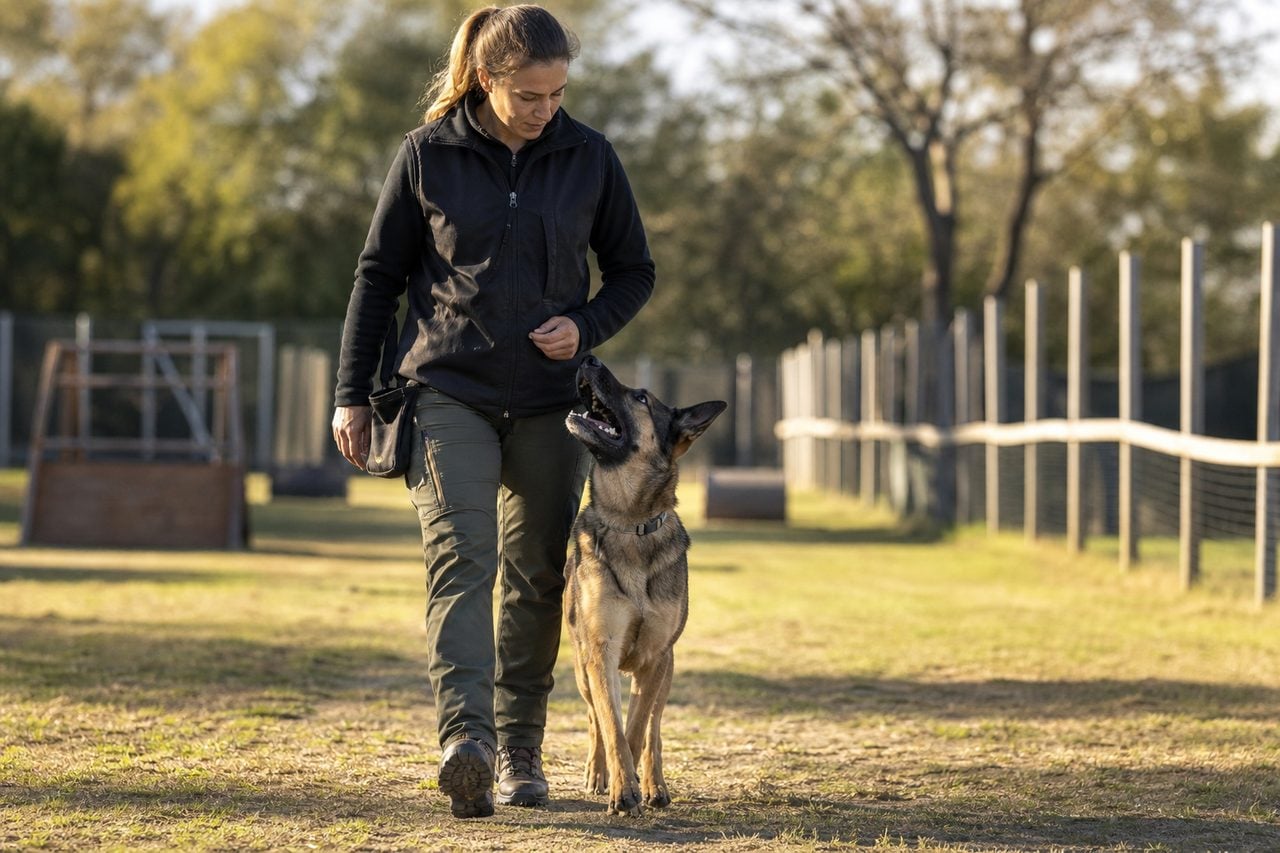
If your dog’s behavior has reached the point where a weekly group class feels like too little, too slow, a dog boot camp — also called board-and-train — is worth understanding before you commit. In this format your dog lives with a professional trainer for a set stretch of days or weeks, working obedience and behavior every single day, and comes home with skills already installed. For busy Grand Rapids households juggling work downtown, kids’ schedules, and weekend trips out to the Lake Michigan shoreline, that hands-off intensity is the whole appeal.
But boot camp is also the most misunderstood service in dog training. It is not a magic reset button, it is not the right fit for every dog or every problem, and the quality of the trainer matters more here than in any other format because you are not in the room to see how your dog is handled. This guide walks through what boot camp actually is, when it makes sense for West Michigan dog owners, what to look for, and how to make the results stick long after your dog comes home.
What a Dog Boot Camp Actually Is
A dog boot camp is an immersive training program where your dog stays with a trainer or at a training facility full-time, usually for anywhere from two to six weeks depending on the goals. Instead of one lesson a week, your dog gets multiple short, structured training sessions every day, folded into a consistent daily routine of feeding, rest, exercise, and practice. That repetition and consistency is the entire mechanism — dogs learn fastest when the rules never change and the reinforcement is reliable, which is hard to pull off in a normal household with competing priorities.
The term “boot camp” is marketing shorthand and it can be misleading. The good programs are not about drilling a dog into submission through pressure. They are about building clear communication, rewarding correct choices, and gradually raising the difficulty so behaviors hold up in real life. A dog that only sits in a quiet training room has not learned much; a dog that sits reliably with distractions around is the actual goal.
Most boot camps focus on foundational obedience — reliable recall, loose-leash walking, sit, down, place, and impulse control around doors, food, and guests. Many also take on specific behavior issues like jumping, counter-surfing, leash reactivity, or crate anxiety. What separates a program that lasts from one that fades is whether the trainer transfers those skills to you at the end, so you can maintain and reinforce them at home in Kentwood, Rockford, Ada, or wherever you live.
Is Boot Camp Right for Your Dog and Your Situation
Boot camp shines in a few specific situations. The first is the time-crunched owner who genuinely cannot commit to daily practice for weeks on end. A physician working long shifts at one of the big hospital systems downtown, a parent shuttling kids across Kent and Ottawa counties, or someone traveling constantly for work may simply not have the bandwidth to run a training program themselves. Handing the heavy lifting to a professional and then learning to maintain the results can be a realistic path where group class would quietly fail.
The second is the dog with a stubborn or entrenched issue where the owner has tried and stalled. Sometimes the human is unintentionally reinforcing the exact behavior they want to stop, and a few weeks of clean, consistent handling breaks the cycle. The third is puppies and young dogs during a critical developmental window, where a concentrated burst of good habits sets a foundation that is much harder to build later.
Boot camp is a poor fit in a few cases, though. If your dog has serious fear, anxiety, or aggression rooted in trauma, being separated from you and placed in a new environment can make things worse, not better — those cases usually need a slower, relationship-based approach with you involved from day one. It is also a weaker choice if the core problem is really about the household’s habits, because sending the dog away does nothing to change the home environment it returns to. And cost matters: boot camp is the most expensive training format precisely because it includes weeks of full-time care and labor. Be honest about whether the intensity matches your actual problem.
How a Good Grand Rapids Program Structures the Weeks
A well-run boot camp follows a deliberate arc rather than just “having the dog around.” The first few days are usually assessment and decompression — the trainer learns how your dog thinks, what motivates it, where its thresholds are, and lets it settle into the new routine. Rushing a nervous dog straight into hard training on day one is a red flag.
From there the program builds foundations in a low-distraction setting: clear markers, reliable rewards, and the core behaviors repeated until they are automatic. Then comes the part that actually separates good programs from mediocre ones — proofing against distraction and generalizing to real environments. A dog that has only ever practiced indoors needs to prove the same skills at a busy park, near other dogs, and around the everyday chaos of West Michigan life. Trainers here have plenty of realistic settings to use, from busy trailheads to open green space at Millennium Park to the sidewalks of a suburb like Grandville.
The final phase is the handoff, and it is non-negotiable for lasting results. The trainer should show you exactly what your dog now knows, in person, and coach you through giving the same cues with the same timing and expectations. Expect a go-home session and ideally one or more follow-up lessons. A program that returns your dog with a list of tricks but no coaching for you is setting you both up to backslide within weeks.
What Boot Camp Can and Cannot Fix
Boot camp is genuinely effective for obedience and many manners problems: recall, leash walking, staying put, greeting people politely, respecting boundaries, and calming down on cue. These are teachable behaviors that respond well to concentrated, consistent repetition, and they are exactly what most owners are frustrated by day to day.
It is more nuanced with behavior rooted in emotion. Reactivity — the lunging and barking many dogs do on leash — often improves substantially in a good program because much of it is about impulse control and confidence, but the improvement only holds if you continue the work at home. Deep-seated fear and aggression are the hardest category. Real cases can improve, but they rarely “resolve” in a fixed number of weeks, and any trainer promising a guaranteed cure for aggression is overselling. Serious aggression deserves a careful in-person evaluation and often a longer relationship, sometimes alongside a veterinary behavior consult.
The single biggest predictor of whether boot camp results last is not the dog and not even the trainer — it is what happens after your dog comes home. Skills that are not reinforced decay. If you go back to letting your dog blast through the front door and pull on leash, the training erodes quickly. The owners who get their money’s worth are the ones who treat the go-home coaching as seriously as the boot camp itself and keep the standards up for the weeks that follow.
Vetting a Trainer When You Won't Be in the Room
Because your dog lives away from you during boot camp, the trainer’s methods and integrity matter more than in any other format — you simply are not there to observe. Start by asking exactly how they train and how they handle mistakes and unwanted behavior. You want clear, specific answers about what motivates the dog and how corrections, if any, are applied. Vague answers, or heavy reliance on pain and intimidation, are reasons to keep looking.
Ask where and how your dog will be housed, how many dogs are in the program at once, how much daily one-on-one attention each dog gets, and what the daily schedule looks like. Ask to see the space in person. Ask how they will keep you updated — regular photos, videos, or written notes during the stay are a good sign of a trainer who has nothing to hide and understands owner anxiety about being apart.
Get specific about the handoff and follow-up: what does the go-home process include, how many follow-up sessions come with the program, and what support you get if a behavior slips weeks later. Ask about their experience with your specific issue, and if it involves aggression or serious anxiety, ask directly what their limits are and when they would refer out. West Michigan has a deep, experienced training community, so you can afford to be selective — talk to more than one trainer and trust the one who is transparent, asks good questions about your dog, and sets realistic expectations rather than promising the world.
Making the Results Last After Boot Camp
The weeks right after your dog comes home are where the investment either pays off or slowly unravels. Treat the go-home coaching as the most important part of the whole process. Use the same cues, the same rewards, and the same standards the trainer used. Dogs are excellent at figuring out when the rules have changed, and the moment they sense you’ll accept less, they will offer less.
Build short practice into daily life rather than setting aside big formal sessions. Ask for a sit before meals, practice recall in the backyard, reinforce loose-leash walking on your normal route through the neighborhood, and take the skills to increasingly distracting places over time. A calm walk at Riverside Park, a session near the trails at Provin Trails, or practice around the activity of a Saturday at Millennium Park all help your dog generalize the behavior beyond the training environment.
Keep the household consistent — everyone who lives with the dog needs to enforce the same rules, or the dog learns to work whichever human is the softest touch. Schedule and actually attend the follow-up sessions your program includes; they are your chance to fix small drifts before they become big ones. And if a serious issue resurfaces, reach out early rather than waiting for it to snowball. A quick tune-up is far easier than re-training from scratch, and a good trainer would much rather hear from you sooner.
Reviewed Dog Boot Camp Trainers in Grand Rapids
These reviewed Grand Rapids-area trainers from our directory handle dog boot camp. Each links to a full profile with specialties, certified credentials, reviews, and contact info:
- Kingseed Kennels & Dog Training — 5.0★ (140 reviews)
- Red Sky Dog Training, LLC — 5.0★ (22 reviews)
- Ganderwood LLC — 5.0★ (1 review)
- West Michigan K9 — 4.9★ (337 reviews)
- Pine Hill Kennel & Dog Training — 4.9★ (51 reviews)
- Kona’s K9 Retreat — 4.9★ (38 reviews)
- House of Paws Dog Training — 4.6★ (9 reviews)
See all Grand Rapids dog boot camp trainers →
Frequently Asked Questions
How long does a dog boot camp usually last?
Most board-and-train programs run somewhere between two and six weeks, depending on your dog’s starting point and your goals. Basic obedience and manners tend to sit at the shorter end, while entrenched behavior issues or more advanced work take longer. Be wary of anyone promising to fix serious problems in just a few days — real, durable change takes consistent repetition over time, and rushing it usually means the results fade fast.
Will my dog forget me or feel abandoned during boot camp?
No. Dogs are adaptable and bond strongly with their people; a few weeks away does not erase that relationship. Most dogs settle into the training routine within the first days and greet their owners enthusiastically at pickup. That said, if your dog has serious separation anxiety or fear-based issues, being sent away can be genuinely stressful and counterproductive — in those cases an in-home or owner-involved approach is usually the better fit, and a good trainer will tell you so.
Is boot camp better than group classes or private lessons?
It is not better or worse in the abstract — it fits different situations. Boot camp suits owners who lack the time to run daily training themselves or who are stuck on a stubborn problem. Group classes are great for socialization and foundational skills at a lower cost, and private lessons work well when you want to be coached directly and stay involved throughout. The right choice depends on your schedule, your budget, and how much you want to be hands-on.
Do the results actually last after my dog comes home?
They last if you maintain them and fade if you don’t. The single biggest factor is what happens after pickup: dogs hold onto trained behaviors when you keep using the same cues and standards, and they lose them when the household relaxes back into old habits. Take the go-home coaching seriously, practice in daily life, keep everyone in the home consistent, and attend the follow-up sessions. Programs that include a thorough handoff and follow-up give you the best odds of lasting change.
Can boot camp fix aggression?
It can help in some cases, but aggression is the hardest category and rarely ‘resolves’ in a fixed number of weeks. Serious aggression usually needs an in-person evaluation, an ongoing relationship-based plan, careful management, and sometimes input from a veterinary behavior professional. Be extremely cautious of any program that guarantees an aggression cure on a boot-camp timeline — that is a promise no responsible trainer can honestly make.
How do I know a boot camp facility near Grand Rapids is treating my dog well?
Ask to tour the space in person before committing, and ask specific questions about housing, how many dogs are in the program at once, daily one-on-one time, and the training methods used. Insist on regular updates — photos, videos, or written notes during the stay signal a trainer with nothing to hide. Transparent methods, realistic promises, a clear handoff plan, and a willingness to answer hard questions are all signs of a program you can trust with your dog.
Related: read our complete dog boot camp guide or the full Grand Rapids dog training overview.
Ready to find the right dog boot camp pro in Grand Rapids?