
Dog Boot Camp in Philadelphia, PA
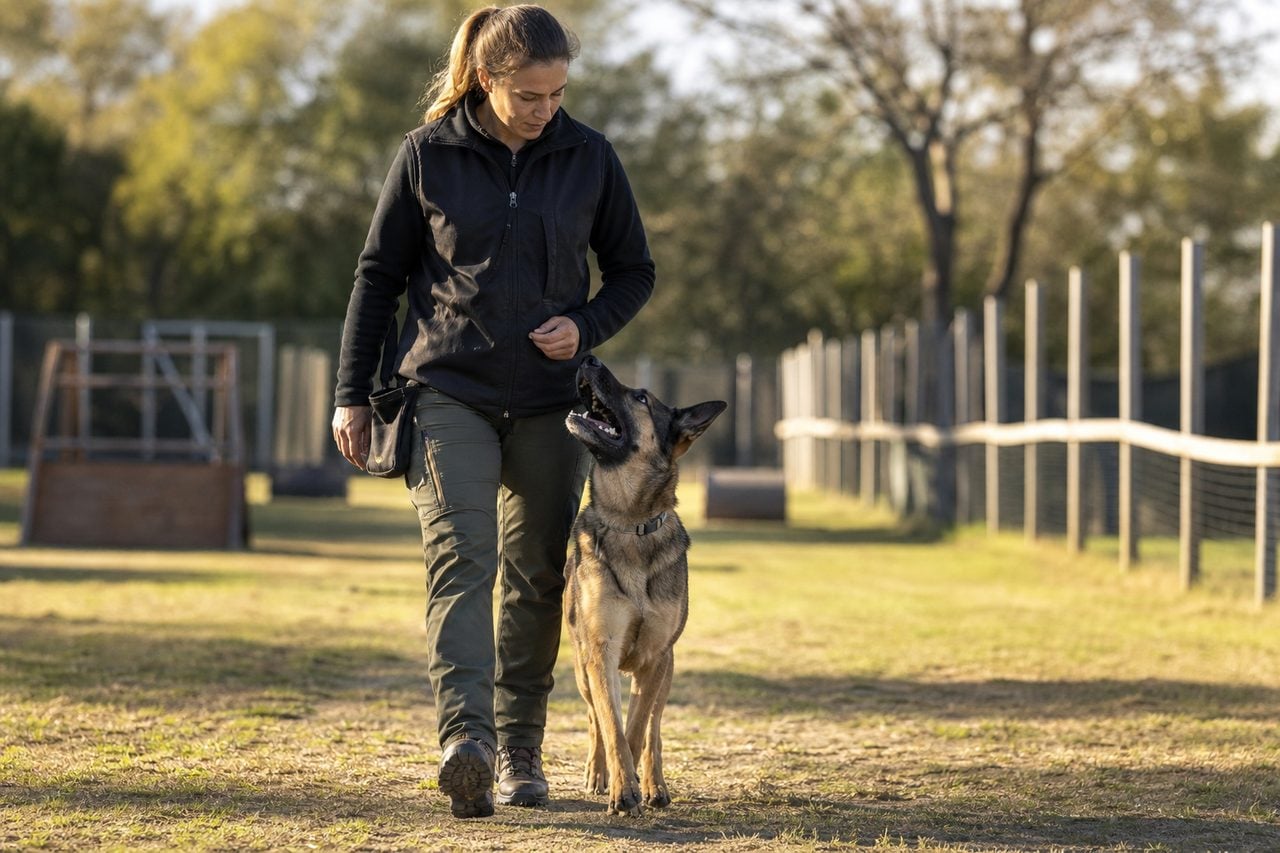
A dog boot camp is an intensive, accelerated training program — and in the Philadelphia market the term most often means a daytime intensive: you drop your dog off in the morning, a trainer runs them through multiple focused sessions, and your dog comes home with you that evening. It’s the difference between an immersion course and a once-a-week class. For owners across Center City, the River Wards, and the collar counties who want fast progress but still want their dog sleeping at home each night, that daily-return rhythm is the whole appeal.
The pull toward an intensive is easy to understand in a city built for density. Teaching a dog to ignore distractions, walk politely, and settle on cue is genuinely hard when your daily reality is a narrow Bella Vista sidewalk, a stoop three feet from foot traffic, and a constant parade of other dogs, delivery cyclists, and SEPTA noise. A boot camp gives a professional several concentrated reps per day in varied settings — quiet streets, parking lots, parks like Pennypack or the Wissahickon — compressing weeks of scattered practice into a focused stretch while you keep your dog at home overnight and stay part of the daily loop.
That overnight-at-home piece is exactly what separates a day boot camp from a residential board & train, and it shapes who each one suits. With a boot camp you remain the constant in your dog’s evenings — which means you get to reinforce skills nightly, but it also means your own consistency matters from day one. This guide explains how Philadelphia-area boot camps are structured, what a real day looks like, honest timelines and cost ranges, how to vet a program, and how to make sure the gains your dog makes during the day actually stick on your block at night.
What a Dog Boot Camp Really Is
In the Philadelphia area, “boot camp” usually describes a daytime intensive: concentrated training over consecutive days or weeks, with the dog returning home each evening. The format prioritizes frequency — many short sessions packed into each day — which is how skills build fast.
- Daycare-plus-training model: Your dog attends a facility for the day; structured training is woven through, with rest and supervised socialization in between.
- Focused intensive: Fewer dogs, more one-on-one trainer time, aimed at specific goals like leash manners or reliable recall.
- Multi-week packages: Several days a week over a few weeks, so skills layer and generalize across different environments.
The common thread is intensity plus your nightly involvement. Because the dog comes home, you reinforce what was taught that same evening — a built-in advantage that residential programs have to manufacture at handoff.
Boot Camp vs. Board & Train: Know the Difference
These two terms get blurred constantly, but the distinction is real and it changes who each one fits. The core difference is where your dog sleeps and how involved you stay during the program.
- Boot camp (day intensive): Daytime training, dog home each night. You stay in the daily loop, reinforce nightly, and never go more than hours without your dog. Often easier on anxious dogs who decompress in familiar surroundings.
- Board & train (residential): The dog lives with the trainer for one to four weeks. Most hands-off for you during the stay, with all the transfer work concentrated at the end.
For a Fishtown owner who works from home or a Main Line family that wants daily contact, a boot camp keeps the dog grounded and the owner engaged. For someone facing a long downtown commute with no time for evening practice, residential board & train may fit better. Same goal, different lifestyle math.
What a Boot Camp Day Looks Like
A good intensive isn’t nonstop drilling — it’s a deliberate rhythm of work, rest, and real-world exposure. Dogs consolidate learning during downtime, so rest is part of the method, not a gap in it.
- Arrival & settle: A calm intake routine sets the tone — no chaotic free-for-all at drop-off.
- Skill blocks: Several short, focused sessions through the day — loose-leash walking, place/stay, recall, impulse control.
- Exposure work: Practice in distracting settings that mirror Philadelphia life — busy sidewalks, parking lots, park paths.
- Rest & enrichment: Crate downtime, sniff walks, and puzzle feeders to recharge between sessions.
Ask any program how many active sessions your dog gets and how rest is structured. A schedule that promises all-day training with no recovery is a warning sign — an overtired dog learns poorly and can become stressed or reactive.
Choosing a Boot Camp Near You
Since your dog goes back and forth daily, proximity and trust both matter. A program two corridors away that you can’t easily reach each morning will wear thin fast. Vet for quality first, convenience second.
- Tour the space: Look for clean, safe, climate-controlled areas — relevant in Philadelphia’s humid summers and freezing winters — and sensible dog-to-trainer ratios.
- Ask about methods: Favor reward-based or clearly explained balanced approaches; skip anyone guaranteeing instant, permanent fixes.
- Daily communication: The best programs send a short note, photos, or video each day so you know what to reinforce that night.
- Convenient corridor: Whether you’re near the Main Line, Norristown in Montgomery County, or Media in Delco, pick a location your daily schedule can actually sustain.
Because boot camp depends on your nightly reinforcement, a trainer who coaches you — not just the dog — is worth more than the slickest facility.
Timeline, Cost Ranges, and Realistic Outcomes
Boot camp delivers fast progress, but “fast” still means a process, not a switch. Set expectations before you book so the results feel like a win rather than a letdown.
- Length: Common formats run one to three weeks, often several days per week. Longer packages let skills generalize across more environments.
- Cost: Day intensives are generally less than residential board & train since there’s no overnight care, but multi-week packages still represent a real investment — confirm pricing and what each day includes.
- What to expect: Solid, dependable foundations your dog can perform — with you keeping them sharp afterward. Not a finished dog who never needs reinforcement.
Treat permanent-result guarantees with skepticism. Behavior is maintained through ongoing practice. The fair outcome is real momentum plus a clear plan for sustaining it on your own streets.
Making Daily Gains Stick at Home
The biggest advantage of a day boot camp is that you get your dog back every evening — which is also your biggest responsibility. The skills learned by day need reinforcement by night, in the exact environment where you want them to hold.
- Learn the cues: Ask the trainer for the precise marker words and rewards used so your evening practice matches the daytime work.
- Short nightly reps: Five focused minutes after dinner beats a long weekend session. Consistency compounds.
- Practice in real settings: Rehearse on your own block, then test outside a Northern Liberties cafe or on a Manayunk hill where distractions are real.
- Keep the structure: Maintain the feeding, exercise, and rest rhythm the program used, at least early on.
This nightly loop is the boot camp’s edge over residential training — use it. The owners who reinforce daily are the ones whose dogs keep the gains long after the program ends.
Is a Boot Camp Right for Your Dog?
An intensive is a powerful accelerator, but it fits some dogs and households better than others. A quick honest assessment up front prevents wasted money and frustration.
- Good fit: Owners who want fast progress but prefer their dog home nightly, social dogs who handle a busy day well, and people willing to do short evening reinforcement.
- Think twice: Dogs with significant separation or environmental anxiety who find a busy facility overwhelming, very young puppies better served by owner-led socialization, or serious aggression cases that need an assessment-first behavior plan rather than a group intensive.
- Owner buy-in: If evenings are too packed for any reinforcement, even great daytime work will erode.
If you’re unsure whether a boot camp, board & train, or private lessons best fits your dog, start with a single consultation. A local trainer can assess temperament and goals and point you to the format most likely to actually work for your Philadelphia household.
Reviewed Dog Boot Camp Trainers in Philadelphia
These reviewed Philadelphia-area trainers from our directory handle dog boot camp. Each links to a full profile with specialties, certified credentials, reviews, and contact info:
- STAT K9 Training — 5.0★ (162 reviews)
- Cappuccino Dog Training Inc. — 5.0★ (109 reviews)
- Katz Dogs K9 — 5.0★ (90 reviews)
- Titan K9 Dog Training — 5.0★ (55 reviews)
- Philly Unleashed University — 5.0★ (54 reviews)
- Tri-Dog Solutions: Dog Training + Human Coaching — 5.0★ (40 reviews)
- REHAB Dog Training LLC — 5.0★ (36 reviews)
- Purposeful Canines LLC — 5.0★ (29 reviews)
- Rob’s Boarding and Training — 5.0★ (25 reviews)
- Man & His Mutt — 5.0★ (22 reviews)
See all Philadelphia dog boot camp trainers →
Frequently Asked Questions
How is a dog boot camp different from board & train?
A boot camp in the Philadelphia area is usually a daytime intensive — you drop your dog off and bring them home each evening. Board & train is residential: the dog lives with the trainer for one to four weeks. The boot camp keeps you in the nightly loop to reinforce skills, while board & train concentrates the transfer work at the end of the stay.
How long is a typical boot camp program?
Most run one to three weeks, often several days per week. Shorter formats target specific goals like leash manners or recall; multi-week packages let skills generalize across different environments. What matters more than total length is how many quality sessions your dog gets each day and how well you reinforce at home afterward.
Is a boot camp cheaper than residential training?
Generally yes, since there’s no overnight care involved. That said, multi-week day-intensive packages are still a meaningful investment. Compare what each program includes — number of daily sessions, exposure work, and how much they coach you for evening reinforcement — rather than just the headline price.
Will my dog actually retain what they learn?
Retention depends on your nightly reinforcement, which is exactly where the day-boot-camp format helps — your dog comes home each evening, so you can practice the same cues right away. Skills fade without practice, so plan on short, consistent reps even after the program ends.
Is a boot camp safe for an anxious dog?
It depends on the dog. Some anxious dogs do well precisely because they return to familiar surroundings each night. Others find a busy daytime facility overwhelming. Be honest with the trainer about your dog’s temperament, ask about group sizes and rest structure, and consider a consultation or trial before committing.
What should I look for in a Philadelphia boot camp?
Tour the facility for clean, climate-controlled space and sensible dog-to-trainer ratios. Ask how many active sessions your dog gets and how rest is built in — nonstop drilling with no recovery is a red flag. Favor reward-based or clearly explained methods, daily updates, and a location your morning schedule can realistically sustain. Avoid any program guaranteeing instant, permanent results.
Related: read our complete dog boot camp guide or the full Philadelphia dog training overview.
Ready to find the right dog boot camp pro in Philadelphia?