
Dog Boot Camp in Valparaiso, IN
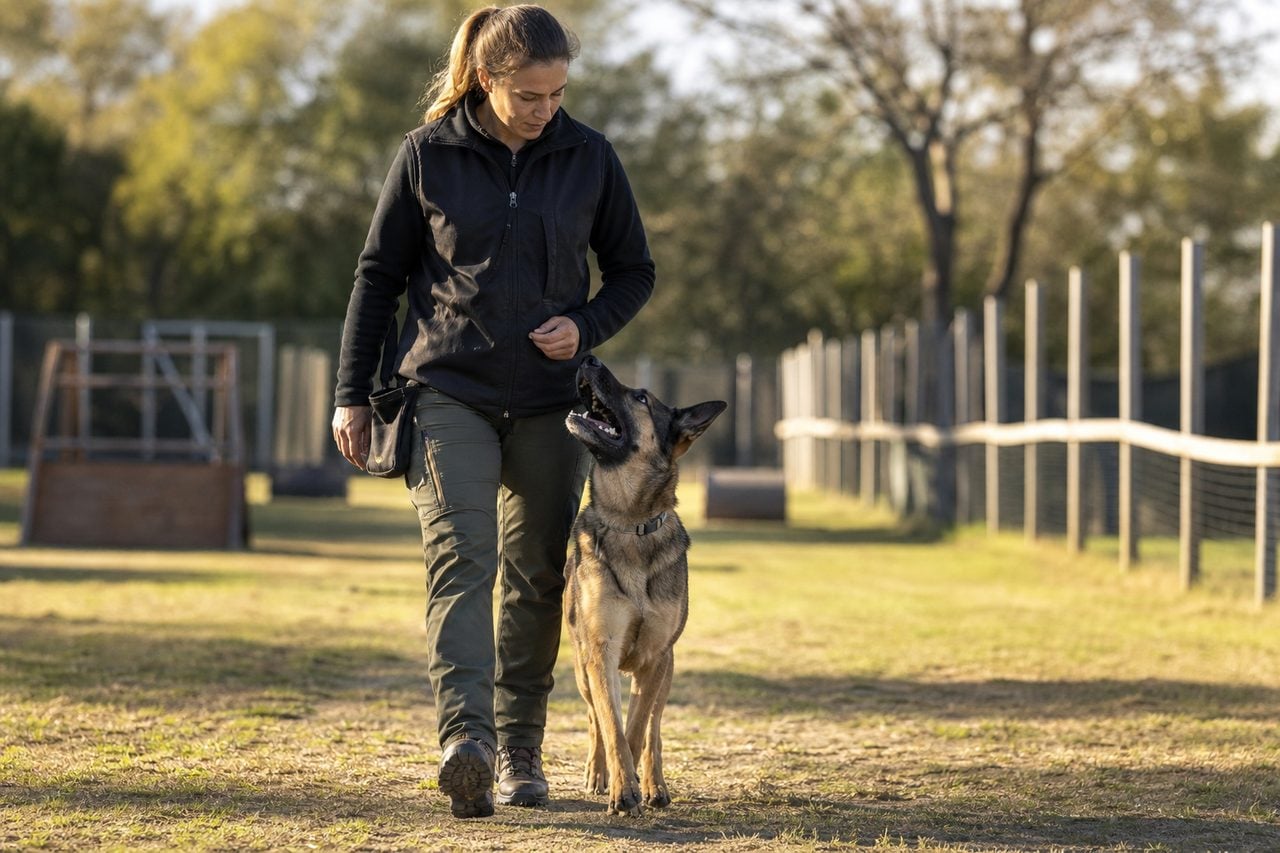
Dog boot camp is shorthand for an intensive, structured obedience program that compresses a lot of training into a short, focused period. The name borrows from the military idea of an immersive block that turns raw recruits into a disciplined unit, and the training version applies the same logic: high repetition, tight structure, and consistent handling delivered over days or weeks rather than spread thin across months. For owners across Valparaiso and the Northwest Indiana Region who want fast, visible progress, boot camp formats are an appealing option — when they are the right fit and run by the right person.
- What Dog Boot Camp Really Means
- What an Intensive Program Can Realistically Achieve
- Boot Camp vs. Weekly Classes vs. Private Lessons
- Choosing a Quality Boot Camp in the Region
- The Owner’s Role During and After Camp
- Cost, Timeline, and Value
- Preparing Your Dog and Household for Boot Camp
- Reviewed trainers
- FAQ
The term is used loosely, though. Some trainers use dog boot camp to mean a live-in program similar to board and train; others use it for an intensive daytime or multi-week course where the dog goes home each night. The label tells you less than the details. This guide breaks down what intensive obedience programs actually involve, what results are realistic, how to spot quality in Porter, Lake, and LaPorte counties, and how to make the gains stick long after the program ends.
What Dog Boot Camp Really Means
At its core, a boot camp is an accelerated obedience program. Instead of one class a week, the dog trains multiple times a day in short, deliberate sessions designed to build core skills quickly — sit, down, stay, place, heel, recall, and impulse control. The intensity and repetition are the whole point: dogs learn faster when good behavior is reinforced immediately and consistently, and when the difficulty ramps up at a pace the dog can handle.
There are two common formats. In a live-in boot camp, the dog boards with the trainer for the duration, which overlaps heavily with board and train. In a day-camp or intensive-course format, the dog attends sessions during the day or over a compressed schedule but returns home, which keeps the owner more involved throughout. Neither is inherently better — the right one depends on how hands-on you want to be and whether the issues you are working on show up mainly at home.
What all legitimate boot camps share is structure and clear goals. Before enrolling, you should know exactly which skills the program targets, how progress is measured, and what your dog will realistically be able to do at the end. A vague promise to make your dog behave is not a plan. A trainer who says the goal is a reliable sit-stay with distractions, loose-leash walking on a busy sidewalk, and a recall that works off the porch has given you something you can actually evaluate. Concrete, testable goals also let you hold the program accountable at the end, rather than relying on a vague impression that the dog seems better.
It is worth pausing on the word intensive, because intensity is a tool, not a virtue in itself. What makes an intensive program work is not simply doing more — it is doing more of the right thing with good timing and a dog that is engaged rather than overwhelmed. A stack of poorly run sessions crammed into a day can actually slow learning by stressing the dog. The programs that deliver treat intensity as focused, high-quality repetition with adequate rest between sessions, not as a marathon. When you evaluate a boot camp, look past the sheer number of hours and ask what happens inside each session and how the dog is kept fresh and willing across the day.
What an Intensive Program Can Realistically Achieve
A well-run boot camp can produce a dog that reliably knows and performs foundational obedience — the commands that make daily life calmer and safer. Expect meaningful progress on sit, down, stay, place, heel, and recall, plus better impulse control around doors, food, and greetings. For a dog that was pulling on the leash, bolting out the door, or jumping on every visitor, those improvements are genuinely life-changing.
What a boot camp cannot do is rewire a dog’s temperament or permanently erase problems rooted in fear or anxiety through obedience alone. Obedience gives you tools to manage a dog and gives the dog clearer expectations, which often reduces stress-driven behavior as a side effect. But a truly fearful or reactive dog needs a behavior-change plan, not just more commands. Reputable trainers are upfront about this distinction and will steer you toward the right kind of help rather than overselling obedience as a cure-all.
The other thing intensity cannot replace is time in the real world. A dog can nail every command on the trainer’s field and still need weeks of practice to perform reliably at the farmers market, on the Erie Lackawanna Trail, or with a doorbell ringing. Boot camp front-loads the learning; generalizing it to your actual life is the follow-on work. Understanding that up front is what keeps expectations realistic and results durable.
Different dogs also arrive at different starting points, and that shapes what a fixed block can achieve. A young, eager dog with no bad habits may absorb a great deal in a short program, while an older dog with years of ingrained patterns needs more repetitions simply to overwrite what it already practices automatically. Breed and drive matter too — a high-energy working-type dog often thrives on the workload of an intensive program, whereas a softer or more sensitive dog may need a gentler pace to stay confident. None of this is a barrier; it just means the same two-week program produces different results in different dogs, and an honest trainer sets expectations around the dog in front of them rather than a generic promise.
Boot Camp vs. Weekly Classes vs. Private Lessons
Intensive programs are one point on a spectrum of training formats, and the best choice depends on your goals, your schedule, and your dog. Weekly group classes are affordable and great for basic manners and socialization, but progress is slow and depends heavily on home practice. Private lessons are tailored and flexible, letting you work on your specific issues at your own pace, but they also require you to do the daily reinforcement.
Boot camp sits at the intensive end. Its strength is speed and consistency — a professional delivering high-quality repetitions that most owners cannot match at home. Its trade-offs are cost and, in live-in formats, less owner involvement during the program. If your priority is fast, reliable results and you will commit to maintenance afterward, an intensive program makes sense. If you want to be hands-on throughout or your budget is tight, weekly or private lessons may fit better.
Many Region trainers offer several of these formats, and a good one will help you pick honestly rather than pushing you toward the most expensive option. Consider combining approaches: an intensive block to install the foundation, followed by occasional private lessons or a class to polish specific skills and keep everyone accountable. The format matters less than the match between what you need and what the program actually delivers.
Think about your dog’s temperament in this choice as well. A confident, social dog usually handles the change of environment in a live-in intensive without much trouble, while a more sensitive or home-attached dog may do better in a day format that lets it sleep in familiar surroundings and keeps you closely involved. There is no universally right answer, only the right answer for your dog and your situation. A trainer who offers several formats and helps you weigh them honestly — rather than funneling every inquiry into the same package — is demonstrating exactly the judgment you want in the person who will be shaping your dog’s behavior.
Choosing a Quality Boot Camp in the Region
Because dog boot camp is an unregulated term, the burden is on you to verify quality. Start with the trainer’s methods. Ask how they teach a new behavior, how they respond when the dog makes a mistake, and what tools they use. A professional will explain clearly and calmly; anyone who is defensive or vague is telling you something.
Look for transparency about the daily schedule — how many sessions, how long, and what the dog does between them. Enrichment and rest matter as much as drilling. If the program is live-in, tour the facility and apply the same standards you would for any boarding: clean, secure, climate-controlled, with a sensible dog-to-staff ratio and a clear veterinary emergency plan for the Region’s hot summers and hard winters.
- Clear, written goals — you should know exactly what your dog will be able to do at the end.
- A defined owner-transfer plan — go-home sessions and follow-up are non-negotiable.
- Realistic promises — be skeptical of guarantees or absurdly short timelines.
- Relevant specialty — make sure the trainer’s focus matches your goal, whether that is pet manners, off-leash reliability, or something more specialized.
- References and recent reviews — talk to past clients about whether results lasted.
Meet the trainer, and if possible watch them work with a dog. How they handle a distracted or frustrated dog reveals more about their skill and temperament than any marketing.
Pay attention to how the program handles the differences between dogs, too. A quality intensive is not a fixed conveyor belt that every dog rides identically; it adapts the pace, the difficulty, and the reward strategy to the individual. Ask how they would adjust for a dog that is nervous versus one that is pushy and over-confident, and whether they would slow down or change course if your dog struggled with a particular exercise. A trainer who can describe that flexibility understands that behavior is not one-size-fits-all. One who describes a rigid, identical program for every dog is telling you they will fit your dog to their system rather than the other way around, which is exactly backwards.
The Owner’s Role During and After Camp
Even in a live-in boot camp where the trainer does the heavy lifting, the owner is never off the hook. The results of any intensive program live or die on the transfer back to you. A dog that performs perfectly for the trainer will test the boundaries with an owner who does not know how to give commands correctly, time rewards, and enforce the structure consistently.
Insist on hands-on coaching. Expect the trainer to walk you through every command, watch you handle your dog, and fix your mechanics before the program ends. If the program is a daytime intensive, use the fact that the dog comes home each night to practice immediately, reinforcing that day’s lessons in your own house and yard. This is one of the underrated advantages of the day-camp format — the owner is embedded in the process from the start.
After the program, your job is maintenance and generalization. Keep the rules consistent across everyone in the household, practice a little every day, and gradually take the skills into harder environments — the driveway, the neighborhood, Deep River County Park in Hobart, a busy sidewalk downtown. Skills fade without practice and strengthen with it. The families who treat the end of boot camp as the start of an ongoing routine are the ones whose dogs stay reliable a year later.
A simple way to build the habit is to fold short practice into things you already do. Ask for a sit-stay before meals, a bit of loose-leash walking on the way to the mailbox, a recall in the backyard before coming inside, a settle on a mat while you cook. These take seconds, keep the skills warm, and remind the dog that the rules are permanent, not something that ended when it left the trainer. Over a few weeks this everyday practice does far more to cement results than an occasional long session, and it fits into a busy household without feeling like another chore.
Take the skills on the road as your dog gets steadier. Practice a calm heel down a quiet block, then a busier one, then somewhere with real distractions like a park on a weekend afternoon. Ask for a settle on a patio, a wait at a curb, a recall in a fenced field before you head home. Each new place your dog performs in makes the behavior more reliable everywhere, because dogs generalize only through exposure to variety. Northwest Indiana offers plenty of options for this as the weather allows, and gradually widening the range of settings is what turns a dog that behaves at home into one that behaves anywhere you take it.
Cost, Timeline, and Value
Intensive programs cost more per week than weekly classes because you are paying for concentrated professional time, and live-in formats add boarding on top. Prices across the Region vary with program length, the trainer’s experience, and what is bundled in — go-home sessions, follow-up lessons, and ongoing support all add value that a bare price tag hides. When comparing options, weigh the whole package, not just the headline number.
Timelines depend on goals. A manners-focused intensive might run one to two weeks; a more ambitious program targeting off-leash reliability or stubborn habits will run longer because behavior change needs enough repetitions to stick. If a program’s timeline seems too short for its promises, ask the trainer to explain how they will get there — a straight answer is a good sign, a hand-wave is not.
Think about value in terms of the problem solved. A dog that no longer bolts out the front door, drags you down the trail, or mobs your guests changes daily life in a way that is hard to put a price on. The goal is not the cheapest program or even the fastest — it is the one that delivers lasting, real-world results with the support to maintain them. Spend a little time comparing local options and matching them to your specific goals before you commit, and the intensive format can be an excellent investment.
Preparing Your Dog and Household for Boot Camp
A little preparation improves outcomes. Before an intensive program, make sure your dog is current on vaccinations, since reputable programs require proof and close contact with other dogs raises the stakes. Bring your dog’s normal food to avoid stomach upset from a sudden diet change, and share any medical issues, quirks, or fears with the trainer so they can tailor the work and keep the dog comfortable.
Get the whole household on the same page before the dog comes home. Decide together which commands you will use, what the house rules are, and who enforces them, so the dog does not return to a home where everyone applies different standards. Inconsistency between family members is one of the fastest ways to unravel a program’s results. Set up a simple daily practice routine in advance so maintenance starts the day your dog gets back.
Finally, go in with clear, written goals and a way to measure them. Tell the trainer exactly what a successful outcome looks like for your family — a calm walk on the Prairie Duneland Trail, a reliable recall in the backyard, a dog that settles when guests arrive. Concrete goals let both you and the trainer track progress honestly and make sure the intensive program is aimed at the results you actually care about. Use the directory to compare Region trainers, read their program descriptions, and shortlist the ones whose approach and specialty fit your goals.
Reviewed Dog Boot Camp Trainers in Valparaiso
These reviewed Valparaiso-area trainers from our directory handle dog boot camp. Each links to a full profile with specialties, certified credentials, reviews, and contact info:
- Region K9 – Dog Training — 5.0★ (23 reviews)
- chicagolandprotectiondogs dog training — 5.0★ (13 reviews)
- Kriegerhund K9 Services — 5.0★ (5 reviews)
- Lakefront K9 — 4.9★ (16 reviews)
- Landheim Training And Boarding Center — 4.8★ (353 reviews)
- Stoney Run Canine Camp and Academy — 4.8★ (152 reviews)
- Foundation K9 NWI — 4.8★ (69 reviews)
- dogs of the dunes — 4.8★ (41 reviews)
See all Valparaiso dog boot camp trainers →
Frequently Asked Questions
Is dog boot camp the same as board and train?
Sometimes, but not always. The term boot camp is used loosely. Some trainers use it for a live-in program that is essentially a board and train, while others use it for an intensive daytime or multi-week course where the dog goes home each night. Because the label is not standardized, focus on the details — the format, the daily schedule, the goals, and the follow-up — rather than the name.
How fast will I see results from an intensive program?
Faster than weekly classes, because the concentrated repetition builds core skills quickly. Many owners see clear obedience gains within the first week or two of an intensive program. That said, turning those skills into reliable performance in busy real-world settings takes ongoing practice after the program ends. Boot camp front-loads the learning; generalizing it to your everyday life is the follow-on work. A fair way to think about it is that the program builds the skill and the first few weeks at home make it dependable across the real situations you care about.
Can boot camp fix my dog’s aggression or fear?
Obedience training can reduce some stress-driven behavior by giving the dog clearer expectations, but an intensive obedience program is not a substitute for a behavior-change plan when fear, anxiety, or aggression is the root issue. Those cases need a behavior professional, and the most serious ones may involve a veterinary behaviorist. A reputable trainer will tell you honestly when obedience alone is not the right tool.
What is my role if the dog trains all day with a professional?
Central. Even when the trainer does the heavy lifting, the results transfer to you only if you learn to handle the dog correctly. Insist on hands-on coaching where the trainer walks you through every command and fixes your mechanics. After the program, your consistent daily practice and household-wide rules are what keep the results from fading.
How do I know if a boot camp is reputable?
Ask about methods and expect clear answers, request a written list of goals and how progress is measured, and confirm a defined owner-transfer and follow-up plan. If it is a live-in program, tour the facility and check that it is clean, secure, and climate-controlled with a veterinary emergency plan. Talk to past clients about whether results lasted, and be skeptical of guarantees or timelines that sound too short for what is promised.
Is an intensive program worth the higher cost?
For the right owner and goal, yes. You are paying for concentrated professional time that most people cannot replicate at home, plus the structure and follow-up that make results stick. Weigh the whole package — go-home sessions, follow-up lessons, and support — rather than just the headline price, and judge value by the everyday problems the program solves rather than by cost alone.
Related: read our complete dog boot camp guide or the full Valparaiso dog training overview.
Ready to find the right dog boot camp pro in Valparaiso?