
Dog Training Prices in Boston, MA
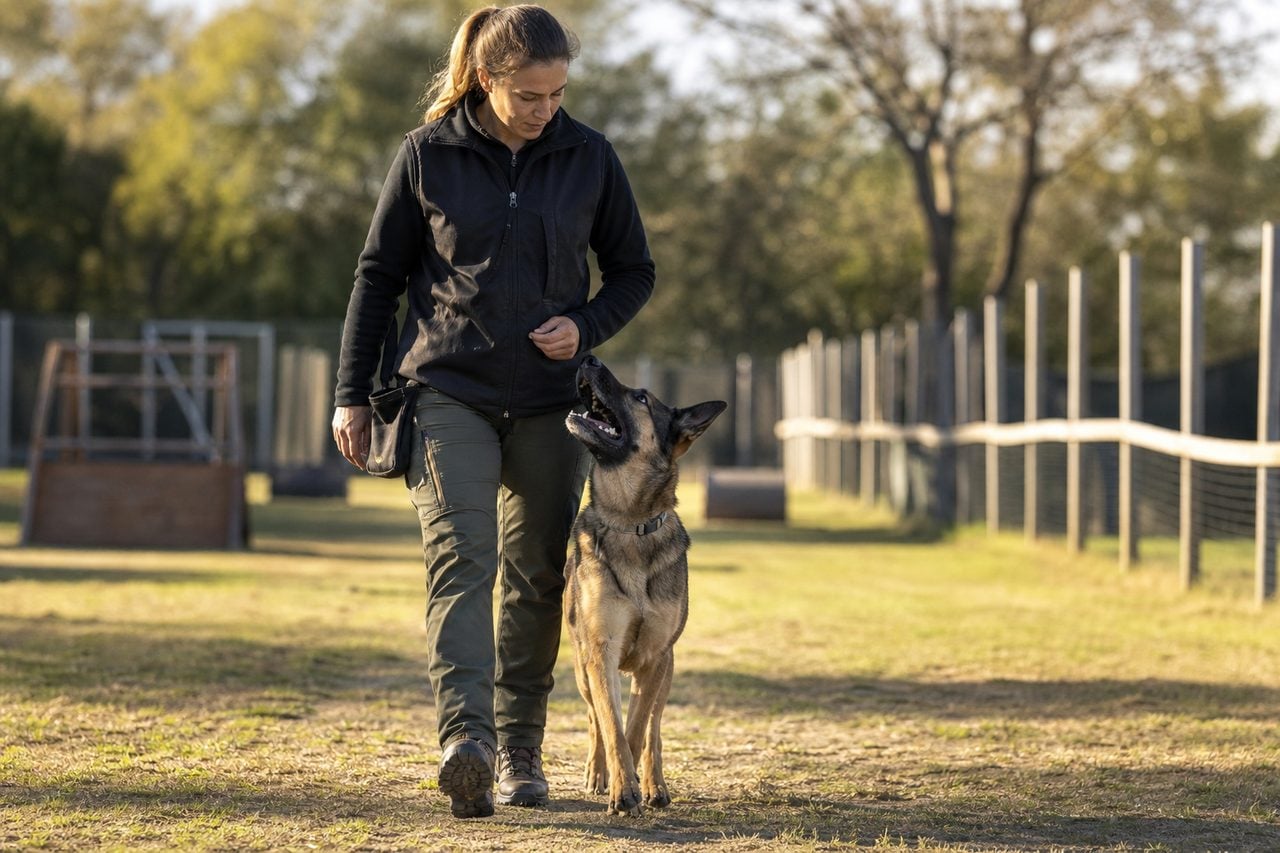
Dog training prices around Boston vary widely because the formats are so different: a single in-home lesson, a multi-week class, a day of training while you work and a residential program are not the same product. This guide explains what drives the cost so you can compare quotes fairly.
No prices are quoted here, because prices change and every trainer packages services differently. Instead, the page walks through the formats offered by trainers across Boston and nearby towns, what pushes a quote up or down, and the questions that make two quotes comparable.
The formats, from least to most involved
- Short group workshops and single-skill classes
- Multi-week group class series
- Single private lessons, usually in your home or neighborhood
- Private lesson packages built around a plan
- Day training, where the trainer works your dog while you are out
- Small-group training hikes and walks that include practice
- Residential programs, from a stay and train at a facility to board and train in a trainer’s home
Cost generally rises as more trainer time goes to your dog, and as the format moves from shared sessions to one-to-one work and then to programs where the trainer has your dog for days at a time.
Several walking and pet care companies around Boston sell training alongside walks, daycare or hikes. Bundled programs can be convenient when the same people already handle your dog, but compare what each training session actually includes.
What pushes a quote up or down
The biggest drivers are trainer time, travel and the complexity of the problem. Behavior cases such as aggression, serious reactivity or separation anxiety usually take longer consultations and more follow-up than puppy manners. Travel matters in a city, and several local trainers add a travel fee beyond a set distance.
Packages often cost less per session than single lessons. Residential programs include care, housing and daily sessions, which is why they sit at the top of the range. Equipment, such as remote training collars or long lines, may or may not be included.
Timing matters too. Evening and weekend sessions may be booked further ahead, and residential programs often fill well in advance, so plan early if you need a particular format by a certain date.
Comparing quotes fairly
Line quotes up by what you actually get: number of sessions, length of each session, whether you attend, what support follows and what happens if progress stalls. One trainer’s package may include written plans, video homework or app support; another’s may be lessons only.
For residential programs, ask how many training sessions your dog gets each day, who does them, where your dog sleeps and how many handover lessons you receive afterward.
If two trainers recommend very different amounts of work for the same dog, ask each to explain why. The answer often reveals a different view of the problem, which is worth understanding before you choose.
Questions to ask before you pay
- What does the first session or consultation include, and is it credited to a package?
- How many sessions does a typical dog like mine need?
- Is travel to my neighborhood included?
- What follow-up support is included after the program ends?
- What is the cancellation and rescheduling policy?
- Which methods and equipment will you use, and are they included?
Clear answers to these make it much easier to compare a group class, an in-home package and a day training program side by side.
Ask for the answers in writing if a package is large. A short summary of what is included protects both you and the trainer and makes it easy to compare offers later.
Spending wisely
Match the format to the problem. A friendly puppy may need only a class and practice at home, while a dog who lunges at other dogs is better served by private behavior work than by repeating group classes. Day training and residential programs save your time but still require you to practice afterward.
If money is tight, ask about lesson packages, virtual consultations or group options. Several local trainers offer free introductory calls or a free puppy class, and one runs a sliding-scale program.
Several Boston-area trainers offer a free phone consultation or evaluation call, and at least one training center runs a free introductory puppy class. These are useful for judging fit before you commit to a package. A single paid consultation can also be good value on its own: you leave with a plan, homework and a clearer idea of what kind of training your dog needs.
Thinking about value, not only price
The cheapest option is expensive if it does not solve the problem, and the most expensive is wasted if you do not keep practicing. Value comes from a clear plan, a trainer who teaches you as well as your dog, and support when things slip.
Ask past clients what changed and how long it lasted. A trainer who can describe realistic progress for your dog, rather than promising a quick fix, usually gives better value over time.
Reviewed Dog Trainers in Boston
These reviewed Boston-area trainers from our directory can walk you through pricing for their programs. Each links to a full profile with specialties, certified credentials, reviews, and contact info:
- The Cooperative Dog — 5.0★ (36 reviews)
- New Pups on the Block Dog Training — 5.0★ (26 reviews)
- Paisley Dog Gear and Training — 5.0★ (7 reviews)
- Argos Dog Training — 4.9★ (121 reviews)
- Connell’s Dog Training LLC — 4.9★ (70 reviews)
- Brookside Walk + Train — 4.8★ (28 reviews)
- Compatible Canine Center — 4.6★ (38 reviews)
- Just Breathe Dog Training
- Shenanigans Dog Training LLC
- One Mission Dog Training — 5.0★ (143 reviews)
See all Boston dog training prices trainers →
Frequently Asked Questions
Why do Boston trainers price so differently?
Because they sell different things: class seats, one-to-one time, travel to your home, days of training or overnight care. Compare what is included, not only the total.
Is board and train worth the cost?
It can be, especially for busy owners, but only if the program includes good handover lessons. Ask how the trainer will teach you to keep the new behavior at home.
Are there lower-cost options?
Yes. Group classes, virtual sessions and lesson packages usually cost less per hour, and some local trainers offer free introductory classes, free calls or a sliding-scale program.
Should I pay for a package up front?
Packages often reduce the per-session cost, but ask about the expiry date, rescheduling rules and what happens if the plan changes.
Do trainers charge extra for travel?
Some do. Several Boston trainers include nearby neighborhoods and add a travel fee beyond a set distance, so ask before booking.
Related: read our complete dog training prices guide or the full Boston dog training overview.
Ready to find the right dog training prices pro in Boston?