
Dog Training Prices in Lansing, MI
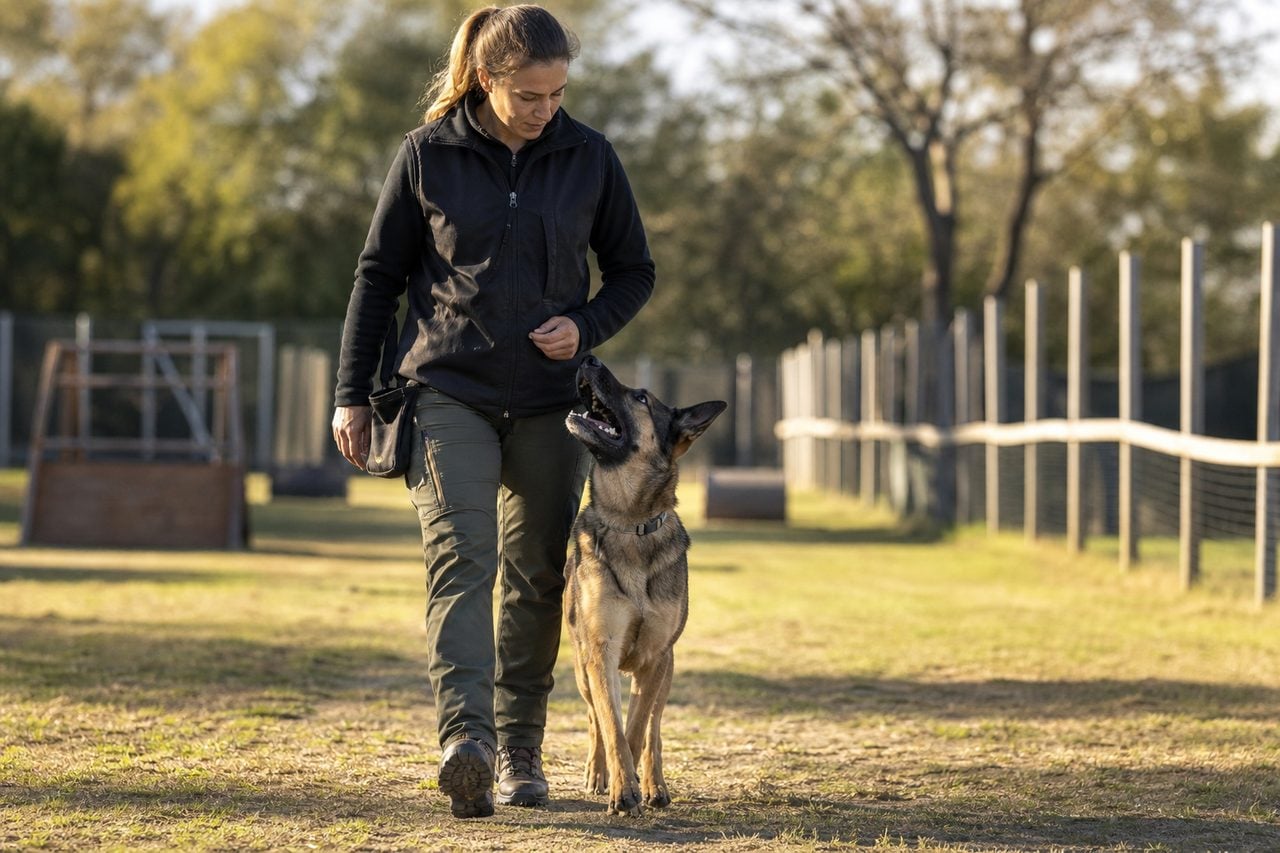
One of the first questions every dog owner asks is simply: what does dog training cost? It is a fair question, and also a frustrating one to research, because prices vary enormously depending on the type of training, the format, the trainer’s experience, and what your specific dog actually needs. There is no single “price of dog training” in the Lansing area any more than there is a single price for a car — it depends entirely on what you are buying and why.
This guide breaks down the factors that drive dog training costs, explains the common pricing formats you will encounter across the Lansing metro, and gives you a practical framework for understanding what you are paying for and how to compare options fairly. Rather than quoting specific dollar figures — which go stale quickly and differ from trainer to trainer — it focuses on the ranges, structures, and trade-offs so you can budget intelligently and, just as importantly, ask the right questions before you commit.
Whether you are in the Capital neighborhoods, East Lansing near MSU, or out in Okemos, Haslett, Holt, DeWitt, or Grand Ledge, the same underlying principles apply. Understanding what shapes the price will help you find genuine value rather than simply chasing the lowest number on offer, which is rarely the same thing.
The Main Factors That Determine Price
Before comparing quotes, it helps to understand what actually drives the cost of dog training. Several factors interact, and together they explain why two trainers can quote very different numbers for what sounds, on the surface, like the same service.
- Format. Group classes are the most economical per session because the trainer’s time is shared across several dogs at once. Private and in-home training cost more because you are paying for one-on-one attention. Intensive board-and-train programs, where the dog stays with a trainer for a period, are typically the most expensive because they bundle training, boarding, feeding, and full-time care into one package.
- Trainer experience and specialization. A trainer with years of experience, advanced education, or a genuine behavior specialty generally charges more than someone newer to the field. For complex issues, that expertise is often well worth the difference; for basic manners, a newer trainer with good methods may be perfectly sufficient.
- The type of training. Basic obedience and everyday manners are more affordable than specialized behavior work such as reactivity, aggression, or separation-related issues, which demand more skill, more time, and more careful planning.
- Session length and program depth. A single one-off session costs less than a structured multi-session package, but packages usually offer better value per session and produce more durable results because behavior change takes repetition.
- Travel. In-home trainers may factor drive time into their pricing, so your location within the metro — central Lansing versus outlying Laingsburg, Williamston, or Potterville — can nudge the quote up or down.
None of these factors make a trainer “overpriced” or “cheap” on its own. They simply reflect what you are actually purchasing. A higher number often means more attention, more expertise, or more comprehensive care — not that you are being overcharged. The task is to match the format and level to what your dog genuinely needs.
Common Pricing Formats You'll Encounter
Across the Lansing area, dog training is usually sold in one of a few recognizable structures. Knowing them helps you compare like with like rather than being confused by very different offers that all call themselves “dog training.”
Group classes are typically priced as a single package covering a multi-week course, one class per week. This is the most budget-friendly way to get professional instruction, and it is the most popular structure for basic obedience and puppy classes. You are paying for a set curriculum and the trainer’s time divided across the whole class, which is what keeps the per-owner cost down.
Private lessons are usually priced per session or, more economically, as a discounted package of several sessions. They cost more per hour than group classes but deliver fully tailored, undivided attention. Packages tend to offer better per-session value and keep you committed to completing the full program rather than stopping halfway.
In-home training is a form of private training delivered at your house, often priced per session or per package, sometimes with a travel component folded in. You are paying for convenience, deep customization, and training in the exact environment where the problems actually happen — which for many issues is worth the premium.
Board-and-train programs, where your dog lives with a trainer for a set period, are priced as an all-inclusive package and sit at the top of the range because they bundle intensive daily training with boarding and full-time care. They can accelerate results, but they require careful vetting of the facility and methods, and a solid handoff process so the skills actually transfer back to you at home rather than staying with the trainer.
Day training or drop-off programs, where you leave your dog with a trainer for the day and pick up in the evening, fall somewhere in between and are less common locally. Whatever the format, look closely at exactly what each package includes before comparing the headline prices.
Understanding General Market Ranges
While specific figures vary by trainer and shift over time, it helps to understand the general shape of the market so that a quote doesn’t catch you off guard or seem unreasonable when it is actually normal for its category.
As a broad rule of thumb, group classes tend to be the lowest-cost option, typically sold as an affordable multi-week package that many households find very manageable. Private and in-home sessions command a meaningfully higher rate per session because of the individualized, one-on-one attention, and they are frequently bundled into multi-session packages for better value. Board-and-train programs sit well above both, sometimes by a large margin, reflecting the intensive, live-in nature of the service and the round-the-clock care involved.
Layered on top of format, specialized behavior work — reactivity, aggression, or serious anxiety cases — generally costs more than basic obedience regardless of the format chosen, because it demands greater skill and more time per issue. And trainers with deeper experience or genuine specialized credentials typically charge toward the higher end of any given format’s range, which often reflects better outcomes on difficult problems.
When you receive a quote, the single most useful thing you can do is ask exactly what it includes, so you can compare offers fairly. Key items to pin down are the number of sessions, the length of each session, any follow-up or between-session support, whether written plans or practice materials are provided, and what happens if you need more help than the package covers. Two quotes that look quite different on the surface may in fact represent very different amounts of actual support and value. The goal is always to understand the substance behind the number, not just the number itself.
Balancing Cost Against Value
The cheapest option is not always the best value, and the most expensive is not automatically the highest quality. What you are really after is the training that solves your specific problem effectively and durably for a reasonable price — the best combination of outcome and cost, not the lowest sticker.
A few ways to think clearly about value:
- Effectiveness matters more than price. A slightly pricier program that actually resolves your dog’s issue is a better deal than a cheap one that doesn’t work, leaving you to pay again somewhere else to fix the same problem. Failed training is the most expensive training.
- Methods affect long-term cost. Reward-based, humane training tends to produce durable results without unwanted side effects. Harsh or heavy-handed methods can sometimes suppress a behavior in the short term while creating new problems — fear, avoidance, or a damaged relationship — that cost more time and money to undo later.
- Support between sessions is real, tangible value. Trainers who give you homework, written plans, and answer questions during the week are providing considerably more than the class hours alone, even if the headline price looks similar to a bare-bones option.
- Consider the payoff horizon. Training is a largely one-time investment that pays off across your dog’s entire life — years of easier walks, calmer visitors, safer situations, and a stronger bond. Framed over that horizon rather than as a single expense, the cost is genuinely modest.
Be cautious of anyone promising guaranteed results or a quick, permanent fix for a serious behavior problem. Training is a process that depends on the dog and on your consistency, and honest trainers set realistic expectations rather than selling certainty. A guarantee that sounds too good to be true usually is, and it is often a marketing tactic rather than a reflection of quality.
Ways to Manage the Cost
If budget is a concern — and for many households it genuinely is — there are legitimate ways to get quality training without overspending. The key is matching your spending to your actual need rather than buying more than the situation calls for.
- Start with a group class. For basic obedience and puppy manners, a group class delivers professional instruction at the lowest cost, and for a straightforward case it may be all you ever need. There is no rule that says you must start with expensive private work.
- Do the homework. The more consistently you practice between sessions, the fewer sessions you will ultimately require to reach your goal. Owner effort directly reduces the total cost of training — a diligent owner gets more from every dollar.
- Prioritize the real problem. Spend your training budget on the single issue that most affects your daily life, rather than trying to buy a solution to everything at once. You can always add more training later once the pressing problem is handled.
- Ask about packages. Multi-session packages usually cost less per session than one-off lessons, so if you already know you’ll need several sessions, a package is often the smarter financial choice.
- Consider a hybrid approach. A couple of targeted private or in-home sessions to address a specific issue, followed by an affordable group class to generalize and reinforce the skills, can cost noticeably less than an extended private-only program while still getting the job done.
It is also worth checking whether local shelters, rescues, or community organizations in the Lansing area offer lower-cost classes or workshops from time to time. These can be a good, affordable entry point for basic skills, particularly for owners on a tight budget. Whatever route you choose, matching the format and depth of training to your dog’s actual needs is the single biggest lever you have on the overall cost.
Questions to Ask Before You Pay
The best way to avoid overpaying, or being disappointed after the fact, is to ask a handful of clear questions before you commit any money. A good trainer will answer all of these readily and without defensiveness; evasiveness or vague non-answers are a meaningful red flag.
- What exactly does this price include? Number of sessions, the length of each, follow-up support between sessions, and any materials or written plans.
- What training methods do you use? You want to hear about reward-based, low-stress methods for the vast majority of pet dogs, and a clear explanation of what happens when a dog gets something wrong.
- What is your experience with my specific issue? This matters most for behavior problems that go beyond basic obedience, where general skill may not be enough.
- What results can I realistically expect, and in what timeframe? Honest trainers describe a process with variables, not a guaranteed outcome by a fixed date.
- What happens if we don’t reach the goals within the package? Understand the policy on additional sessions and any extra cost up front.
- How much practice will I need to do between sessions? This affects both your results and how many paid sessions you will ultimately need.
- Do you serve my area, and are there travel fees? Especially relevant for in-home trainers working across the wider metro, from central Lansing out to DeWitt, Grand Ledge, Holt, Williamston, or Dimondale.
Getting clear, confident answers to these questions up front lets you compare trainers on genuine value rather than on price alone. It also ensures that the program you ultimately choose actually fits your dog, your goals, your schedule, and your budget — which is what turns training from an expense into an investment that pays off for years.
Budgeting by Goal: Matching Spend to Your Situation
Rather than asking “what does training cost” in the abstract, it is more useful to ask “what does my situation call for.” Costs make a lot more sense once you frame them around your actual goal, because the right amount to spend on a well-adjusted puppy is very different from the right amount for a dog with a serious behavior problem. Thinking in these buckets helps you set a sensible budget.
- A new puppy or a generally good dog needing manners. This is the most affordable scenario. A group puppy class or basic obedience course usually covers it, and the investment is modest relative to the years of benefit. For many Lansing-area families raising a well-tempered dog, a single group course plus consistent home practice is genuinely all that’s needed, keeping total cost low.
- A dog with a specific, contained problem. Housetraining that won’t stick, jumping on guests, or pulling hard on leash often responds to a short run of private or in-home sessions targeted at that one issue. You are paying a higher per-session rate, but for fewer sessions, so the total can stay reasonable — and a hybrid of a couple of private sessions plus a group class can trim it further.
- A serious behavior issue. Reactivity, aggression, severe anxiety, or separation-related behavior is where costs climb, because these require an experienced specialist and a longer program. This is not the place to bargain-hunt; the expertise you are paying for is exactly what produces safe, durable results, and cutting corners here tends to cost more in the long run. Budget for a real program rather than a quick fix.
It also helps to think of training spending as front-loaded rather than ongoing. Most of the cost lands in the first stretch of a dog’s life or when a problem first appears; after that, maintenance is largely free — it’s the daily practice you fold into normal life. Viewed that way, even a substantial training investment averages out to very little over a dog’s lifetime, and it buys years of a calmer, safer, more enjoyable companion.
Finally, remember that cost is only one input to a good decision. A trainer who serves your specific corner of the metro — whether that’s central Lansing, the Okemos and Haslett area, Holt to the south, or DeWitt to the north — who uses methods you’re comfortable with, and who communicates clearly, may be worth choosing even at a slightly higher price than a more distant or less-communicative option. Value, fit, and results together determine whether the money was well spent, not the sticker price on its own.
Reviewed Dog Trainers in Lansing
These reviewed Lansing-area trainers from our directory can walk you through pricing for their programs. Each links to a full profile with specialties, certified credentials, reviews, and contact info:
- Canine Unifursity Dog Training — 5.0★ (89 reviews)
- K9Aholics Dog Training Michigan — 5.0★ (8 reviews)
- Amstel K9 — 5.0★ (5 reviews)
- Hidden Potential Farm and Kennels — 5.0★ (2 reviews)
- Royal Handling — 5.0★ (2 reviews)
- Off Leash K9 Training Lansing — 4.9★ (351 reviews)
- Dog Gone Fun, LLC. — 4.9★ (270 reviews)
- AnnaBelle’s Canine Station — 4.8★ (419 reviews)
- Canines for Change — 4.8★ (20 reviews)
- Obedience Training Club of Greater Lansing — 4.7★ (58 reviews)
See all Lansing dog training prices trainers →
Frequently Asked Questions
How much does dog training cost in the Lansing area?
There’s no single price — it depends heavily on format and needs. Group classes are the most affordable, private and in-home sessions cost more per session for one-on-one attention, and board-and-train programs sit at the top of the range. Specialized behavior work costs more than basic obedience. Ask each trainer exactly what a quote includes so you can compare offers fairly rather than by headline price.
Why is private or in-home training more expensive than group classes?
Because you’re paying for the trainer’s undivided attention. In a group class, the trainer’s time and cost are shared across several dogs, which lowers the per-owner price. Private and in-home sessions are one-on-one and fully tailored to your dog, and in-home may also factor in travel time across the metro, all of which raises the rate per session compared to a group setting.
Is the most expensive trainer the best?
Not necessarily. Price reflects factors like format, experience, and specialization, but the best value is the training that effectively and durably solves your problem for a reasonable cost. A mid-priced program that fixes the issue beats both a cheap one that fails and an expensive one you didn’t actually need. Focus on methods, relevant experience with your issue, and exactly what’s included.
Are package deals worth it?
Often, yes. Multi-session packages usually cost less per session than one-off lessons and keep you committed to completing the program, which tends to produce better, more durable results. If you already know your dog will need several sessions, a package is generally the better value. Just confirm exactly how many sessions are included and what support comes with them before paying.
How can I keep training costs down?
Start with a group class for basic obedience, practice consistently between sessions so you need fewer of them, prioritize the issue that most affects daily life, and ask about packages. A hybrid approach — a couple of private sessions for a specific problem, then an affordable group class — can be cost-effective. Local shelters or community groups in the area sometimes offer lower-cost classes too.
Should I be wary of guaranteed results?
Yes. Training is a process that depends on the dog, the issue, and your consistency, so honest trainers set realistic expectations rather than guaranteeing outcomes or promising a quick, permanent fix for serious behavior problems. Be cautious of anyone selling certainty, and prefer trainers who explain a realistic timeline and are upfront about the practice you’ll need to do at home.
Related: read our complete dog training prices guide or the full Lansing dog training overview.
Ready to find the right dog training prices pro in Lansing?