
Dog Training Prices in Philadelphia, PA
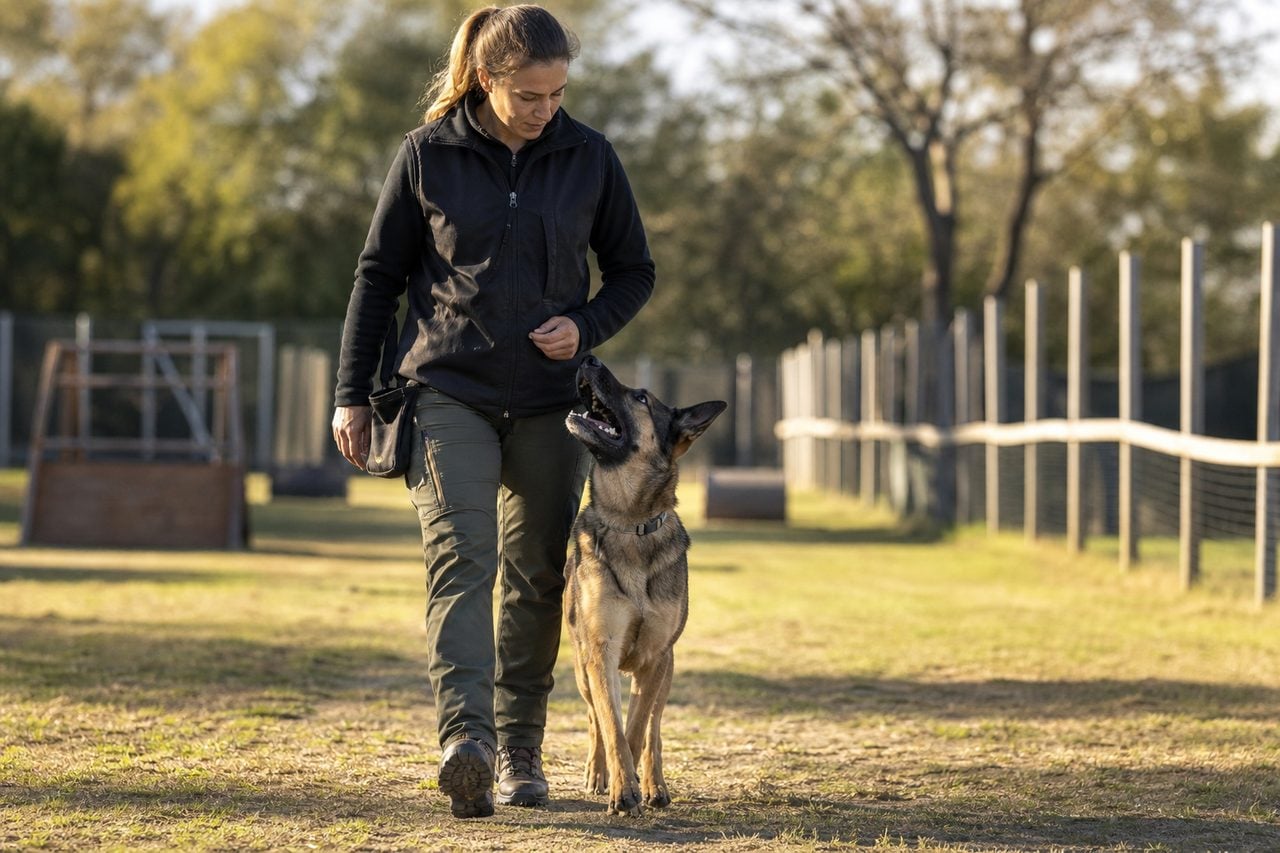
One of the first questions Philadelphia dog owners ask is simply: what does training cost? It’s a fair question, and the honest answer is that prices vary widely depending on the format you choose, the trainer’s experience, and the goals you’re working toward. A weekly group class in a neighborhood studio sits at one end of the spectrum; a multi-week board-and-train program where your dog lives with a trainer sits at the other. Between those extremes are private in-home sessions, day-training, and specialized packages for issues like reactivity or anxiety.
This guide lays out the main pricing tiers you’ll encounter across the Philadelphia region — from Center City and the River Wards through the Northwest, the Main Line, and the collar counties — and explains what’s typically included at each level so you can compare offers fairly. Because rates differ by trainer, neighborhood, and program, the only reliable quote is the one a trainer puts in writing for your dog, so always ask for a written breakdown.
The goal here is to help you understand why prices differ and how to judge value rather than just the sticker number. The cheapest option isn’t always the best deal, and the most expensive isn’t automatically superior. What matters is matching the format and price to your dog’s needs, your schedule, and the kind of behavior change you’re after — in a city where rowhouse living, dense sidewalks, and SEPTA transit all shape what your dog needs to handle. A dog in a Northern Liberties apartment faces constant building-lobby traffic and close-quarters greetings; a dog out in Doylestown or Media has more room but still needs solid manners for vet visits and busy errands. Those differences in daily life often matter as much as the headline price when you’re deciding which format and trainer actually fit, and they’re worth thinking through before you start calling around for quotes across the city and the collar counties.
Group Classes: The Most Affordable Entry Point
Group classes are the most budget-friendly format and a popular starting point for Philadelphia owners. Typically running as a multi-week course (often around six weeks) with a weekly session, they cover foundation obedience — sit, down, stay, loose-leash walking, recall — and basic manners in a setting with other dogs and people. The per-session cost is low because the trainer’s time is split across the class, which is why group classes sit at the bottom of the price range.
The trade-off is less individual attention. Group classes work well for puppies and dogs with no serious behavior problems, and the presence of other dogs is itself valuable socialization — useful in a city where your dog will constantly encounter other dogs on narrow sidewalks and in parks like the Wissahickon or Pennypack. What’s usually included: the structured curriculum, instructor guidance, and often handouts or homework. What’s typically not included: customized solutions for specific issues like leash reactivity or separation anxiety, which need a more individualized format. For many owners, a group class is the smart, economical first step before deciding whether to invest more.
Private And In-Home Sessions
Private sessions cost more per hour than group classes but deliver one-on-one attention tailored to your dog and your specific goals. They’re commonly priced per session or in discounted multi-session packages, and they can take place at a trainer’s facility or in your home. In-home sessions often carry a premium because the trainer travels to you — relevant in Philadelphia, where a trainer crossing the city or heading out to the Main Line factors travel time into the rate.
The advantage of private work is customization: the trainer assesses your individual dog, addresses your priorities directly, and works in the exact environment where problems occur — your rowhouse, your block, your building’s lobby. This makes private sessions ideal for specific behavior issues, busy schedules that don’t fit a fixed class time, or dogs that struggle in group settings. What’s usually included: a tailored plan, hands-on coaching for both dog and owner, and often follow-up support between sessions. Multi-session packages typically lower the per-session price, so ask whether buying several at once reduces the rate. As always, request a written outline of what each package covers.
Board-And-Train And Day Training
Board-and-train programs are the most expensive option, and for good reason: your dog lives with a trainer or at a facility for a set period — often two to several weeks — receiving intensive daily training. The price reflects round-the-clock care, boarding, and many hours of professional work compressed into a short window. This tier sits well above group and private formats in total cost.
Board-and-train can produce fast progress and suits owners who lack time to train daily themselves or who are tackling significant behavior challenges. The critical caveat: dogs don’t automatically maintain new behaviors when they come home, so the transfer back to you is essential. Quality programs include handoff sessions that teach you to maintain the training — if a program skips owner coaching, the results often fade. What’s usually included: boarding, daily training, and ideally go-home sessions plus follow-up. Before committing the larger sum, ask exactly how many training hours per day, what methods are used, how the facility is run, and how they transfer skills back to you. The premium price should buy genuine, lasting results — not just a well-behaved dog who reverts within weeks.
Day training: the in-between option
Day training sits between private sessions and full board-and-train, and it suits city schedules well. The trainer works with your dog during the day — at a facility, or at your home while you are at work — and the dog sleeps at home every night. You are paying for the trainer’s hands-on hours without overnight boarding, so it usually costs more than a package of private sessions but less than a board-and-train stay. It can be a good fit for a commuter whose dog needs daily repetition on rowhouse-block or apartment-lobby manners. Ask how many training hours a day includes, whether transport is part of it, and how often you get a handoff lesson so the skills transfer to you.
What Drives Price Differences In Philadelphia
Several factors explain why two trainers can quote very different rates for what sounds like the same service. Experience and credentials matter — a trainer with years of work and recognized education typically charges more. Specialization commands a premium too: addressing aggression, severe reactivity, or anxiety requires more skill than teaching basic obedience, and prices reflect that.
Location plays a role within the region. Rates in Center City and the affluent Main Line can run higher than in some outlying areas, reflecting local costs and demand. Format obviously drives price — group versus private versus board-and-train — as does session length and package size. The trainer’s methods and the level of follow-up support included also factor in; a higher quote that bundles ongoing support may be better value than a cheaper one with none. When comparing prices, make sure you’re comparing like for like: a low headline rate with no follow-up and a short session isn’t necessarily cheaper than a higher rate that includes coaching and support. Understanding these drivers helps you read a quote critically rather than just chasing the lowest number.
Specialized Training And Behavior Work
Training for specific behavior problems — leash reactivity, fear, separation anxiety, resource guarding, or aggression — typically costs more than general obedience because it demands greater expertise and a more careful, individualized approach. These issues are common in a dense city like Philadelphia, where dogs encounter constant triggers: other dogs on tight sidewalks, strangers passing close to rowhouse doors, delivery noise, and the comings and goings of apartment buildings.
Behavior work is usually delivered through private sessions or specialized packages rather than group classes, since each case needs assessment and a tailored plan. Some serious cases — particularly anxiety or aggression — may also warrant input from a veterinary behaviorist, which is a separate expense. Pricing for behavior work varies even more than for basic training because the scope depends entirely on the individual dog and the severity of the issue. Expect the trainer to start with an assessment before quoting a full plan. While it costs more, addressing a genuine behavior problem with a qualified professional is far more effective — and ultimately more economical — than repeated cheap classes that don’t target the root cause. Ask what the package includes and how progress will be measured.
Comparing Quotes And Budgeting Across The Region
The smartest way to shop for training isn’t to find the lowest price — it’s to find the best value for your situation. Start by being clear about your goal: basic manners for a puppy, fixing a specific problem, or intensive rehabilitation. That goal points you to the right format and price tier, so you’re not overpaying for board-and-train when a group class would do, or underbuying a single class when you need sustained private work.
If a trainer offers an initial assessment or consultation, use it to see how they read your dog before you commit. When you collect quotes, ask each trainer the same questions: how many sessions, how long each one is, what’s included, what methods they use, and what follow-up support comes with the price. Get it in writing. A slightly higher quote that includes coaching for you, follow-up access, and a clear plan often delivers far more value than a bare-bones cheaper option. Also weigh the trainer’s approach — reward-based methods and clear communication matter as much as price. For Philadelphia owners across the city and collar counties, the right call balances cost, format, the trainer’s skill, and how well the plan fits your dog’s real-life environment — the sidewalks, transit, and neighbors your dog actually navigates every day.
Budgeting for training across the region
Beyond the headline price of a class or package, plan for the full cost of getting a well-trained dog. Most behavior change requires ongoing practice and sometimes follow-up sessions, so budget for a process rather than a single purchase. Many owners start with a group class and add private sessions later for specific issues, spreading the cost over time — a sensible approach if you’re managing a budget.
Factor in the basics, too: a good harness or leash, treats for reward-based training, and any enrichment tools your trainer recommends. If you choose board-and-train, remember the larger upfront sum and confirm what’s bundled. Across the Philadelphia region, costs can vary between the city core and the suburbs, from Doylestown to Montgomery, Delaware, and Chester counties, so it’s worth getting quotes from a few trainers in your area — whether that’s Center City, Manayunk, the Main Line, or West Chester. Because quotes shift by trainer, format, and neighborhood, always ask for a written, itemized quote before committing. With clear goals and a fair comparison, you can find quality training that fits your budget anywhere in the region.
Reviewed Dog Training Prices Trainers in Philadelphia
These reviewed Philadelphia-area trainers from our directory handle dog training prices. Each links to a full profile with specialties, certified credentials, reviews, and contact info:
- At Attention Dog Training — 5.0★ (469 reviews)
- The Ruff House Dog Center Ltd. — 5.0★ (165 reviews)
- STAT K9 Training — 5.0★ (162 reviews)
- Taking the Lead Dog Training — 5.0★ (141 reviews)
- Dog Gone Good Dog Training — 5.0★ (134 reviews)
- In Us They Trust, LLC — 5.0★ (126 reviews)
- Wag The Dog — 5.0★ (112 reviews)
- Cappuccino Dog Training Inc. — 5.0★ (109 reviews)
- Raise Your Right Paw Dog Training — 5.0★ (94 reviews)
- Katz Dogs K9 — 5.0★ (90 reviews)
See all Philadelphia dog training prices trainers →
Frequently Asked Questions
How much does dog training cost in Philadelphia?
It depends heavily on format. Group classes are the most affordable, usually sold as a multi-week course; private and in-home sessions cost more per hour but offer one-on-one attention; and board-and-train programs are the priciest because your dog lives with a trainer for intensive daily work. Rates also vary by the trainer’s experience, specialization, and location within the region. For an exact quote, ask each trainer for a written breakdown — rates differ too much to give a single answer.
Why are board-and-train programs so much more expensive?
Board-and-train includes round-the-clock boarding plus many hours of intensive professional training compressed into a short stay, so the total cost is well above group or private formats. The price should also cover handoff sessions that teach you to maintain the training at home — that transfer is essential, because dogs don’t automatically keep new behaviors without owner follow-through. Before paying the premium, confirm daily training hours, methods, and how skills are transferred back to you.
Are group classes worth it, or should I pay for private training?
Group classes are excellent value for puppies and dogs without serious issues, and they add real-world socialization with other dogs — useful in a city full of sidewalk encounters. Private training costs more but is tailored to your dog and ideal for specific problems, busy schedules, or dogs that struggle in groups. Many Philadelphia owners start with a group class and add private sessions later for particular issues, spreading the cost.
What makes one trainer charge more than another?
Key drivers are experience and credentials, specialization (behavior work like reactivity or aggression costs more than basic obedience), format, session length, package size, and location — rates in areas like Center City and the Main Line can run higher. The level of follow-up support included also matters. A higher quote bundling coaching and support can be better value than a cheaper one with none, so compare like for like.
Does specialized behavior training cost more?
Yes. Training for issues like leash reactivity, fear, separation anxiety, or aggression typically costs more than general obedience because it requires greater expertise and an individualized plan, usually delivered through private sessions rather than group classes. Some serious cases may also warrant a veterinary behaviorist, which is a separate expense. Expect an assessment before a full quote, and ask what the package includes and how progress is measured.
How do I compare training quotes fairly?
Don’t just chase the lowest price. First clarify your goal — basic manners, a specific problem, or intensive rehab — which points to the right format and tier. Then ask each trainer the same questions: number and length of sessions, what’s included, methods used, and follow-up support, and get it in writing. A slightly higher quote with coaching and follow-up often delivers more value than a bare-bones cheaper option.
Related: read our complete dog training prices guide or the full Philadelphia dog training overview.
Ready to find the right dog training prices pro in Philadelphia?