
Dog Training Prices in Port Huron, MI
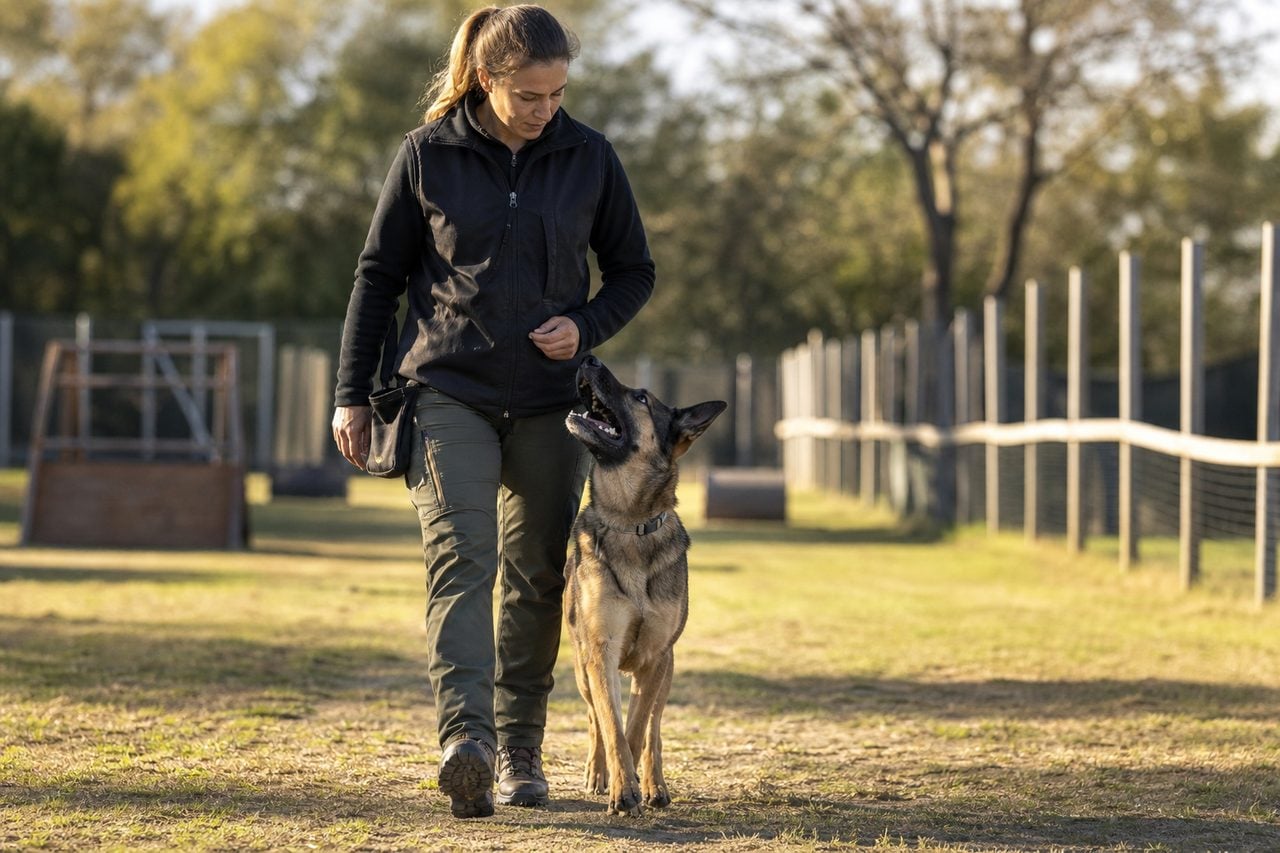
One of the first questions owners in the Blue Water Area ask is simply what dog training costs. It is a fair question and a frustrating one, because there is no single answer. Prices vary widely by the format of training, the trainer’s experience, the length and structure of the program, whether the trainer travels to you across St. Clair County and the Thumb, and what your particular dog needs. Two owners in Port Huron can pay very different amounts and both get a fair deal, because they bought different things.
This guide lays out the common pricing structures you will encounter locally and gives realistic ranges to help you budget and compare quotes. These are general market ranges to frame your expectations, not quotes from any specific business, and actual prices change over time and differ by trainer. Always confirm current pricing and exactly what is included directly with the trainer before booking. The goal here is to help you understand what drives cost, what you are actually paying for, and how to judge value rather than just hunting for the lowest number.
Because the area is spread out, from waterfront neighborhoods downtown to farm country around Emmett and Yale to the Thumb shore at Lexington and Croswell, logistics like travel radius genuinely affect price, and the cheapest option is rarely the one that solves your problem fastest. Understanding the trade-offs helps you spend where it counts.
The main pricing structures you will encounter
Dog training is sold in a few standard formats, and each is priced differently. Knowing the structures helps you compare quotes that might otherwise look impossible to line up against each other.
- Group classes are usually sold as a multi-week course covering a set curriculum, priced as a single package for the series. This is typically the most affordable per-session option and a strong value for well-adjusted dogs.
- Private lessons are sold per session or in discounted multi-session packages, and cost more per hour than group classes because you get one-on-one, customized attention. In-home private lessons may add travel considerations given the county’s size.
- Board-and-train programs are sold as a package covering a block of days or weeks during which the dog lives with the trainer. These are the most expensive because they bundle intensive daily training, care, boarding, and usually owner handoff sessions.
- Day training or day school, where the dog is trained during the day and goes home at night, sits between private lessons and board-and-train in both intensity and cost.
- Behavior consultations for serious issues like aggression or severe anxiety are often priced as a longer initial assessment plus follow-ups, and command a premium for specialized expertise.
When you gather quotes, first identify which structure each one is, then compare like with like. A group-class package and a board-and-train package are not competing on the same axis.
Realistic price ranges to frame your budget
The following are broad, general market ranges to set expectations, not quotes and not facts about any local business. Confirm real numbers with the trainer, because pricing varies by trainer, changes over time, and depends on your dog’s needs.
- Group classes commonly run somewhere in the low-to-mid hundreds of dollars for a multi-week course, making the per-session cost quite reasonable. Puppy foundation and basic manners classes usually sit at the lower end.
- Private lessons commonly fall in the roughly mid-double-digit to low-triple-digit dollars per session range, with package deals lowering the per-session price. Experience, specialization, and travel can push this up.
- Board-and-train programs are the big-ticket item, commonly running into the high hundreds to several thousand dollars depending on length, intensity, and the trainer’s reputation, because you are paying for weeks of daily work plus full-time care.
- Behavior consultations for complex issues are typically priced at a premium for the assessment and follow-ups, reflecting specialized expertise.
Treat these as rough brackets for planning. A quote well outside a range is not automatically wrong; it may reflect a different scope, a more experienced trainer, or a more intensive program. The point of the ranges is to help you spot what is roughly normal and to prepare a realistic budget, not to argue a trainer down to a number.
It also helps to think about cost per outcome rather than cost per session. A single group-class course that produces a well-mannered dog is cheaper in the end than a string of discount sessions that never quite fix the problem, even if each of those sessions was individually inexpensive. Similarly, a board-and-train that carries a large sticker price can pencil out reasonably if you value the time saved and the program genuinely transfers the results to you. The number that matters is what it costs to actually reach your goal, and that depends as much on the fit between the program and your dog as on the headline price. Two owners can pay the same amount and get very different value simply because one chose a format and trainer suited to their dog and the other did not, which is why matching the program to the need comes before hunting for the lowest figure.
What actually drives the price up or down
Several factors explain why quotes differ so much, and understanding them helps you judge whether a price is fair for what you need.
- Format and intensity: board-and-train and day school cost more than group classes because they bundle far more trainer time and often care and boarding.
- Trainer experience and specialization: a highly experienced trainer, or one who handles serious behavior cases, reasonably charges more than a generalist teaching basic manners.
- Customization: private and in-home work is tailored to your dog and your home, which costs more than a standardized group curriculum.
- Travel radius: in a spread-out region like St. Clair County and the Thumb, a trainer driving to a farm near Capac or up to Lexington may factor that travel into the price.
- Program length and support: packages that include more sessions, follow-up support, or lifetime access to refreshers cost more up front but can be better value over time.
- Your dog’s specific needs: a straightforward puppy costs less to train than a dog with an established, serious behavior problem that requires specialized work.
When comparing quotes, look past the headline number to what is bundled. A slightly higher price that includes more sessions, follow-up support, or a thorough owner handoff can be the better deal.
Reading value, not just the sticker price
The cheapest option is not automatically the best value, and the most expensive is not automatically the most effective. Value is results and lasting change per dollar, not the lowest headline figure. A bargain group class that does not fix your dog’s specific problem, or a discount trainer whose methods leave your dog stressed, can cost you far more in the long run through unresolved behavior and possible retraining.
Weigh a few things against price. What exactly is included, and how many sessions or how much support come with it? What are the trainer’s methods and experience, and do they suit your dog? What results do their past clients report? Does the program develop your own handling skills, which pay off for the life of the dog, or does it leave you dependent on the trainer? A program that genuinely solves the problem and equips you to maintain it is worth more than a cheaper one that does neither.
Be especially wary of pricing that seems far below everything else. Extremely low prices can signal inexperience, corners cut, or methods you would not want used on your dog. Likewise, a premium price should come with premium substance: real experience, clear methods, and strong support. Ask what you are getting for the money, and judge the answer, not just the number.
There is also a hidden cost that never appears on any quote: your own time and the risk of making a problem worse. A cheap program built on harsh methods can create fear or reactivity that then costs real money and months of careful work to undo, so the discount turns into the most expensive route of all. In the same way, a program that leaves you dependent on the trainer, unable to maintain the dog yourself, quietly commits you to paying again every time a skill slips. When you weigh options, factor in these downstream costs, not just the invoice in front of you. The trainer who teaches you to keep the results is often the one who saves you the most over the dog’s life.
Questions to ask before you pay
Before booking any trainer, get clarity on both price and substance so there are no surprises. A reputable trainer will answer these directly, and hesitation to do so is itself useful information.
- What is the total cost, and exactly what is included: how many sessions, over what period, and any materials or follow-up support?
- Are there any additional fees, such as travel charges for in-home work across the county or the Thumb?
- What is your refund, reschedule, or make-up policy if a session or the program does not work out?
- What are your methods, and what happens when a dog gets something right versus wrong?
- What is your experience with dogs like mine and with my specific issue?
- For board-and-train, how much owner coaching is included so the skills transfer to me at home?
- What results can I realistically expect, and over what timeline?
Getting the full scope in writing before you pay protects you and makes it possible to compare offers honestly. It also surfaces the difference between a trainer selling a clear, supported program and one selling a vague promise.
Budgeting smart: where your money goes furthest
For most owners, the highest-leverage spend is early and foundational. A puppy or foundation group class, taken during the first several months, is relatively affordable and prevents a long list of expensive problems later. Money spent on early socialization and basic manners tends to return far more than money spent later cleaning up habits that were allowed to take root. If your budget is limited, prioritize getting the basics right early over an elaborate program down the line.
If you own an adult dog with a specific problem, a few targeted private sessions can be more cost-effective than a long general course, because they attack the actual issue directly. Conversely, if you simply want a well-mannered companion and have a normal, sociable dog, a group-class package usually delivers the most reliability per dollar, plus the handling skills you keep for the dog’s whole life.
Whatever you choose, remember that the between-session practice you do yourself is free and is the biggest driver of results. The most expensive program in the world underperforms if the skills are never reinforced at home, while a modest class plus diligent daily practice can produce an excellent dog. Spend thoughtfully on good instruction, then do the free work of practicing across the Blue Water Area’s parks, trails, and seasons, and you will get strong value regardless of your budget.
Comparing local quotes fairly
When you finally sit down to compare trainers across Port Huron and the surrounding towns, put the quotes into the same framework so you are comparing like with like. First, sort each quote by format: group class, private, day school, or board-and-train. Then, for each, note the total cost, the number of sessions or days, the length of the program, and what support is included. Only after that does the per-unit cost tell you anything meaningful.
Factor in logistics honestly. A trainer close to you may be cheaper in practice than a slightly lower-priced one an hour away if travel is billed or if you are driving to sessions repeatedly. For rural owners around Emmett, Yale, or Capac, or shore owners near Lexington and Croswell, confirm whether a trainer serves your area at all and whether travel affects the price, since coverage across the county and Thumb varies.
Finally, weigh the intangibles that do not show up on a price sheet: the trainer’s methods, their experience with dogs like yours, and how well the program develops your own skills. The best value is the trainer who genuinely solves your problem, uses humane methods you are comfortable with, and leaves you able to maintain the results, at a price that fits your budget. Confirm the current numbers directly, get the scope in writing, and choose on total value rather than the lowest sticker price.
A sensible way to run the process is to collect two or three quotes rather than booking the first trainer you find, and to treat the initial conversation as part of your evaluation. A trainer who answers your questions clearly, explains their methods without defensiveness, and is upfront about total cost and what is included is showing you how they will operate throughout the program. One who is vague about price, evasive about methods, or pressures you to commit on the spot is showing you something too. The money matters, but the fit, the transparency, and the humane, effective approach matter just as much, and the right combination of all of these is what a good value actually looks like in practice.
Reviewed Dog Trainers in Port Huron
These reviewed Port Huron-area trainers from our directory can walk you through pricing for their programs. Each links to a full profile with specialties, certified credentials, reviews, and contact info:
- Recon K9 — 5.0★ (8 reviews)
- Cool Spring Farm Kennel, LLC — 4.9★ (67 reviews)
- Great Lakes K-9 Inc — 4.5★ (66 reviews)
See all Port Huron dog training prices trainers →
Frequently Asked Questions
How much does dog training cost in the Port Huron area?
There is no single price. It depends on the format, the trainer’s experience, program length, travel, and your dog’s needs. As broad general ranges, group-class courses often run in the low-to-mid hundreds of dollars for a multi-week series, private lessons commonly fall from roughly mid-double digits to low-triple digits per session, and board-and-train programs can run from the high hundreds into several thousand dollars. Always confirm current pricing directly with the trainer.
Why are group classes so much cheaper than private or board-and-train?
Because you are buying different amounts of trainer time and attention. A group class splits the trainer’s time across several owner-dog teams over a set curriculum, so the per-session cost is low. Private lessons buy one-on-one, customized attention, which costs more per hour. Board-and-train bundles weeks of intensive daily training plus full-time care and boarding, which is why it is the most expensive format by far.
Is the most expensive trainer the best?
Not necessarily. Price reflects format, experience, and scope, but value is results and lasting change per dollar, not the highest number. A premium price should come with real substance: strong experience, clear humane methods, and good support. Judge each option on what is included, the trainer’s methods, and whether the program equips you to maintain results, not on price alone. Both bargain-basement and premium quotes deserve the same scrutiny.
Should I be worried about a trainer whose prices are very low?
Be cautious. Extremely low prices, well below everything else in the market, can signal inexperience, corners cut, or methods you would not want used on your dog. Cheap training that fails to fix the problem, or that stresses your dog, can cost more in the long run through unresolved behavior and retraining. Low price is fine if the substance is there, so ask about experience, methods, and what is included before assuming it is a deal.
Do trainers charge extra to travel to my town?
They might, and it is worth asking. The Blue Water Area is spread out, and a trainer driving to a farm near Capac or up the Thumb shore to Lexington or Croswell may factor travel into the price for in-home work. Coverage across St. Clair County and the Thumb varies by trainer, so confirm both whether they serve your area and whether travel affects the cost before booking.
Where does my training budget go furthest?
Usually on early, foundational work. A puppy or foundation group class in the first several months is relatively affordable and prevents a long list of expensive problems later, so early socialization and basic manners return the most per dollar. For an adult with a specific issue, a few targeted private sessions can beat a long general course. And the between-session practice you do yourself is free and the single biggest driver of results, which means even a modest budget can produce an excellent dog when it is paired with consistent daily effort.
Related: read our complete dog training prices guide or the full Port Huron dog training overview.
Ready to find the right dog training prices pro in Port Huron?