
Dog Training Prices in Scranton, PA
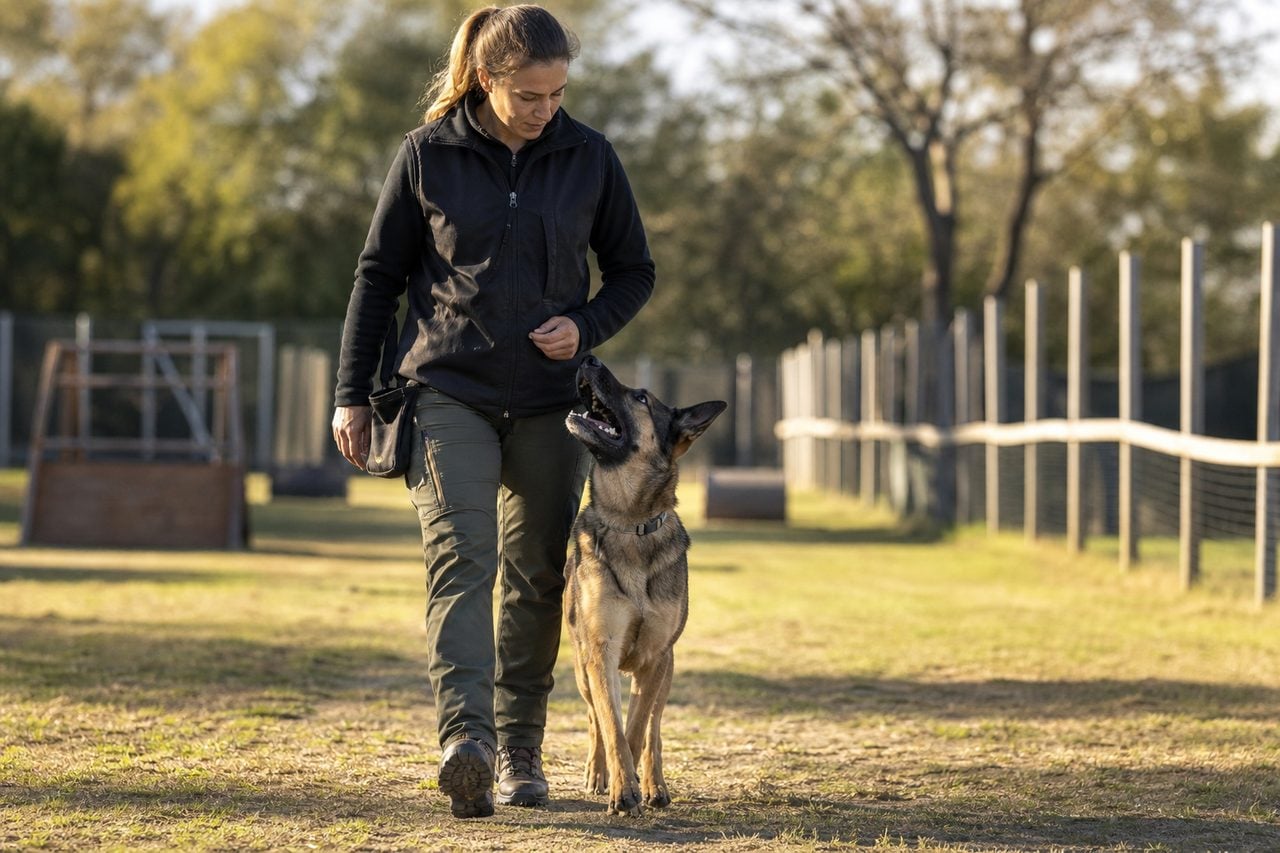
One of the first questions dog owners across Scranton, Wilkes-Barre, and the wider NEPA region ask is simply: what does dog training cost? It is a fair question, and the honest answer is that there is no single price. Costs vary widely by the format of training, the experience and credentials of the trainer, the number of sessions, the specific behavior you are working on, and how much of the work happens with the trainer versus at home between sessions. Because rates shift and packages differ from trainer to trainer, this article explains the typical tiers you will encounter locally and what moves a quote within each, so you can budget realistically and compare options across Lackawanna and Luzerne counties on an apples-to-apples basis.
Broadly, dog training in the Electric City and the Wyoming Valley falls into three main formats, each with its own price structure. Group classes sit at the affordable end. Private one-on-one training sits in the middle. Board-and-train programs, where your dog stays with the trainer for intensive daily work, sit at the premium end because of the round-the-clock care involved. Prices also shift with the specialty — basic manners cost far less than complex behavior rehabilitation for aggression or severe separation anxiety — and with location, since a trainer working in downtown Scranton or Dunmore may price differently than one traveling out to the Back Mountain, Mountain Top, or rural Hazleton.
The sections that follow break down what each tier generally includes, the factors that push a quote up or down, how to read exactly what a price covers, and how to judge genuine value rather than chasing the lowest sticker figure. The aim is to leave you able to walk into any conversation with a NEPA trainer knowing the right questions to ask and what a fair quote for your dog’s needs should include.
Group Classes: The Most Affordable Tier
Group classes are where most NEPA owners begin, and they are the most budget-friendly format. In a group class you and your dog join a small cohort — often for a set number of weekly sessions over four to eight weeks — working through a structured curriculum such as puppy socialization, basic obedience, or a Canine Good Citizen preparation course. Because the trainer’s time is shared across several teams, the per-session cost is the lowest of any format, and multi-week packages are usually priced as a bundle rather than per class.
The value of group classes goes beyond price. The presence of other dogs and handlers provides built-in socialization and real-world distraction — invaluable for a young dog learning to focus — which a solo session cannot replicate. The trade-off is less individual attention; if your dog has a specific behavior problem or is reactive around other dogs, a crowded class may not be the right first step. Group classes suit friendly, generally well-adjusted dogs whose owners want foundations and are willing to practice at home between sessions. When comparing local classes, ask how many teams are in each cohort, how many total sessions the price covers, and whether any follow-up or make-up sessions are included.
Private Training: Personalized One-On-One Work
Private training sits in the middle of the price range and is charged either per session or as a package of several sessions. Here the trainer works exclusively with you and your dog, either at a facility or, commonly in NEPA, in your own home in Scranton, Dunmore, Kingston, or the Abingtons. In-home sessions carry a premium in some cases because of travel time, especially for trainers covering spread-out areas like the Back Mountain, Mountain Top, or the Hazleton region, so ask whether a travel fee applies for your town.
You pay more per hour than a group class, but you get a program tailored precisely to your dog and your goals, and the trainer can address issues a class cannot — leash reactivity, resource guarding, separation anxiety, or specific household problems like jumping and door-dashing. Private packages often bundle several sessions with between-session support such as written homework or check-ins, which improves value. Because behavior work depends heavily on consistent follow-through at home, the real return on private training comes from doing the assigned practice. When comparing quotes, look at what a package includes — number of sessions, session length, travel, and follow-up support — rather than just the headline per-session figure, since a slightly pricier package with strong support often costs less per result.
Board-And-Train And Day Training
Board-and-train programs are the most expensive tier because your dog lives with the trainer — typically for one to several weeks — receiving daily, intensive training plus full boarding care around the clock. The price reflects that comprehensive package: professional training time, food, housing, exercise, and constant supervision. For this reason board-and-train is usually quoted as a flat program fee tied to the number of weeks and the goals, rather than an hourly rate, and it sits well above group or private training.
The appeal is speed and convenience: an experienced trainer works with your dog every day in a controlled setting, which can accelerate progress, particularly for stubborn obedience gaps or certain behavior issues. The critical caveat — and something to ask any NEPA provider about directly — is the transfer phase. A dog trained by a professional must have those skills handed off to you, or the results fade once it comes home. Reputable board-and-train programs build in owner lessons at pickup and follow-up support to teach you how to maintain the training. When evaluating cost, factor in whether transfer sessions and follow-up are included in the flat fee or billed separately, because a cheaper program without transfer support can end up delivering less lasting value than a pricier one that includes it.
Day training: a middle path
Between private lessons and board-and-train sits day training, a format worth asking about. The trainer works with your dog during the day — at a facility, or at your home while you are at work — and the dog sleeps at home every night. Because you are paying for the trainer’s hands-on hours without overnight boarding, it usually costs more than a private-lesson package but less than a full board-and-train program. It can suit a commuter heading down the Wyoming Valley each day whose dog needs more repetition than weekly sessions provide. As with board-and-train, ask how often you get a handoff lesson, because skills only last once you can reproduce them yourself.
What Drives Training Prices Up Or Down
Several factors move a quote up or down within any tier, and understanding them helps you compare fairly. The trainer’s experience and credentials matter: a trainer with years of behavior-modification work or professional certifications generally charges more than a newer generalist, and for complex issues that expertise is often worth it. The type of training is a major driver — basic manners are the least costly, while specialized work such as aggression rehabilitation, severe separation anxiety, or scent and sport training commands higher rates because of the skill and time involved.
Other variables include session length and frequency, whether training happens at a facility or in your home, and travel distance across NEPA’s spread-out towns. Package structure also affects the effective price: buying a bundle of sessions usually costs less per session than paying one at a time, and programs that include follow-up support or a guarantee may carry a higher upfront price but better overall value. Finally, seasonal demand can play a role — puppy classes fill up in spring and summer. Rather than simply chasing the lowest number, weigh these factors together; the cheapest option is rarely the best value if it does not fit your dog’s actual needs.
Understanding What Is Included In A Quote
A price only means something once you know what it covers, and this is where local quotes diverge most. When you contact a trainer in Scranton, the Wyoming Valley, or anywhere in between, ask them to spell out exactly what a given figure includes. For a group class, that means the number of sessions, the class size, the curriculum, and whether make-up sessions or materials are provided. For private training, clarify session length, how many sessions a package contains, whether travel to your town is included, and what between-session support you get.
For board-and-train, the list is longer: the program length, what obedience or behaviors are covered, how much daily training the dog actually receives, the boarding conditions, and — crucially — whether owner transfer lessons and follow-up are part of the fee. Also ask about the practical extras that can add up: assessment or consultation fees, any required equipment, and whether follow-up questions after the program are free or billed. A trainer who answers these questions clearly and in writing is signaling professionalism. Two quotes that look far apart on price may actually be closer in value once you compare what each genuinely includes, which is why an itemized understanding beats a single headline number every time.
Budgeting, Value, And Comparing Trainers In NEPA
Smart budgeting starts with matching the format to your actual need rather than defaulting to the cheapest or the most intensive option. A friendly puppy who needs socialization and basic manners is usually well served by a group class — the affordable tier — especially if you are willing to practice at home. A dog with a specific behavior problem generally needs private training, and a serious or entrenched issue, or an owner with little time, may justify the investment of board-and-train. Spending on the right format for your situation is what actually delivers value.
To stretch your budget in NEPA, consider a few practical moves. Ask whether trainers offer package discounts versus single sessions, since bundles almost always lower the per-session cost. Do the homework between sessions diligently — the more consistent your practice, the fewer paid sessions you are likely to need. Look for trainers who include follow-up support, which reduces the chance of paying again later for regressions. And do not overlook lower-cost community resources: some obedience clubs and shelters in Lackawanna and Luzerne counties periodically run affordable group classes. Finally, treat the initial consultation as your chance to gauge fit and clarity, not just price. The best value comes from a qualified trainer whose format, communication, and support genuinely match your dog — not simply from the lowest quote in the valley.
Comparing trainers beyond the price tag
Once you understand the tiers, the final step is comparing trainers on more than cost. Price tells you what you pay; it does not tell you what you get, and in dog training the quality of the trainer and the fit with your dog matter enormously. When you speak with a prospective trainer anywhere from downtown Scranton to the Back Mountain to Hazleton, ask about their methods, their experience with your specific issue, and how they measure progress. Trainers who rely on reward-based, humane methods and can explain their approach clearly tend to produce more reliable, lasting results.
Pay attention to communication and structure, too. Does the trainer offer a consultation or assessment before recommending a program? Do they set clear goals and give you homework? Are they transparent about what is and is not included, and realistic about timelines rather than promising overnight fixes? These signals often predict value better than the price alone. It is also reasonable to ask how they handle setbacks and whether follow-up support is available. Because a well-matched trainer can resolve an issue in fewer sessions — and prevent it from recurring — investing a little more in the right professional frequently costs less over time than repeatedly paying for cheaper training that does not stick. In the end, the goal is a well-behaved dog and a confident owner, and that outcome is what any NEPA training budget should be aimed at.
Reviewed Dog Training Prices Trainers in Scranton
These reviewed Scranton-area trainers from our directory handle dog training prices. Each links to a full profile with specialties, certified credentials, reviews, and contact info:
- Loose Leash Canine — 5.0★ (52 reviews)
- Mary’s Hand That Feeds School For Dogs — 5.0★ (51 reviews)
- AMPODOG Professional Dog Training — 5.0★ (33 reviews)
- Old World K9 — 5.0★ (22 reviews)
- Leroy and Company Dog Training — 5.0★ (21 reviews)
- Coal Dog’s – Dog Training — 5.0★ (18 reviews)
- Your Dog’s Place — 5.0★ (10 reviews)
- Canine design — 5.0★ (7 reviews)
- Turning Tails Dog Training — 5.0★ (5 reviews)
- Little Bear Canines Dog Training — 5.0★ (4 reviews)
See all Scranton dog training prices trainers →
Frequently Asked Questions
How much does dog training cost in the Scranton area?
There is no single price — it depends on format and needs. Group classes are the most affordable tier, private one-on-one training sits in the middle, and board-and-train (where the dog stays with the trainer) is the premium option. Specialty work like aggression or anxiety rehabilitation costs more than basic manners. Rather than a fixed figure, think in tiers and ask each trainer exactly what their quote includes.
Why is board-and-train so much more expensive than group classes?
Board-and-train is a comprehensive package: your dog lives with the trainer for one to several weeks receiving daily intensive training plus full boarding — food, housing, exercise, and around-the-clock supervision. That reflects far more of the trainer’s time and resources than a shared weekly class, so it is quoted as a flat program fee and sits well above the other tiers. Check whether owner transfer lessons are included.
Is private training worth the higher cost over a group class?
It depends on your dog. Group classes are excellent value for socialization and basic manners in friendly, well-adjusted dogs. Private training costs more per hour but gives you a program tailored to your dog and can address specific issues — reactivity, guarding, separation anxiety — that a class cannot. If your dog has a particular behavior problem, private work is often the better value despite the higher rate.
What questions should I ask to compare training quotes?
Ask what the price actually includes: number and length of sessions, class size for groups, whether travel to your town carries a fee, what behaviors are covered, and whether follow-up support or make-up sessions are provided. For board-and-train, ask specifically about owner transfer lessons. Two quotes that look far apart can be close in value once you compare what each genuinely covers.
Are there low-cost dog training options in NEPA?
Yes. Group classes are the most affordable professional format, and buying a multi-session package usually lowers the per-session cost versus paying one at a time. Some obedience clubs and shelters in Lackawanna and Luzerne counties periodically offer affordable group classes. Doing your homework consistently between sessions also reduces how many paid sessions you are likely to need overall.
Does the trainer come to my home, and does that cost more?
Many NEPA trainers offer in-home private sessions, which some owners prefer because training happens in the dog’s real environment. Because of travel time, in-home training can carry a premium or a travel fee, especially for spread-out areas like the Back Mountain, Mountain Top, or the Hazleton region. Ask upfront whether a travel fee applies to your specific town so you can compare fairly.
Related: read our complete dog training prices guide or the full Scranton dog training overview.
Ready to find the right dog training prices pro in Scranton?