
Dog Training Prices in South Bend, IN
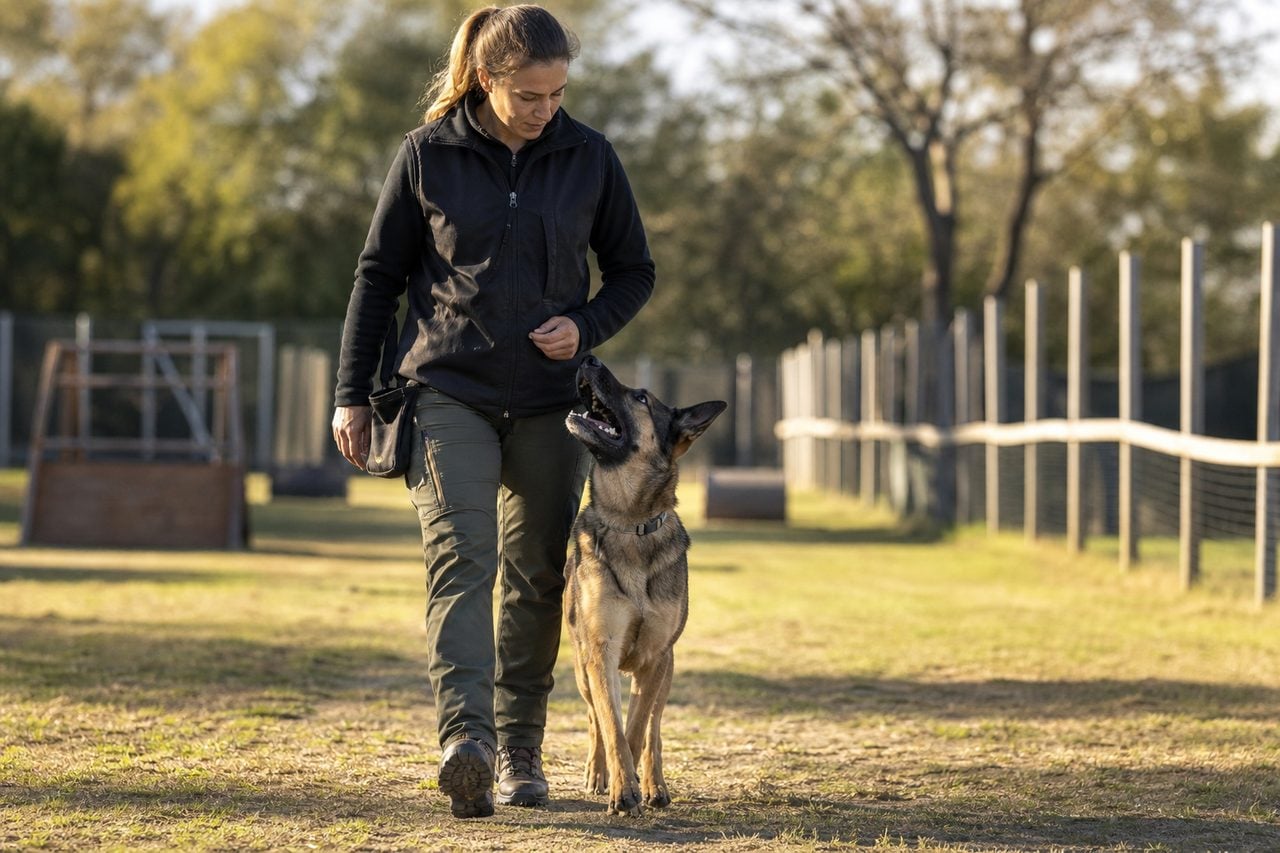
Cost is one of the first questions dog owners ask, and one of the hardest to answer cleanly, because dog training prices vary enormously by format, by trainer, by the dog’s needs, and by what is actually included. An owner in South Bend, Mishawaka, Granger, Elkhart, or Goshen comparing options will find a wide spread of figures, and understanding what drives that range is the key to spending wisely rather than simply cheaply.
This guide explains how dog training is priced, what each format typically includes, and how to read a quote so you can compare offerings fairly. It deliberately deals in realistic ranges and the factors behind them rather than quoting any single business’s prices — those change constantly and differ from one provider to the next, so you should always confirm current pricing directly with the trainer before booking. The aim is to make you an informed buyer who knows what questions to ask.
It also covers the local realities that affect budgeting in the Michiana area: student budgets around Notre Dame and IU South Bend, the seasonal income swings of the Elkhart RV industry, and how winters shift training online or indoors. Spending on training well — matching the right format to your dog and your goals — almost always costs less in the long run than living with, or later trying to fix, an untrained dog.
How Dog Training Is Priced
Dog training does not have a single price because it is not a single product. The cost depends primarily on the format, and the formats differ in how much of a professional’s time and facility you are buying.
Group classes are typically priced as a multi-week package — you pay once for a course of several sessions. Because the trainer’s time is shared across several owner-dog pairs, group classes are usually the most affordable option per session, and they are the common starting point for puppy and basic obedience training.
Private lessons are priced per session or in packages of several sessions, and cost more per hour because you are buying the trainer’s undivided attention and a program tailored to your dog. Packages often carry a lower effective per-session rate than one-off lessons.
Board-and-train is the most expensive format because you are paying for boarding, daily intensive training, and the trainer’s facility over a stretch of days or weeks. It is usually quoted as a program price for the full stay.
Day training or day school, where the dog is trained during the day and goes home at night, sits between private lessons and board-and-train in both intensity and cost.
On top of format, several factors move the price within each category: the trainer’s experience and credentials, the length and number of sessions, the complexity of your goals (basic manners versus serious behavior work), your location, and whether follow-up support is included. Two quotes can differ widely and both be fair once you account for what each includes. This is why comparing a bare number is misleading — you have to compare what the number buys.
Group Classes: The Value Starting Point
For most owners, a group class is the best-value entry into training and the sensible first spend. You get professional instruction, a structured curriculum, and — a benefit that is easy to overlook — your dog learns to work around the distraction of other dogs and people, which is genuinely hard to replicate at home.
Group classes are typically sold as a package covering a set number of weekly sessions. Puppy classes and basic manners courses are the most common, with intermediate and specialty classes (rally, scent work, tricks, and the like) also widely offered. Because the cost is spread across the group, the per-session price is the lowest of any format, which makes group classes especially attractive for students and budget-conscious households.
What you are buying is not just the sessions but the mechanics you learn to keep training at home. A well-taught group class equips you to continue the work for years, which stretches the value far beyond the weeks you actually attend. That leverage is what makes group classes such an efficient use of a training budget.
The trade-off is pace and individualization. A group moves at the group’s speed, and a dog with a specific problem may not get the focused attention it needs. If your goal is general good manners and socialization, that trade-off is usually well worth the savings. If you are wrestling with a real behavior issue, you may get better value from private work even though it costs more per hour — because solving the actual problem is what you are paying for. When comparing class packages, ask how many sessions are included, the class size, what the curriculum covers, and whether any make-up sessions or materials come with it.
Private Lessons and Day Training
Private training buys you a trainer’s full attention and a program built around your specific dog and goals. It costs more per hour than a group class, but for certain situations it is the more cost-effective choice because it targets exactly what you need without the pace of a group.
Private lessons are the right tool for specific behavior problems — leash reactivity, resource guarding, fear issues, serious pulling — and for owners whose schedules do not fit a fixed weekly class, a common reality for shift workers in the Elkhart RV industry or students juggling an unpredictable exam calendar. Trainers usually offer both single sessions and multi-session packages, and packages typically bring the effective per-session cost down while ensuring the continuity that behavior change requires.
Day training, sometimes called day school, is a middle option: you drop the dog off, a trainer works with it during the day, and it comes home at night. You pay for the trainer’s hands-on time, which produces faster progress than weekly lessons alone, but you must still be coached to maintain the skills, so look for programs that include handoff or transfer sessions with you. For a household where nobody is home during the day — a common situation for dual-income families and shift workers — day training can also solve a scheduling problem and a training goal at once, since the dog is supervised and productively occupied rather than left alone.
When budgeting for private work, remember that the number of sessions needed depends heavily on the goal and on how consistently you practice between sessions. A straightforward manners tune-up may take only a few sessions; a deep-seated behavior issue can take many more and may be ongoing. Ask any private trainer for an honest estimate of how many sessions your goal is likely to require, what home practice they expect from you, and whether follow-up support or between-session contact is included in the price.
Board-and-Train: Highest Cost, Important Caveats
Board-and-train is the premium end of the pricing spectrum. Your dog stays at the trainer’s facility for a set period — often one to several weeks — receiving daily training, and comes home with skills already installed. You are paying for boarding, intensive daily work, and the trainer’s facility and time, which is why it is the most expensive format by a wide margin, typically quoted as a single program price.
The appeal is convenience and speed, which draws busy owners and those facing serious behavior issues. But board-and-train carries caveats that matter as much as the price. First, the skills are learned working with the trainer and must be transferred to you; a reputable program includes handoff sessions and follow-up so you can maintain the results at home. Without that transfer, the gains can fade once the dog is back in its normal environment. Ask specifically what handoff and follow-up are included, and treat their absence as a red flag.
Second, and most important, is method transparency. You are not present to see how your dog is handled, which makes the trainer’s philosophy critical. Confirm they use reward-based, force-free methods, ask exactly how they handle a dog that resists, and choose a facility that welcomes questions and, ideally, offers visibility into their process. The convenience of board-and-train is never worth exposing your dog to harsh handling you cannot observe.
Because board-and-train is a significant investment, do the diligence in proportion to the cost: check references, understand precisely what the program includes and how long it runs, and be clear on what happens if the results do not hold. For many owners, a combination of a group class and some private sessions delivers comparable results for less money, so weigh board-and-train against those alternatives rather than assuming it is the only fast route.
What Actually Changes the Price
Once you understand the formats, it helps to know the specific factors that push a quote up or down within each one. This is what lets you understand why two prices differ and judge which represents better value for your situation.
- Trainer experience and credentials: more experienced trainers and those with recognized certifications and specialized behavior expertise generally charge more, reflecting their track record and continuing education.
- Session length and count: longer sessions and larger packages cost more in absolute terms, though packages usually lower the per-session rate.
- Complexity of goals: basic manners cost less than serious behavior modification, which requires more time and expertise.
- Format and intensity: as covered, group is most affordable, private is mid-range per hour, and board-and-train is the most expensive.
- What is included: follow-up support, materials, make-up sessions, and between-session contact all add value that a bare price does not reveal.
- Location and travel: in-home training that requires the trainer to travel to you may carry a premium over coming to their facility.
The single most important habit when comparing prices is to compare total value, not the headline number. A slightly higher-priced package that includes more sessions, follow-up support, and a trainer with strong credentials and humane methods can be the better buy than a cheaper option that includes little and uses questionable techniques. Always ask what is included, and always confirm current pricing directly, since rates change and vary from one trainer to the next across the South Bend and Elkhart area.
Budgeting for Training in the Michiana Area
Local realities shape how owners here budget for training. The region’s economy and rhythms are distinctive, and matching your training plan to your circumstances makes the spend far more manageable.
Students at Notre Dame and IU South Bend often face tight budgets and irregular schedules. For them, a group class is usually the best-value choice, supplemented by consistent free home practice — which is where most learning happens anyway. It is also worth being realistic before adopting: training is one of several ongoing costs of dog ownership, and factoring it in up front prevents a dog from being under-trained simply because the budget was not planned.
The Elkhart and Goshen RV industry brings seasonal income swings, since recreational-vehicle demand ebbs and flows. Owners in that world may prefer to time a training investment to a stronger income period, or to spread cost by starting with a group class and adding private sessions later as needed. Flexible, format-mixing approaches suit variable incomes well.
Winter changes the picture too. When lake-effect snow and cold limit outdoor sessions, some training naturally shifts indoors or online, and virtual coaching sessions — where a trainer guides you over video — can be a lower-cost, weather-proof way to keep progress going. Indoor group classes also run through the cold season. Planning to train through winter rather than pausing avoids losing ground you would later pay to regain.
Across all of these situations, the smartest budgeting principle is the same: the cheapest option is not always the best value, and under-investing in training often costs more later. A modest, well-chosen spend on good foundational training — especially reward-based group classes plus diligent home practice — delivers the strongest return for most Michiana households.
Getting Real Quotes and Comparing Them Fairly
Because published figures go stale quickly and vary widely, the only reliable way to know what training will cost you is to gather current quotes directly and compare them on equal terms. Here is how to do that so you are comparing like with like.
When you contact a trainer, ask for more than a price. Ask what format the quote covers, how many sessions are included and how long each runs, what the curriculum or program addresses, the class size for group options, what methods they use, their experience and any certifications, and what follow-up or support comes with the package. Two quotes that look far apart may be much closer once you account for these differences — or the cheaper one may reveal itself as far less complete.
Ask, too, about the practical fit: location and travel, scheduling flexibility, and what happens if you miss a session or the results do not hold. For board-and-train specifically, ask about handoff sessions, facility visibility, and references. These questions do double duty, revealing both the true cost and the trainer’s professionalism and transparency.
Then weigh the quotes on value rather than price alone. The right choice is the option whose format matches your goal, whose methods are humane and evidence-based, and whose total package — sessions, support, and expertise — gives your dog the best outcome for what you can spend. Confirm the final price before booking and get clarity on exactly what is included. An informed, question-asking buyer consistently gets better training for their money than one who simply chases the lowest number, and a well-trained dog is one of the most cost-effective investments an owner in the South Bend and Elkhart area can make.
Finally, keep the long view on cost. The price of a class or a package is only part of the picture; the far larger expense is what an untrained dog can cost over a lifetime — damaged belongings, escaped or lost dogs, strained relationships with neighbors, and in the worst cases behavior problems serious enough to threaten the dog’s place in the home. Viewed against those risks, a well-chosen investment in good early training is not really an expense at all but a form of insurance. The owners who spend a little thoughtfully at the start — typically on reward-based group classes plus steady home practice — are the ones least likely to face the much larger, and often far more painful, costs later.
Reviewed Dog Trainers in South Bend
These reviewed South Bend-area trainers from our directory can walk you through pricing for their programs. Each links to a full profile with specialties, certified credentials, reviews, and contact info:
- Jamie’s Dog Training & Behavior Modification LLC — 5.0★ (37 reviews)
- Trustee Training Services — 5.0★ (26 reviews)
- Canine Body and Mind — 5.0★ (19 reviews)
- Patty’s Pack — 5.0★ (10 reviews)
- Classic Canine Conduct – Indiana — 5.0★ (10 reviews)
- Mariah’s Specialty Dog Training — 5.0★ (8 reviews)
- THE ART OF PROFESSIONAL DOG TRAINING,LLC — 5.0★ (7 reviews)
- Sit Pretty Dog Training — 5.0★ (6 reviews)
- Dynamic Canine — 5.0★ (5 reviews)
- Northern Indiana Service Dogs — 5.0★ (2 reviews)
See all South Bend dog training prices trainers →
Frequently Asked Questions
How much does dog training cost in the South Bend and Elkhart area?
There is no single figure, because cost depends on format, trainer experience, session count, your dog’s needs, and what is included. In general, group classes are the most affordable, private lessons cost more per hour but are tailored, and board-and-train programs are the most expensive because they bundle boarding with intensive daily work. Prices change and vary from one provider to the next, so always confirm current pricing directly with the trainer before booking rather than relying on a quoted number.
Why do private lessons cost more than group classes?
Private lessons cost more per hour because you are buying the trainer’s undivided attention and a program built specifically around your dog and goals, rather than sharing that time across a group. That focus makes private work the more cost-effective choice for specific behavior problems or awkward schedules, even at a higher hourly rate, because it targets exactly what you need. Packages of several private sessions usually bring the effective per-session cost down compared with one-off lessons.
Is board-and-train worth the higher price?
It depends on your situation. Board-and-train offers convenience and fast results, which appeals to busy owners, but it is the most expensive format and carries important caveats. The skills must be transferred to you through handoff sessions, and because you are not present, the trainer’s methods matter enormously — confirm they use reward-based, force-free techniques and welcome transparency. For many owners, a group class plus some private sessions achieves comparable results for less, so weigh it against those alternatives.
What makes one training quote more expensive than another?
Several factors: the trainer’s experience and certifications, session length and how many sessions are included, the complexity of your goals, the format and its intensity, whether follow-up support and materials are included, and any travel for in-home training. Two quotes can differ widely and both be fair once you account for what each includes. The key is to compare total value rather than the headline number, and to ask exactly what each package covers.
How can I train my dog on a student budget?
Start with a group class, which is the most affordable professional option, and pair it with consistent free practice at home, where most learning actually happens. Short daily sessions cost nothing and drive real progress. Virtual coaching can be a lower-cost supplement, especially useful through Michiana winters. It also helps to plan training into your budget before adopting, since it is one of the ongoing costs of dog ownership and planning for it prevents under-training later.
Does winter affect training costs or options?
Winter shifts options more than base prices. When lake-effect snow and cold limit outdoor sessions, training often moves indoors or online. Virtual coaching sessions, where a trainer guides you over video, can be a lower-cost, weather-proof way to keep progressing, and indoor group classes run through the cold season. Planning to train through winter rather than pausing helps you avoid losing ground you would otherwise pay to regain in spring. Confirm any seasonal offerings and pricing directly with the trainer.
Related: read our complete dog training prices guide or the full South Bend dog training overview.
Ready to find the right dog training prices pro in South Bend?