
Puppy Socialization in Allentown, PA
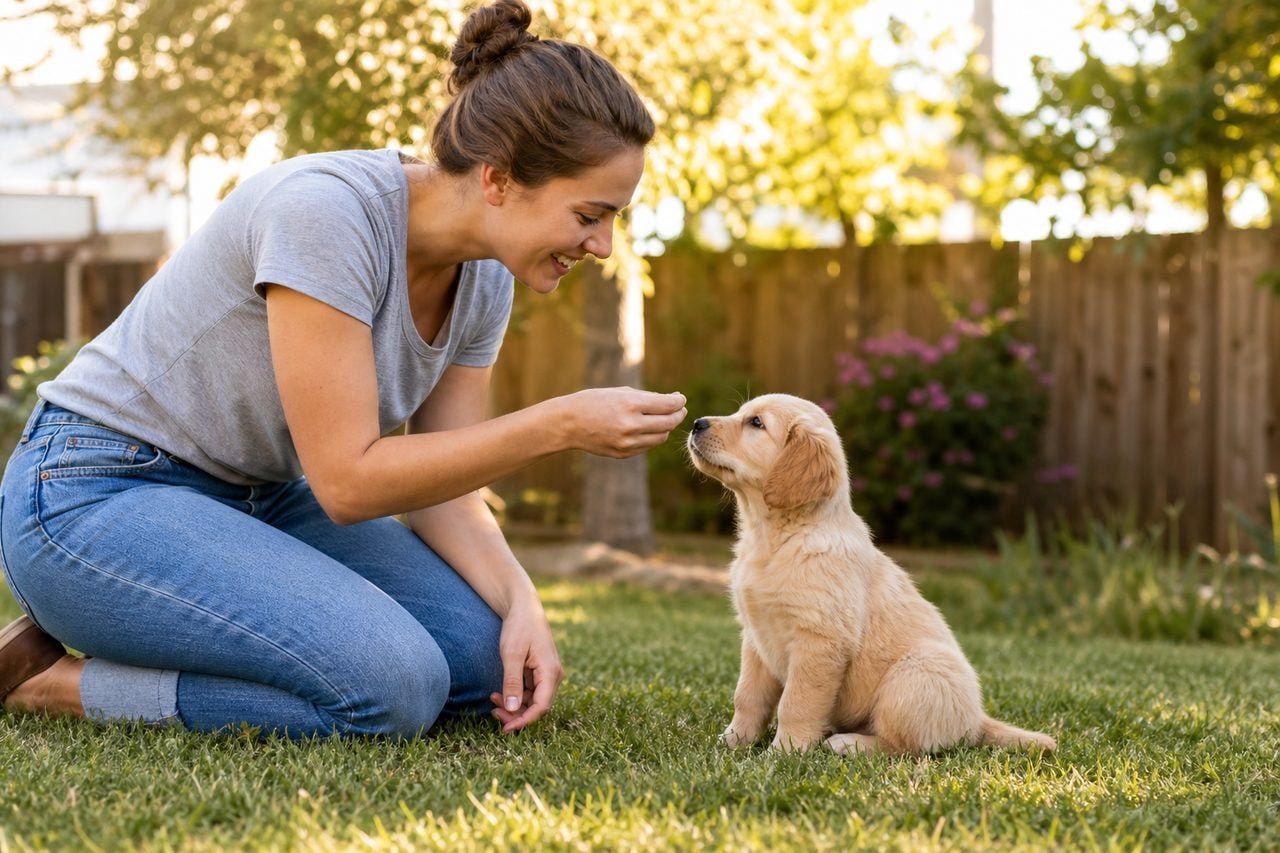
Socialization is the quiet superpower behind every easygoing dog, and the Lehigh Valley gives puppy owners a rich, varied world to introduce one to. Between the festival crowds at Bethlehem’s SteelStacks, the farmers’ markets of center-city Allentown, the college foot traffic around Muhlenberg, Lafayette, Moravian, and DeSales, and the open quiet of the farm country north of Nazareth and Bath, a valley puppy can meet just about every kind of person, place, and sound — if its owner makes a deliberate plan to do so during the critical early weeks. The variety is right there for the taking; the work is in using it intentionally rather than by accident.
The window that matters most runs roughly from three to sixteen weeks of age. During this stretch, novel experiences register as normal and unthreatening; afterward, the same experiences can spark caution or fear that takes months to soften. A puppy that meets cyclists on the D&L Trail, hears the industrial hum of the old Bethlehem Steel corridor as a backdrop, and rides comfortably in the car to Easton or Quakertown in those first months grows up taking the valley’s bustle in stride. One that misses the window often spends years catching up, startled by things its better-socialized neighbors never notice.
Socialization is not the same as letting your puppy run wild at a dog park. Done right, it’s a controlled, positive series of introductions — new surfaces, friendly strangers, calm older dogs, traffic noise, and the snow-then-humidity swing of valley seasons — each paired with reassurance and reward. This guide shows Lehigh Valley owners how to build that exposure safely, even before vaccinations are complete, and how to use the region’s towns, trails, campuses, and changing weather as a deliberate curriculum for a confident adult dog. The payoff is a companion that handles the whole valley — from a crowded riverfront festival to a snowed-in week indoors — without flinching.
The Critical Socialization Window
A puppy’s prime socialization period closes around sixteen weeks, and the experiences packed into it shape its lifelong temperament. For Lehigh Valley families, that means treating the first few months as a focused exposure campaign rather than waiting until the dog is “old enough.” The brain is laying down its sense of what is safe and ordinary, and every calm, positive new experience widens the circle of things the dog will later take for granted.
- Aim for variety, not volume: a handful of calm, positive new experiences beats one overwhelming outing.
- Keep it positive: pair every new sight or sound with a treat or praise so novelty means good things.
- Read the pup: a tucked tail or freezing means back off and go slower, never force the moment.
- Spread it out: a little new exposure most days builds more confidence than a single big push.
Because full vaccination isn’t finished during this window, much early socialization happens in your arms or in controlled settings — a key reason planning matters more here than for any other stage of training. Owners who map out a simple weekly exposure list tend to cover far more ground than those who wing it, and the difference shows up clearly in the adult dog’s confidence.
Safe Exposure Before Full Vaccination
The tension every owner faces is real: the socialization window peaks before the vaccine series ends, yet unvaccinated pups are vulnerable to disease on the ground. The answer is smart exposure, not isolation — you want the world’s sights and sounds reaching your puppy long before its paws touch high-traffic public dirt. A puppy kept locked away “for safety” until four months old often trades a small disease risk for a large lifelong-fearfulness one.
- Carry your pup: hold it through downtown Allentown or a Bethlehem market so it sees crowds without touching risky ground.
- Invite people over: a steady stream of friendly visitors to your Emmaus or Whitehall home builds people-confidence safely.
- Curate playmates: arrange meetings only with healthy, vaccinated adult dogs you know.
- Use clean ground: your own yard and a friend’s living room are safe stages for early lessons.
Your own yard, a friend’s porch, and a car ride with the windows cracked all count as socialization settings. The goal is to flood the early weeks with positive impressions while keeping your puppy’s paws off high-traffic public ground until the vet gives the all-clear. Talk to your veterinarian about your specific area and timeline; most will help you find the balance between protecting the pup and giving it the experiences it needs.
Meeting People Across The Valley
The Lehigh Valley is full of people who look, move, and sound different from one another, and a well-socialized puppy should find all of them unremarkable. The college towns and busy downtowns make this easy to arrange, since a single bench near campus offers a parade of strangers in every shape, age, and outfit imaginable. A dog comfortable with all kinds of people is far less likely to become reactive or fearful as an adult.
- Variety of humans: introduce the pup to children, seniors, people in hats and uniforms, and folks using canes or strollers.
- Let the pup choose: allow approaches rather than forcing contact, so greetings stay positive.
- Reward calm: treat the pup for sitting politely instead of jumping at every new person.
- Watch the energy: keep greetings brief and upbeat so the pup never gets overwhelmed.
A bench near a Muhlenberg or Lafayette campus walkway, or a quiet corner of a Bethlehem festival, lets a puppy watch the human parade from a safe distance and learn that strangers are simply part of the scenery — not something to fear or mob. Coach well-meaning admirers to greet calmly and let the pup come to them; a single rough or startling encounter at this age can plant a wariness that takes a long time to undo.
Sounds, Surfaces, And City Life
Confidence comes from variety underfoot and in the air. A puppy that has only ever known a carpeted living room can be rattled by the first metal grate or fire-truck siren, so the Lehigh Valley’s mix of textures and noise is an asset rather than a hazard when used thoughtfully. The region’s industrial heritage and busy roadways mean there’s no shortage of sounds to fold gently into a puppy’s sense of normal.
- Surfaces: walk the pup on grass, gravel, brick sidewalk, metal grates, and snow so nothing feels foreign.
- City sounds: the rumble of Route 22, train horns near the rail trails, and festival music all build noise tolerance.
- Household noise: vacuums, blenders, and snow blowers practiced at low intensity prevent later panic.
- Reward bravery: treat the pup for investigating a strange noise calmly instead of fleeing it.
Introduce loud or strange things gradually and from a distance, rewarding calm before moving closer. The hum of an industrial valley — a region built on Bethlehem Steel — offers endless natural opportunities to teach a dog that noise is normal. If your pup is sensitive to thunderstorms or fireworks, the same gradual, reward-based approach — quiet exposure paired with good things — lays the groundwork for handling the valley’s loud summer nights down the road.
Dog-To-Dog Introductions Done Right
Good socialization includes other dogs, but quality matters far more than quantity. One calm, well-mannered adult dog teaches a puppy more than a chaotic pack ever will, and a single bad early encounter can leave a lasting wariness that colors every future meeting. The goal is for your pup to learn polite canine manners from a steady role model, not to log as many dog interactions as possible.
- Start with known dogs: a friend’s gentle, vaccinated adult is the ideal first teacher.
- Keep greetings short: a brief, positive meeting beats a long, escalating one.
- Skip the dog park early: open dog parks are unpredictable and too intense for a young pup.
- Learn the signals: loose, wiggly bodies mean play; stiffness means it’s time to step in.
Watch body language closely — loose, wiggly movement is good; stiffness, a hard stare, or a tucked tail means it’s time to create space. Structured puppy classes around the valley often include supervised play that’s far safer than turning a pup loose with strangers’ dogs at a park. Quality introductions in these early weeks build a dog that reads other dogs well and stays relaxed on the trail, which matters everywhere from the Lehigh Parkway to a crowded downtown sidewalk.
Car Rides And Travel Around The Region
The Lehigh Valley spreads across two counties and three cities, and a dog that travels well opens up the whole region — a trail in Easton one day, a vet in Whitehall the next, a friend’s yard in Macungie on the weekend. Car comfort is a socialization skill worth building early, because a puppy that learns to dread the car becomes an adult that’s a chore to take anywhere, which quietly shrinks the dog’s whole world.
- Make the car positive: start with treats in a parked car before any engine starts.
- Short trips first: a quick loop around the block beats a long highway haul for a first ride.
- Secure the pup: a crate or harness keeps the dog safe and prevents anxious roaming.
- End somewhere fun: a short drive to a park teaches the car predicts good things.
Build up to real destinations — a friend’s house in Macungie, a quiet park in Nazareth, a trailhead along the D&L — so the car predicts good outcomes, not just trips to the vet. A pup that loves the car is one you’ll actually take everywhere, which compounds every other socialization gain. If carsickness shows up early, keep rides short and on an empty stomach, and most puppies grow out of it as they get used to the motion.
Keeping Socialization Going Year-Round
Socialization doesn’t end at sixteen weeks — the experiences just shift from foundation-building to maintenance. The valley’s dramatic seasons mean an owner has to work a little to keep exposure steady when the weather turns hostile, because a long, housebound winter can quietly let a young dog’s confidence narrow if no one keeps feeding it new experiences.
- Winter indoor outings: visit dog-friendly stores or hold home gatherings when trails are iced over.
- Summer early starts: beat the humidity with morning walks so heat never makes outings unpleasant.
- Keep meeting new things: a monthly novel experience keeps an adult dog’s confidence sharp.
- Mix the cast: rotate among different towns, people, and dogs so the world stays familiar.
A dog socialized hard as a puppy but never again can slowly grow narrow and reactive, especially after a quiet snowbound stretch. The owners who keep it up — rotating among the valley’s towns, trails, campuses, and seasons all year — end up with the steady, unflappable companion that makes living in a busy, varied region a pleasure rather than a struggle. Think of socialization as a habit you maintain, the same way you’d keep up any other part of the dog’s health.
Reviewed Puppy Socialization Trainers in Allentown
These reviewed Allentown-area trainers from our directory handle puppy socialization. Each links to a full profile with specialties, certified credentials, reviews, and contact info:
- Leader of the Pack Canine Institute II (Easton) — 5.0★ (147 reviews)
- Raise Your Right Paw Dog Training — 5.0★ (94 reviews)
- Kerber Dog Training — 5.0★ (28 reviews)
- Points of Wisdom Dog Training, LLC — 5.0★ (16 reviews)
- The Wizard of Dogs LLC — 5.0★ (15 reviews)
- The Art of Dog Training — 5.0★ (10 reviews)
- K9 Leadership Academy — 5.0★ (2 reviews)
- Allentown Dog Training Club — 5.0★ (1 reviews)
- Get Connected Canine Coaching — 5.0★ (1 reviews)
- Leader of the Pack Canine Institute — 4.9★ (533 reviews)
See all Allentown puppy socialization trainers →
Frequently Asked Questions
What is the most important age for socializing a puppy?
The critical window runs from about three to sixteen weeks. Experiences during this period register as normal, so deliberate, positive exposure to the Lehigh Valley’s people, sounds, and surfaces in these early weeks pays off for the dog’s whole life.
How can I socialize my puppy before it’s fully vaccinated?
Carry your pup through busy areas so it sees crowds without touching risky ground, invite healthy people and vaccinated adult dogs to your home, and use your yard and porch. Ask your vet about the right balance of protection and exposure for your area.
Should I take my new puppy to a dog park to socialize?
Not early on. Open dog parks are unpredictable and can overwhelm or frighten a young pup, and a single bad encounter can cause lasting wariness. Start with one calm, vaccinated adult dog or a supervised puppy class instead.
How do I help my puppy get used to loud city noises?
Introduce sounds gradually and from a distance, pairing them with treats. The valley’s traffic on Route 22, train horns near the rail trails, and festival music all offer natural chances to build noise tolerance when introduced calmly.
How do I get my puppy comfortable with car travel?
Begin with treats in a parked car, then take very short trips before working up to longer ones, and always secure the pup in a crate or harness. Make destinations pleasant so the car predicts good outcomes rather than only vet visits.
Does socialization stop after the puppy stage?
No. After sixteen weeks it shifts to maintenance. Keep exposing your dog to new experiences year-round — dog-friendly stores in winter, early summer walks, and a regular dose of novelty — so an adult dog stays confident rather than growing reactive.
Related: read our complete puppy socialization guide or the full Allentown dog training overview.
Ready to find the right puppy socialization pro in Allentown?