
Puppy Socialization in Detroit, MI
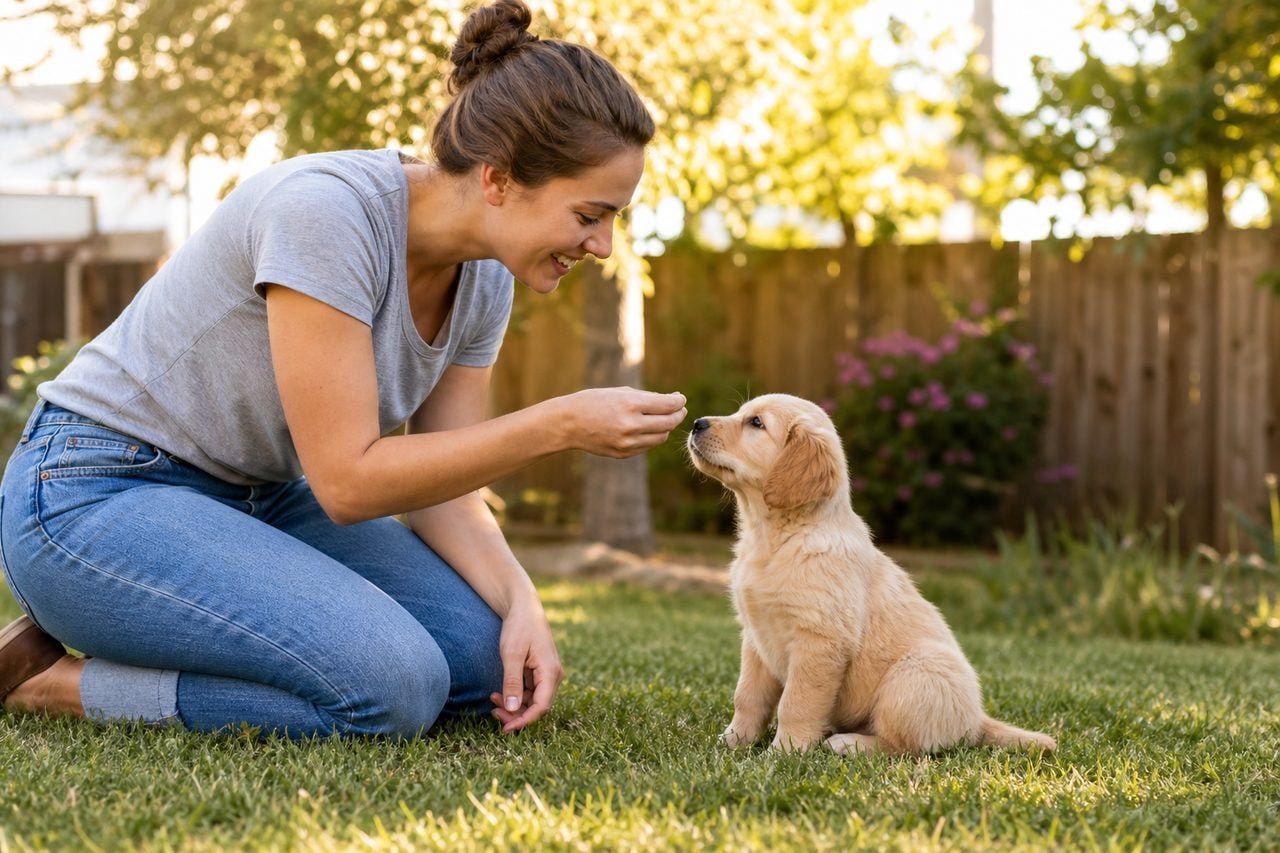
Socialization is the single most important thing you can do for a young puppy, and the window for doing it well is short. During roughly the first three to four months of life, a puppy’s brain is unusually open to new experiences. What it meets and enjoys during this period shapes how confident and adaptable it becomes as an adult dog. Miss the window, and you spend years working to build what could have come naturally.
For metro Detroit owners, that means deliberately, safely exposing your puppy to the sights, sounds, surfaces, people, and situations of life here, from the rumble of traffic on Woodward to snowy sidewalks in Ferndale to the crowds at a weekend farmers market. This guide explains what socialization really is, how to do it safely before vaccinations are complete, and how to keep every experience positive.
What Socialization Really Means (and What It Doesn't)
Socialization is often misunderstood as simply letting your puppy play with other dogs. That’s part of it, but only a small part. True socialization means giving your puppy positive, controlled exposure to the full range of things it will encounter in life: different people, other animals, surfaces, sounds, objects, environments, and handling. The goal is a dog that meets novelty with curiosity rather than fear.
Just as important is what socialization is not. It is not flooding your puppy with overwhelming experiences and hoping it copes. Dragging a nervous puppy into a loud, crowded festival can backfire badly, teaching it that new situations are frightening. Quality matters far more than quantity. Ten calm, happy exposures beat one terrifying one, and a scared puppy is learning fear, not confidence.
Reading your puppy is central to getting this right. Watch for a loose, wiggly body, willingness to explore, and interest in treats, all signs your puppy is comfortable. Tucked tail, freezing, lip-licking, yawning out of context, or trying to retreat mean it’s too much. When you see stress, increase distance or end the session. You want your puppy to leave every experience thinking that was fine, even good.
The Critical Window and Why Timing Matters
The prime socialization period runs from about three weeks to roughly sixteen weeks of age, with the most sensitive stretch in the middle. During this time puppies form lasting impressions with remarkable speed. A puppy that meets men with beards, kids on scooters, umbrellas, vacuum cleaners, and car rides during this window tends to take them in stride for life.
After about four months, the window doesn’t slam shut, but it narrows considerably. Puppies become naturally more cautious of unfamiliar things, an evolutionary trait that once kept young animals safe. This is why breeders and early experiences matter so much, and why you shouldn’t wait until your puppy is fully vaccinated to begin. The risk of a poorly socialized dog developing lifelong fear and reactivity is real and common.
Because you’re often working within the window before vaccinations are complete, safe socialization requires some planning. You balance exposure against disease risk rather than choosing one or the other. The strategies in the next section let you accomplish a great deal of socialization while keeping your puppy protected, which is exactly what most veterinary behavior experts recommend.
Safe Socialization Before Vaccinations Are Complete
You don’t have to choose between socialization and disease safety. The trick is controlling the environment and the company your puppy keeps. Invite friends and family over so your puppy meets a variety of people at home. Ask people of different ages, heights, and appearances to visit, and let interactions be gentle and treat-filled rather than overwhelming.
Carry your puppy through the wider world before its paws are cleared for busy ground. Hold it while you walk through a hardware store, sit on a bench near a Royal Oak coffee shop, or stand where it can watch traffic and pedestrians from a safe distance. Your puppy soaks up sights and sounds without touching surfaces where unvaccinated dogs may have been. This is one of the most effective and underused tools available.
Arrange playdates with dogs you know to be healthy and vaccinated, ideally calm adults or well-matched puppies. A well-run puppy class that requires proof of vaccination and cleans its floors offers controlled peer interaction too. Avoid dog parks, pet-store floors, and high-traffic public grass until your vet gives the all-clear, since those are the highest-risk spots for a young, incompletely vaccinated puppy.
A Socialization Checklist for Metro Detroit Life
Think through the specific experiences your dog will need to handle here and expose it deliberately. People: children, seniors, people in hats and hi-vis vests, people using wheelchairs or canes, delivery workers. Aim for variety, since a puppy that only meets your household may struggle with the wider world later. Every friendly, low-pressure meeting builds a more social adult.
Sounds and surfaces matter enormously and are easy to overlook. Expose your puppy to the vacuum, doorbell, thunder recordings played low, city traffic, and the clatter of the garbage truck. Walk it across grass, gravel, metal grates, wood decks, tile, and eventually the snow and salted concrete that define a Detroit winter. Novel footing that a puppy meets young rarely bothers the adult dog.
Build in the practical scenarios of ownership too: car rides so travel becomes routine, gentle handling of paws, ears, and mouth to prepare for grooming and vet visits, and calm exposure to other animals. Short, positive visits to the vet’s office where your puppy just gets treats and goes home help prevent the clinic anxiety that plagues so many adult dogs. Keep a simple written list and check experiences off as you go.
Reading Your Puppy and Keeping It Positive
Socialization only works when the experience is genuinely positive from the puppy’s point of view. Bring high-value treats to every outing and pair novel things with good stuff, so a passing truck predicts chicken and a new person predicts a treat. Over time, your puppy starts to look to you happily when something new appears rather than reacting with alarm.
Let your puppy set the pace. Never force it toward something it’s avoiding, whether that’s a stranger’s hand or a metal staircase. Instead, create distance, let it observe, and reward any relaxed curiosity. Forcing interactions is the fastest way to create the exact fear you’re trying to prevent. A puppy that chooses to approach on its own terms builds real confidence.
If you notice your puppy is consistently fearful, hiding, or overwhelmed despite gentle exposure, don’t just push harder. That’s a signal to slow down and, if needed, get professional guidance early. Some puppies are naturally more sensitive and benefit from a tailored, gradual plan. Catching and addressing this during the socialization window is far easier than trying to rehabilitate a fearful adult dog.
Where to Socialize in Metro Detroit
Once your veterinarian confirms your puppy is protected, metro Detroit opens up as a rich socialization playground. The tri-county area offers everything from quiet neighborhood streets to bustling downtown environments, letting you dial the difficulty up gradually. Start somewhere calm and build toward busier settings as your puppy proves it can stay relaxed and engaged with you.
Metroparks like Stony Creek, Kensington, and Lake St. Clair give you space to practice around joggers, cyclists, and other leashed dogs at a comfortable distance. Walkable downtowns in Royal Oak, Ferndale, Birmingham, and Rochester expose your puppy to foot traffic, café patios, and the everyday bustle of a city sidewalk. Belle Isle Park offers wide open space with plenty of gentle distractions to work around.
Group puppy classes remain one of the best structured options, combining socialization with training under professional supervision. Many trainers across Wayne, Oakland, and Macomb counties run classes designed specifically for this age. Pair those with your own outings and playdates, and you’ll cover the full range of experiences a confident Detroit dog needs, all while keeping each one positive and within your puppy’s comfort zone.
Reviewed Puppy Socialization Trainers in Detroit
These reviewed Detroit-area trainers from our directory handle puppy socialization. Each links to a full profile with specialties, certified credentials, reviews, and contact info:
- Premier Pack Dog Training and Behavior Solutions — 5.0★ (160 reviews)
- Serenity Dog Training — 5.0★ (101 reviews)
- Paws Plus You, LLC — 5.0★ (54 reviews)
- K9 AdvantEDGE Dog Training — 5.0★ (40 reviews)
- Connected Canine Academy — 5.0★ (16 reviews)
- Iron Clad K9 Training — 5.0★ (13 reviews)
- New Tricks: Puppy and Dog Training LLC — 5.0★ (12 reviews)
- Tip Top K9 Sterling Heights Dog Training — 5.0★ (7 reviews)
- Puppy and Dog Training by Sue — 5.0★ (1 reviews)
- Sit Means Sit Dog Training Detroit — 4.9★ (688 reviews)
See all Detroit puppy socialization trainers →
Frequently Asked Questions
When is the best time to socialize my puppy?
The prime socialization window runs from roughly three weeks to about sixteen weeks of age, with the most sensitive period in the middle of that range. This is when puppies form lasting impressions most easily. Because the window often overlaps with the time before vaccinations are complete, focus on safe, controlled exposures during these weeks. Waiting until your puppy is fully vaccinated usually means missing much of this irreplaceable window.
How do I socialize my puppy safely before it's fully vaccinated?
Control the environment and the dogs your puppy meets. Invite healthy, vaccinated dogs and a variety of people to your home, carry your puppy through public places so it observes sights and sounds without touching risky ground, and enroll in a puppy class that requires vaccination proof. Avoid dog parks, pet-store floors, and busy public grass until your vet clears you. This balances socialization against disease risk rather than sacrificing either one.
What should I socialize my puppy to besides other dogs?
Other dogs are only one piece. Expose your puppy to different types of people, various sounds like traffic and vacuums, and varied surfaces such as gravel, metal grates, tile, and eventually snow and salted concrete. Include handling of paws, ears, and mouth, car rides, and calm visits to places like the vet’s office. The goal is a dog comfortable with the full range of everyday life in metro Detroit, not just one that plays well with other dogs.
Can I over-socialize my puppy?
You can’t do too much good socialization, but you can do it badly by overwhelming your puppy. Flooding a puppy with intense, frightening experiences teaches fear, not confidence. The fix isn’t fewer experiences, it’s better ones: keep each exposure positive, watch your puppy’s body language, and back off when you see stress signals. Many calm, happy encounters build a confident dog, while a few scary ones can create lasting problems.
My puppy seems scared of new things. What should I do?
First, slow down and increase distance so your puppy can observe without feeling overwhelmed. Pair the scary thing with high-value treats so it starts predicting good outcomes, and never force your puppy to approach. Let it choose to investigate at its own pace. If fearfulness is consistent and doesn’t improve with gentle exposure, consult a reward-based trainer or a veterinary behavior professional early. Sensitive puppies benefit from a tailored plan while the socialization window is still open.
Are dog parks good for socializing puppies?
Generally no, especially for young or incompletely vaccinated puppies. Dog parks have unknown dogs of unpredictable temperament and disease status, and a bad experience there can create lasting fear or reactivity. Controlled playdates with dogs you know, plus well-run puppy classes, are far safer and more productive. Once your dog is older, confident, and fully vaccinated, some owners use parks selectively, but they’re not a substitute for structured early socialization.
Related: read our complete puppy socialization guide or the full Detroit dog training overview.
Ready to find the right puppy socialization pro in Detroit?