
Puppy Socialization in Johnstown, PA
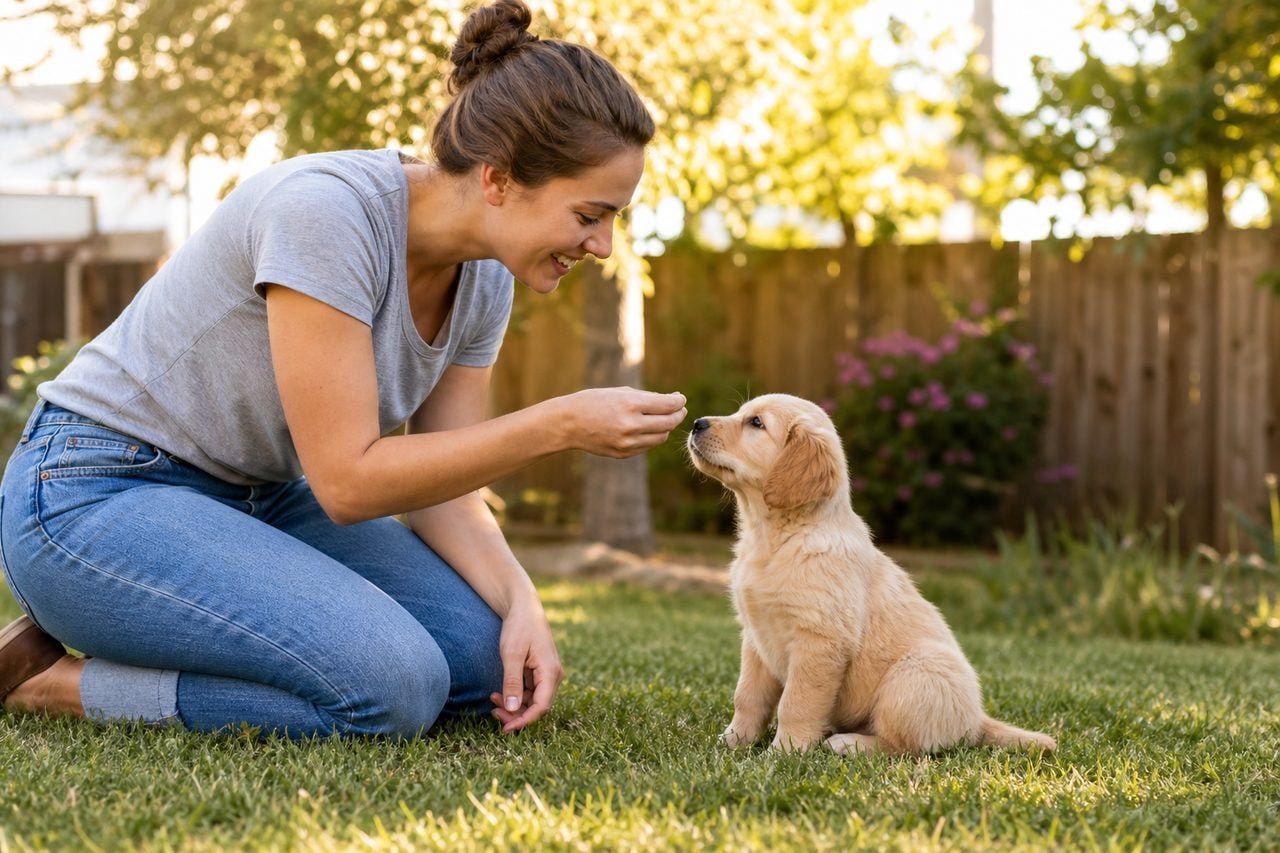
Puppy socialization is the single most important investment you can make in a young dog’s future, and in Johnstown it takes a bit of planning to do well. This is a city built into the floor of the Conemaugh Valley, where the Stonycreek and Little Conemaugh rivers meet and the Laurel Highlands ridges rise steeply on every side. Between the rail lines that thread through Cambria City and Conemaugh, the Johnstown Inclined Plane climbing to Westmont, and the long, snowy winters, a puppy here encounters a distinctive mix of sights, sounds, and surfaces. Socialization is the process of making all of that feel normal and safe before fear has a chance to set in.
- What Puppy Socialization Actually Means
- The Critical Window And Why Timing Matters
- Safe Socialization Before Full Vaccination
- Sounds, Surfaces, And City Life In The River Valley
- Meeting People And Dogs Across Johnstown Neighborhoods
- Reading Your Puppy's Body Language
- When To Bring In A Professional
- Reviewed trainers
- FAQ
The critical window is short. From roughly three weeks to about sixteen weeks, a puppy’s brain is primed to accept new experiences with curiosity rather than alarm. Miss that window and the same experiences — a rumbling train, an icy metal grate, a crowd on a downtown sidewalk — can trigger lifelong fear. The catch for Johnstown owners is that much of this window often falls in winter, when it is tempting to keep a puppy inside. Good socialization means finding safe ways to keep exposing your puppy regardless of the weather.
This guide covers what socialization really means, how to do it safely before a puppy is fully vaccinated, which local experiences matter most across neighborhoods from Westmont to the coal-patch boroughs, and how to read your puppy so exposures build confidence instead of fear. It also walks through the specific sounds and surfaces of a river-valley steel town, how to introduce your puppy to people and other dogs without overwhelming it, and when persistent fear or early reactivity means it is time to call in a professional. GetDogSchool helps you find classes and trainers nearby; the goal here is to make you a confident, informed guide through your puppy’s most important weeks, so the exposures you choose add up to a steady, adaptable adult dog.
What Puppy Socialization Actually Means
Socialization is often misunderstood as simply letting a puppy play with other dogs. In reality it is the deliberate, positive introduction of a young dog to the full range of people, animals, environments, sounds, and surfaces it will encounter in life. In the Conemaugh Valley, that list is long and specific.
- People of all kinds: Children, adults, people in hats or high-visibility work gear, people with mobility aids — variety builds a dog comfortable with everyone.
- Sounds: Trains, traffic on the river bridges, snow blowers, and the general noise of a steel-town valley.
- Surfaces: Slick floors, metal grates, gravel trail beds, and snow — footing a Johnstown dog meets constantly.
- Environments: Quiet Ebensburg streets, busier downtown blocks, and open ridge-top yards.
The emphasis is always on positive exposure. A puppy that is overwhelmed or frightened does not become bolder; it learns that the world is scary. Done right, socialization produces a dog that meets novelty with a wagging tail instead of a growl or a cower.
The Critical Window And Why Timing Matters
The prime socialization window closes fast — typically by around sixteen weeks. Everything you can safely expose your puppy to during this period pays outsized dividends, while experiences delayed past it are harder to install and easier to get wrong. For Johnstown owners, the challenge is that this window frequently overlaps with the depths of a Laurel Highlands winter.
- Front-load your effort: The weeks between eight and sixteen are precious. Plan varied, gentle exposures now rather than waiting for spring.
- Do not wait for full vaccination to socialize: There are safe ways to expose a puppy before the vaccine series is complete — covered in the next section.
- Winter is not an excuse to pause: Indoor exposures and short, warm outings keep the window from closing on you.
- Adolescence can undo gains: Keep socializing gently past sixteen weeks and through the teenage months to maintain confidence.
Think of the window as a savings account with a deadline. Every safe, positive deposit you make before it closes builds a more resilient adult dog. The cold Cambria County winter simply means you have to be more creative about how you make those deposits.
Safe Socialization Before Full Vaccination
Many owners freeze during the most important weeks because a puppy is not yet fully vaccinated and they fear disease from public ground. The answer is not to lock the puppy away — it is to socialize smartly while managing risk. Balance is everything.
- Carry your puppy: Hold your puppy to watch downtown Johnstown foot traffic or a passing train from a safe distance without paws on shared ground.
- Choose clean surfaces: Your own yard, friends’ homes, and clean indoor spaces are lower-risk than a crowded dog park or heavily used trailhead.
- Curate playmates: Meetings with healthy, fully vaccinated adult dogs you know are far safer than random dog-park encounters.
- Well-run puppy classes: Reputable classes require age-appropriate vaccination and clean floors, offering supervised social exposure.
Talk to your veterinarian about the local disease picture and their specific recommendation for your puppy. The consensus among behavior professionals is clear: the risk of under-socialization causes far more lifelong problems than the manageable risk of careful early outings. Do both — protect health and socialize.
Sounds, Surfaces, And City Life In The River Valley
Johnstown’s identity as a river-bottom steel-and-rail town means a puppy here faces a specific soundscape and a variety of surfaces. Deliberately introducing these while your puppy is young turns potential fear triggers into background noise.
- Trains and rail noise: The valley carries rumbling and horns. Pair distant train sounds with treats and calm so they signal good things, not danger.
- River bridges and traffic: Let your puppy observe the crossings and vehicle noise from a comfortable distance before walking closer.
- Metal grates and slick floors: Practice walking across varied surfaces at home and on quiet sidewalks so odd footing never surprises them.
- Snow and salt: Introduce snow underfoot gradually; some puppies love it, others need a gentle first encounter.
- The incline and crowds: A visit near the Inclined Plane exposes a puppy to machinery sounds and tourist foot traffic in one trip.
The formula is simple: distance plus rewards plus patience. Start far enough away that your puppy is relaxed, pair the experience with something good, and move closer only as confidence grows. This turns the raw material of Johnstown life into a puppy’s everyday comfort zone.
Meeting People And Dogs Across Johnstown Neighborhoods
A well-socialized dog is easy around all kinds of people and neutral around other dogs. Johnstown’s neighborhoods each offer different social opportunities, and rotating through them gives your puppy a broad, generalized comfort with the human and canine world.
- Downtown and the rivers: Busier foot traffic and varied people — ideal for teaching calm greetings once your puppy is confident.
- Westmont and the hilltop: Quieter residential streets are perfect for gentler, lower-distraction first outings.
- Richland and Geistown suburbs: Parks and sidewalks with families and other dogs at a manageable pace.
- Ebensburg and the coal-patch boroughs: Small-town settings where a puppy can meet neighbors without big-city overwhelm.
Keep greetings short and positive, and never force an interaction. Let your puppy approach on its own terms and reward calm behavior. Not every dog needs to be a friend — teaching your puppy that other dogs can simply exist nearby without a reaction is often more valuable than constant play. Aim for a dog that is friendly but also settled and neutral in public.
Reading Your Puppy's Body Language
Socialization only works when it stays positive, and the only way to know is to read your puppy. Learning the difference between curiosity and stress lets you adjust in real time so every exposure builds confidence rather than fear.
- Confident and relaxed: Loose body, wagging tail, willingness to approach and explore — you can gently continue.
- Stressed or fearful: Tucked tail, flattened ears, freezing, cowering, lip-licking, or trying to retreat — back off and make it easier.
- Over-aroused: Frantic, unable to settle, mouthing hard — a signal to lower the intensity, not push through.
- Give an exit: Always let a puppy retreat. Being trapped in a scary situation creates the exact fear you are trying to prevent.
When you see stress, increase distance from the trigger, add a treat, and try an easier version next time. Never flood a frightened puppy by forcing it to face something head-on. The rule of thumb: if your puppy is not eating treats it normally loves, it is too stressed to learn, and you should ease off. Confidence is built in small, successful steps.
When To Bring In A Professional
Most socialization is DIY, but knowing when to get expert help early can save you months of struggle. A qualified local trainer or behavior professional is a smart investment when your puppy shows signs that go beyond normal caution.
- Persistent fear: A puppy that stays fearful of people, dogs, or common sounds despite gentle, gradual exposure needs professional guidance.
- Early reactivity: Growling, lunging, or snapping at people or dogs is worth addressing now, not later.
- Extreme shyness: A puppy that hides, refuses food outdoors, or shuts down needs a tailored plan.
- You feel stuck: If progress has stalled, a well-run puppy class or a private session can reset your approach.
Look for trainers who use reward-based, humane methods and who are comfortable with fearful puppies. Ask how they handle a scared dog before you commit. Use GetDogSchool to compare nearby classes and trainers, factoring in the winter drive from outlying areas. Getting help during the socialization window is far more effective and cheaper than rehabilitating a fearful adult dog later.
Reviewed Puppy Socialization Trainers in Johnstown
These reviewed Johnstown-area trainers from our directory handle puppy socialization. Each links to a full profile with specialties, certified credentials, reviews, and contact info:
- Walk By Faith Dog Training — 5.0★ (22 reviews)
- Optimum K9 Services — 4.5★ (8 reviews)
- Lead Me On Professional Dog Training, Daycare, Grooming & Resort — 4.4★ (69 reviews)
- That Dog Guy!
See all Johnstown puppy socialization trainers →
Frequently Asked Questions
When is the puppy socialization window in Johnstown?
The prime window runs from about three weeks to sixteen weeks of age, with the eight-to-sixteen-week stretch being when you have the most influence as an owner. In Johnstown this often overlaps with winter, so plan safe indoor exposures and short, warm outings rather than waiting for spring, when the window may have already closed.
Can I socialize my puppy before it is fully vaccinated?
Yes, and you should — carefully. Carry your puppy to observe downtown Johnstown or train traffic, use clean spaces like your yard and friends’ homes, arrange meetings with healthy fully vaccinated adult dogs, and consider a reputable puppy class with vaccine requirements. Ask your veterinarian about local disease risk; under-socialization causes more lifelong problems than careful early outings.
How do I get my puppy used to train and rail noise?
Johnstown sits in a river valley where rail sounds carry. Start at a distance where your puppy stays relaxed, pair the sound with treats and calm praise, and only move closer as confidence grows. The goal is for a train horn to predict good things rather than trigger alarm. Never force a frightened puppy closer to the noise.
How do I know if my puppy is stressed during socialization?
Watch the body. A relaxed puppy has a loose body and often a wagging tail. Stress shows as a tucked tail, flattened ears, freezing, cowering, lip-licking, or trying to retreat. If your puppy stops taking treats it usually loves, it is too stressed to learn. Increase distance, make the exposure easier, and try again another day.
Is the dog park a good place to socialize my puppy?
Not for a young or unvaccinated puppy. Dog parks mix unknown dogs and heavily used ground, raising both behavioral and health risks. Controlled meetings with healthy, known adult dogs and well-run puppy classes are far safer. Save open dog-park visits for a confident, fully vaccinated adolescent, and even then supervise closely.
What if my puppy is already fearful or shy?
Do not force exposures — that deepens fear. Work at a distance your puppy can handle, reward calm curiosity, and build up in tiny steps. If fear persists despite gentle work, or you see growling, lunging, or shutting down, bring in a reward-based trainer or behavior professional early. Use GetDogSchool to find local help suited to shy puppies.
Related: read our complete puppy socialization guide or the full Johnstown dog training overview.
Ready to find the right puppy socialization pro in Johnstown?