
Puppy Socialization in Kalamazoo, MI
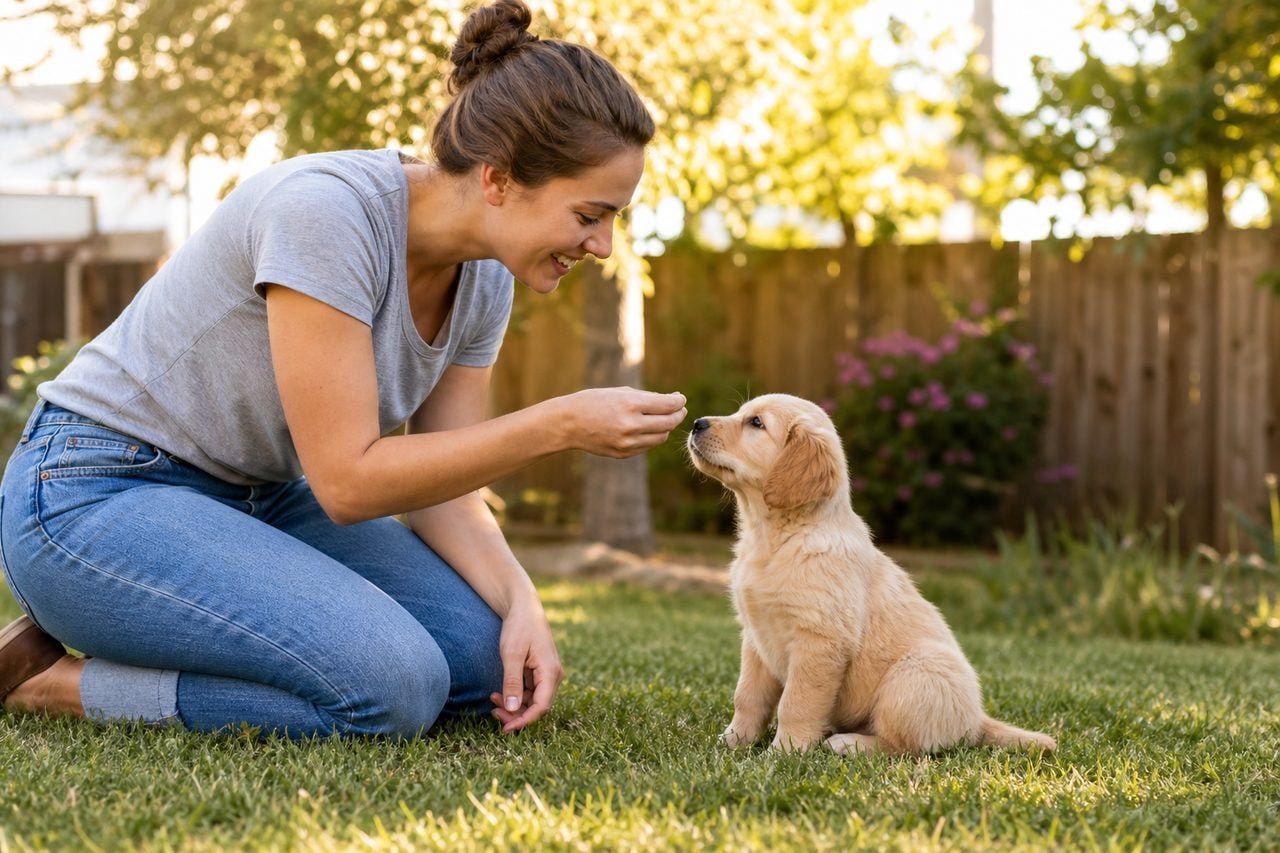
The first few months of a puppy’s life are a narrow, one-time window that shapes how confident and relaxed your dog will be for the rest of its life. In and around Kalamazoo, from the neighborhoods near Western Michigan University to the lakeside communities out by Gull Lake, families who invest in structured socialization early tend to end up with dogs that handle new people, other animals, traffic, and busy places without fear or over-arousal. Puppy socialization is not about wearing a puppy out or teaching a long list of commands. It is about carefully, positively exposing a young dog to the ordinary variety of the world before its brain closes that early learning window.
- What Puppy Socialization Really Means
- The Critical Window: Why Timing Matters So Much
- Building a Socialization Plan Around Kalamazoo
- A Week-by-Week Rhythm That Works
- Group Puppy Classes and What They Offer
- Choosing a Puppy Trainer in the Kalamazoo Area
- Keeping Socialization Going Through Adolescence
- Reviewed trainers
- FAQ
This guide explains what socialization actually means, why the window matters, and how to build a practical plan that fits life in the Kalamazoo area. It also covers how group puppy classes work, what to look for in a local trainer, and how to keep progress going through your dog’s adolescence.
Whether you live downtown, in Comstock, or out toward Paw Paw, the principles are the same. The difference is in how you use the specific parks, trails, and public spaces around you to give your puppy a broad, gentle education about the world.
What Puppy Socialization Really Means
Socialization is the deliberate process of exposing a young puppy to the sights, sounds, surfaces, people, animals, and situations it will encounter throughout life, in a way that builds calm, positive associations rather than fear. The goal is a dog that treats novelty as normal. A well-socialized dog can meet a stranger in a hat, walk past a rumbling truck, tolerate a vet exam, and share space with other dogs without panicking or reacting.
It helps to separate two ideas that people often blur together. Socialization is about exposure and emotional associations. Obedience training is about teaching specific behaviors like sit, down, and recall. Both matter, but during the first months, emotional development takes priority. A puppy that knows ten commands but is terrified of skateboards and children is not well prepared for life.
Good socialization is also not simply flooding a puppy with as much stimulation as possible. Overwhelming a young dog can create the very fears you are trying to prevent. The art is in reading your puppy’s body language and keeping each new experience mild enough that the puppy stays curious and relaxed. Loose body, wagging tail, willingness to take a treat, and interest in exploring are all good signs. A tucked tail, pinned ears, freezing, trembling, or refusing food mean you have pushed too far, too fast, and should create distance and slow down.
Quality beats quantity. Ten calm, positive encounters with new things teach far more than one chaotic afternoon at a crowded event where a puppy feels cornered.
The Critical Window: Why Timing Matters So Much
Puppies have a sensitive period for socialization that runs roughly from three weeks to about sixteen weeks of age. During this stretch, their brains are unusually open to forming lasting associations with new experiences. Positive exposure during this window tends to stick, and so does fear. After this period closes, dogs can still learn, but they become naturally more cautious about unfamiliar things, and building confidence takes far more time and effort.
This creates a real dilemma for new owners, because puppies are usually still completing their vaccination series during these same weeks. The concern about disease is legitimate, but so is the risk of an under-socialized dog. Behavior problems, not infectious disease, are the leading reason dogs are surrendered or struggle in their homes. The responsible path is not to keep a puppy locked away until it is fully vaccinated, but to socialize smartly while managing risk.
Practical ways to socialize safely during the vaccination period include carrying your puppy in busy areas so its paws avoid high-traffic ground, inviting healthy, vaccinated adult dogs over for controlled playdates, exposing your puppy to sounds and surfaces at home, and choosing well-run puppy classes that require proof of vaccination from all participants and clean their facilities. Ask your veterinarian for guidance specific to your puppy, and lean toward action rather than isolation. Many veterinary behavior organizations now recommend starting socialization well before the vaccine series is complete, precisely because the behavioral cost of waiting is so high.
If you have adopted an older puppy or a dog that missed this window, do not despair. You are working against a steeper grade, but patient, gradual confidence-building still helps enormously. A local trainer experienced with under-socialized or fearful dogs can make a meaningful difference.
Building a Socialization Plan Around Kalamazoo
The Kalamazoo area gives you a rich variety of environments to work with, which is a real advantage. The key is to move through them in a graded way, starting quiet and controlled, then adding mild challenge as your puppy grows in confidence. Think of it as a checklist of categories rather than a single destination: different people, different dogs, different surfaces, different sounds, and different places.
Start quiet. Residential streets in neighborhoods like Richland, Vicksburg, or Plainwell are ideal for early outings. Your puppy can watch cars pass, hear lawn equipment, and meet the occasional neighbor without being overwhelmed. Let your puppy set the pace and reward calm curiosity with treats and praise.
Add gentle variety. As confidence grows, the Kalamazoo River Valley Trail offers a controlled way to expose your puppy to bicycles, joggers, strollers, and other leashed dogs at a manageable distance. You do not need to let your puppy greet everyone. Simply seeing these things from a comfortable distance while staying relaxed is the lesson. Parks around the Gull Lake area and the trails near Comstock work the same way.
Practice surfaces and settings. Puppies benefit from walking on grass, gravel, pavement, metal grates, wood decking, and wobbly surfaces. Outdoor patios at dog-friendly businesses around downtown Kalamazoo, or a walk through a quiet part of a shopping area, add the experience of new floors, automatic doors, and unfamiliar smells.
Meet a range of people. Aim for variety: adults and children, people wearing hats and hoods, people using umbrellas, wheelchairs, or canes, and people of different sizes and appearances. Children especially should be supervised closely so that greetings stay calm and gentle on both sides. The WMU area often has plenty of foot traffic that lets a puppy watch the world go by from a safe vantage point.
Keep a simple written checklist and aim to expose your puppy to several new categories each week. Always end on a good note, and never force an interaction. If your puppy is uneasy, increase distance and let it observe rather than participate.
A Week-by-Week Rhythm That Works
Owners often ask how much socialization is enough and how to fit it into a busy life. The honest answer is that short, frequent sessions beat rare marathon outings, and a simple weekly rhythm keeps you consistent without overwhelming your puppy. You do not need hours a day; you need variety and regularity.
A workable pattern is to aim for a few brief, planned exposures each day, most of them close to home, plus one or two slightly bigger outings each week as your puppy’s confidence and vaccination status allow. Early in the week you might focus on people and sounds in your own neighborhood, perhaps a short walk on a quiet street in Vicksburg or Plainwell where your puppy can watch cars and hear everyday noise. Midweek you might introduce a new surface, a car ride to a calm new location, or a visit from a healthy, vaccinated adult dog. Toward the weekend, when you have more time, you might take a longer, still-controlled trip, such as observing the activity along the Kalamazoo River Valley Trail from a comfortable distance, or sitting on a patio around downtown Kalamazoo while the world passes by.
Keep each session short and end while your puppy is still relaxed and interested, rather than pushing until it is tired or overwhelmed. A five to ten minute positive experience that ends on a good note teaches more than a long one that tips into stress. Bring high-value treats and reward calm curiosity generously so that new things predict good outcomes.
Tracking helps enormously. Keep a simple checklist of categories: types of people, types of dogs, surfaces, sounds, vehicles, and locations. Each week, glance at what your puppy has and has not yet experienced, and steer the coming week’s outings toward the gaps. A puppy that has met people in hats but never someone with an umbrella, or has heard traffic but never a vacuum cleaner, has obvious targets for the days ahead. This kind of light structure ensures the sensitive window is used well rather than filled with the same few repeated experiences.
Build in recovery, too. If a particular outing rattles your puppy, follow it with a couple of easy, familiar, confidence-boosting days before attempting something new. Socialization is not a race, and a puppy that feels safe learns far faster than one that is constantly pushed to its edge.
Group Puppy Classes and What They Offer
A well-run puppy class does something you cannot easily replicate on your own: it provides supervised, off-leash play with other puppies of similar age and size, guided by someone who can read canine body language and intervene before play tips into fear or bullying. Learning to read and respond to other dogs is a skill puppies develop through practice, and a good class gives them safe repetitions.
Beyond play, quality puppy classes typically cover early handling exercises so your puppy tolerates having its paws, ears, and mouth touched, which pays off at every future vet and grooming visit. They introduce foundational manners, teach you how to reward the behavior you want, and give you coaching on your own timing and mechanics. Many owners find that the most valuable part is learning to see their puppy’s stress signals early.
When you evaluate a class, look for a few concrete things. Class sizes should be small enough for real supervision. The facility should require proof of age-appropriate vaccination from every puppy. Play should be actively managed, with frequent short breaks rather than a free-for-all. And the methods should be reward-based, building confidence through positive associations rather than intimidation or punishment, which can worsen fear in young dogs.
The Kalamazoo area has a healthy number of trainers and facilities offering puppy programs, so you have room to compare. The directory below lists local options with real contact information. Reach out, ask about their approach and their vaccination policy, and choose the environment where you feel your puppy will stay comfortable and engaged.
Choosing a Puppy Trainer in the Kalamazoo Area
Because dog training is an unregulated field, the quality of trainers varies widely, and titles alone do not tell you much. What matters is method, transparency, and how the trainer and environment make your puppy feel. Here is a practical way to vet a local option.
Ask about methods. Look for trainers who describe reward-based, positive-reinforcement approaches. For a young puppy, the priority is building confidence and positive associations. Be cautious of anyone who leans on fear, pain, or heavy corrections with puppies, as these can create lasting behavioral problems during this sensitive period.
Ask about their puppy-specific experience. Working with puppies is a distinct skill. A trainer who is excellent with adult obedience may not run the kind of carefully managed play and handling sessions a puppy needs. Ask directly how many puppy classes they run and how they structure play.
Ask about class size and safety. Small groups, clear vaccination requirements, and clean facilities are non-negotiable. A trainer who takes these seriously is signaling that they take your puppy’s wellbeing seriously.
Watch a class if you can. Many trainers will let you observe before enrolling. Notice whether the puppies seem relaxed, whether play is supervised and broken up appropriately, and whether the trainer coaches owners clearly and kindly.
Consider logistics honestly. A trainer in Kalamazoo proper may be more convenient if you live near the city, while families out in Otsego, Mattawan, or Galesburg might weigh drive time. Consistency matters more than a slightly better facility an hour away, so pick something you can actually attend every week.
Trust your read of how your puppy responds. If your dog is relaxed and eager in a given environment, that is a strong signal you have found a good fit.
Keeping Socialization Going Through Adolescence
One of the most common and costly mistakes owners make is treating socialization as a task to complete by sixteen weeks and then check off the list. In reality, a puppy that was beautifully socialized can regress if its exposure suddenly stops. Adolescence, which arrives somewhere around six months and can run past a year, often brings a resurgence of caution and a testing of boundaries. Dogs frequently develop new fears during this stage even after a strong early start.
The remedy is to keep the world varied and positive well past puppyhood. Continue taking your growing dog to new places, keep exposing it to a range of people and dogs, and keep those experiences upbeat. The Kalamazoo River Valley Trail, quiet corners of local parks, and dog-friendly outings around town remain useful for the same reasons they helped early on.
Watch for new sensitivities as your dog matures. If your adolescent dog starts reacting to things it previously ignored, such as other dogs, strangers, or specific sounds, address it early rather than hoping it fades. Early, gentle intervention is far easier than trying to reverse an entrenched fear or reactivity later. A local trainer can help you read the situation and adjust before a small wobble becomes a real problem.
Consistency is the theme. Short, frequent, positive exposures throughout the first two years build the stable, confident adult dog you are aiming for. Socialization is less a finish line and more a habit you maintain.
Reviewed Puppy Socialization Trainers in Kalamazoo
These reviewed Kalamazoo-area trainers from our directory handle puppy socialization. Each links to a full profile with specialties, certified credentials, reviews, and contact info:
- TipTopTails Dog Training — 5.0★ (55 reviews)
- Cindy’s Puppy Training School — 5.0★ (53 reviews)
- J & K Pet Services LLC — 4.9★ (40 reviews)
- The Puppy Playground — 4.9★ (33 reviews)
- Big Furry Friends Dog Training Facility — 5.0★ (18 reviews)
- Bea Pawsitive — 5.0★ (11 reviews)
- Cloud 9 Canine – Kalamazoo Dog Training & Pet Care — 4.9★ (132 reviews)
- Michigander Kennels — 4.8★ (53 reviews)
- K9 Care Camp — 4.8★ (33 reviews)
- Gillette Kennels — 4.7★ (168 reviews)
See all Kalamazoo puppy socialization trainers →
Frequently Asked Questions
How early can I start socializing my puppy in Kalamazoo?
You can and should begin socialization as soon as your puppy comes home, typically around eight weeks, even before the vaccination series is complete. The sensitive window for socialization closes around sixteen weeks, so waiting until a puppy is fully vaccinated often means missing much of it. Manage disease risk by carrying your puppy in busy areas, arranging playdates with healthy vaccinated dogs, choosing classes that require proof of vaccination, and following your veterinarian’s guidance, but do not let those precautions turn into total isolation.
Is it safe to take my puppy to parks or the Kalamazoo River Valley Trail before all shots are done?
Use judgment and favor lower-risk exposure. Early on, it is safer to let your puppy observe the activity of a trail or park from a stroller, carrier, or your arms rather than walking on high-traffic ground where many unknown dogs have been. Seeing bicycles, joggers, and leashed dogs from a comfortable distance is valuable socialization on its own. As your puppy completes its vaccinations, you can gradually let it explore these spaces on the ground. Ask your veterinarian about your specific puppy and local conditions.
What is the difference between socialization and obedience training?
Socialization is about building calm, positive emotional associations with the world: people, dogs, sounds, surfaces, and situations. Obedience training is about teaching specific behaviors like sit, down, stay, and recall. Both are worthwhile, but during the first few months socialization takes priority because that early window closes quickly. A dog that is confident and relaxed but still learning commands is in a far better position than one that knows many commands but is fearful of everyday life.
How do I know if a puppy class in the Kalamazoo area is a good one?
Look for small class sizes, a clear vaccination requirement for all puppies, clean facilities, and actively supervised play with frequent breaks rather than an unmanaged free-for-all. The methods should be reward-based, building confidence rather than relying on fear or punishment. Ask to observe a class before enrolling, and watch whether the puppies seem relaxed and whether the trainer coaches owners clearly. The directory on this page lists local options you can contact to ask these questions directly.
My puppy seems scared of new things. Am I doing something wrong?
Not necessarily, but it is a signal to slow down. Fear responses such as a tucked tail, pinned ears, freezing, trembling, or refusing treats mean the experience is too intense. Create distance, let your puppy observe from a comfortable spot, and reward calm curiosity. The goal is mild, positive exposure, not overwhelming your puppy. If the fear seems persistent or is growing, consider working with a local trainer experienced in building confidence in cautious puppies, since early help is much easier than reversing an entrenched fear.
Do I still need to socialize my dog after it turns four months old?
Yes. While the most sensitive window closes around sixteen weeks, socialization is an ongoing practice, not a one-time task. Adolescence often brings renewed caution and new fears, so continuing to expose your growing dog to varied people, places, and situations in a positive way is important through the first couple of years. Keeping outings around Kalamazoo fresh and upbeat helps maintain the confident, stable temperament you built early on.
Related: read our complete puppy socialization guide or the full Kalamazoo dog training overview.
Ready to find the right puppy socialization pro in Kalamazoo?