
Puppy Socialization in Lansing, MI
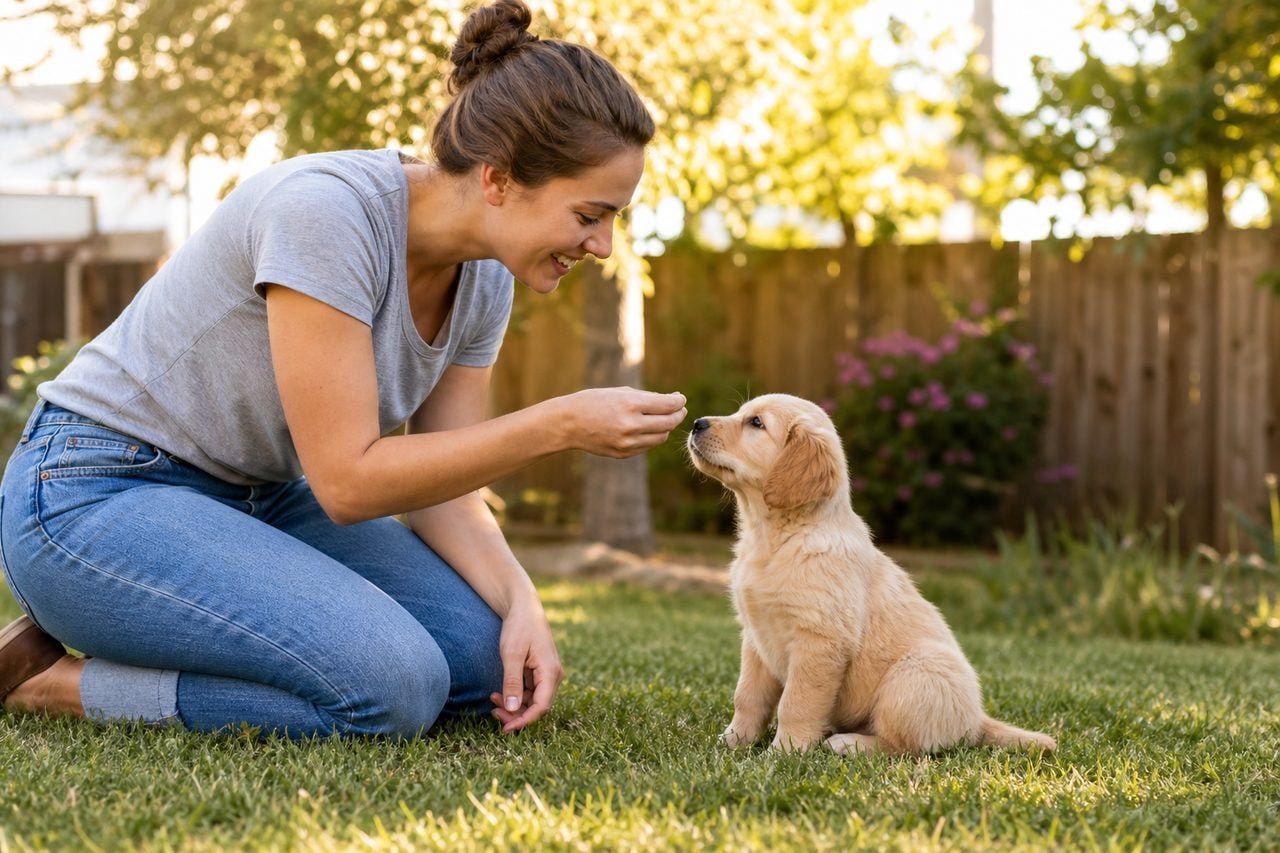
The first few months of a puppy’s life quietly set the tone for everything that follows. Between roughly three and sixteen weeks of age, a puppy’s brain is unusually open to new experiences, and the sights, sounds, surfaces, and social encounters it meets during that window shape how confident or fearful it becomes as an adult. For families in the Lansing area, that means the clock starts early, and the choices you make in those weeks matter more than almost any single obedience command you will ever teach.
- What Puppy Socialization Actually Means
- The Critical Window and Why Timing Matters
- Socializing Safely Before Full Vaccination
- Local Places to Practice Around the Lansing Metro
- Common Socialization Mistakes to Avoid
- Building an Ongoing Socialization Routine
- When to Bring in a Professional Trainer
- Reviewed trainers
- FAQ
Good puppy socialization is not about flooding a young dog with as much stimulation as possible. It is about carefully arranged, positive, age-appropriate exposure that builds a resilient, adaptable dog. Done well, it lowers the odds of the fear-based and reactivity problems that send so many owners looking for help later. Done poorly, or skipped entirely, it can leave a dog struggling with everyday life in a busy metro that ranges from the bustle of downtown Lansing and the MSU campus to the quiet country roads north of DeWitt.
This guide walks through what socialization really means, how to do it safely before your puppy is fully vaccinated, where local families can practice, the mistakes that quietly undermine good intentions, and when it makes sense to bring in a professional trainer. The goal is a confident, adaptable dog that can handle the capital city, the game-day MSU crowds, and a peaceful walk on the Lansing River Trail with equal ease.
What Puppy Socialization Actually Means
Socialization is often misunderstood as simply letting a puppy meet lots of other dogs. In reality, it is the process of teaching a young dog that the wide variety of things it will encounter in life are normal and safe. That includes people of different ages and appearances, other animals, household noises, traffic, different walking surfaces, handling of the paws and ears, car rides, and time spent alone. Dog-to-dog play is only one slice of a much larger picture, and arguably not even the most important one.
The core principle is that experiences should be positive and never overwhelming. A puppy that watches a garbage truck rumble past from a comfortable distance while enjoying a treat is learning that trucks are no big deal. A puppy dragged up to that same truck and forced to cope may instead learn that the world is frightening. Distance, choice, and good associations are the tools that make the difference between building confidence and accidentally building fear.
It helps to think in terms of quality over quantity. A handful of calm, successful outings each week does far more good than one chaotic, overstimulating experience. Watch your puppy’s body language closely: loose, wiggly movement, a willingness to take treats, and natural curiosity signal comfort, while a tucked tail, freezing in place, repeated lip-licking, yawning out of context, or trying to retreat signal that you have pushed too far and should create more space. Learning to read these small signals is one of the most valuable skills an owner can develop.
A useful way to organize your efforts is to keep a simple checklist of categories and make sure your puppy meets each in a calm, rewarding way over the coming weeks:
- People: children, seniors, people in hats, hoods, sunglasses, and uniforms, and people using canes, walkers, or wheelchairs
- Sounds: doorbells, vacuums, thunder recordings, traffic, sirens, kitchen clatter, and household appliances
- Surfaces: grass, gravel, metal grates, wet pavement, hardwood, tile, and the wobbly feel of a vet-office scale
- Handling: paws, ears, mouth, tail, collar grabs, and gentle restraint that prepares your puppy for future vet and grooming visits
- Situations: car rides, being briefly left alone, walking near other leashed dogs, and calmly passing bicycles and joggers
The Critical Window and Why Timing Matters
The most sensitive period for socialization runs from about three weeks to roughly sixteen weeks of age, with the window beginning to close in the twelve-to-sixteen-week range. During this time, puppies form lasting impressions with relatively little repetition. A single good experience can build durable confidence, and unfortunately a single bad one can plant a fear that takes months to undo. After the window closes, dogs can still learn, but new experiences increasingly require more careful, gradual introductions, and fear responses become harder to fully reverse.
This timing creates a well-known tension for owners. Puppies are not fully protected by their vaccinations until later, yet the socialization window is closing during the very weeks the veterinarian is still completing the shot series. The good news is that veterinary and behavior professionals broadly agree the risks of under-socialization generally outweigh the risks of careful, controlled exposure during this period. Behavior problems, not infectious disease, are the leading reason dogs are surrendered or struggle in their homes. The answer is not to keep a puppy locked at home, but to socialize smartly.
Practically, that means favoring lower-risk settings while the vaccine series is still underway. Carry your puppy through busier environments so it can observe without touching contaminated ground, invite healthy, vaccinated adult dogs from friends and family to meet in your yard, and choose clean, controlled spaces over high-traffic public dog areas until your veterinarian gives the all-clear. Every week counts, so start the day your puppy comes home rather than waiting for the final booster.
It also helps to understand that socialization is not a box you check once and forget. There is a well-documented secondary period, sometimes called an adolescent fear phase, that many dogs pass through in the second half of their first year. A puppy that was perfectly confident at four months may suddenly become wary of something familiar at eight or nine months. This is normal. Continuing gentle, positive exposure well past the primary window, through adolescence and into the first year, keeps that early confidence from eroding.
Socializing Safely Before Full Vaccination
You can accomplish a great deal of socialization before your puppy is cleared for open public spaces. The key is choosing environments where the reward is high and the disease exposure is low. Confirm your specific plan with your veterinarian, since they know your puppy’s vaccination status and the local situation, but the general framework below keeps most puppies both safe and well-exposed during those critical early weeks.
- Carry, don’t set down: Bring your puppy to the edge of a Lansing farmers market, a quiet corner near a busy sidewalk, or a hardware store parking lot in your arms or a sling. It sees people, hears traffic, and watches the world without ever putting paws on shared ground.
- Curated playdates: Arrange meetings with healthy, fully vaccinated adult dogs that you know are friendly and appropriate. A calm, tolerant older dog is one of the best teachers a puppy can have, modeling good manners and gentle play far better than a free-for-all with strangers.
- Your own home as a training ground: Invite a rotating cast of visitors of different ages and appearances, run the vacuum during meals, play sound recordings at low volume, introduce novel surfaces in the living room, and practice gentle handling every single day.
- Well-run puppy classes: Many area trainers offer classes that require proof of age-appropriate vaccinations from every participant and use clean, sanitized floors. These structured settings are among the safest ways to add supervised puppy-to-puppy time while an instructor keeps the play appropriate.
- Car rides to nowhere: Short, positive drives around your neighborhood build comfort with the motion and sounds of the car, which pays off at every future vet visit and outing.
What to avoid during this stage: communal dog parks, heavily used pet-store floors, standing water, and any area frequented by unknown dogs of unknown vaccination status. The common thread is control. If you can control who and what your puppy contacts, the setting is probably fine; if you cannot, wait. Once your veterinarian confirms full protection, you can gradually open up the rest of the metro at your puppy’s pace.
Local Places to Practice Around the Lansing Metro
Greater Lansing offers a rich mix of environments for building a well-rounded dog, and the six areas below each add something different to a puppy’s education. Rotate through them as your puppy’s confidence and vaccination status allow, always keeping sessions short and positive and letting the dog set the pace.
- Lansing & the Capital Neighborhoods: The area around the Capitol and downtown offers gentle urban exposure: sidewalks, occasional crowds, buses, and street sounds. The Lansing River Trail gives you long stretches to practice calm leash walking and to let a puppy watch cyclists and joggers pass at a comfortable distance without ever feeling crowded.
- East Lansing & the MSU Area: Once your puppy is cleared, the MSU campus and surrounding neighborhoods are excellent for exposure to foot traffic, students, skateboards, bicycles, and general bustle. Off-peak hours and weekday mornings are best while your puppy is still building confidence; save game-day crowds for a much more experienced dog.
- Okemos, Haslett & Williamston: Lake Lansing Park and the quieter suburban streets here are ideal for calmer sessions, with water, wildlife sounds, ducks, and other leashed dogs to observe at a comfortable distance.
- Holt, Dimondale & the South: Hawk Island Park offers open space, a swimming beach, and paved paths for controlled, low-pressure outings once your puppy is protected, plus plenty of families and dogs to watch from afar.
- Grand Ledge, Potterville & the West: The ledges and riverside areas near Grand Ledge introduce natural surfaces, gentle inclines, and varied terrain that build a puppy’s physical confidence and body awareness.
- DeWitt, Laingsburg & the North Country: Sleepy Hollow State Park and the more rural roads to the north offer quieter, nature-focused exposure for puppies who need calmer environments to start, or a low-key break from busier settings.
Wherever you go, keep your puppy on a leash, bring high-value treats, and end each outing while your dog is still enjoying itself. Leaving on a good note is what makes the next trip even easier, and it teaches your puppy that new places are a source of good things rather than something to endure. A short, happy fifteen-minute visit beats a long, tiring one every time.
Common Socialization Mistakes to Avoid
Even well-meaning owners can undermine socialization without realizing it. The most frequent error is confusing exposure with overload. Taking a nervous eight-week-old into the middle of a crowded MSU game-day sidewalk is not socialization; it is flooding, and it can create the very fears you are trying to prevent. Always work at a distance where your puppy can observe calmly and choose to engage. If your puppy cannot take a treat or seems frozen, you are too close and should back away.
Another common mistake is forcing interactions. Not every person needs to pet your puppy, and not every dog needs to say hello. Letting a puppy approach on its own terms, and calling it back if it looks unsure, teaches it that it always has an exit and always has a choice. Dragging a hesitant puppy toward something scary teaches the opposite lesson: that its discomfort will be ignored. It is completely acceptable, and often wise, to politely tell an approaching stranger that your puppy is in training and needs space.
Owners also frequently over-rely on the dog park. Open, unstructured dog parks mix dogs of unknown temperament and vaccination status, and a single bad experience during the sensitive period can leave a lasting mark on a young dog. A rough encounter with a pushy adult dog can create leash reactivity that takes months of work to address. Structured play with known dogs is far safer while your puppy is young.
A few more pitfalls worth naming:
- Neglecting alone-time training: Puppies that are never taught to settle by themselves are more likely to develop separation-related problems later. Build short, calm periods of independence into the routine from the very start.
- Skipping handling practice: A puppy that is never taught to accept having its paws, ears, and mouth touched becomes an adult that struggles at the vet and groomer. Practice a little every day.
- Only socializing to fun things: Everyday realities like nail trims, baths, and being briefly confined also need positive associations, not just parks and playdates.
- Assuming friendliness lasts on its own: Without continued gentle exposure through adolescence, an early-confident puppy can regress. Keep it up past the first birthday.
Building an Ongoing Socialization Routine
Socialization is most effective when it becomes a light, consistent habit rather than an occasional big event. Rather than planning one ambitious outing a week, aim for small daily doses. A few minutes watching traffic from your porch, a new surface to walk across in the kitchen, a friendly visitor, or a short drive can each count as meaningful exposure. Spread across the week, these small experiences add up to a remarkably well-rounded dog without ever overwhelming the puppy or the owner.
A practical approach is to keep a simple written or mental log of the categories from earlier, people, sounds, surfaces, handling, and situations, and note which your puppy has met calmly and which still need work. If you notice your puppy has met plenty of adults but few children, or is confident on grass but wary of slippery floors, you can deliberately fill the gaps. This kind of gentle auditing prevents the common problem of a dog that is bombproof in one context but fearful in another.
Layer in early manners as you go. Socialization and basic obedience reinforce each other beautifully: a puppy learning to sit for greetings, come when called, and settle on a mat is also practicing calm behavior in the presence of exciting distractions. Reward-based training turns every outing into a chance to build both confidence and cooperation at once. Keep sessions upbeat and stop before your puppy gets tired or cranky.
Finally, plan for the seasons. Lansing winters can limit outdoor exposure for a young puppy, so if you welcome a puppy in the colder months, lean more heavily on carried outings, indoor visits, sound work, and short trips to dog-friendly indoor spaces once your veterinarian approves. When the weather warms and the trails and parks reopen, your puppy will be ready to expand its world. Thinking a season ahead keeps the socialization window from quietly slipping past during a stretch of bad weather.
When to Bring in a Professional Trainer
Many families handle the bulk of puppy socialization on their own, and a good structured class can supply the missing pieces of supervised play and expert feedback. A well-run local puppy class gives you a clean, controlled setting, a knowledgeable instructor to read body language you might miss, and a curriculum that covers handling, early manners, and confidence building. For most Lansing-area owners, enrolling in a class during the socialization window is one of the highest-value early investments you can make, and the greater Lansing metro has a healthy number of trainers offering exactly this kind of foundational puppy work.
Beyond general classes, consider reaching out to a professional sooner rather than later if you notice warning signs. Persistent fearfulness, an inability to recover after a startle, growling or snapping at people or dogs, extreme hesitation on walks, or intense distress when left alone are all worth a professional conversation. Early, gentle intervention is far easier and more effective than trying to reverse an established fear later in life. There is no benefit to waiting to see if a fearful puppy will simply grow out of it, because more often it grows into the problem instead.
When choosing a trainer, look for someone who uses reward-based, force-free methods and who is comfortable explaining their approach in plain terms. Ask how they structure their puppy classes, how they manage vaccination requirements and cleanliness, and how they keep play appropriate between puppies of different sizes and energy levels. A good trainer will happily answer these questions. The trainer cards on this page connect you with local options across the Lansing metro, from the capital neighborhoods out to Okemos, Holt, Grand Ledge, and DeWitt.
A brief conversation about your puppy’s age, temperament, and your goals will help you find the right fit, whether you need a group class for socialization and manners, a private session to address a specific worry, or a bit of both. Investing in professional guidance during these formative weeks tends to pay dividends for the entire life of the dog, saving far more time and stress than it costs.
Reviewed Puppy Socialization Trainers in Lansing
These reviewed Lansing-area trainers from our directory handle puppy socialization. Each links to a full profile with specialties, certified credentials, reviews, and contact info:
- Canine Unifursity Dog Training — 5.0★ (89 reviews)
- Dog Gone Fun, LLC. — 4.9★ (270 reviews)
- AnnaBelle’s Canine Station — 4.8★ (419 reviews)
- Canines for Change — 4.8★ (20 reviews)
- Sit Means Sit Dog Training Lansing — 4.7★ (46 reviews)
- Nana-N-Paws — 4.5★ (310 reviews)
- K9Aholics Dog Training Michigan — 5.0★ (8 reviews)
- Amstel K9 — 5.0★ (5 reviews)
- Hidden Potential Farm and Kennels — 5.0★ (2 reviews)
- Royal Handling — 5.0★ (2 reviews)
See all Lansing puppy socialization trainers →
Frequently Asked Questions
When should I start socializing my puppy in the Lansing area?
Start the day your puppy comes home. The most sensitive window runs from about three to sixteen weeks, and it closes quickly, so early, careful exposure matters more than waiting for the vaccine series to finish. Focus on lower-risk settings like your yard, carried outings, and well-run puppy classes until your veterinarian clears your puppy for open public spaces, then gradually expand around the metro.
Is it safe to socialize my puppy before it is fully vaccinated?
Yes, when done carefully. Veterinary and behavior professionals generally agree the risks of under-socialization outweigh the risks of controlled early exposure, because behavior problems are a leading reason dogs struggle in their homes. Carry your puppy through busier places, arrange playdates with healthy vaccinated adult dogs, and use clean, structured puppy classes. Avoid communal dog parks and high-traffic pet-store floors until your veterinarian gives the all-clear.
Where can I take my puppy to socialize around greater Lansing?
Good options include the Lansing River Trail for calm leash exposure, Hawk Island Park in the Holt area, Lake Lansing Park near Okemos and Haslett, and quieter streets in DeWitt or Grand Ledge. Once fully vaccinated, the East Lansing and MSU area offers excellent exposure to foot traffic during off-peak weekday hours. Keep sessions short, positive, on-leash, and always end while your puppy is still enjoying itself.
How much socialization is too much?
A few short, positive experiences spread across the week are plenty, and small daily doses beat one big overwhelming outing. Watch your puppy’s body language: loose movement and willingness to take treats mean it is comfortable, while freezing, a tucked tail, lip-licking, or trying to retreat mean you have pushed too far. Always work at a distance where your puppy can observe calmly, and stop before it gets tired.
Are dog parks a good place to socialize a puppy?
Generally not during the sensitive window. Open dog parks mix dogs of unknown temperament and vaccination status, and one frightening encounter with a pushy adult dog can create lasting fear or leash reactivity. Structured playdates with known, healthy, vaccinated dogs and supervised puppy classes are much safer ways to build positive dog-to-dog experiences while your puppy is young.
What if my puppy already seems fearful or reactive?
Reach out to a professional trainer sooner rather than later. Persistent fear, an inability to recover after a startle, growling or snapping, or extreme hesitation on walks are all worth a professional assessment. Early, gentle, reward-based intervention is far easier than reversing an established fear later, and fearful puppies rarely simply grow out of it. Use the trainer cards on this page to find local reward-based professionals.
Related: read our complete puppy socialization guide or the full Lansing dog training overview.
Ready to find the right puppy socialization pro in Lansing?