
Puppy Socialization in Scranton, PA
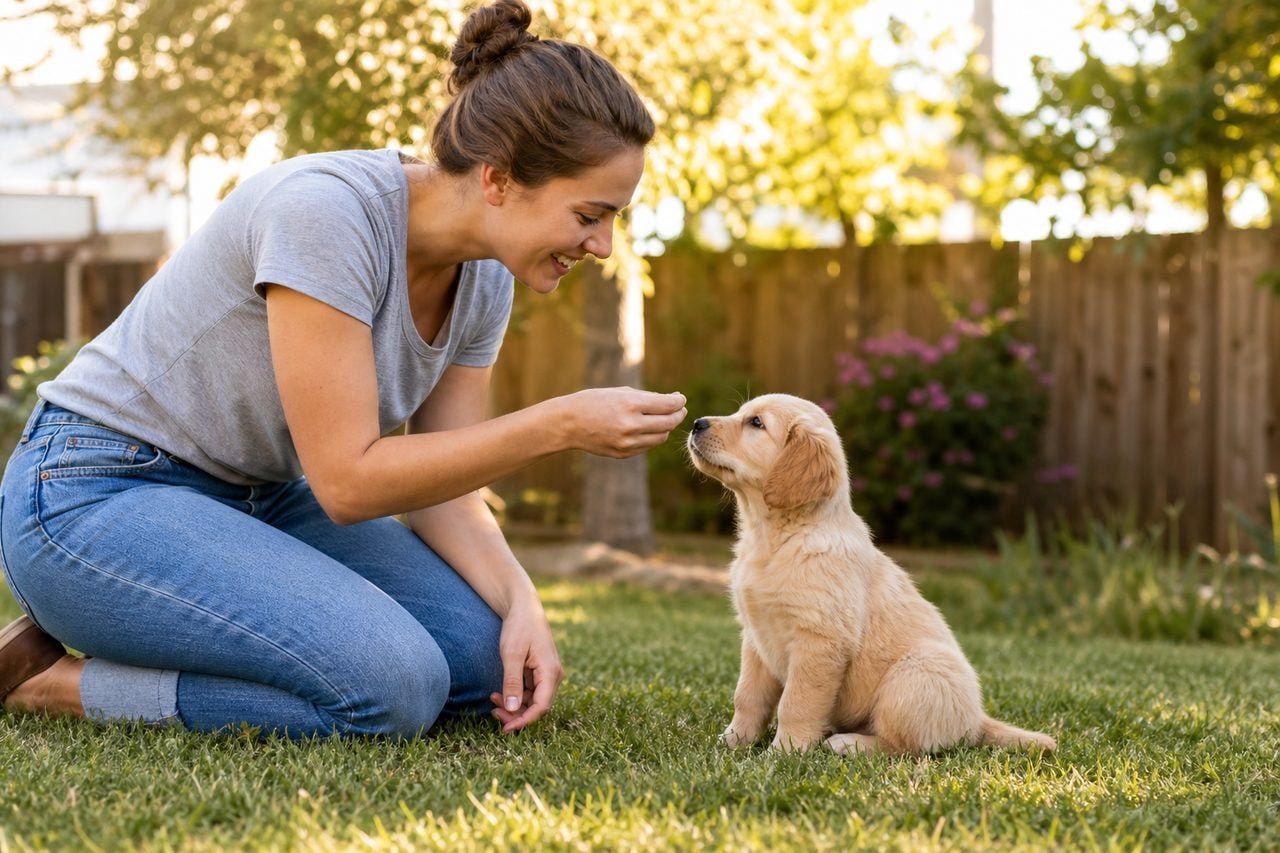
Socialization is the most time-sensitive job a NEPA puppy owner has, and it is easy to under-do in a region defined by long winters. The critical socialization window closes around sixteen weeks — and if your puppy comes home in November, that window falls squarely inside the darkest, coldest, snowiest stretch of the Scranton calendar. Owners who wait for spring to “start getting the puppy out” miss the exact period when positive first impressions are built most easily, and they often end up with a dog that fears strangers, other dogs, or novel places for life.
Socialization is not simply dog-park playtime. It is the deliberate, positive exposure of your puppy to the full range of sights, sounds, surfaces, and social situations it will encounter as an adult in the Lackawanna and Wyoming valleys — the hiss of air brakes on a downtown Scranton bus, the roar of the crowd at a Montage Mountain event, icy sidewalks, umbrellas, wheelchairs, delivery trucks, kids on bikes, and the countless people it will meet from Dunmore to Dallas. Each new experience, paired with treats and calm reassurance, teaches your puppy that the world is safe and interesting rather than threatening.
The good news is that NEPA weather is a challenge you can plan around, not a reason to postpone. A living room in Dunmore, a friend’s garage in Kingston, or a heated puppy class in the mid-valley can all deliver the variety a young dog needs when the sidewalks are buried. This guide shows Scranton–Wilkes-Barre puppy owners how to run a complete socialization program indoors and out, safely and on schedule, before the window closes — how to socialize responsibly before vaccinations are finished, how to read your puppy’s body language, and how to keep building confidence long after your puppy graduates from that first critical stage into a steady adult dog you can take anywhere in the Lackawanna and Wyoming valleys.
The Critical Window And Why It Cannot Wait
Between roughly three and sixteen weeks of age, a puppy’s brain is uniquely primed to accept new things as normal. Experiences during this window shape lifelong temperament. Positive exposure builds a confident, adaptable dog; a lack of exposure, or a frightening one, can seed fears that take years to manage.
- Act early: the window does not pause for weather or holidays, so start structured socialization the week your puppy arrives.
- Prioritize quality over quantity: one calm, positive meeting beats ten chaotic ones that overwhelm your puppy.
- Read your puppy: a wagging, curious pup is learning; a tucked tail and pinned ears mean back off and go slower.
- Pair everything with reward: treats and praise turn novel experiences into good memories.
For NEPA owners with a fall or winter puppy, this means getting creative indoors during the coldest weeks. The window is short, and there is no making up for lost time later — adolescent and adult socialization helps maintain skills but cannot replace what the early window builds.
Safe Socialization Before Full Vaccination
The great puppy dilemma: the socialization window opens before vaccinations are complete. The answer is not to keep your puppy locked away — the behavioral risk of under-socialization is very real — but to socialize smartly while managing disease risk.
- Carry your puppy: take it out to see Scranton’s downtown bustle, hear traffic, and meet people while keeping paws off high-traffic ground.
- Invite calm, vaccinated dogs over: playdates with a healthy adult dog you trust are safer than a public dog park.
- Use clean, controlled spaces: a friend’s house or a reputable puppy class that requires vaccination proof.
- Expose at home: introduce new surfaces, sounds, and household visitors where you control the environment.
A well-run puppy class is the gold standard here, because it balances early socialization with health precautions. Talk to your veterinarian about the right balance for your puppy, but do not let vaccination timing become an excuse to skip the window entirely — behaviorists widely agree the risks of isolation outweigh the manageable risks of careful early exposure.
Winter Socialization When You Can't Get Outside
A Scranton winter can keep you indoors for days at a stretch, but socialization does not stop. In fact, your home is a rich training environment if you use it deliberately. The goal is variety — new sounds, textures, objects, and people — all delivered at your puppy’s pace.
- Sound exposure: play recordings of thunderstorms, fireworks, doorbells, and traffic at low volume, rewarding calm, and slowly increase.
- Surface variety: set up walks across tile, carpet, a wobble board, plastic, and crinkly mats.
- Handling practice: touch paws, ears, and mouth gently and often so vet visits and winter paw-cleaning are stress-free.
- Rotating visitors: invite people of different ages and appearances — hats, coats, beards, canes — to visit and toss treats.
Dress your puppy for short outdoor sessions too; a quick, positive trip to see a plowed street or a snowbank counts. The winter that keeps other puppies isolated can be the winter yours gets ahead — if you treat your living room as the classroom it can be.
Meeting People, Kids And Other Dogs
Social confidence with humans and dogs is the heart of socialization. NEPA is a friendly, community-minded place — your dog will meet neighbors at the Pittston Tomato Festival, families on the Heritage Trail, and dogs on every block — so early, positive introductions pay dividends for years.
- People first: let your puppy approach new people at its own speed; never force contact, and have strangers offer treats.
- Kids with supervision: teach children to be calm and gentle, and always supervise closely so neither gets overwhelmed.
- Choose dog friends carefully: a stable, well-mannered adult dog teaches good manners better than a pack of rowdy puppies.
- Watch body language: loose, wiggly bodies mean good play; stiffness, hiding, or frantic escape mean it is time to step in.
Avoid crowded, uncontrolled dog parks with a young puppy — one bad experience can undo weeks of work. Structured playdates and puppy classes give you the control to keep every interaction positive. Quality social experiences, not sheer volume, build a dog that greets the world with a wag.
NEPA Sights, Sounds And Surfaces To Introduce
A truly socialized dog is comfortable with the specific environment it lives in. NEPA has its own signature sensory landscape, and deliberately introducing these elements makes your adult dog unflappable around town.
- Trains and traffic: the sights and sounds near Steamtown, downtown buses, and busy roads through Dickson City.
- Weather: snow underfoot, road salt, rain gear, umbrellas, and the sound of a snowblower.
- Nature settings: the varied terrain of Nay Aug gorge, Seven Tubs, Kirby Park, and river trails — introduce gradually once vaccinated.
- Crowds and festivals: NEPA’s calendar is full of events; start with the quiet edges of a crowd before wading in.
Introduce each element from a comfortable distance first, reward calm attention, and move closer only as your puppy relaxes. If your dog seems worried, add distance rather than pushing forward. The aim is a dog that can join you at a farmers market in Clarks Summit or a stroll along the Susquehanna without a second thought.
Recognizing And Preventing Fear Periods
Puppies go through predictable fear periods — stretches, often around eight to eleven weeks and again in adolescence, when they may suddenly act spooked by things they previously ignored. Handling these phases well prevents a temporary wobble from hardening into a lasting phobia.
- Do not force it: if your puppy is scared of something, never drag it closer; let it retreat and observe.
- Keep experiences positive: during a fear period, dial back intensity and pile on rewards for brave behavior.
- Avoid flooding: overwhelming a frightened puppy makes fear worse, not better.
- Stay calm yourself: your puppy reads your energy, so relaxed handling reassures more than coddling.
A scary event during a fear period — a slip on icy Scranton steps, a loud truck, a rough dog — can leave a mark, so be extra protective during these windows. If your puppy develops fears that do not fade, consult a positive-reinforcement trainer or behavior professional early. Fears are far easier to address young than after they have set in during adulthood.
Socialization By NEPA Area
Where you live in the Scranton–Wilkes-Barre metro shapes the socialization opportunities within easy reach — and in a snowy region, proximity matters.
- Scranton & the Lackawanna Valley: urban variety close at hand — downtown sounds, Nay Aug Park, and the Heritage Trail once vaccinated.
- The Mid-Valley & Carbondale: quieter towns like Olyphant and Carbondale where structured playdates fill the gap between neighbors.
- The Abingtons & Northern Suburbs: Clarks Summit’s walkable center and nearby Lackawanna State Park for calm nature exposure.
- Wilkes-Barre & the Wyoming Valley: Public Square, Kirby Park, and riverfront paths offer people-and-dog variety.
- Pittston, the Back Mountain & Mountain Top: more rural, so plan indoor socialization and short drives to puppy classes.
- Hazleton & Rural NEPA: longer winters at elevation make home-based and indoor socialization essential.
Whatever your area, a nearby puppy class is one of the safest, most efficient ways to hit the socialization window on schedule regardless of the weather outside.
Reviewed Puppy Socialization Trainers in Scranton
These reviewed Scranton-area trainers from our directory handle puppy socialization. Each links to a full profile with specialties, certified credentials, reviews, and contact info:
- Loose Leash Canine — 5.0★ (52 reviews)
- Mary’s Hand That Feeds School For Dogs — 5.0★ (51 reviews)
- AMPODOG Professional Dog Training — 5.0★ (33 reviews)
- Leroy and Company Dog Training — 5.0★ (21 reviews)
- Coal Dog’s – Dog Training — 5.0★ (18 reviews)
- Your Dog’s Place — 5.0★ (10 reviews)
- Turning Tails Dog Training — 5.0★ (5 reviews)
- Dunmore Barks
- Highland Canine Training – Scranton — 4.9★ (13 reviews)
- Simplistic Dog Training LLC — 4.8★ (77 reviews)
See all Scranton puppy socialization trainers →
Frequently Asked Questions
When is the puppy socialization window in dogs?
The critical socialization window runs from roughly three to sixteen weeks of age. During this period a puppy’s brain is primed to accept new experiences as normal. Positive exposure to people, dogs, sounds, and surfaces in these weeks builds lifelong confidence, which is why NEPA owners should not wait for warmer weather to begin.
Can I socialize my puppy before it is fully vaccinated?
Yes, and you should, using smart precautions. Carry your puppy to see the world, invite calm vaccinated dogs to your home, use clean controlled spaces, and expose it to new sounds and surfaces indoors. Reputable puppy classes require vaccination proof, balancing early socialization with health safety. Ask your veterinarian about the right approach.
How do I socialize a puppy during a Scranton winter?
Treat your home as the classroom. Play recorded sounds like thunder and traffic at low volume, set up varied surfaces to walk on, practice gentle handling, and invite a rotation of visitors in different clothing to toss treats. Add short, positive outdoor trips when weather allows, and consider an indoor puppy class.
Are dog parks good for puppy socialization?
Crowded, uncontrolled dog parks are generally a poor choice for young puppies. One frightening encounter can undo weeks of progress and set back confidence. Structured playdates with known, well-mannered dogs and supervised puppy classes give you the control to keep every interaction positive, which is what socialization actually requires.
My puppy suddenly seems scared of everything. Is that normal?
Yes. Puppies pass through predictable fear periods, often around eight to eleven weeks and again in adolescence, when familiar things may suddenly seem scary. Do not force your puppy toward what worries it. Keep experiences low-key and positive, reward brave behavior, and the phase usually passes. Persistent fears warrant help from a professional.
What happens if I miss the socialization window?
You do not give up, but the work gets harder. Dogs that missed early socialization can still improve with patient, gradual, positive exposure and often professional guidance, though some fears may need lifelong management. This is exactly why NEPA owners are encouraged to prioritize socialization early rather than waiting out the winter.
Related: read our complete puppy socialization guide or the full Scranton dog training overview.
Ready to find the right puppy socialization pro in Scranton?