
Puppy Socialization in Youngstown, OH
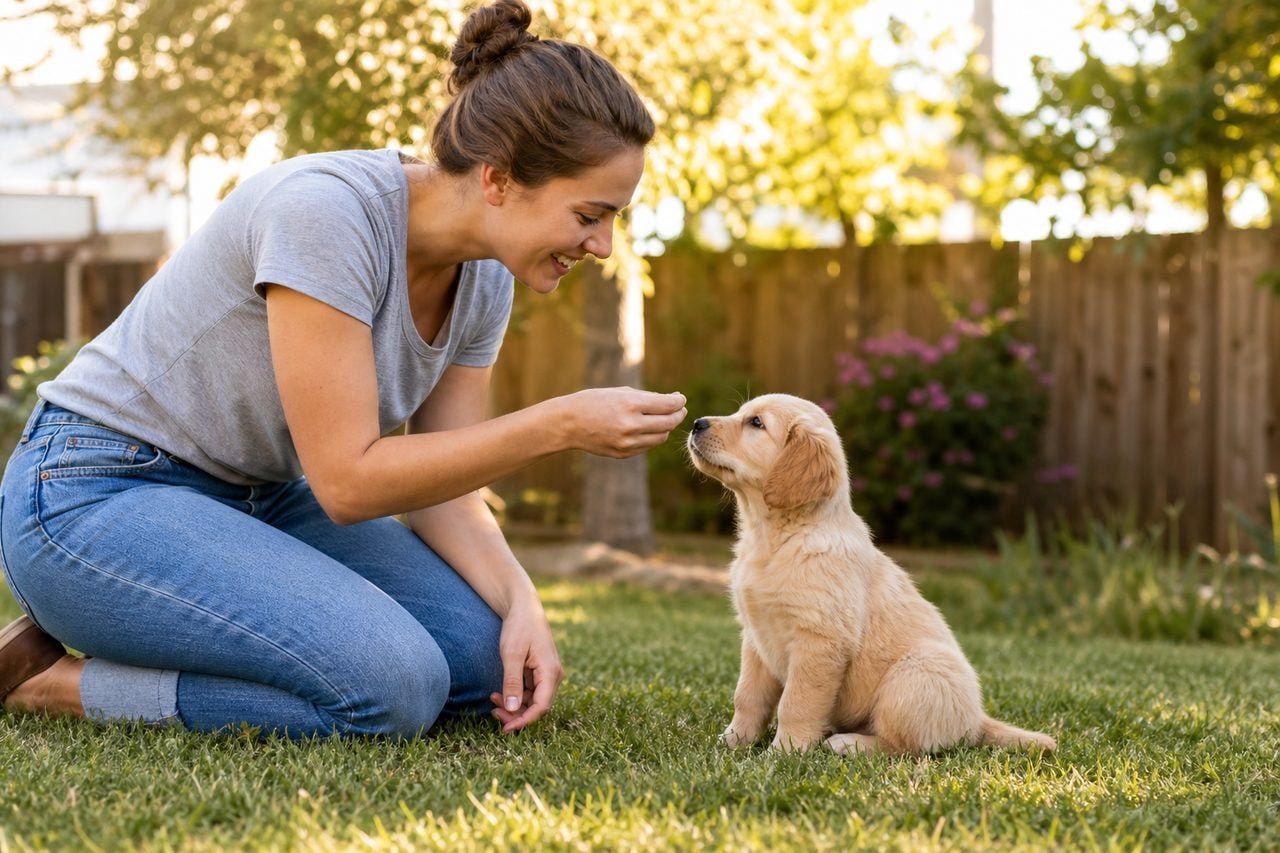
Socialization is the part of raising a puppy that Youngstown owners most often misunderstand, and it is also the part that matters most for the dog’s whole life. People tend to imagine socialization means letting puppies play together, and play is part of it, but the real work is far broader: it is the deliberate process of teaching a young puppy that the ordinary, varied, sometimes startling world of the Mahoning Valley is safe and nothing to fear. Done well in the first few months, it produces a confident dog that handles a busy Eastwood Mall parking lot, a thunderstorm, a stranger in a winter coat, and a vet visit without falling apart.
The reason urgency matters is biology. A puppy’s brain runs through a sensitive period that closes around sixteen weeks of age, and the impressions formed during that stretch are remarkably durable. A puppy that meets a wide range of people, dogs, places, surfaces, and sounds in a positive way during those weeks tends to grow into a steady adult. A puppy that misses those experiences, or has frightening ones, often grows into a fearful or reactive dog, and rehabilitating that later is slow, expensive, and never as complete as getting it right the first time. The window does not reopen.
This guide is built specifically for Youngstown and the surrounding Steel Valley. It explains what socialization actually is and is not, how to do it safely before your puppy is fully vaccinated, where to find the right kinds of experiences across the region in every season, how the area’s cold winters complicate the job, and how to tell the difference between healthy challenge and harmful overwhelm. We reference local trainers in general terms because the right professional depends on your puppy and your goals; use the directory to find the people who can help you build a confident dog.
What Socialization Actually Means
The biggest misconception in the Valley is that socialization equals playtime with other dogs. Dog-to-dog play is one slice of it, and not even the most important slice. True socialization is the systematic, positive exposure of a young puppy to the full range of things it will encounter as an adult, so that none of them register as threats. That includes people of every description, other animals, surfaces underfoot, sounds, places, handling, and the general unpredictability of daily life. The objective is not a puppy that loves everything, but a puppy that is comfortable and recovers quickly when something new happens.
Think in categories rather than counting encounters. You want your puppy to meet people who look and move differently: children, men with deep voices, people in hats and hoods and the heavy coats that a Youngstown winter demands, someone using a cane or a wheelchair, a person carrying an umbrella. You want exposure to surfaces like metal grates downtown, gravel, grass, hardwood, tile, and the wobble of a vet scale. You want sounds: traffic, a vacuum, a doorbell, the clatter of a kitchen, distant fireworks around the Canfield Fair or the Fourth of July. Each positive rep in each category builds a calmer adult.
Equally important is what socialization is not. It is not flooding, which means overwhelming a puppy with intense stimulation in the hope it will get used to it. Forcing a frightened puppy to endure a crowd or a barking dog does not build confidence, it builds fear, and it can create the exact reactivity you are trying to prevent. Good socialization is always within the puppy’s comfort range, paired with good things like food and praise, and stopped before the puppy becomes overwhelmed. The skill is reading your puppy and staying just under its threshold while gradually expanding what it can handle.
Safe Socialization Before Full Vaccination
The hardest tension in puppy socialization is that the critical window closes around sixteen weeks, but most puppies are not fully vaccinated until about that same age. Many Youngstown owners resolve this by keeping the puppy completely isolated until the shots are done, and that well-meaning choice is one of the most common causes of fearful adult dogs. The current consensus among veterinary behavior professionals is that the long-term behavioral risk of under-socialization generally outweighs the disease risk of careful, controlled exposure during this period.
The key word is controlled. You are not taking an unvaccinated ten-week-old to a place where many unknown dogs of unknown health and vaccination status congregate. You are choosing lower-risk experiences that still pack in the exposure. Carry your puppy, or use a stroller or cart, through environments you cannot fully control, so its paws stay off contaminated ground while it still sees and hears everything. Sit in your car in a busy parking lot in Boardman and let your puppy watch the foot traffic from safety. These approaches let the socialization clock keep running while the immune system catches up.
For dog-to-dog exposure before full vaccination, be selective rather than abstinent. Arrange playdates with adult dogs you know to be fully vaccinated, healthy, and good with puppies, ideally in your own yard or a friend’s home rather than a public space. A single calm, friendly, vaccinated adult dog teaching your puppy good manners is worth far more than a chaotic group, and it carries a fraction of the risk. Well-run puppy classes also screen for vaccination status and keep the environment clean, which is part of why they are valuable.
Above all, have a real conversation with your veterinarian about a socialization plan tailored to your specific puppy and your area. Disease pressure varies, your puppy’s history varies, and a good vet can help you draw the line between sensible caution and counterproductive isolation. The goal is a plan that protects your puppy’s health and its temperament at the same time, because both matter and neither should be sacrificed for the other.
Where to Socialize Around the Mahoning Valley
Once your puppy is cleared for more exposure, the Youngstown area offers a genuinely good mix of environments, and the trick is matching the place to your puppy’s current confidence level. Start easy and quiet, then gradually work up to busier, more stimulating settings as your puppy proves it can stay relaxed. Going to the most exciting place first is a classic mistake that can set socialization back.
Mill Creek MetroParks is one of the largest and oldest park systems in the country, and it is a tremendous resource, but use it thoughtfully. The trails around Lake Newport and the scenery near Lanterman’s Mill are wonderful, yet popular areas can be crowded with people, dogs, and wildlife that overwhelm a young puppy. Use the quieter trails and off-peak hours for early visits, keep them short, and let your puppy take in the new smells and sounds at its own pace. Mosquito Lake State Park up in Cortland is another option for calmer, open-air exposure away from heavy foot traffic.
For controlled exposure to people and indoor environments, pet-friendly stores and outdoor shopping areas work well, and the region has plenty between Boardman, the Eastwood Mall corridor in Niles, and the smaller commercial strips throughout the Valley. These give your puppy practice with automatic doors, slick floors, carts, strangers, and the general bustle of commerce, all in a setting where you can leave easily if your puppy gets overwhelmed. Outdoor patios at dog-friendly spots let your puppy practice settling calmly while life happens around it.
Do not overlook the value of variety in ordinary neighborhoods. Walking your puppy through different parts of the Valley, the quiet residential streets of Poland, a busier sidewalk near the YSU campus, a mill-town block in Struthers, exposes it to different sights, sounds, and ground surfaces. Each new environment is a small lesson in adaptability. The more varied positive places your puppy experiences before sixteen weeks, the more it learns the broad lesson that new is normal, which is the whole point of socialization.
Socializing Through Cold and Snow
Youngstown’s winters complicate socialization more than almost anything else, because the most critical weeks of a puppy’s window may fall during months when it is genuinely too cold and snowy to spend much time outdoors. A puppy born in the fall hits its peak socialization window in the dead of a Northeast Ohio winter, and lake-effect snow and single-digit days put real limits on outdoor exposure. Owners who ignore this often end up with under-socialized winter puppies simply because the weather made it inconvenient.
The solution is to move the work indoors and into the car without slowing it down. Your home itself becomes a socialization environment when you deliberately rotate new experiences through it: novel surfaces to walk on, household sounds played at low volume, cardboard boxes and tunnels to explore, the vacuum running in another room. Invite a steady stream of different people into your warm living room so your puppy meets varied humans without anyone braving the cold. Friends with calm, vaccinated dogs can come to you for indoor playdates.
The car is an underrated winter tool. A puppy that rides along on errands and then sits in the warm car watching a busy parking lot is getting real exposure to people, other dogs at a distance, traffic, and noise, all without standing in the cold or touching contaminated ground. Short, frequent car outings keep the socialization clock running through the worst of the weather, and they double as desensitization to car travel itself, which pays off at vet visits and beyond.
Winter also brings specific things worth socializing to on purpose. Bulky coats, hats, hoods, gloves, boots, and the strange shapes people take on when bundled up can spook a puppy that has only seen people in summer clothes. Deliberately have family and visitors approach your puppy in full winter gear, paired with treats, so it learns that a person in a thick parka is just a friendly person. The same goes for the sounds and sights of snow removal, shovels scraping, plows rumbling, salt crunching underfoot, which are part of normal Valley life and worth introducing calmly and early.
Reading Your Puppy and Avoiding Overwhelm
The single most important socialization skill is learning to read your puppy’s body language, because the line between a confidence-building experience and a fear-creating one lives in those signals. Effective socialization always happens just under the puppy’s stress threshold, where it is alert and curious but not frightened. Push past that line and you do the opposite of what you intended, teaching the puppy that the world is overwhelming and that you will not protect it.
Learn the signs of a comfortable puppy: a loose, wiggly body, willingness to take treats, curiosity that pulls it toward new things, and quick recovery after a small startle. Then learn the signs of a stressed puppy: tucked tail, ears pinned back, lip licking, yawning out of context, freezing, trying to retreat or hide behind you, and refusing food it would normally take. The refusal of food is one of the most reliable tells; a puppy too stressed to eat is over its threshold, and that is your cue to create distance and dial things down.
When you see stress, the right response is to calmly increase distance from whatever is causing it and let your puppy reset, not to force it closer to prove there is nothing to fear. Forcing a frightened puppy to confront something it is afraid of is flooding, and it commonly backfires into lasting fear or reactivity. Instead, retreat to a comfortable distance, let the puppy observe from there, reward calm interest, and only move closer as the puppy relaxes. Confidence is built in small, successful steps, not in dramatic confrontations.
Keep individual sessions short and end them on a good note. A young puppy can only absorb so much before it tips into exhaustion or overstimulation, and a session that ends while the puppy is still enjoying itself leaves a positive impression that carries to the next outing. Quality and emotional tone matter far more than quantity. A handful of brief, positive, well-read experiences each day will build a far more confident adult than a few long, overwhelming outings that leave your puppy frazzled.
When to Bring in a Professional
Many Youngstown owners can handle the bulk of socialization themselves with a good plan, but a professional becomes valuable in two distinct situations: when you want structure and a controlled environment, and when something is already going wrong. Knowing which situation you are in helps you choose the right kind of help instead of guessing.
For ordinary socialization, a well-run puppy class is the most efficient professional resource because it does something hard to do alone. It provides screened, vaccinated playmates of similar age in a clean, supervised setting, plus an instructor who can coach play and intervene before a bad interaction leaves a mark. A good puppy class also exposes your dog to new people, a novel location, and mild distractions every single week, which is exactly the varied positive exposure socialization requires. For most families this is the single highest-value thing you can do during the window.
The other situation is when you see early warning signs that go beyond normal puppy caution. Persistent fearfulness, a puppy that consistently shrinks from people or other dogs, intense or escalating reactivity, growling and stiffening over food or toys, or panic responses to everyday sounds are not things to wait out. These patterns rarely resolve on their own and often worsen, so the right move is to bring in a qualified local trainer or, in more serious cases, a veterinary behavior professional, sooner rather than later. Early intervention during the puppy stage is dramatically more effective than waiting until the dog is an adult.
When you do look for help, prioritize trainers who use modern, reward-based methods and who understand puppy development, because outdated punishment-based approaches can deepen fear in an already sensitive puppy. The directory lists local trainers across the Mahoning Valley; use it to find someone whose methods are humane, whose experience matches your situation, and whose format, whether a group class or private sessions, fits the kind of help your puppy needs. The right professional support during these few weeks pays dividends for the entire life of your dog.
Reviewed Puppy Socialization Trainers in Youngstown
These reviewed Youngstown-area trainers from our directory are the local options for puppy socialization. Each links to a full profile with specialties, certified credentials, reviews, and contact info:
- Ugly Dogge Bullies LLC — 5.0★ (22 reviews)
- Camelot Canine — 5.0★ (128 reviews)
- Athens Canine — 5.0★ (39 reviews)
- CIA Dog Training — 5.0★ (32 reviews)
- Enforcer Working Dogs — 5.0★ (23 reviews)
- McCrae9 Dog Training — 5.0★ (13 reviews)
- Das Muller German Shepherds — 5.0★ (8 reviews)
- Figleys Kennel Service LLC — 5.0★ (6 reviews)
- Alpha Pack K9 Training Center — 5.0★ (6 reviews)
- Sit Happens Dog Training — 5.0★ (6 reviews)
See all Youngstown puppy socialization trainers →
Frequently Asked Questions
What is the difference between socialization and obedience training?
Obedience training teaches specific cues like sit, stay, and come, and can happen at any age. Socialization is the process of teaching a young puppy that the world is safe through positive exposure to people, animals, places, surfaces, and sounds. It is time-sensitive, with the critical window closing around sixteen weeks. Socialization shapes your dog’s emotional temperament for life, while obedience shapes its trained responses; both matter, but socialization cannot wait.
Can I socialize my puppy before it is fully vaccinated?
Yes, carefully. Veterinary behavior professionals generally consider under-socialization a greater risk than well-managed exposure. Use controlled, lower-risk experiences: carry your puppy through public places so its paws stay off contaminated ground, sit in the car watching busy areas, and arrange playdates with known healthy, vaccinated adult dogs in your own yard. Avoid places where many unknown dogs gather, and talk to your vet about a plan for your specific puppy.
Where are good places to socialize a puppy in Youngstown?
Start with quiet settings and build up. The trails around Mill Creek MetroParks and Mosquito Lake State Park in Cortland offer calm outdoor exposure if you use off-peak hours and quieter areas. Pet-friendly stores and outdoor shopping areas around Boardman and the Eastwood Mall corridor give controlled people-and-noise practice. Walking through varied neighborhoods, from Poland to the YSU area to the mill towns, exposes your puppy to different sights, sounds, and surfaces.
How do I socialize a puppy during a Youngstown winter?
Move the work indoors and into the car. Rotate new surfaces, sounds, and objects through your home, invite different people and calm vaccinated dogs into your warm living room, and use short car outings to a busy parking lot so your puppy watches the world from a heated vehicle. Deliberately introduce your puppy to people in winter coats, hats, and hoods, plus the sounds of shovels and plows, all paired with treats.
How can I tell if my puppy is overwhelmed during socialization?
Watch body language. A comfortable puppy is loose and curious, takes treats, and recovers quickly from small startles. A stressed puppy tucks its tail, pins its ears, licks its lips, yawns out of context, freezes, tries to hide, or refuses food it would normally eat. Refusing food is a strong sign it is over threshold. When you see stress, calmly increase distance and let your puppy reset rather than forcing it closer.
When should I get professional help with socialization?
Two situations call for a professional. First, for structured socialization, a well-run puppy class gives screened vaccinated playmates and expert coaching in a controlled setting. Second, if you see early warning signs like persistent fearfulness, escalating reactivity, guarding food or toys, or panic at everyday sounds, bring in a qualified reward-based trainer or veterinary behavior professional quickly. Early intervention during puppyhood is far more effective than waiting until adulthood.
Related: read our complete puppy socialization guide or the full Youngstown dog training overview.
Ready to find the right puppy socialization pro in Youngstown?