
Puppy Training in Fort Wayne, IN
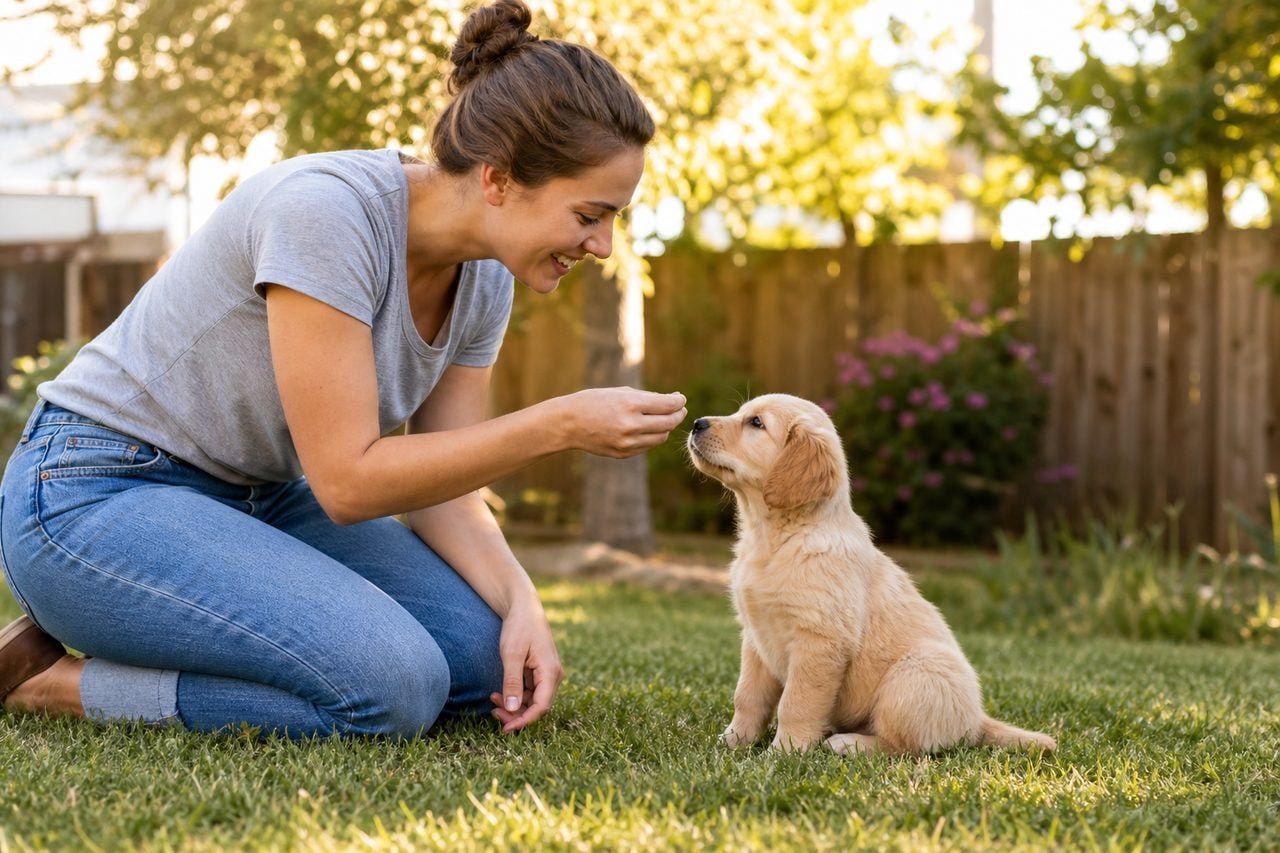
Bringing a puppy home in the Summit City is one of the most rewarding — and busiest — seasons a household can go through. Those first weeks in Fort Wayne set the tone for years of life together, and the choices you make about early training shape how your dog handles everything from a walk along the Rivergreenway to a quiet evening indoors during a long Northeast Indiana winter. Good puppy training is not about strict obedience or turning a young dog into a show competitor. It is about building trust, teaching a few foundational skills, and helping a puppy learn that the human world is a safe, predictable place.
- When to Start Puppy Training in the Fort Wayne Area
- House Training and Crate Basics for Indiana Weather
- Foundation Skills Every Puppy Should Learn
- Using Fort Wayne Parks and Trails for Training Practice
- Choosing Between DIY, Group Classes, and Private Trainers
- Common Puppy Challenges and How to Handle Them
- Building a Realistic Training Routine Around Your Life
- Reviewed trainers
- FAQ
Fort Wayne offers a genuinely good environment for raising a well-adjusted dog. The three rivers and the trail system that follows them give you miles of low-pressure places to practice, the surrounding Allen County parks provide varied settings, and a mix of professional trainers work across the region from the city out to New Haven, Huntertown, and beyond. This guide walks through how puppy training actually works, what to prioritize in the early months, and how to make the most of local resources — without pretending there is a single magic method that fits every dog.
Whether you are a Purdue University Fort Wayne student who just adopted a first dog, a family in Leo-Cedarville adding a puppy to the mix, or a long-time resident starting fresh, the principles below apply. Adjust them to your dog, your schedule, and the Indiana weather, and you will be well on your way.
When to Start Puppy Training in the Fort Wayne Area
The single most common mistake new owners make is waiting too long. Many people assume a puppy needs to be several months old before training can begin, but the opposite is true. Learning starts the moment a puppy arrives home, whether you intend it or not. Every interaction teaches the dog something — that jumping gets attention, that whining brings you running, or that calm behavior earns a treat. The question is never whether your puppy is learning, only what.
Practical training can begin as early as eight weeks. At that age you are not drilling formal commands so much as shaping habits: rewarding the puppy for offering eye contact, teaching that a crate is a good place to rest, and starting the long process of house training. Short, positive sessions of just a few minutes several times a day suit a young puppy’s attention span far better than one long block.
There is an important developmental reason to start early. Puppies pass through a sensitive socialization window that closes around sixteen weeks. What they experience during this period — sounds, surfaces, people, other animals — carries lasting weight. This overlaps with training in a useful way: a puppy that is learning to focus on you and earn rewards is also a puppy that copes better with new situations. For a dog that will spend its life in a river city with seasonal extremes, from humid summers to the snow and ice of a Fort Wayne January, early exposure to varied conditions pays off for years.
If your puppy has not finished its initial vaccination series, talk with your veterinarian about where it is safe to take it. Many local trainers run puppy classes designed specifically for this in-between period, using clean indoor spaces so young dogs can socialize and learn before they are fully protected.
House Training and Crate Basics for Indiana Weather
House training is the first real project most new owners tackle, and it is largely a matter of consistency and supervision. The core method is simple: take the puppy out often, reward it heavily the instant it goes in the right place, and prevent accidents by watching closely or confining the puppy when you cannot. Young puppies have limited bladder control — a rough guideline is that they can hold it for about one hour per month of age — so frequent trips are essential, especially after waking, eating, and play.
Fort Wayne’s climate adds a wrinkle. A puppy that happily trots into the yard in July may plant its feet at the back door in January when there is snow and a biting wind off the rivers. This is worth planning for. Pick a sheltered spot, keep a path shoveled, and consider a covered area near the house so bad weather does not derail your progress. On the coldest days, keep outdoor potty trips brief and businesslike, then bring the celebration and play back inside where it is warm.
A crate is one of the most useful tools for house training and for giving a puppy a secure den of its own. The goal is to make the crate a pleasant place, never a punishment. Feed meals in it, toss treats inside, and build up time gradually so the puppy learns to settle. A properly sized crate — big enough to stand, turn, and lie down, but not so large the puppy can soil one end and sleep in the other — supports overnight house training because most dogs avoid soiling their sleeping space.
Expect setbacks. Regression after a good stretch is normal, particularly when routines change. Rather than scolding after the fact, which a puppy cannot connect to the earlier act, tighten supervision and return to the basics. Patience through the first few months produces a reliably house-trained adult.
Foundation Skills Every Puppy Should Learn
Beyond house training, a handful of foundation skills make daily life smoother and lay the groundwork for everything else. None of these require special equipment — just treats, a little time, and repetition.
- Name recognition and attention. Teach the puppy that hearing its name and looking at you is worth doing. This underlies every other cue.
- Sit. Easy to teach with a treat lure and useful as a default polite behavior in place of jumping.
- Recall (come). Arguably the most important skill for safety. Start indoors, make coming to you a party, and never call the puppy to something it dislikes.
- Loose-leash walking. Reward the puppy for staying near you rather than pulling, so future walks on the Rivergreenway are enjoyable rather than a tug of war.
- Settle and crate rest. Teaching a puppy to relax on cue prevents a lifetime of over-arousal.
- Handling and grooming tolerance. Touch ears, paws, and mouth gently and pair it with treats so vet visits and nail trims are easier.
Keep sessions short and end on a success. A tired or distracted puppy will not learn well, so quit while it is still enjoyable. Reward-based methods — marking the behavior you want and paying it with food, play, or praise — are widely favored by modern trainers because they build a dog that offers behaviors willingly rather than one that works to avoid correction.
Consistency across the household matters enormously. If one person allows the puppy on the couch and another does not, or if the cue for coming is come here for one person and here boy for another, the puppy gets a muddled picture. Agree on rules and words up front, and everyone who interacts with the dog should use them the same way.
Using Fort Wayne Parks and Trails for Training Practice
One of the advantages of raising a dog in the Fort Wayne area is the range of outdoor spaces available for practice once your puppy is old enough and safely vaccinated. Training in the living room is a start, but dogs do not automatically generalize. A puppy that sits reliably in the kitchen may act as though it has never heard the word when there are squirrels, joggers, and new smells around. Practicing in gradually more distracting settings is what turns a household trick into a dependable skill.
The Rivergreenway, the paved trail system that follows the St. Marys, St. Joseph, and Maumee rivers, is ideal for loose-leash walking practice and for calm exposure to bikes, strollers, and other dogs at a distance. Because it is linear and generally open, you can control how close you get to distractions. Parks such as Franke Park, Lakeside Park, Salomon Farm Park, and Metea County Park in Huntertown offer more varied environments — open fields, wooded paths, and water features — that help a puppy learn to focus in different contexts. Fox Island County Park and Eagle Marsh Nature Preserve add natural settings with wildlife scents that test a young dog’s attention in a useful way.
A few guidelines make park training productive and considerate. Keep your puppy leashed unless you are in a designated off-leash area, both for safety and because recall is rarely reliable in a young dog. Bring high-value treats to compete with the environment. Watch the weather — midday heat in a humid Indiana summer can be dangerous, and paws need protection from ice-melt salt in winter. And always clean up after your dog. Leash and cleanup expectations are set by local ordinances across the Fort Wayne area, so check the rules for the specific park or municipality you are visiting rather than assuming they are the same everywhere.
Choosing Between DIY, Group Classes, and Private Trainers
There is no single right way to train a puppy, and the best approach often blends several. Understanding the trade-offs helps you decide where to invest.
Do-it-yourself training is free and flexible. With a good book, reputable online resources, and consistency, many owners successfully teach the basics themselves. The limitation is feedback: without an experienced eye, it is easy to reinforce the wrong thing or miss early signs of a problem. DIY works best for confident, easygoing puppies and owners who enjoy the process and can stay consistent.
Group puppy classes add two things a living room cannot: structured socialization and professional guidance. A well-run class exposes your puppy to other dogs and people in a controlled way while a trainer coaches you through the fundamentals. For most first-time owners in the Fort Wayne area, a puppy class is an excellent starting point. It also builds a habit of practicing around distractions, which is exactly what young dogs need.
Private training costs more per session but is tailored entirely to your dog and situation. It is the right call when there is a specific challenge — serious house-training trouble, early signs of fear or reactivity, or a household with unusual constraints — or simply when you want faster, individualized progress. Some trainers offer in-home sessions, which is especially valuable for issues that only appear in your own environment.
Whatever route you choose, look for a trainer whose methods rely on positive reinforcement and who can explain what they do and why. Ask about their approach, request references or credentials, and trust your read of how they interact with dogs and people. A good trainer teaches you as much as the dog, because you are the one who will be handling the puppy every day long after the classes end.
Common Puppy Challenges and How to Handle Them
Even with a solid plan, certain puppy behaviors reliably test owners. Knowing they are normal — and how to respond — keeps small issues from becoming entrenched habits.
Nipping and mouthing. Puppies explore with their mouths, and needle-sharp teeth make this painful. The goal is to teach bite inhibition, not to punish. When teeth touch skin, calmly end the interaction for a moment, then redirect to an appropriate chew toy. Consistency teaches the puppy that mouths on skin make the fun stop.
Jumping up. Jumping is usually attention-seeking, and any reaction — even pushing the puppy off — can reinforce it. Reward four-on-the-floor and calm greetings, and ask visitors to do the same. Teaching a solid sit gives the puppy something better to do when it is excited.
Chewing. Destructive chewing spikes during teething and when a puppy is under-exercised or bored. Manage the environment by putting valuables away, provide plenty of appropriate chews, and make sure the puppy gets enough physical and mental activity. A tired puppy chews less.
Separation and alone-time. Puppies need to learn to be alone calmly, a skill that is easy to overlook when someone is always home — a common situation for students and remote workers. Build up short absences gradually from the start so your dog does not panic the first time it is left for a real stretch.
Barking. Some barking is normal communication. Address it by identifying the cause — boredom, alarm, attention — rather than only suppressing the sound. Winter months, when dogs get less outdoor time, can increase pent-up energy and nuisance barking, so plan indoor enrichment during the cold season.
If any behavior seems extreme, escalates despite consistent effort, or involves genuine fear or aggression, consult a professional early. Problems are far easier to resolve in a young puppy than in an adult dog with months of practice behind the behavior.
Building a Realistic Training Routine Around Your Life
The best training plan is the one you will actually follow. Grand ambitions that require an hour a day tend to collapse within a week; small, consistent efforts woven into daily life succeed. The key is to fold training into things you already do rather than treating it as a separate chore.
Ask for a sit before meals and before the door opens. Practice recall in the hallway on the way to something fun. Reward calm settling while you work or study. Do a two-minute skill session while coffee brews. These micro-sessions add up, and they teach the puppy that good behavior pays off throughout the day, not just during dedicated training time.
Match the plan to your household. A busy family in Auburn or Huntington might divide responsibilities so the puppy gets consistent handling from several people. A student near the PFW campus juggling classes needs a schedule that guarantees the puppy is not alone too long and gets enough exercise and mental work despite a packed timetable. Whatever your situation, aim for predictability: puppies thrive on routine, and a regular rhythm of meals, potty breaks, play, training, and rest makes everything easier.
Finally, give the process time. A puppy is a developing animal, not a machine to be programmed. There will be great days and frustrating ones, breakthroughs and regressions. Measured over months rather than days, consistent, kind, well-informed training reliably produces a confident, well-mannered adult dog — the kind that is a joy to walk along the three rivers and a steady companion through many Fort Wayne winters to come.
Reviewed Puppy Training Trainers in Fort Wayne
These reviewed Fort Wayne-area trainers from our directory handle puppy training. Each links to a full profile with specialties, certified credentials, reviews, and contact info:
- Dog Training Elite Northeast Indiana — 5.0★ (170 reviews)
- Off Leash K9 Training of Fort Wayne LLC — 5.0★ (120 reviews)
- The Well Mannered Dog — 5.0★ (115 reviews)
- Perfect Pup LLC — 5.0★ (46 reviews)
- Solid Foundation Dog Training — 5.0★ (18 reviews)
- Trevor’s Dog Training, VSA-CDT, FFCP — 5.0★ (7 reviews)
- The Canine Coach — 5.0★ (3 reviews)
- Polite Paws — 4.9★ (8 reviews)
- Flying Colors Canine Academy Inc. — 4.8★ (112 reviews)
- Riju Dawg Skool — 4.7★ (9 reviews)
See all Fort Wayne puppy training trainers →
Frequently Asked Questions
What age should I start training my puppy in Fort Wayne?
Start right away. Learning begins the moment your puppy comes home, typically around eight weeks. At that age you focus on house training, gentle handling, name recognition, and short positive sessions rather than formal commands. Beginning early also takes advantage of the socialization window that closes near sixteen weeks, which is especially valuable for a dog that will experience varied Indiana seasons. Ask your veterinarian about safe places to take your puppy before its vaccinations are complete.
How long does it take to house train a puppy?
Most puppies are reliably house trained somewhere between four and six months of age, though it varies by individual and by how consistent you are. Young puppies can hold their bladder only about one hour per month of age, so frequent trips outside are essential. Expect occasional regressions, particularly when routines change or during cold weather when some puppies resist going out. Consistent supervision, a proper crate routine, and heavy rewards for going in the right place are what move the process along.
Do I need a professional trainer or can I do it myself?
Many owners successfully teach the basics themselves with good resources and consistency. A professional adds value in two situations: when you want structured socialization and coaching, which a group puppy class provides, or when you face a specific challenge such as fear, reactivity, or stubborn house-training trouble, where private or in-home training helps. For most first-time owners in the Fort Wayne area, a reputable group puppy class is an excellent starting point that you can supplement with practice at home.
Where can I practice training with my puppy outdoors?
Once your puppy is old enough and safely vaccinated, the Rivergreenway trail system is ideal for calm loose-leash practice and controlled exposure to bikes and other people. Local parks such as Franke Park, Salomon Farm Park, Lakeside Park, and Metea County Park in Huntertown offer varied environments that help your puppy learn to focus around distractions. Keep your dog leashed unless you are in a designated off-leash area, bring high-value treats, and check the leash and cleanup rules set by local ordinances for the specific park you visit.
How do I handle house training during a Fort Wayne winter?
Winter takes planning. Choose a sheltered potty spot, keep a path clear of snow, and consider a covered area near the house. On the coldest days, keep outdoor trips brief and businesslike, then bring play and celebration back inside where it is warm so your puppy is not rushed. Protect paws from ice-melt salt and watch for signs of cold stress in young dogs. Some puppies resist going out in snow, so extra patience and a consistent routine matter most during the cold months.
What should I do about puppy biting and nipping?
Mouthing is normal exploration, and the goal is to teach bite inhibition rather than to punish. When teeth touch skin, calmly pause the interaction for a moment, then redirect your puppy to an appropriate chew toy. Consistency teaches that mouths on skin make the fun stop. Make sure your puppy has plenty of suitable things to chew, especially during teething, and enough physical and mental activity, since an under-stimulated puppy tends to nip and chew more. If biting seems unusually intense or fearful, consult a professional early.
Related: read our complete puppy training guide or the full Fort Wayne dog training overview.
Ready to find the right puppy training pro in Fort Wayne?