
Off-Leash Dog Training in Indianapolis, IN
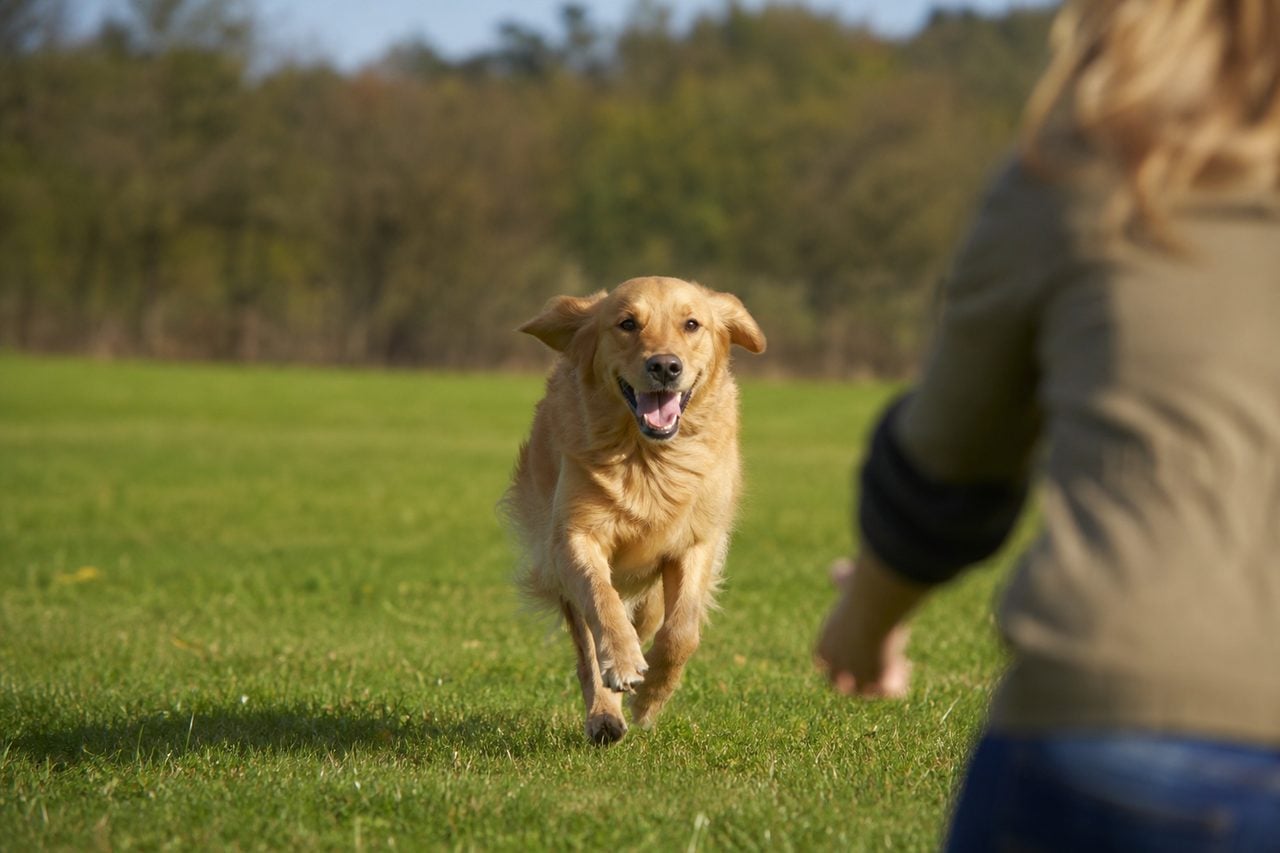
Off-leash freedom is the goal almost every Indianapolis dog owner imagines on day one: a dog that trots beside you down the Monon Trail, comes flying back the instant you call, and ignores the squirrel, the jogger, and the loose ball at the park. But true off-leash reliability is not a trick you teach in a weekend — it is a layered skill built on a recall that holds under pressure, and it is the single most misunderstood goal in dog training.
- What off-leash training really means (and what it doesn't)
- The e-collar versus voice-and-reward debate
- When off-leash is appropriate — and when it isn't
- Where to practice off-leash work around Indianapolis
- How Central Indiana's climate shapes the training calendar
- Choosing an off-leash trainer in the Indianapolis area
- Reviewed trainers
- FAQ
This page is specifically about off-leash control: a recall you can bet your dog’s life on, distance work, and the judgment to know when dropping the leash is genuinely safe. It is a different discipline from basic obedience or behavior rehabilitation, and the trainers who specialize in it across Marion County and the surrounding suburbs treat it that way.
Below we cover what off-leash training actually involves, the e-collar-versus-voice debate, where you can legally and safely work an off-leash dog around Indianapolis, and how Central Indiana’s weather shapes the training calendar.
What off-leash training really means (and what it doesn't)
Off-leash training is the process of building behaviors so reliable that the physical leash becomes unnecessary — not because the dog has stopped wanting to chase, but because its response to you outweighs every distraction in the environment. The cornerstone is recall: a dog that returns to you immediately, every time, regardless of what it was doing. Everything else — a solid stay, a directional "this way," an automatic check-in — supports that one life-saving behavior.
What it is not is simply unclipping the leash and hoping. A dog that "mostly comes" is not an off-leash dog; it is a dog that will eventually run into Keystone Avenue traffic on the one day it decides the rabbit is more interesting than you. Reputable Indianapolis trainers are blunt about this: a recall that works 80% of the time is a recall that fails when it counts.
The work is progressive. It typically moves through these stages:
- Foundation indoors and in the yard — building a rock-solid response with zero distractions.
- Long-line work — a 15- to 50-foot line that gives the dog the feeling of freedom while you retain a safety net.
- Proofing against distractions — deliberately adding other dogs, people, food, and wildlife, one variable at a time.
- Distance and duration — recalling from farther away and holding stays longer.
- Off-leash in controlled, then open, environments — only after every earlier stage is genuinely reliable.
The e-collar versus voice-and-reward debate
No topic in off-leash training generates more disagreement than the electronic collar. It is worth understanding the landscape honestly, because Indianapolis trainers fall across the full spectrum and you will want to choose one whose philosophy you are comfortable with.
Reward-based, no-tool approaches build recall purely through positive reinforcement and management — high-value food, play, and a long line until the behavior is proofed. Advocates argue this produces a dog that comes because it wants to, with no risk of fallout from aversive tools. The trade-off is that it can take longer and demands disciplined management during the proofing phase.
E-collar (remote-collar) training, when done by a skilled professional, uses very low-level stimulation as a tap on the shoulder — a way to communicate at a distance the same way the long line communicates up close. Proponents value the off-switch reliability it can create around serious distractions like deer or traffic. The critical caveats: the tool is only as good as the hands using it, the dog must already understand recall before the collar is introduced, and a poorly conditioned e-collar can create fear or confusion.
The honest middle ground most professional trainers agree on: the tool matters far less than the foundation and the trainer’s skill. Ask any prospective trainer how they introduce their method, what they do when the dog ignores a cue, and how they prevent fallout. A confident, specific answer matters more than the label on their philosophy.
When off-leash is appropriate — and when it isn't
Even a beautifully trained dog should not be off-leash everywhere. Sound judgment is part of the skill set, and good trainers teach the handler as much as the dog.
Off-leash is appropriate when the recall is genuinely proofed, the environment is legal for it, and the risks are manageable. It is not appropriate near open roads, in leash-law areas, around unknown dogs whose behavior you can’t predict, or with a dog that has a known prey drive you haven’t fully addressed.
Breed and temperament matter too. A scent hound that locks onto a trail or a sighthound that bolts at movement may need far more proofing — and more conservative judgment — than a handler-focused working breed. Honest trainers will tell you when a particular dog is a poor candidate for off-leash freedom in busy environments, and that honesty is a feature, not a failure.
Where to practice off-leash work around Indianapolis
Central Indiana offers a genuinely good mix of spaces for building and proofing off-leash skills, but you must respect leash laws — most Indianapolis parks and trails require dogs on leash, and off-leash freedom is reserved for designated areas or private land.
Designated off-leash dog parks across the metro are the obvious starting point for socialized, controlled distraction work. Indy Parks operates several fenced dog parks, and the suburbs add more — Carmel, Fishers, Noblesville, Westfield, Zionsville, Greenwood, Avon, Plainfield, and Brownsburg all maintain off-leash facilities of varying size. Fenced parks are ideal for early off-leash sessions because they remove the traffic risk while you test reliability.
For long-line proofing and quieter distance work, the region’s large open spaces shine. Eagle Creek Park on the northwest side is one of the largest municipal parks in the country and offers wide-open meadows and a dedicated dog area; trails along the White River, the Central Canal towpath, and the broader Monon Trail through Broad Ripple and up into Carmel give you controlled-distraction environments (on a long line, since these are leash-required). County and state properties in the surrounding areas — reservoirs, nature preserves, and large parks in Hamilton and Hendricks counties — provide low-traffic space for advanced work where permitted.
Owners in the East Side and Irvington and South Suburbs near Greenwood and Franklin often have the easiest access to larger, quieter green space, while Downtown and Near-North residents typically rely on dog parks and early-morning trail sessions before foot traffic builds.
How Central Indiana's climate shapes the training calendar
Indianapolis weather is a real variable in an off-leash program, because proofing requires regular outdoor reps and the environment changes dramatically across the year.
Spring and fall are the sweet spot — mild temperatures and manageable distractions make April through early June and September through October prime proofing months. Summer humidity can be intense; mornings and evenings are far safer for sustained work, and heavy-coated or short-nosed dogs need particular care about heat. Winter brings cold snaps, ice, and short daylight, which compresses training windows — but it also clears parks of casual visitors, making it surprisingly useful for low-distraction distance work if you and the dog are dressed for it.
A good local trainer will build a program that accounts for this, front-loading distraction proofing into the comfortable seasons and using harder months for foundation maintenance, indoor work, and quiet distance drills.
Choosing an off-leash trainer in the Indianapolis area
Because off-leash reliability carries real safety stakes, the trainer you choose matters more here than for almost any other goal. A few things to look for as you compare local trainers across the metro:
- A staged, transparent method — they should be able to explain exactly how they move a dog from long line to genuine off-leash freedom.
- Honesty about your specific dog — a willingness to say "this breed/temperament will need extra work" or "off-leash in traffic areas isn’t realistic here."
- Clear handling of their chosen tools — whether reward-only or e-collar, they should condition the dog properly and explain fallout prevention.
- Proofing in real environments — training that eventually moves to the kinds of distracting, real-world places where you actually want off-leash control.
Cost in Central Indiana generally tracks the format: private lessons and structured packages cost more per session than group classes but are usually necessary for serious off-leash work, and board-and-train programs sit at the higher end because of the intensive daily handling involved. Ask any trainer to explain what their package includes and what reliability level you can realistically expect at the end.
Reviewed Off-Leash Dog Training Trainers in Indianapolis
These reviewed Indianapolis-area trainers from our directory handle off-leash dog training. Each links to a full profile with specialties, certified credentials, reviews, and contact info:
- Off-Leash K9 Training Indianapolis — 5.0★ (454 reviews)
- Dog Training Elite Carmel / Fishers — 5.0★ (150 reviews)
- Canine Retreat — 4.9★ (10 reviews)
See all Indianapolis off-leash dog training trainers →
Frequently Asked Questions
How long does it take to get a reliable off-leash recall?
For most dogs, building a genuinely proofed off-leash recall takes several months of consistent work, not weeks. The foundation can come quickly, but proofing it against real distractions — wildlife, other dogs, traffic noise — is what takes time. Breed, temperament, age, and how consistently you practice all affect the timeline. Be wary of anyone promising bombproof off-leash reliability in a matter of days.
Is an e-collar necessary for off-leash training?
No. Many Indianapolis dogs achieve reliable off-leash recall through reward-based methods and disciplined long-line work with no e-collar at all. Some trainers use the e-collar as a distance communication tool, and when conditioned properly by a skilled professional it can be effective — but it is a choice of method, not a requirement. The foundation and the trainer’s skill matter far more than the tool.
Where can I legally let my dog off-leash in Indianapolis?
Most Indianapolis parks and trails require dogs to be leashed, so off-leash freedom is generally limited to designated, fenced dog parks — which Indy Parks and most suburbs (Carmel, Fishers, Noblesville, Westfield, Zionsville, Greenwood, Avon, Plainfield, Brownsburg) maintain — or on private property with permission. Always check local rules for any specific park before unclipping the leash.
Is my dog's breed suited to off-leash training?
Almost any dog can improve its recall, but some breeds — particularly strong-scent hounds and movement-driven sighthounds — require far more proofing and more conservative judgment in busy environments. A handler-focused working or herding breed may reach reliability faster. A good local trainer will assess your individual dog and give you an honest read on what off-leash freedom will realistically look like.
What's the difference between off-leash training and basic obedience?
Basic obedience teaches your dog to respond to cues, usually on leash and in low-distraction settings. Off-leash training takes those behaviors — especially recall — and proofs them to the point of reliability under heavy distraction with no physical control attached. It is a more advanced, higher-stakes specialty built on top of a solid obedience foundation.
Related: read our complete off-leash dog training guide or the full Indianapolis dog training overview.
Ready to find the right off-leash dog training pro in Indianapolis?