
Off-Leash Dog Training in Allentown, PA
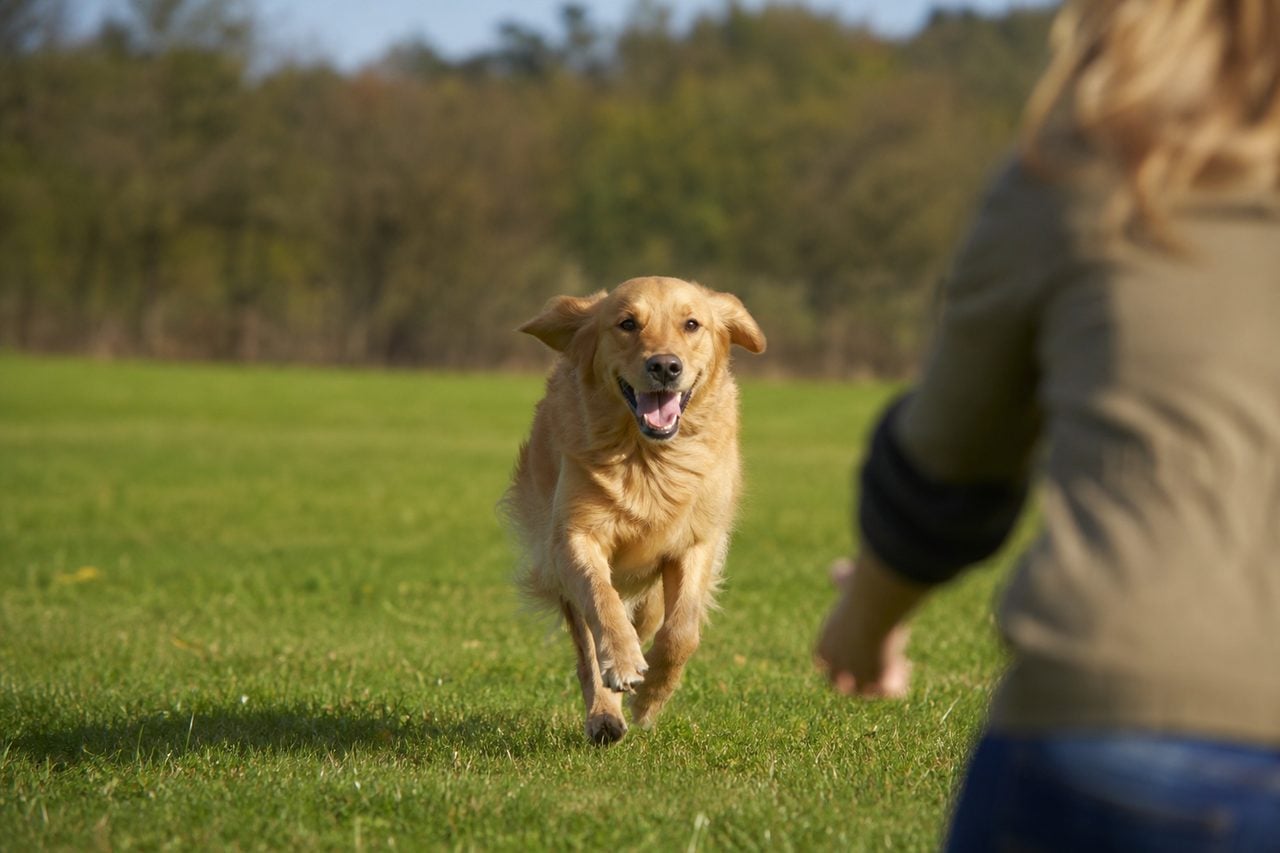
There is a particular kind of freedom in watching a dog gallop across an open Lehigh Valley field, ears flying, then turn on a dime and race back the instant you call. Reliable off-leash work is one of the most rewarding things you can build with a dog — but it is also one of the most misunderstood. Off-leash training is not about removing the leash and hoping for the best, and it is not a single trick you teach in an afternoon. It is about building a recall so solid, and an attention to you so ingrained, that the leash becomes a backup you rarely need rather than the only thing standing between your dog and trouble.
The Lehigh Valley is genuinely well suited to this work. Large natural areas like Trexler Nature Preserve and Jacobsburg State Park offer the wide-open, low-distraction spaces that early off-leash proofing demands, while the region’s mix of farm-edge roads, wooded trails, and quieter parks lets you layer in real-world distractions step by step. The flip side is that wildlife, neighboring farms with livestock, and busy roads are never far away in this part of Pennsylvania, so the stakes of a failed recall here are very real. A dog that bolts after a deer near Jacobsburg or breaks toward a road in the rural fringe can be lost or hurt in seconds. That is exactly why the training has to be thorough and proven before any leash comes off in an unfenced space.
This guide walks through how off-leash training actually progresses — from a rock-solid recall built indoors, to long-line work in the open, to verified reliability around deer, dogs, and distractions — and addresses the role of tools like e-collars honestly rather than as a magic shortcut. It also covers where local law and basic courtesy require a leash around Allentown, Bethlehem, and Easton, because off-leash freedom only works when it is earned by the dog and exercised responsibly in the right places.
What Off-Leash Reliability Actually Requires
Off-leash reliability is not a single skill but a stack of them working together. At the base is an automatic recall — your dog returns to you immediately, every time, regardless of what it was doing. On top of that sits attention: a dog that checks in with you on its own, keeps tabs on where you are, and does not vanish over the next ridge. Without both, off-leash is gambling.
The honest threshold is this: a dog is ready for off-leash freedom in an unfenced space only when its recall is reliable around the specific distractions it will face there. A dog that comes when called in a quiet backyard has not earned off-leash status at Jacobsburg State Park, where deer, other dogs, and unfamiliar smells compete for its attention. Off-leash work is really the long process of proofing that recall against harder and harder temptations until it holds even when something genuinely exciting is happening. Skipping steps is how dogs end up lost, hit by a car, or chasing livestock across Valley farm country.
Building a Bombproof Recall
Everything starts with recall, and recall is built, never assumed. Begin in a quiet, enclosed space — a fenced yard or a quiet room — with a single cue and a reward your dog finds genuinely thrilling, usually high-value food or a favorite toy. Say the word once, make returning to you the best decision your dog could make, and pay generously every single time in the early stage.
The cardinal rule: the recall word must never predict something bad. Never call your dog to you to end fun, scold it, or do something it dislikes — that teaches the dog that coming back is a trap. Keep early sessions short and successful, and resist the temptation to test the recall in hard situations before it is ready. As the response becomes automatic indoors, you are laying the emotional foundation that makes the next stages — distance, distraction, and the open spaces of the Lehigh Valley — possible. A recall that is merely “pretty good” at home will collapse the first time a squirrel bolts across the trail.
The Long Line: Bridge to Freedom
The single most important tool in off-leash training is the long line — a fifteen- to thirty-foot leash that lets your dog roam and explore while you retain a physical safety net. The long line is the bridge between backyard recall and true off-leash work, and most dogs spend weeks or months on it before the line ever comes off.
Used well, the long line lets you practice recall at real distances and around real distractions without risking a failed escape. You can let your dog drift toward an interesting smell at Trexler Nature Preserve, call it back, and gently reel in if it ignores you — making the recall succeed without a chase. The line should be a backup you rarely need to use, not a thing you constantly drag the dog with. As your dog proves reliable at the full length of the line around increasing distractions, you gain the evidence you need to consider dropping it. Off-leash freedom is something a dog earns on the long line first, never something granted on hope.
Proofing Against Lehigh Valley Distractions
Proofing means deliberately rehearsing recall against progressively harder distractions until it holds under pressure. The Lehigh Valley provides a natural ladder of difficulty. Start where it is easy and quiet, then layer in the kinds of temptations your dog will actually meet: other dogs, joggers, wildlife, and the rich scent trails of wooded areas.
Jacobsburg State Park and the larger sections of Trexler Nature Preserve offer wooded, wildlife-rich settings to test recall against the high-value distraction of deer and squirrels — on a long line at first. Farm-edge areas in the rural fringe and northern Northampton County add the temptation of livestock and open fields, which is exactly why a chase-proof recall matters so much here. Work each distraction at a level your dog can still succeed at, then raise the difficulty in small steps. A recall that holds against a deer bounding away is a recall you can finally trust — but it is also the last skill to develop, so be patient and keep the long line on until it is proven.
E-Collars: An Honest Look
Electronic collars come up constantly in off-leash conversations, and they deserve an honest, non-hype treatment. An e-collar is a remote-stimulation tool sometimes used to reinforce a recall at distance, particularly for dogs in high-stakes rural settings where a failed recall could mean a dog lost in the woods or struck on a road. They are a serious tool, not a shortcut, and they are not a substitute for actually training the recall first.
The core point: an e-collar should only ever layer on top of a recall the dog already understands and performs reliably on a long line. Used as a punishment device or a crutch for skipped foundation work, it can create fear, confusion, and fallout. Many excellent dogs reach full off-leash reliability with no e-collar at all. If you are considering one, work with a qualified, modern trainer who can show you proper low-level conditioning and fit — this is not a tool to figure out from a video. Whether to use one is a personal decision best made with professional guidance, not pressure from a sales pitch.
Where Off-Leash Is Allowed Near Allentown
Off-leash freedom only works where it is legal and courteous. Many Lehigh Valley parks, trails, and natural areas require dogs to be leashed, and rules vary by municipality and by individual park, so the responsible move is always to check the posted regulations for the specific location before letting your dog loose. The D&L Trail, Saucon Rail Trail, and most public parks in Allentown, Bethlehem, and Easton are shared spaces where leashes are typically expected.
For genuine off-leash exercise, designated dog parks and fenced areas are the safest legal option, and some owners arrange access to private land or fenced fields. Trespassing onto Valley farmland to run a dog is both illegal and dangerous given livestock and equipment. Even where off-leash is permitted, courtesy applies: not every person or dog on a trail wants an off-leash dog approaching, so a reliable recall is what makes your freedom acceptable to everyone else sharing the space. Respecting the rules is part of being an off-leash owner, not an obstacle to it.
Maintaining Off-Leash Reliability Over Time
A reliable off-leash dog is not a finished project — it is a skill that needs upkeep. Recalls erode if they are never practiced and never rewarded, and a dog that has been off-leash for a year can still backslide if it learns that coming back no longer pays. Keep the recall valuable by continuing to reward it, at least intermittently, well after it seems automatic.
Seasonal factors in the Lehigh Valley matter too. Snowy winters change footing and scent, and the spring return of wildlife ramps distraction back up after a quiet winter. Periodically re-proof in lower-stakes settings, especially after any lapse. Stay honest about your individual dog: some breeds and individuals, particularly strong scent or sight hounds, may never be fully reliable off-leash near wildlife, and there is no shame in keeping such a dog on a long line for life. The mark of a responsible off-leash owner is not stubbornly insisting on freedom — it is matching the level of freedom to what the dog has genuinely, repeatedly earned.
Reviewed Off-Leash Dog Training Trainers in Allentown
These reviewed Allentown-area trainers from our directory handle off-leash dog training. Each links to a full profile with specialties, certified credentials, reviews, and contact info:
- Off Leash K9 Training, Lehigh Valley — 4.9★ (307 reviews)
- Route 100 Off-Leash Dog Park — 4.5★ (152 reviews)
- Lehigh Valley Dog Training — 4.3★ (110 reviews)
See all Allentown off-leash dog training trainers →
Frequently Asked Questions
When is my dog ready to be off-leash in an open area?
Only when its recall is reliable around the specific distractions it will face in that area — not just in a quiet backyard. A dog that comes when called at home but ignores you near deer at Jacobsburg State Park is not ready. The honest test is a recall that holds on a long line against real distractions, repeated successfully many times before the line ever comes off.
Do I need an e-collar to train off-leash reliability?
No. Many dogs reach full off-leash reliability with no e-collar at all, using a long line and consistent reward-based recall training. An e-collar is a serious tool that should only ever layer on top of a recall the dog already performs reliably, and only with guidance from a qualified, modern trainer. It is never a substitute for foundation work.
What is a long line and why does it matter so much?
A long line is a fifteen- to thirty-foot leash that lets your dog roam and explore while you keep a physical safety net. It is the bridge between backyard recall and true off-leash freedom, letting you practice at real distances and distractions without risking a failed escape. Most dogs spend weeks or months on a long line before earning full off-leash status.
Where can I legally let my dog off-leash near Allentown?
Rules vary by municipality and by individual park, so always check the posted regulations for your specific location. Most public parks and trails — including the D&L and Saucon Rail Trail — require leashes. Designated dog parks, fenced areas, and private land with permission are the safest legal options for genuine off-leash exercise.
My dog comes when called at home but ignores me at the park. Why?
Because recall has not yet been proofed against the park’s distractions. A cue learned in a quiet space does not automatically transfer to a setting full of dogs, people, and wildlife. The fix is to rebuild the recall step by step on a long line in increasingly distracting environments until it holds under real pressure.
Are some dogs never safe off-leash?
Realistically, yes. Strong scent or sight hounds and some individual dogs may never be fully reliable off-leash near wildlife, given how powerful the chase drive can be. There is no shame in keeping such a dog on a long line for life. Responsible off-leash ownership means matching freedom to what the dog has genuinely earned, not forcing it.
Related: read our complete off-leash dog training guide or the full Allentown dog training overview.
Ready to find the right off-leash dog training pro in Allentown?