
Protection & K9 Training in Lancaster, PA
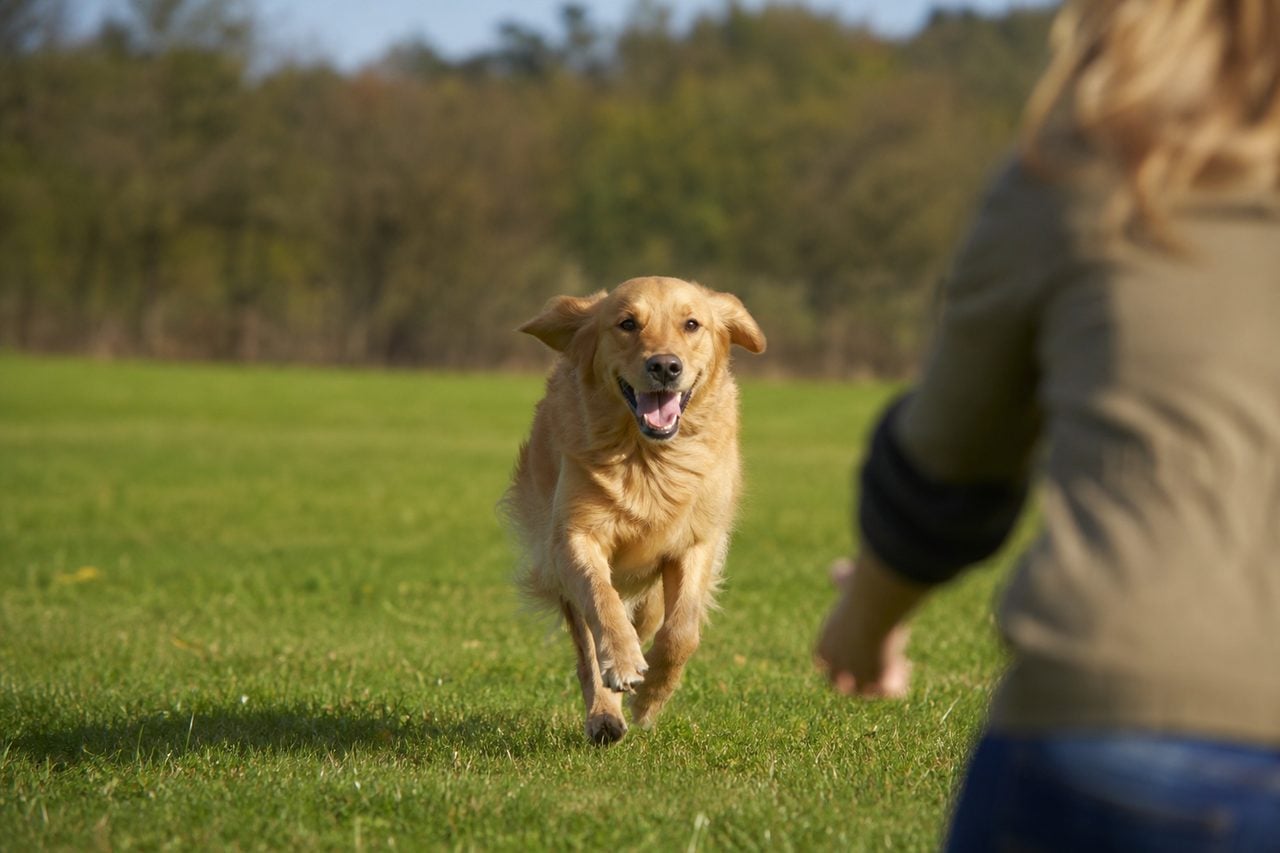
Protection and K9 training is one of the most specialized and most misunderstood corners of the dog world. The term covers a wide spectrum — from competitive protection sports practiced as a controlled hobby, to genuine personal protection dogs trained to deter or respond to real threats. For Lancaster County owners curious about this work, the single most important thing to understand up front is that responsible protection training is built on a foundation of obedience, stability, and temperament — not aggression. A well-trained protection dog is, paradoxically, one of the most controlled and neutral dogs you will ever meet. It is not a dog wound up to be dangerous; it is a stable dog taught precise, controllable skills with airtight off-switches.
This guide is written to set realistic, responsible expectations. It explains the difference between protection sports and true personal protection dogs, why temperament assessment must come before any protection work, what serious training actually looks like, and the legal and ethical responsibilities that come with owning a trained dog. It does not teach protection techniques and it does not encourage anyone to create a sharp or reactive dog — that path produces liability and danger, not safety. Whether you are in Lancaster city, the northern boroughs around Lititz and Manheim, or on rural acreage out toward Strasburg, the same principles apply.
If you are drawn to this field, the goal of this page is to help you ask the right questions, choose a reputable professional, and understand what you would actually be taking on before you commit time or money. Done correctly, with the right dog and the right trainer, protection work is a demanding but legitimate discipline that produces a stable, controllable, well-rounded dog. Done carelessly, it is a serious and potentially dangerous mistake that creates liability rather than security. The difference is almost entirely in the foundation — in temperament, obedience, and control — which is exactly what the rest of this guide focuses on.
Protection Sport Versus Personal Protection
The first distinction every newcomer needs is between protection sports and personal protection dogs, because they serve very different purposes. Protection sports are structured competitive disciplines where dogs perform prescribed exercises — obedience, tracking, and controlled protection routines — under judges, often using a padded sleeve or suit and a trained helper. The “bite work” in sport is a game with rules, played by stable dogs with strong nerves, and the emphasis is on precision, control, and the dog’s ability to engage and disengage on command. For most hobbyists, sport is the appropriate and rewarding path.
A personal protection dog (PPD), by contrast, is trained to deter or respond to genuine threats to its handler or family. This is a far higher bar. A true PPD must possess rock-solid temperament, flawless obedience, sound judgment about when to act, and an instant, reliable off-switch — and it must remain a safe, neutral family member the other 99% of the time. Producing such a dog is expensive, time-intensive, and appropriate for only a small number of dogs and owners. Many people who think they want a PPD are actually better served by a well-trained, naturally protective family dog whose mere presence and confident bark are deterrent enough, without any bite training at all. Honest trainers will tell you this rather than sell you something you do not need.
Temperament Assessment Comes First
No reputable trainer will begin protection work without first assessing the dog’s temperament, because the wrong dog in this work is dangerous to everyone. The ideal candidate is confident, stable, social, and resilient — a dog with strong nerves that recovers quickly from startles, is not fearful, and is not indiscriminately aggressive. Counterintuitively, an aggressive or fearful dog is a poor candidate, not a good one: fear-based aggression is unpredictable and unreliable under pressure, which is the opposite of what protection work requires.
A proper assessment looks at nerve strength, environmental confidence, social neutrality toward strangers and other dogs, drive, and the dog’s ability to switch on and off. Genetics and breeding matter enormously here; the working lines historically developed for these tasks tend to have the right balance of drive and stability, though individual temperament always trumps breed assumptions. A responsible trainer may evaluate a dog and conclude it is not a suitable candidate — and that is a sign of integrity, not failure. For a Lancaster owner, this means the honest first step is not “how do I train my dog to protect me” but “is this dog, by temperament, even a candidate for this work?” A trainer who skips assessment and takes any dog’s money should be avoided.
Obedience Is The Foundation
Before any protection-specific work, a dog needs deep, reliable obedience — and this cannot be overstated. The entire safety of protection training rests on control. A dog that cannot be reliably recalled, that cannot hold a stay under distraction, and that does not have an instant, unconditional off-switch has no business doing protection work, because the defining feature of a trained protection dog is not that it can engage but that it stops the instant it is told.
Foundational obedience for this path goes well beyond pet-level manners. It includes rock-solid recall under high arousal, reliable position changes at a distance, calm neutrality around strangers and other dogs, and the ability to remain controlled in chaotic, distracting environments. Many serious programs spend the large majority of their time on obedience and stability, with protection exercises layered on only once that control is unshakable. This is why the journey is long and why shortcuts are so dangerous: a dog given bite skills without bulletproof control is a liability, not an asset. For owners in Lancaster County, the practical takeaway is to expect a heavy, ongoing emphasis on obedience and engagement — and to be wary of any program that rushes to the exciting parts. The unglamorous foundation is exactly what makes a protection dog safe.
What Responsible Training Looks Like
Legitimate protection training is methodical, transparent, and centered on control. Sport-based programs work in clubs or facilities with trained helpers, padded equipment, and clear progressions, building the dog’s skills as a structured game with defined rules. Personal protection programs are even more rigorous about real-world scenarios, judgment, and reliability, and they invest heavily in the off-switch — teaching the dog to release and disengage instantly on command, every time, without exception.
A responsible trainer welcomes your questions, lets you observe sessions, explains the reasoning behind each step, and is candid about timelines and your dog’s suitability. The work is incremental and never relies on terrorizing the dog or stoking indiscriminate aggression; the aim is a confident, clear-headed dog performing learned tasks, not a reactive one. Red flags include trainers who guarantee a “guard dog” in a few weeks, who refuse to let you watch, who skip temperament assessment, who use harsh or fear-based methods, or who encourage you to make your dog generally aggressive. Producing a genuine protection dog takes many months to years of consistent work, and maintenance training continues for the dog’s working life. In Lancaster County, treat this as the serious, long-term commitment it is, and choose professionals whose priority is unmistakably control and stability.
Legal And Liability Considerations
Owning a trained protection dog carries real legal and financial responsibility, and prospective owners must go in clear-eyed. A dog trained to bite, even one with flawless control, raises the stakes around any incident. Owners are generally responsible for what their dogs do, and a trained dog can complicate liability if anything goes wrong. This is general information, not legal advice — anyone seriously considering a protection dog should consult a qualified attorney about Pennsylvania and local law, and should speak with an insurer about coverage, since some homeowner policies treat certain dogs or trained dogs differently.
Beyond formal liability, there is the everyday reality of safely living with a dog trained in bite work: secure containment, careful management around visitors and children, and ongoing maintenance training to keep the dog’s control sharp. A protection dog is not a set-and-forget acquisition; it is a long-term responsibility that touches your insurance, your home setup, and how you manage guests. For Lancaster households, especially those with frequent visitors, kids, or rural properties where the dog has a large territory, these practical considerations deserve as much thought as the training itself. The most responsible owners treat the legal, insurance, and management questions as non-negotiable parts of the decision — not afterthoughts — before ever committing to this path.
Is A Protection Dog Right For You?
For the great majority of owners asking about protection training, the honest answer is that they do not actually need a personal protection dog — and recognizing that is the responsible starting point. Most people seeking security are well served by far simpler measures combined with a well-trained, confident family dog. A stable dog with good basic obedience and a natural alert bark provides meaningful deterrence on its own, with none of the cost, liability, or specialized maintenance of true bite work.
Protection sport, on the other hand, is a wonderful option for those drawn to the discipline as a hobby. It channels a suitable dog’s drives into a structured, controlled activity, builds an exceptional obedience foundation, and creates a deep working partnership — all without the goal of producing a dog meant to engage real threats. If you have a temperamentally appropriate dog and an interest in the work itself, sport is often the ideal path. A genuine personal protection dog makes sense only for a narrow set of situations and committed owners willing to take on the temperament-suitable dog, the long training timeline, the ongoing maintenance, and the legal and insurance responsibilities. Whichever direction interests you, start by talking honestly with a reputable Lancaster-area professional about your real goals, your dog’s temperament, and what you are prepared to commit — and be open to the answer that the simpler path is the better one.
Choosing A Reputable Professional
Because protection training is high-stakes and the industry is unregulated, choosing the right professional is the most consequential decision you will make. Start by clarifying your own goal — sport versus genuine protection — since trainers often specialize. Then look for someone who insists on a temperament assessment before any protection work, who emphasizes obedience and the off-switch above all, and who is transparent about methods, timelines, and your dog’s suitability.
Ask to observe training in person. A reputable trainer will let you watch, will explain what they are doing and why, and will demonstrate dogs that engage and disengage cleanly on command rather than dogs that look frantic or out of control. Ask about their experience, the lines or types of dogs they work with, how they handle a dog that turns out to be unsuitable, and what ongoing maintenance they recommend. Be deeply skeptical of guarantees, secrecy, rushed timelines, fear-based methods, or anyone willing to make your dog generally aggressive — those are the hallmarks of dangerous, irresponsible operations. Trust your judgment about whether the dogs in their program seem stable, happy, and controlled. Lancaster County and the surrounding region have access to legitimate sport clubs and serious trainers, so you can afford to be selective. The right professional will prioritize your dog’s stability and everyone’s safety over selling you a dramatic outcome.
Protection & K9 Training in Lancaster: Local Options & Nearest Specialists
Local Lancaster-area options for protection & k9 training:
- Magnus K9 — 5.0★ (11 reviews)
- Sjabo Dog Training — 4.9★ (21 reviews)
Nearest protection & k9 training specialists — Philadelphia
For complex cases, some families travel to the larger pool of specialists in the Philadelphia area for additional protection programs and bite-sport clubs. Top-reviewed options:
- Cappuccino Dog Training Inc. — 5.0★ (109 reviews)
- Absolute Canine — 5.0★ (11 reviews)
- Celtic Shield Dog Training — 5.0★ (6 reviews)
- FullMetal K9 — 5.0★ (4 reviews)
- Mid-Atlantic K9 Services — 5.0★ (3 reviews)
- Advanced K9 Training of Bucks County — 5.0★ (3 reviews)
- Peacock Bridge Kennels — 4.8★ (226 reviews)
- Master K9 Dog Training — 4.7★ (15 reviews)
See all Philadelphia protection & k9 training trainers →
Frequently Asked Questions
What is the difference between protection sport and a personal protection dog?
Protection sport is a structured competitive hobby where stable dogs perform prescribed exercises — obedience, tracking, and controlled bite work as a rules-based game — under judges. A personal protection dog (PPD) is trained to deter or respond to real threats and must have flawless temperament, obedience, judgment, and an instant off-switch. Sport suits most hobbyists; a true PPD is appropriate for only a small number of dogs and owners.
Does my dog need to be aggressive to do protection work?
No — the opposite. The ideal candidate is confident, stable, social, and resilient with strong nerves. Aggressive or fearful dogs are poor candidates because fear-based aggression is unpredictable and unreliable under pressure. A well-trained protection dog is one of the most controlled, neutral dogs you will meet. Responsible training never aims to make a dog generally aggressive; that produces danger and liability, not safety.
Why does temperament assessment come before training?
Because the wrong dog in protection work is dangerous to everyone. A proper assessment evaluates nerve strength, confidence, social neutrality, drive, and the ability to switch on and off. A reputable trainer may conclude a dog is not suitable — a sign of integrity, not failure. Any trainer who skips assessment and takes any dog into protection work should be avoided.
How long does protection training take?
It is a long, serious commitment — many months to years of consistent work, built on a deep obedience foundation that comes first. Maintenance training then continues for the dog’s entire working life to keep its control sharp. Be skeptical of any program promising a finished “guard dog” in a few weeks; rushing this work produces unreliable, dangerous dogs rather than safe, controlled ones.
What are the legal and liability issues with owning a protection dog?
Owning a dog trained in bite work raises the stakes around any incident, and owners are generally responsible for what their dogs do. This is general information, not legal advice — consult a qualified attorney about Pennsylvania and local law, and talk to your insurer, since some policies treat trained dogs differently. You must also plan for secure containment, careful management around guests and children, and ongoing maintenance training.
How do I choose a reputable protection trainer near Lancaster?
Clarify your goal (sport versus genuine protection), then find a trainer who requires temperament assessment first, emphasizes obedience and the off-switch, and is transparent about methods and timelines. Ask to observe a session; reputable trainers welcome it. Avoid guarantees, secrecy, rushed timelines, fear-based methods, or anyone willing to make your dog aggressive. The region has legitimate sport clubs and serious trainers, so you can afford to be selective.
Related: read our complete protection & k9 training guide or the full Lancaster dog training overview.
Ready to find the right protection & k9 training pro in Lancaster?