
Protection & K9 Training in Chambersburg, PA
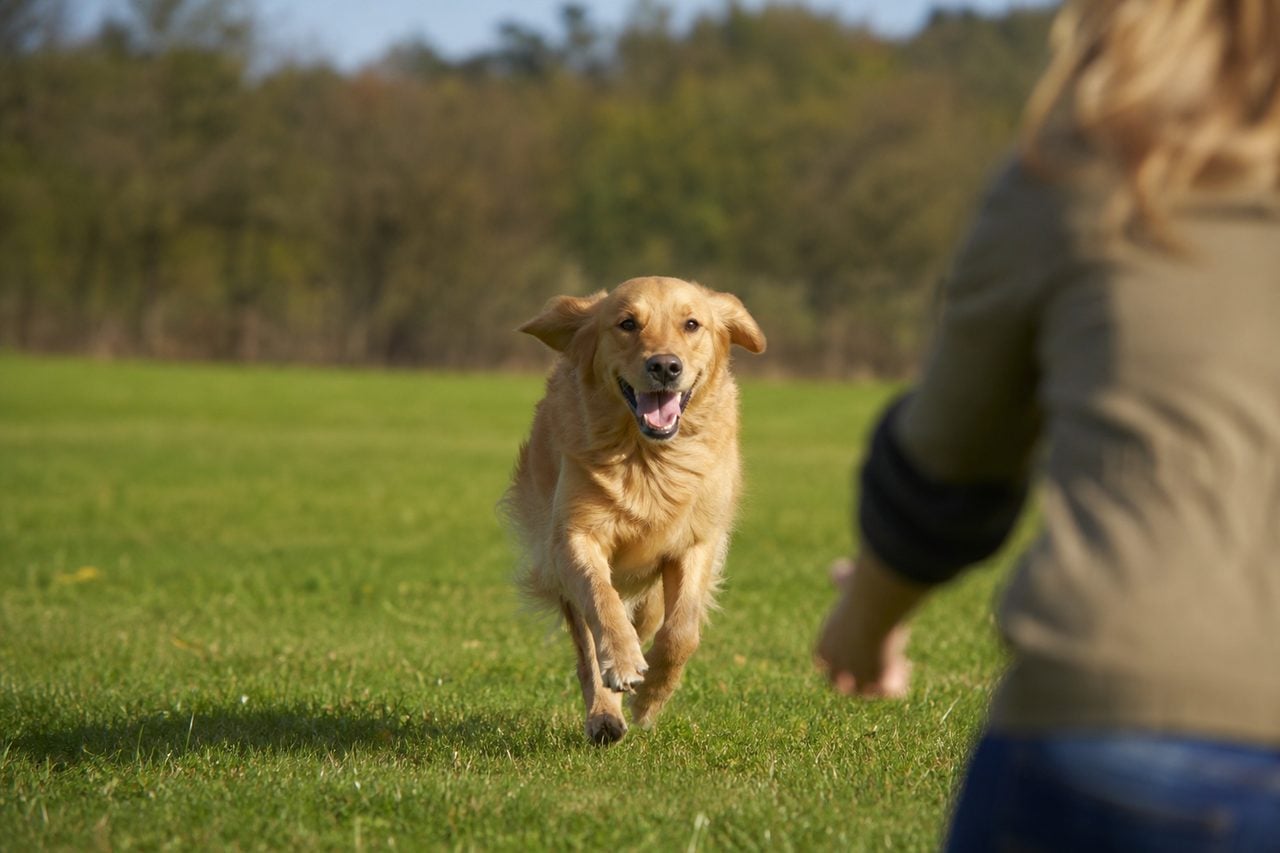
Protection dog training draws a lot of interest around Chambersburg and rural Franklin County, where properties are large, neighbors are far apart, and the idea of a capable dog on the homestead has obvious appeal. But “protection training” covers a wide spectrum — from a competitive dog sport with strict rules, to a family dog that simply looks and sounds imposing, to a fully trained personal protection dog — and the differences matter enormously for safety, legality, and whether you actually end up with a dog you can live with.
The single most important idea to carry in is that responsible protection work is built on obedience and stable temperament, not aggression. A properly trained protection dog is under complete control, discriminating and calm, and neutral to normal daily life — it is not a dog wound up to bite. Any program that produces a reactive, unpredictable animal has failed, and a dog like that is a liability to you, your family, and everyone who visits your Waynesboro or Greencastle property. Good trainers screen temperament first and turn away dogs that are not suited.
This guide explains the honest landscape: the difference between sport protection like IGP and true personal-protection work, why temperament assessment comes before any bite training, why obedience is the entire foundation, the serious legal and insurance realities of owning a protection-trained dog in Pennsylvania, how to vet a trainer in the highest-stakes corner of the field, and why the specialized nature of this discipline usually means looking toward the Harrisburg or York markets rather than the immediate Chambersburg area. Franklin County is a small market for legitimate protection work — established sport clubs and qualified decoys are relatively few — so knowing what to look for, and where, is a large part of doing this responsibly. GetDogSchool’s editorial team keeps this neutral and safety-first — the goal is a well-informed decision, not a hard sell, and for many families the honest conclusion is a well-trained family dog rather than a trained biter.
Sport Protection Versus Personal Protection
The first fork in the road is what you actually want. Protection dog sports — IGP (formerly Schutzhund), French Ring, Mondioring, and PSA — are structured competitive disciplines that test tracking, obedience, and controlled bite work under a rulebook, usually with a trained decoy in a bite suit. The bite work is a sport skill performed on cue and released on cue; the dog is not being taught street defense. For most owners, sport is the safest, most transparent, and most rewarding way to channel a high-drive dog’s abilities.
Personal protection dogs (PPDs) are a different animal in intent: dogs trained to actually defend a person or property in a real threat. Genuine PPD work is a specialized, demanding field that requires an exceptionally stable dog, an experienced professional trainer, and an owner who fully understands the responsibility — legal, financial, and ethical — of owning a dog trained to bite in earnest.
A crucial middle ground fits most families best: a well-bred, well-socialized dog with solid obedience is often deterrent enough on its own. The presence and bark of a confident dog discourages the overwhelming majority of would-be intruders, with none of the liability of bite training. For many Franklin County homes, that — not a trained biting dog — is the sensible answer. Be honest with yourself about which of these three you actually need before pursuing any of them.
Temperament And Assessment Come First
No responsible trainer straps a sleeve on a random dog. Protection work — sport or PPD — begins with a temperament assessment, and the honest truth is that most dogs are not suited to it. The right candidate is confident and stable, not fearful or nervous; a fear-based dog trained to bite becomes a genuine danger, because it makes bad decisions under stress. Sound nerves, clear thresholds, and the ability to switch on and off are the non-negotiable foundation.
Age and foundation matter too. Serious protection training is built on a base of thorough socialization and rock-solid obedience, and it is typically not appropriate for young puppies or for dogs without that groundwork in place. A good program may spend months on obedience and stability before any protection element is introduced. Trainers who skip straight to bite work, or who take any dog regardless of temperament, are the ones to avoid.
This is also why breed alone is not the answer. While certain breeds are more commonly worked, individual temperament is what determines suitability — a poorly matched dog of a “guard” breed is a worse choice than a stable dog of another. Expect a reputable trainer to evaluate your specific dog honestly and to tell you plainly if it is not a fit. Being turned away is not a failure; it is the system protecting you and your dog from an outcome neither of you wants.
Obedience Is The Whole Foundation
It is a common misconception that protection training makes a dog aggressive. Done right, it is the opposite: the discipline is fundamentally about control. A protection dog must be absolutely reliable in obedience — responding instantly to commands, and above all releasing or standing down on cue. A dog that cannot be called off is not trained; it is dangerous, and no legitimate program tolerates it.
That control has to hold in the real world of a Chambersburg household. A properly trained dog is neutral and safe in normal daily life — calm with the family, tolerant of guests, steady on a walk down the street — and only responds appropriately in a genuinely defined situation, always under the handler’s direction. The switch between working and off-duty is deliberate and clean. This is what separates a controlled protection dog from a liability that reacts on its own judgment.
For the owner, this means the work never really ends. Maintaining a protection-trained dog demands ongoing obedience practice and handler skill; these are not set-and-forget dogs. You are taking on a long-term commitment to keep the dog sharp, controlled, and safe. If that ongoing responsibility sounds like more than you want, that is important information — and a strong argument for the deterrence-through-presence route with a well-obedience-trained family dog instead.
Pennsylvania Legal Realities
Owning a dog trained to bite carries serious legal weight in Pennsylvania, and no one should pursue protection training without understanding it. Under Pennsylvania’s dangerous dog law, a dog that attacks or inflicts severe injury on a person can be legally designated a “dangerous dog,” which brings strict requirements — secure confinement, special registration, signage, muzzling in public, and mandatory liability insurance — and potential criminal or civil consequences for the owner. A protection-trained dog that bites in a situation later judged unjustified can expose you to exactly these outcomes.
Pennsylvania law also does not give an owner a blanket right to use a dog as a weapon. If your dog injures someone, the burden can fall on you to show the response was justified; you are legally responsible for what your dog does. That is a heavy responsibility to accept knowingly, and it is precisely why intent — sport versus true PPD — matters so much before you begin.
None of this is legal advice, and the specifics of your situation matter. Anyone seriously considering a personal protection dog in Franklin County should consult a Pennsylvania attorney and their insurer before proceeding, and should factor local ordinances into the picture as well. Understanding the legal exposure up front is part of being a responsible owner — it is not a formality to skip.
Insurance And Liability
The financial side of protection ownership is as real as the legal one. Many homeowner’s and renter’s insurance policies restrict or exclude coverage for certain breeds or for dogs with a bite history or a known protective role, and a dog trained to bite can complicate coverage significantly. Some owners find their policy will not cover a dog-related injury at all, leaving them personally exposed to what can be a very large liability claim.
Before pursuing protection training, talk candidly with your insurance provider about how a protection-trained dog affects your homeowner’s or liability coverage. You may need a specialized policy or a rider, and you should understand exactly what is and is not covered if the dog ever bites someone — including a legitimate but contested defensive incident. Going in blind here is a costly mistake.
This is another reason the deterrence route appeals to many Franklin County families: a confident, well-trained, non-bite-trained dog provides real peace of mind without the insurance and liability entanglements. If you do proceed toward a genuine PPD, treat insurance as a required checklist item, not an afterthought — a reputable trainer will expect you to have handled the legal and insurance groundwork as part of taking the commitment seriously.
Choosing A Protection Trainer Responsibly
Protection is the highest-stakes corner of dog training, so vetting the trainer is critical. Look for verifiable experience and credentials in the specific discipline you want — sport titles and involvement in a recognized organization for IGP or Ring sport, or documented, reputable experience for personal protection work. Ask to observe a training session and to speak with current clients. A professional will welcome the scrutiny.
The clearest quality signal is a temperament-first, obedience-first, control-focused philosophy. A responsible trainer assesses the dog honestly, refuses unsuitable candidates, builds a deep obedience foundation before any bite work, and emphasizes the dog’s absolute reliability in being called off. Be wary of anyone who promises a “protection dog” fast, takes any dog regardless of temperament, produces reactive animals, or downplays the legal and insurance realities. Those are red flags, not shortcuts.
Equally, a good trainer will help you clarify whether you even need bite training at all, and will steer many families toward the deterrence-through-obedience path when that fits better. Honesty about what you actually need — and about what this discipline demands of you long-term — is the mark of a professional worth trusting. The right answer is sometimes “a well-trained family dog,” and a trainer who tells you that is doing their job.
Why This Usually Means Harrisburg Or York
Protection training is a specialized field, and Chambersburg is a small market for it. Legitimate sport clubs and experienced personal-protection trainers are relatively few, and the deepest expertise, established sport clubs, and access to qualified decoys tend to cluster in and around larger population centers. For most Franklin County owners serious about this discipline, that means looking beyond the immediate area.
Harrisburg is roughly fifty minutes north on I-81 and York about an hour away, and the greater Harrisburg and York regions are the realistic places to find established IGP or Ring sport clubs and reputable protection professionals. Some owners travel farther still for the right club or trainer, because in this discipline the quality and legitimacy of the program matter far more than proximity. A weekly drive up the valley is a normal part of doing this properly.
We intentionally do not name a specific local protection trainer or club here, because we will not invent one that may not exist, and because the stakes demand that you verify credentials yourself rather than trust a directory listing. The responsible path is to research recognized clubs and experienced trainers in the Harrisburg and York markets, observe them in person, confirm their temperament-first philosophy, and handle your Pennsylvania legal and insurance groundwork before committing. In protection work, doing it right matters more than doing it close to home.
Protection & K9 Training in Chambersburg: Local Options & Nearest Specialists
Right now there are no listed Chambersburg trainers offering personal-protection training. This is a specialist discipline built on temperament selection, rock-solid obedience and liability-aware handling — not something a general obedience trainer can take on — so the realistic options are below.
Nearest protection & k9 training specialists — Harrisburg
For complex cases, some families travel to the larger pool of specialists in the Harrisburg area for additional protection programs and bite-sport clubs. Top-reviewed options:
- Hard Nose K9 Services LLC — 5.0★ (20 reviews)
- Village Professional Showing Training Handling LLC — 5.0★ (14 reviews)
- Magnus K9 — 5.0★ (11 reviews)
- Iron Rose K9 Inc. — 5.0★ (7 reviews)
- K9 Guardian — 5.0★ (5 reviews)
- Muddy River K-9 Academy — 4.7★ (19 reviews)
See all Harrisburg protection & k9 training trainers →
Frequently Asked Questions
What is the difference between sport protection and a personal protection dog?
Sport protection — IGP, French Ring, Mondioring, PSA — is a structured competitive discipline with controlled bite work performed on cue under a rulebook, usually with a decoy in a bite suit. A personal protection dog is trained to actually defend in a real threat, a far more specialized and legally serious undertaking. For most families, a well-trained, confident dog is deterrent enough without any bite training.
Does protection training make a dog aggressive?
Done responsibly, no — it is fundamentally about control. A properly trained protection dog is stable, obedient, neutral in daily life, and reliably called off on cue. Aggression or reactivity is a sign of a failed program, not a successful one. The foundation is temperament and obedience; a dog that cannot be stood down is dangerous, not trained.
Can any dog be trained for protection?
No. Responsible programs begin with a temperament assessment, and most dogs are not suited. The right candidate is confident and stable, not fearful, with a base of thorough socialization and solid obedience already in place. Breed alone does not determine suitability — individual temperament does. A reputable trainer will honestly turn away dogs that are not a fit.
What are the legal risks of owning a protection dog in Pennsylvania?
Significant ones. Under Pennsylvania’s dangerous dog law, a dog that attacks or severely injures a person can be designated dangerous, triggering strict confinement, registration, signage, muzzling, and mandatory insurance requirements, plus possible criminal or civil liability. You are legally responsible for what your dog does. This is not legal advice — consult a Pennsylvania attorney before pursuing protection training.
How does a protection dog affect my insurance?
It can complicate coverage substantially. Many homeowner’s and renter’s policies restrict or exclude certain breeds or dogs with a protective role or bite history, and some will not cover a dog-related injury at all. Talk candidly with your insurer before proceeding, understand exactly what is and is not covered, and treat a specialized policy or rider as a required step, not an afterthought.
Why look toward Harrisburg or York for protection training?
Protection training is specialized, and Chambersburg is a small market for it. Established IGP or Ring sport clubs, experienced personal-protection trainers, and qualified decoys tend to cluster around larger centers. Harrisburg is about fifty minutes away and York about an hour, and the greater regions there are the realistic places to find legitimate programs. In this discipline, quality matters more than proximity.
Related: read our complete protection & k9 training guide or the full Chambersburg dog training overview.
Ready to find the right protection & k9 training pro in Chambersburg?