
Protection & K9 Training in Flint, MI
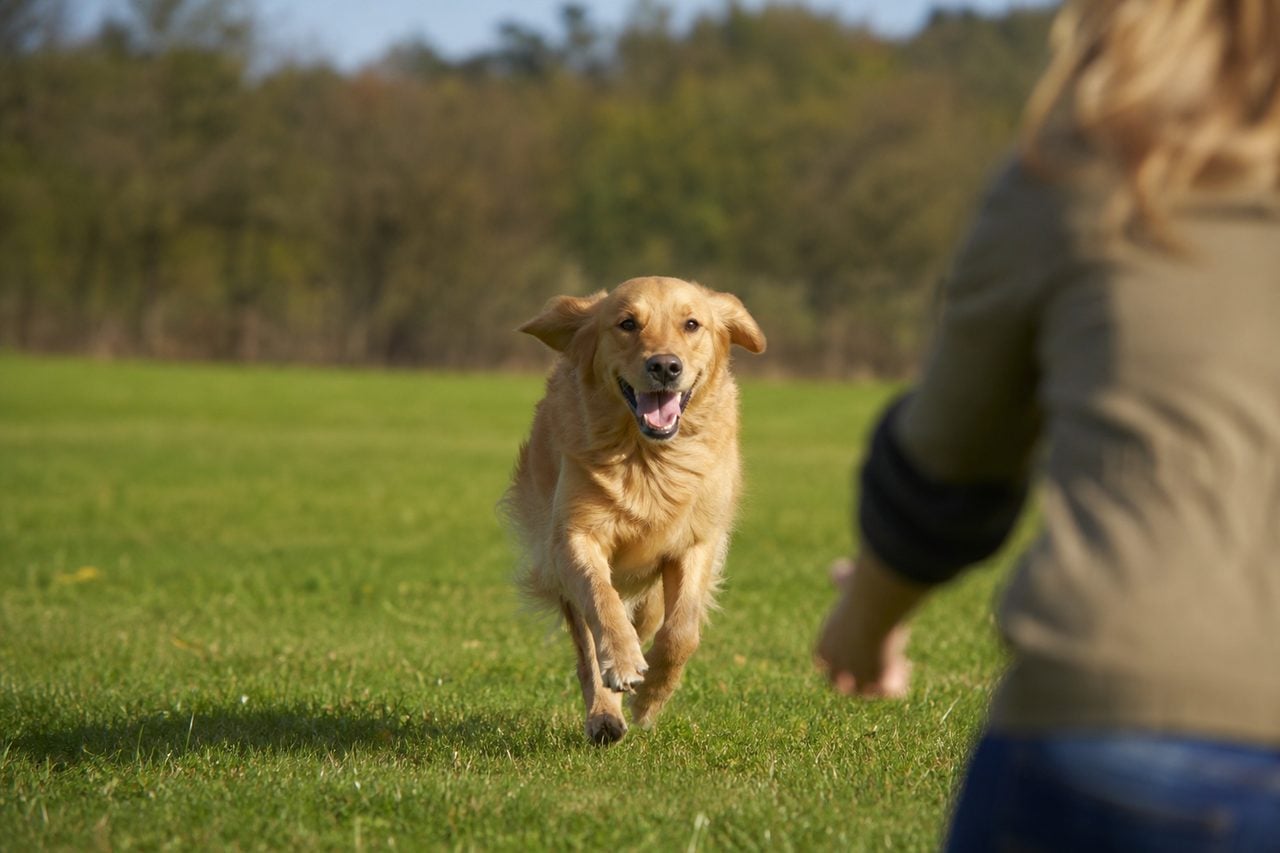
Protection dog training is one of the most specialized and frequently misunderstood corners of the dog world. For most families, the phrase conjures images that owe more to movies than reality. The legitimate discipline — whether pursued as a protection sport like IPO/Schutzhund or as genuine personal-protection work — is a demanding, structured pursuit built almost entirely on obedience, temperament, and control. The bite work that gets all the attention is a small, tightly managed piece resting on a very large foundation, and it’s the foundation, not the bite, that separates a sound working dog from a liability.
Around the Flint area, from the city and Grand Blanc south to the Fenton lake country and out into the rural townships of Genesee County, owners explore protection training for a range of reasons: interest in dog sport, a working-breed dog who needs a serious job, or a desire for a well-trained deterrent. Whatever the motivation, the responsible path is the same. It starts with realistic expectations, a stable and appropriate dog, and a genuinely qualified professional — and it never treats protection work as a substitute for security, common sense, or a guarantee of safety.
This guide explains what protection and sport training actually involve, how to evaluate credentials and temperament seriously, and how to pursue this responsibly. It is deliberately sober: this is a field where hype and bad information carry real consequences, for dogs and people alike.
Protection Sport vs. Personal Protection
It helps to distinguish the two main worlds people mean by ‘protection training,’ because they’re related but not identical. Protection sport — disciplines such as IPO (formerly Schutzhund), and related sports — is a structured competitive activity that tests a dog across three phases: tracking, obedience, and protection. The protection phase is highly rule-bound and performed on a decoy in a padded sleeve or suit under strict control, judged on precision, control, and the dog’s ability to engage and, crucially, to disengage on command. It’s best understood as a demanding dog sport, akin to advanced obedience with a specialized component, and it’s a wonderful outlet for stable working-breed dogs who thrive on training and structure.
Personal-protection training aims to produce a dog who will respond to a genuine threat to their handler or home. This is a serious undertaking with real ethical and legal weight, and it’s appropriate for far fewer dogs and owners than are drawn to it. A true personal-protection dog is first and foremost an exceptionally obedient, stable, well-socialized dog who happens to also be trained to respond under specific circumstances — not an aggressive or reactive dog. In fact, an aggressive, fearful, or poorly controlled dog is disqualifying; such a dog is dangerous, not protective.
Both paths share the same non-negotiable core: obedience and control come first, temperament is everything, and the trained response must always be under the handler’s command. Any program that inverts that order — that emphasizes biting over control, or aggression over stability — is not doing legitimate protection work.
Temperament and Foundation Come First
The single most important thing to understand about protection training is that it is not a way to make a dog tougher, meaner, or more aggressive. It’s the opposite. Legitimate protection and sport work require a dog with exceptional temperament: confident, stable, clear-headed under pressure, and highly responsive to their handler. The work builds on and channels that temperament — it cannot manufacture it, and it should never try to.
This is why any responsible program begins with a thorough temperament assessment, and why reputable trainers turn away dogs who aren’t suited. A dog with fear-based reactivity, unpredictable aggression, or poor nerves is not a candidate; putting protection training on top of an unstable temperament produces a genuinely dangerous animal. Nervousness and true confidence look different to an experienced eye, and part of a qualified trainer’s job is telling owners honestly when a dog isn’t right for this work — even when it’s not what the owner hoped to hear.
Before any protection-specific training, the dog needs a deep obedience foundation and extensive, ongoing socialization. Rock-solid obedience — reliable under distraction, with an ironclad ability to stop and disengage on command — is what makes the trained response safe rather than reckless. Broad socialization ensures the dog can distinguish normal life from a genuine situation and remain neutral and stable in everyday settings: around other dogs on a For-Mar trail, kids in a Grand Blanc neighborhood, or crowds at a Flint-area event. A protection dog who can’t be a calm, well-mannered member of the community in ordinary life has failed the most important test, regardless of what they can do in a training exercise.
This foundation phase is also where the timeline realities become clear. Protection and sport work is a long-term commitment measured in years, not weeks — many working dogs spend well over a year building obedience, engagement, and confidence before serious protection work advances, and titling in a sport is the product of sustained effort over multiple seasons. Owners drawn to a fast, dramatic transformation are usually looking in the wrong direction. The dogs who succeed are the ones whose handlers embraced the slow, methodical foundation and understood that the flashy end result is simply what deep obedience and stable temperament look like once they’re fully developed. There is no version of this that skips the groundwork and still produces a safe, controlled dog.
What Legitimate Training Actually Looks Like
Real protection and sport training is methodical, control-centered, and unglamorous — the opposite of what dramatized portrayals suggest. The overwhelming majority of the work is obedience, engagement, and control drills. When protection-specific work is introduced, it’s done in careful, progressive stages by experienced professionals, and it always emphasizes the dog’s ability to stop as much as — or more than — the ability to engage.
A trained decoy (sometimes called a helper or agitator) is central to legitimate work. This is a skilled role, not just someone in a padded sleeve; a good decoy reads the dog, builds confidence appropriately, and works safely to develop clear, controlled responses. The presence of a competent, experienced decoy is itself a marker of a serious program. Throughout, the trained response is conditioned to be conditional and controlled — the dog learns to respond to specific cues and situations and, just as importantly, to cease immediately on command. A dog who can’t be called off instantly is not trained; they’re a hazard.
It’s also worth understanding that in legitimate sport work, the relationship between the dog and the decoy is not one of genuine hostility. In IPO/Schutzhund and similar sports, the protection phase is a structured exercise the dog is confident and even enthusiastic about, performed within strict rules and always returning to control. A stable sport dog isn’t a frightened or enraged animal lashing out; they’re a confident dog performing a trained task and then calmly disengaging on cue. That distinction — confident and controlled versus fearful or out of control — is the line between legitimate work and something to avoid, and it’s visible to anyone who watches a good club train.
Equipment — sleeves, suits, long lines, and so on — supports this work, but tools don’t make a protection dog; foundation and control do. Be deeply skeptical of any program that fast-tracks bite work, that skips or shortchanges the obedience and temperament foundation, or that seems oriented toward producing an aggressive dog rather than a controlled one. Legitimate training is patient, prioritizes safety and control at every stage, and produces a dog who is stable and neutral in ordinary life and responsive only under the specific, trained circumstances — never an unpredictable one.
Evaluating Trainers and Credentials
Vetting is especially critical in protection training, because the stakes of getting it wrong are so high and because the field attracts its share of underqualified operators. Look for genuine, verifiable experience in the specific discipline you’re pursuing. For sport, that means real involvement and results in IPO/Schutzhund or the relevant sport, ideally through recognized clubs and organizations, with titles earned and a track record you can confirm. For personal protection, look for demonstrable, credentialed experience producing controlled, stable protection dogs — not vague claims.
Ask to observe training. Reputable trainers and clubs are generally open about their work, and watching a session tells you a great deal: Is the emphasis on control and obedience? Are the dogs stable and responsive, able to disengage cleanly on command? Is there a competent, experienced decoy? Do the trainers set realistic expectations and screen dogs honestly for temperament? A program that won’t let you observe, that emphasizes producing aggression, that promises to make any dog a protection dog, or that guarantees your safety, should be avoided.
Be wary of specific red flags: guarantees of protection or safety (no responsible trainer offers these — no dog is a guaranteed shield), a willingness to train aggressive or unstable dogs, a focus on bite work over foundation, and dismissiveness about the legal and ethical responsibilities of owning a trained protection dog. Credentials matter, but so does the philosophy behind them. The trainers worth working with treat this as a serious, safety-first discipline grounded in temperament and control, and they’ll be candid with you about what it does and doesn’t provide.
Responsibilities, Realities, and Legal Weight
Owning a trained protection dog carries responsibilities that go well beyond the training itself, and any honest discussion of this topic has to address them. A protection-trained dog requires ongoing, lifelong maintenance of obedience and control — these skills degrade without consistent upkeep, and a protection dog whose control has slipped is a serious liability. This isn’t a train-once-and-forget pursuit; it’s an ongoing commitment.
There are legal and liability dimensions as well. Owning a dog trained to respond to threats raises questions about liability that vary and can be significant, and it’s your responsibility to understand the laws and obligations that apply where you live in Genesee County and Michigan more broadly. This guide can’t offer legal advice, and anyone serious about a personal-protection dog should seek qualified counsel on the liability they’re taking on. A responsible trainer will raise these issues with you rather than gloss over them.
Households with children or frequent visitors deserve particular thought. A genuinely stable, well-trained protection or sport dog can absolutely be a wonderful family dog — in fact, sound temperament and thorough socialization are exactly what make that possible. But the responsibility to manage the dog appropriately, to maintain their obedience, and to ensure everyone in the home understands the dog is real and ongoing. This is not a decision to enter casually or for image; it’s a serious, lifelong undertaking that should be driven by genuine interest in the work and a suitable dog, not by a desire for a status symbol.
Just as important is a clear-eyed view of what a protection dog is and isn’t. A trained dog is not a guarantee of safety, not a replacement for sensible security practices, and not a substitute for good judgment. Responsible ownership treats a protection dog as one carefully managed element within a broader approach to safety — never as a magic solution. And it never loses sight of the animal’s welfare: the best protection and sport dogs are stable, fulfilled dogs whose work is a positive outlet, well-integrated into family and community life, not tools kept on edge. If a program or philosophy treats the dog as a weapon rather than a well-trained companion with a specialized skill, that’s a sign to walk away.
Getting Started Responsibly Around Flint
If you’re drawn to protection work, the responsible first steps are the same regardless of which path you have in mind. Start by being honest about your goals and your dog. Are you interested in a structured, rewarding sport for a stable working-breed dog who needs a job? IPO/Schutzhund and related sports are excellent, well-established outlets, often organized through clubs, and a great way to build an extraordinary bond and level of control. Are you considering a genuine personal-protection dog? Then approach it soberly, with realistic expectations, a suitable dog, professional guidance, and a full understanding of the responsibilities involved.
In either case, build the foundation first. Excellent obedience and thorough socialization are prerequisites, and they’re valuable in their own right — a well-socialized, highly obedient dog is a joy to live with whether or not you ever pursue protection work. Strong general obedience trainers across the Flint area, from Flushing and Swartz Creek in the west to Davison and Burton in the east, can help you build that groundwork. From there, seek out professionals or clubs with genuine, verifiable experience in the specific protection discipline you’re interested in, and take the time to observe their work and ask hard questions before committing.
The directory below lists trainers serving Flint and the surrounding Genesee County communities. Some may specialize in protection sport or advanced work; others focus on the foundational obedience and temperament work that any protection path depends on. Use the framework in this guide — temperament first, control always, credentials verified, expectations realistic — to evaluate your options, and treat this as the serious, safety-centered pursuit it genuinely is.
Protection & K9 Training in Flint: Local Options & Nearest Specialists
Local Flint-area options for protection & k9 training:
- Red Lantern Dog Training, LLC — 5.0★ (59 reviews)
- Gluten Detected Service Dog Training — 5.0★ (4 reviews)
Nearest protection & k9 training specialists — Detroit
For complex cases, some families travel to the larger pool of specialists in the Detroit area for additional protection programs and bite-sport clubs. Top-reviewed options:
- Mid-Michigan K9 Academy – Troy — 5.0★ (15 reviews)
- Meraki K9 — 5.0★ (6 reviews)
- Metro K9 Detroit LLC — 5.0★ (6 reviews)
- DownRiver K9 Training LLC — 4.6★ (9 reviews)
- K9 Academy Training Facility — 4.5★ (74 reviews)
See all Detroit protection & k9 training trainers →
Frequently Asked Questions
Will protection training make my dog aggressive or dangerous?
No — legitimate protection training does the opposite of creating aggression. It requires and builds on a stable, confident, highly obedient temperament, and the trained response is always conditional and under the handler’s command. A properly trained protection or sport dog is neutral and well-mannered in ordinary life and responds only under specific trained circumstances. Any program that produces aggression, reactivity, or a dog who can’t be called off instantly is doing something dangerous, not legitimate protection work.
What's the difference between Schutzhund/IPO and personal-protection training?
IPO/Schutzhund is a structured competitive dog sport that tests tracking, obedience, and a rule-bound protection phase performed under strict control on a trained decoy — essentially advanced obedience with a specialized component, and a great outlet for stable working-breed dogs. Personal-protection training aims to produce a dog who responds to a genuine threat, which carries serious ethical and legal weight and suits far fewer dogs and owners. Both share the same core: obedience and control first, temperament above all, and a trained response that’s always under command.
Can any dog be trained for protection work?
No, and a reputable trainer will screen honestly for this. Legitimate protection and sport work requires exceptional temperament — confidence, stability, clear nerves under pressure, and strong handler responsiveness. Dogs with fear-based reactivity, unpredictable aggression, or poor nerves are not candidates; adding protection training to an unstable temperament produces a genuinely dangerous animal. A qualified professional will tell you honestly if your dog isn’t suited, even when that’s not what you hoped to hear.
How do I evaluate a protection dog trainer near Flint?
Look for genuine, verifiable experience in the specific discipline — for sport, real involvement and titles through recognized clubs and organizations; for personal protection, demonstrable, credentialed experience producing controlled, stable dogs. Ask to observe a session and check that the emphasis is on control and obedience, that dogs disengage cleanly on command, and that a competent decoy is involved. Avoid anyone who guarantees safety, will train aggressive or unstable dogs, fast-tracks bite work, or dismisses the legal and ethical responsibilities involved.
Does a protection dog guarantee my safety?
No responsible trainer offers that guarantee, and you should distrust anyone who does. A trained dog is not a guarantee of safety, not a replacement for sensible security practices, and not a substitute for good judgment. Responsible ownership treats a protection dog as one carefully managed element within a broader approach to safety, never as a magic solution. The skills also require ongoing lifelong maintenance, and there are real legal and liability responsibilities that come with owning a trained protection dog.
Where should I start if I'm interested but new to this?
Start with the foundation: excellent obedience and thorough socialization, which are prerequisites for any protection path and hugely valuable in their own right. Strong general obedience trainers across the Flint area can help you build that groundwork. From there, decide honestly whether you’re drawn to a structured sport like IPO/Schutzhund for a stable working-breed dog, or a genuine personal-protection dog with all the responsibilities that entails, and seek out professionals or clubs with verifiable experience in that specific discipline. Observe their work and ask hard questions before committing.
Related: read our complete protection & k9 training guide or the full Flint dog training overview.
Ready to find the right protection & k9 training pro in Flint?