
Protection & K9 Training in Muskegon, MI
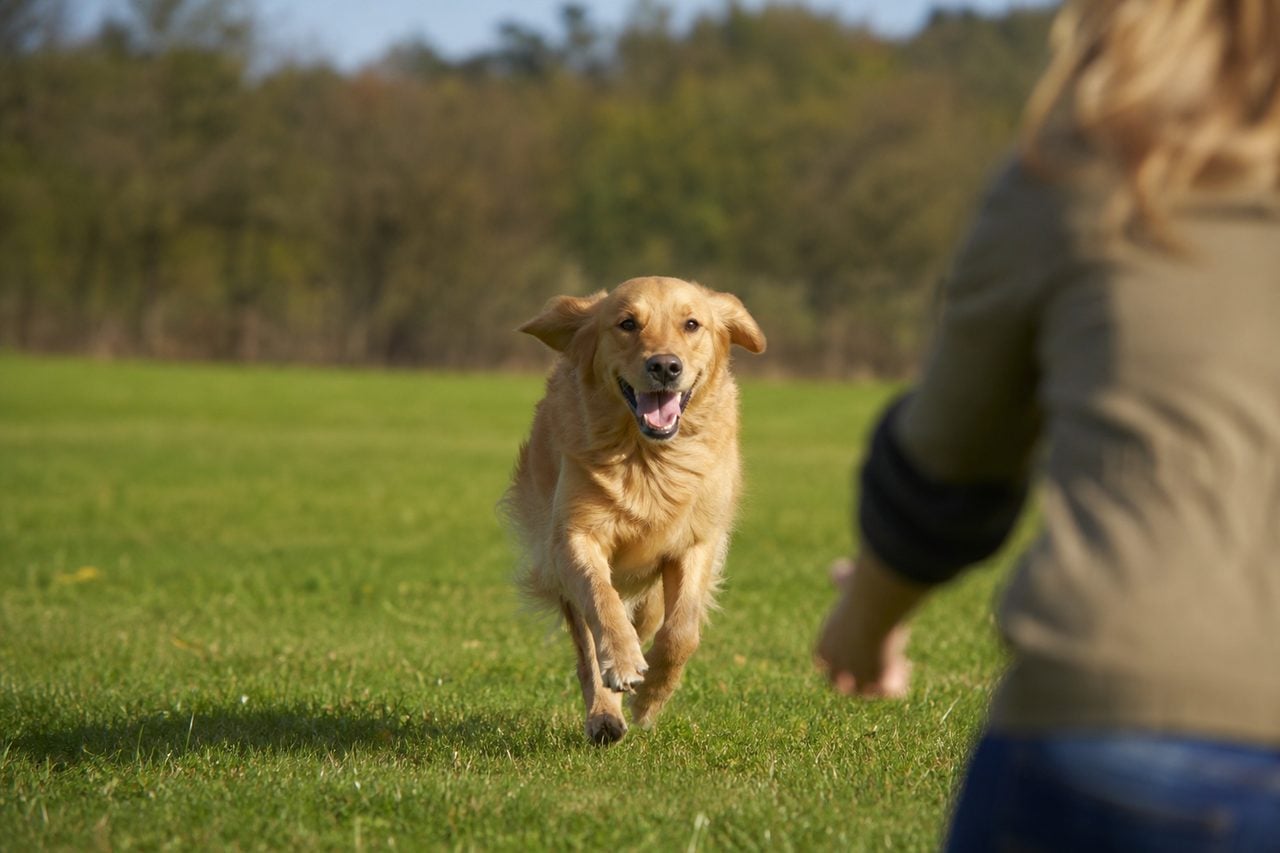
Protection and K9 training covers a specific, specialized corner of the dog world: structured programs that develop a dog’s ability to respond to threats on cue, alongside the deep obedience and stable temperament that make such training safe and legitimate. Around Muskegon and the northern Ottawa County lakeshore, some families and handlers look into this discipline — often through protection sports such as IPO/Schutzhund — and it is worth approaching with clear eyes about what it actually involves.
- What protection and K9 training involves
- Sport versus other applications
- Temperament and foundation come first
- Finding qualified, reputable trainers
- Protection training on the Muskegon lakeshore
- What a responsible program looks like day to day
- Responsibilities, expectations, and safety
- Reviewed trainers
- FAQ
Done responsibly, protection training is far less about biting and far more about control, temperament, and foundation. The dogs that do this work well are not aggressive; they are exceptionally well-trained, confident, and under complete handler control, capable of switching on and off with precision. Any program that emphasizes aggression over obedience, or promises a guaranteed guardian without months of foundational work, is a warning sign rather than a shortcut.
This guide explains what protection and K9 training involves, the difference between sport and other applications, why temperament and obedience come first, and how to evaluate credentials and programs responsibly on the Muskegon lakeshore. It does not glamorize bite work, and it makes no safety guarantees — because responsible trainers do not either.
What protection and K9 training involves
Protection training is a structured discipline in which a dog learns to respond to specific cues in defined ways, always under handler control. The public image — a dog engaging on command — is a small, tightly controlled component that sits on top of an enormous foundation of obedience, temperament development, and self-control. In legitimate programs, the emphasis is overwhelmingly on control: a protection-trained dog must respond instantly to the handler, disengage on command, and remain neutral and stable in ordinary life.
The field spans several applications. Protection sports such as IPO/Schutzhund (now often called IGP) are the most common entry point for civilians and are best understood as a competitive discipline testing three elements together: tracking, obedience, and protection, all scored under strict rules. Professional working-dog training — for law enforcement or the military — is a separate, highly specialized field with its own standards and is not something a family pursues casually. Personal protection training exists as well, but it demands the most careful, responsible handling and the strongest emphasis on control and temperament.
Across all of these, the common thread is that the protection element is meaningless — and unsafe — without the obedience and temperament underneath it. A dog that cannot be reliably called off, or that is genuinely aggressive rather than trained, is a liability, not an asset. This is why reputable trainers spend far more time on foundation than on the dramatic parts, and why the discipline should be understood as an advanced extension of obedience rather than a way to make a dog dangerous.
Sport versus other applications
It helps to distinguish clearly between the different reasons people pursue protection training, because they involve very different commitments, standards, and considerations. Blurring them is where a lot of confusion — and poor decision-making — comes from.
Protection sport (IPO/Schutzhund/IGP) is a structured, rules-based competitive discipline. It tests tracking, obedience, and protection phases together and rewards precision, control, and temperament. For most enthusiasts, sport is the appropriate and rewarding path: it channels a suitable dog’s drives into a demanding hobby with clear standards, a community, and an emphasis on control. The bite work in sport is highly stylized and governed by strict rules; it is a test of training and nerve, not a rehearsal for real-world conflict.
Working-dog roles for law enforcement and the military are professional applications with their own selection, standards, and handlers. These are not consumer services, and a responsible discussion keeps them distinct from what a family or hobbyist pursues.
Personal protection sits in the most sensitive category. It requires the most rigorous emphasis on control, the strongest temperament, and the most experienced, credentialed trainers, and it carries real responsibility for the handler. Anyone considering it should think carefully about whether it genuinely fits their situation, and should be especially skeptical of programs that market it aggressively or promise fast results. For the great majority of people drawn to the discipline, sport offers the engagement and structure they are actually looking for, without the liabilities of a personal-protection dog in a family home.
Temperament and foundation come first
The single most important idea in responsible protection training is that temperament and foundation always come first — and not every dog is a candidate. The right dog for this work is confident, stable, and clear-headed, with the ability to work under pressure and then settle calmly. A dog that is fearful, genuinely aggressive, or unstable is not a good candidate, because protection training does not fix temperament problems; it can make them worse and more dangerous.
This is why reputable programs begin with a careful evaluation of the dog and invest heavily in foundation before any protection-specific work. Obedience must be excellent and reliable under distraction. The dog must have solid social skills and neutrality, so it is calm and appropriate in everyday settings and only responds to trained cues. Impulse control, the ability to disengage on command, and a stable off switch are all prerequisites, not afterthoughts. A trainer who wants to jump into bite work without establishing this foundation is not doing the discipline responsibly.
Temperament testing and honest assessment matter enormously. A responsible trainer will tell an owner when a dog is not suited to protection work, and will steer them toward more appropriate outlets rather than pushing ahead. Age and maturity factor in as well; foundational obedience and confidence-building come long before any advanced work, and rushing a young or unready dog undermines both safety and results. If you take one thing from this section, let it be that the goal is a supremely controlled, stable dog — the protection element is only ever safe as the top layer on that foundation.
Finding qualified, reputable trainers
Protection and K9 training is a specialty, and doing it badly is genuinely dangerous, so credentials and reputation matter more here than in almost any other kind of dog training. Look for trainers with verifiable experience in the specific discipline you are interested in — sport titles and involvement in recognized organizations for IPO/Schutzhund/IGP, for example, or documented professional working-dog backgrounds. Membership in established clubs and a track record you can actually verify are meaningful signals.
Just as important is how a trainer talks about the work. Responsible professionals emphasize control, obedience, and temperament, are candid about which dogs are and are not suited, and set realistic expectations. Be cautious of anyone who emphasizes aggression, glamorizes bite work, promises a finished protection dog quickly, or guarantees that a dog will protect in a real situation — no ethical trainer makes that guarantee, because real-world behavior cannot be promised. Reluctance to explain methods, or pressure to skip foundation and rush to the dramatic parts, are clear warning signs.
Ask concrete questions before committing:
- What is your background and experience in this specific discipline, and can it be verified?
- How do you evaluate whether a dog is suited to protection work?
- How much of the program is foundation and obedience versus protection-specific work?
- How do you ensure the dog reliably disengages and stays under control?
- What do you consider realistic outcomes, and what will you not promise?
Good answers are detailed, control-focused, and honest about limits. If a trainer cannot or will not answer these clearly, keep looking — the stakes are too high for guesswork.
Protection training on the Muskegon lakeshore
Specialized protection and K9 training is a niche discipline, and the number of programs is naturally smaller than for everyday obedience or puppy classes. Around the Muskegon lakeshore — from the Lakeshore Core out through Whitehall and Montague, the inland townships toward Twin Lake and Nunica, and down into the Grand Haven, Spring Lake, and Ferrysburg area — interested handlers may find a modest set of options, and some choose to travel within the wider region to reach a trainer or club whose credentials and discipline focus match their goals. That is normal for a specialty; it is better to travel for a qualified, reputable trainer than to settle for a nearby program that cuts corners on foundation or temperament.
For sport enthusiasts specifically, clubs and training groups are the heart of the discipline, offering the structure, standards, and community that make IPO/Schutzhund/IGP rewarding. If sport is your interest, seeking out a recognized club — even one a drive away — is often the most productive path, because the discipline is built around organized training and titling rather than one-off lessons.
Whatever your goal, let the local reality shape a patient plan. Foundation obedience — which any qualified trainer around the lakeshore can help build — is the right first step regardless of whether you ultimately pursue sport or another application, and it is worth doing well before seeking out specialized protection work. Building that base close to home, then connecting with the right specialty program or club, is a sensible sequence that keeps the emphasis where it belongs: on control, obedience, and temperament first.
What a responsible program looks like day to day
It helps to picture how a legitimate protection or sport program actually unfolds, because the reality is far less dramatic than the reputation. Early on, the great majority of the work is ordinary-looking: obedience under increasing distraction, focus and engagement exercises, confidence-building on different surfaces and in new environments, and long stretches of teaching the dog to settle calmly. A newcomer expecting bite work in the first weeks is usually surprised by how much patient foundation comes first — and that is exactly the point.
As a suitable dog matures and its obedience becomes genuinely reliable, protection-specific work is introduced gradually and always in a controlled, structured way. In sport, this happens under strict rules with defined equipment and defined exercises, and the emphasis at every stage is on the dog’s control, clarity, and ability to disengage cleanly on command. A recurring theme in good programs is the off switch: the dog must be able to go from working to calm instantly, and trainers test and reinforce that constantly rather than treating it as an afterthought.
Equally telling is what a responsible program does outside the training field. Handlers are coached on how the dog should behave in everyday life — neutral around strangers, calm in the home, appropriate on a walk near the beach or through a quiet neighborhood. A protection or sport dog is not a dog that is switched on all the time; it is a stable, well-socialized companion that happens to have advanced, precisely controlled training layered on top. If a program seems to produce dogs that are edgy or reactive in normal settings, that is a sign the foundation and temperament work are being neglected, however impressive the field work looks.
Progress in this discipline is measured in months and years, not weeks. That slow, deliberate pace is a feature, not a shortcoming — it is what keeps the work safe, and it is one of the clearest ways to tell a serious program from one that is cutting corners.
Responsibilities, expectations, and safety
Anyone pursuing protection training takes on real responsibilities, and honest expectations are part of doing it right. A protection or sport dog lives in the world — on lakeshore trails, at home with family, around other people and dogs — and its everyday behavior must be stable and appropriate. The training is only legitimate if the dog remains fully under control at all times and is genuinely neutral in ordinary life. This is a long-term commitment to ongoing training and management, not a one-time course that produces a finished result.
Handlers must also think seriously about the practical and legal responsibilities of owning a trained dog, including liability, insurance considerations, and the duty to prevent any incident. These are personal responsibilities to research and address for your own situation; the point here is simply that they are real and should factor into the decision. A well-trained dog under complete control is safe; a poorly trained or improperly handled one is a serious risk to others and to the handler.
It is also important to be clear-eyed about what protection training does and does not provide. No trainer can guarantee that a dog will behave a certain way in a real emergency, and no responsible program will make that promise. The genuine value of the discipline — especially sport — lies in the extraordinary obedience, confidence, focus, and bond it builds through demanding, structured work. Approached that way, with control and temperament at the center and credentials verified carefully, protection and K9 training can be a rewarding pursuit for the right dog and the right handler. Approached as a shortcut to a dangerous dog, it is neither safe nor legitimate — and the responsible path is always the former.
Reviewed Protection & K9 Training Trainers in Muskegon
These reviewed Muskegon-area trainers from our directory handle protection & k9 training. Each links to a full profile with specialties, certified credentials, reviews, and contact info:
- Castillo’s K9 – Dog Training — 5.0★ (231 reviews)
- Working Dog Training Company — 5.0★ (31 reviews)
- Lakeshore K9 Training — 4.9★ (70 reviews)
See all Muskegon protection & k9 training trainers →
Frequently Asked Questions
Is a protection-trained dog aggressive or dangerous?
No — a properly protection-trained dog is not aggressive; it is exceptionally well-trained, confident, and under complete handler control. In legitimate programs the emphasis is overwhelmingly on obedience, temperament, and the ability to switch on and off precisely, with the protection element sitting as a controlled top layer on a large foundation. A dog that is genuinely aggressive or cannot be reliably called off is a liability, not a success. Any program that emphasizes aggression over control is a warning sign, not a benefit.
What is the difference between IPO/Schutzhund and personal protection?
IPO/Schutzhund (now often called IGP) is a structured, rules-based competitive sport that tests tracking, obedience, and protection phases together, rewarding precision, control, and temperament; its bite work is highly stylized and governed by strict rules. Personal protection is a separate, far more sensitive category that demands the strongest emphasis on control, the most stable temperament, and the most experienced, credentialed trainers. For most enthusiasts, sport offers the structure and engagement they are actually looking for without the liabilities of a personal-protection dog in a family home.
Can any dog be trained for protection work?
No. The right candidate is confident, stable, and clear-headed, able to work under pressure and then settle calmly. Fearful, genuinely aggressive, or unstable dogs are not suitable, because protection training does not fix temperament problems and can make them worse. Reputable programs begin with a careful evaluation and will honestly tell an owner when a dog is not suited, steering them toward more appropriate outlets. Excellent obedience, social neutrality, impulse control, and a reliable off switch are prerequisites, not afterthoughts.
How do I find a reputable protection trainer near Muskegon?
Look for verifiable experience in the specific discipline — sport titles and involvement in recognized IPO/Schutzhund/IGP organizations, or documented professional working-dog backgrounds — and for a trainer who emphasizes control, obedience, and temperament while being candid about which dogs are suited. Because this is a niche specialty around the lakeshore, be prepared to travel within the wider region for the right credentials rather than settling for a program that rushes foundation. Ask how much of the program is foundation versus protection work, and how they ensure reliable disengagement.
Will protection training guarantee my dog protects me in an emergency?
No, and no ethical trainer will promise that. Real-world behavior in an emergency cannot be guaranteed, and anyone who claims otherwise is a warning sign. The genuine value of the discipline — especially sport — is the extraordinary obedience, confidence, focus, and handler bond it builds through demanding, structured work. Approach it for those benefits, with control and temperament at the center, rather than as a way to obtain a guaranteed guardian. Honest programs set realistic expectations and describe what they will not promise.
What responsibilities come with owning a protection-trained dog?
It is a long-term commitment to ongoing training and management, not a one-time course. The dog must remain fully under control and genuinely neutral in everyday life — at home, on lakeshore trails, and around other people and dogs. Handlers should also research the practical and legal responsibilities for their own situation, including liability and insurance considerations and the duty to prevent any incident. A well-trained dog under complete control is safe; a poorly trained or improperly handled one is a serious risk, which is why foundation and control come first.
Related: read our complete protection & k9 training guide or the full Muskegon dog training overview.
Ready to find the right protection & k9 training pro in Muskegon?