
Dog Boot Camp in Port Huron, MI
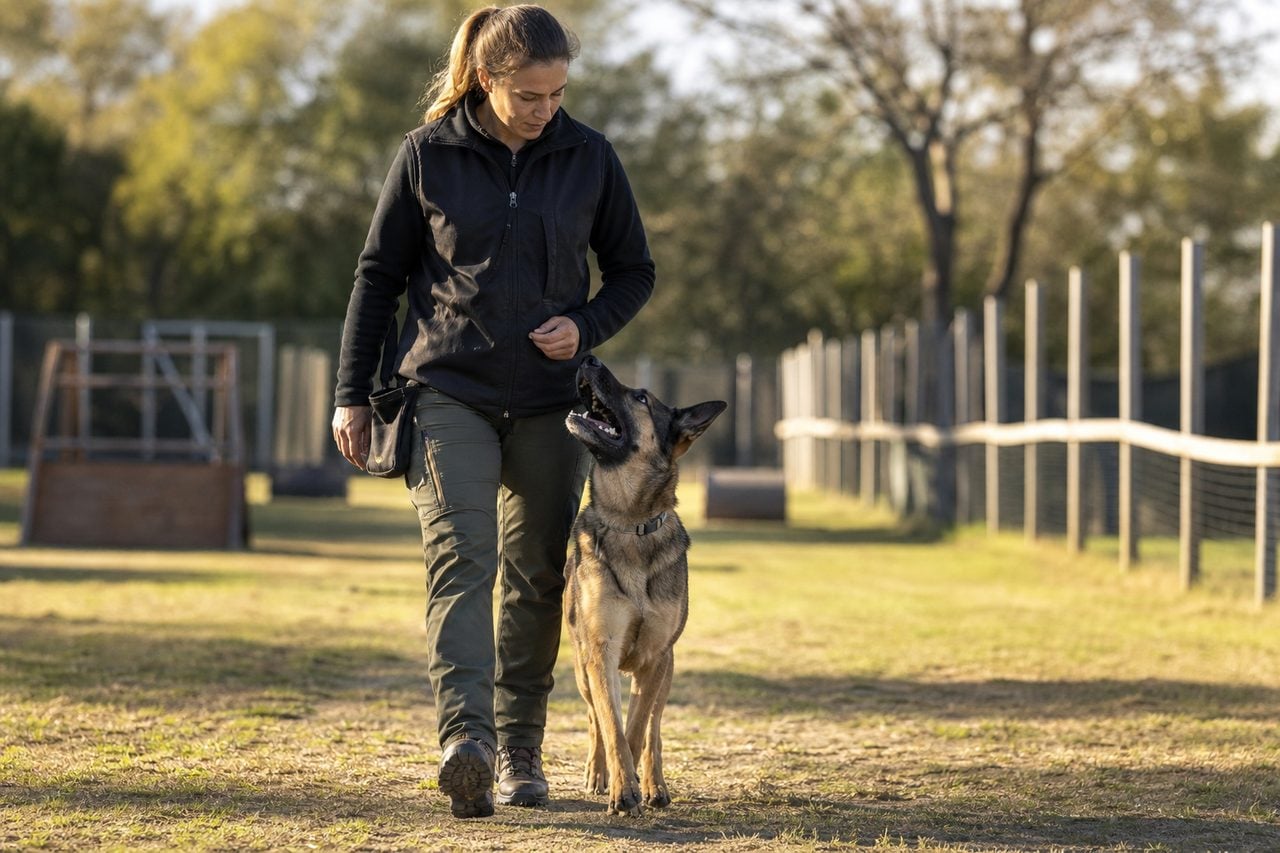
Dog boot camp is a marketing term more than a technical one, but it usually points to the same idea: an intensive, structured obedience program designed to build reliable behavior in a compressed timeframe. Some boot camps are residential, where the dog stays with the trainer; others are day-program style, where the dog attends intensive daytime sessions and goes home each night. Either way, the promise is speed and structure, an accelerated path from an unruly or untrained dog to one that reliably listens.
For owners in the Blue Water Area, from Port Huron and the river towns down to Marine City and Algonac and up the Thumb shore to Lexington and Croswell, the format has obvious appeal. Winters are long, summers are busy with lake and river traffic, and a dog that pulls, bolts, or ignores commands is a real problem in both seasons. An intensive program that gets a dog’s foundation solid quickly can feel like the practical answer for a household that does not have the bandwidth for months of weekly classes.
This article explains what to realistically expect from a dog boot camp, how the intensive format differs from ordinary classes, how to tell a serious program from a gimmick, and how to make the results stick once the intensive phase ends. It avoids hype in favor of a grounded look at when the format helps and when a slower approach serves a dog better.
What 'Boot Camp' Means in Dog Training
Unlike terms with technical definitions, boot camp is a name trainers use to signal intensity. In practice it usually means one of two structures. The first is a residential intensive, essentially a board-and-train marketed around speed and rigor, where the dog lives with the trainer for a set period. The second is a day-training intensive, where the dog attends focused sessions during the day, several days a week, and returns home in the evenings. There are also hybrid models and multi-week group intensives.
What unites them is frequency. A traditional group obedience class might meet once a week for an hour over six or eight weeks, with the owner responsible for practice in between. A boot camp front-loads the work: many sessions in a short window, often run by the trainer rather than the owner. That concentration is the whole point, and it is genuinely effective at building foundational obedience quickly, because dogs learn through frequent, consistent repetition.
It is worth being clear about what boot camp is not. It is not a magic personality change, and it is not a substitute for the owner’s ongoing role. The intensive builds a foundation. Whether that foundation holds depends on what the household does with it afterward, which is a theme this article returns to repeatedly because it is where most disappointment comes from.
The Intensive Model Versus Weekly Classes
Both intensive programs and weekly group classes have their place, and choosing between them is less about which is better and more about which fits the dog, the goal, and the household. The intensive model concentrates professional work into a short period, which suits owners who want fast results, who struggle to practice consistently on their own, or who are dealing with behavior that is disruptive enough that a slow approach is painful to live with in the meantime.
Weekly classes have their own strengths. They spread learning over time, which can suit dogs that need slower exposure, and they keep the owner in the training seat throughout, which builds the owner’s handling skill alongside the dog’s obedience. Group classes also provide controlled socialization and real distractions in the form of other dogs and people, which is valuable proofing. The tradeoff is that they demand steady owner follow-through between sessions, and results come more gradually.
A reasonable way to think about it: an intensive is good at building a foundation fast, while ongoing classes or regular practice are good at maintaining and generalizing it. Many dogs do best with a combination, an intensive to establish the basics followed by continued practice and perhaps a group class to proof the skills in a busy environment. The formats are not rivals so much as different phases.
Which Dogs and Owners Are Good Candidates
An intensive suits some situations clearly. A dog with no obedience foundation that pulls hard, ignores recall, and has poor impulse control is a strong candidate, because the problems are about missing structure rather than deep emotional issues. An adolescent dog testing boundaries, a newly adopted adult with unknown training history, or a household that has fallen into inconsistent habits can all benefit from a concentrated reset.
Owner readiness matters as much as the dog. The best candidates are owners who genuinely intend to maintain the training: to run daily practice, hold consistent standards, and continue proofing the dog in real life. The intensive does the heavy early lifting, but the household inherits the maintenance, and an owner who is not prepared for that will likely watch the results erode.
Some situations call for caution. Puppies in their key socialization window are usually better served by careful, positive exposure at home and in gentle settings than by a rigid intensive. Dogs with real fear, anxiety, or aggression need a different approach, often a behaviorist rather than an obedience boot camp, because pushing intensity onto a fearful dog can make things worse. And any dog with a sudden behavior change deserves a veterinary check first, since pain and medical issues frequently masquerade as training problems. Matching the format to the dog is the difference between a program that helps and one that backfires.
What a Quality Program Covers
A solid obedience intensive builds a predictable set of foundational skills to a high standard. Reliable core commands come first: sit, down, stay or place, and a dependable recall, ideally proofed against distractions rather than only performed in a quiet room. Loose-leash walking is usually central, because leash pulling is one of the most common complaints and one of the most life-improving skills to fix, whether the walk is a quiet street in Yale or a crowded riverfront path in downtown Port Huron.
Impulse control is the deeper theme underneath the commands. A well-run program teaches the dog to wait at thresholds, to leave food or objects on cue, to settle calmly rather than pester, and to default to self-control instead of reacting. These are the skills that make a dog genuinely easier to live with, more than any single trick.
Manners and real-world application round it out: polite greetings, not bolting through doors, settling while the family eats, and behaving in the environments the dog will actually encounter. The best programs deliberately proof skills in progressively harder settings, because a dog that obeys in the trainer’s quiet yard but falls apart on a busy summer sidewalk has not really learned the skill yet, only performed it. Ask any program how they build in distraction and generalization, because that is where obedience becomes reliable.
Local Factors in the Blue Water Area
Training in and around Port Huron comes with local texture worth planning around. The region swings between quiet and chaotic by season. Summer brings beachgoers to Lake Huron, boat and foot traffic along the St. Clair River, and festival crowds downtown, all of which are exactly the high-distraction conditions that test a newly trained dog. Many owners time an intensive for spring so the dog is solid before the busy season arrives. Winter brings ice, snow, and short daylight along the lake, which changes how and when a dog gets exercised and proofed outdoors.
Distance and layout matter too, especially for day-program intensives where the dog attends and comes home. A family in Croswell or Capac considering a daily-attendance boot camp needs to weigh the drive, whereas a residential intensive turns that into a one-time trip. Trainers who know the area will build the local environment into the plan, proofing recall and settle around the kinds of distractions the dog will meet here.
On supply, the honest picture is that intensive obedience programs exist in St. Clair County but the selection is narrower than in a large metro, and some of the best local options are small, individualized operations. Owners who want more choices, a particular training philosophy, or a specific specialty sometimes look to the Detroit area about an hour south by I-94 or I-69, where the pool of intensive programs is larger. Traveling for the right fit is reasonable, particularly for a multi-week residential commitment where the match matters more than the mileage.
Red Flags and How to Choose Responsibly
Because boot camp trades on the promise of speed, it attracts both serious professionals and marketers making claims they cannot back up. A few red flags help sort them out. Be skeptical of guaranteed results, since no honest trainer can guarantee how a living animal will respond. Be wary of anyone who will not explain their methods in plain language, will not let you see where residential dogs are housed, or dismisses your questions. Vague contracts, no discussion of follow-up support, and pressure to sign quickly are all warning signs.
The positive indicators mirror those flags. A good program can describe exactly how it teaches a behavior and what it does when the dog errs, will show you the facility and the daily routine, and treats the owner handoff as a core part of the service rather than an afterthought. Ask what equipment they use and why, whether you will use the same tools at home, and how they proof skills against distraction. Ask for local references and contact them. Certifications from recognized professional bodies and ongoing education are useful signals in a loosely regulated field, though they are not the whole story.
Above all, ask what happens after the intensive ends. The programs worth choosing build in owner training, written or video materials, and some form of follow-up, because they understand that the intensive is a beginning. A program that hands the dog back with no plan for maintaining the training is selling the exciting part and skipping the part that actually determines success.
It is also fair to ask a prospective program about the dogs it has not been able to help, and why. A trainer who claims a perfect record with every dog is either exaggerating or not being selective about which cases they take. An honest professional will acknowledge that some dogs need a different approach, that fear-based cases in particular are not obedience problems, and that they refer such dogs to more appropriate help. That candor is a stronger recommendation than any guarantee, because it shows the trainer understands the limits of the format and is not willing to force a dog into a program that does not fit. The goal is not to find someone who promises everything, but someone who is clear and realistic about what an obedience intensive can and cannot do.
Making the Results Last After the Intensive
The intensive phase gets the attention, but the weeks after it decide whether the investment pays off. The core principle is simple: keep working the dog. Short, frequent practice sessions, run daily, hold the training in place far better than occasional long ones. Use the same cues, hand signals, and standards the trainer used, so the dog is not being asked to relearn under a new system.
Generalization is the ongoing job. Skills learned in one setting need to be practiced across many, gradually adding difficulty. Start in quiet places and build toward the real tests: the driveway, a calm street, then a busier sidewalk, then the genuine chaos of a summer festival or a family gathering. A recall that works in the backyard is not finished until it works with a beach full of distractions, and getting there takes deliberate, staged practice.
Consistency across the household is the quiet make-or-break factor. If one family member enforces the rules and another lets the dog break them, the dog learns that the rules are negotiable, and reliability collapses. Everyone who handles the dog should use the same cues and hold the same line. Where a program offers follow-up sessions, use them, and do not hesitate to call the trainer with questions in the first weeks. The households that treat the post-camp period as active training, not a graduation, are the ones whose dogs still listen a year later.
A simple weekly rhythm helps this stick. Set aside a few minutes each day for focused practice, rotate through the core skills so none gets neglected, and once a week deliberately raise the difficulty by practicing somewhere busier than usual. Keep a short log of what the dog handled well and where it struggled, so patterns become visible and the next session targets the weak spots. Reward generously for correct responses, since a dog that finds obedience rewarding offers it willingly rather than grudgingly. None of this is complicated, but consistency over weeks is what converts an intensive’s fast start into a genuinely reliable adult dog, and it costs far less effort than trying to rebuild the training after it has been allowed to slide.
Dog Boot Camp in Port Huron: Local Options & Nearest Specialists
A few Port Huron-area trainers can help with milder dog boot camp needs:
- Recon K9 — 5.0★ (8 reviews)
- Cool Spring Farm Kennel, LLC — 4.9★ (67 reviews)
Nearest dog boot camp specialists — Detroit
For complex cases, some families travel to the larger pool of specialists in the Detroit area for an assessment or a board-and-train stay. Top-reviewed options:
- From The Heart Dog Training — 5.0★ (82 reviews)
- Smart Dog Obedience — 5.0★ (54 reviews)
- My Sidekick Dog Training — 5.0★ (50 reviews)
- K9 AdvantEDGE Dog Training — 5.0★ (40 reviews)
- Connected Canine Academy — 5.0★ (16 reviews)
- Iron Clad K9 Training — 5.0★ (13 reviews)
- Tip Top K9 Sterling Heights Dog Training — 5.0★ (7 reviews)
- Sit Means Sit Dog Training Detroit — 4.9★ (688 reviews)
See all Detroit dog boot camp trainers →
Frequently Asked Questions
How is a dog boot camp different from regular obedience classes?
The main difference is intensity and who does the work. A boot camp concentrates many training sessions into a short window, often run by the trainer, to build a foundation fast. Regular group classes spread learning over weeks, keep the owner in the training seat throughout, and provide controlled socialization with other dogs. Neither is universally better; intensives are good at building a foundation quickly, while ongoing classes and regular practice are good at maintaining and generalizing it. Many dogs do best with an intensive followed by continued practice.
How quickly will I see results from a boot camp?
Foundational obedience can improve noticeably within an intensive because dogs learn through frequent, consistent repetition. That said, speed applies to building skills in the training environment, not to guaranteeing they hold up everywhere immediately. Reliability in real, distracting settings comes from proofing and ongoing practice after the intensive. Treat the fast early progress as a strong start rather than a finished result, and expect to keep working the dog to make that progress durable at home and in busy public places.
Is a boot camp appropriate for a puppy?
Usually a rigid intensive is not the right tool during a puppy’s key socialization window. Those early weeks are about careful, positive exposure to the world, and the owner should be part of that process. A gentle, reward-based approach at home and in low-pressure settings tends to serve puppies better than an intense obedience program. Foundational manners can absolutely be taught young, but the emphasis for a puppy should be positive socialization and confidence-building, with more structured intensive work considered later if it fits the dog.
What should I look for to avoid a low-quality program?
Watch for red flags: guaranteed results, refusal to explain methods in plain language, unwillingness to show you where residential dogs are housed, vague contracts, no follow-up support, and pressure to sign fast. Good programs do the opposite. They explain how they teach and how they handle mistakes, let you see the facility and routine, build in owner training and follow-up, and can describe how they proof skills against distraction. Ask for local references and contact them, and ask specifically what happens after the intensive ends.
Are there intensive obedience programs near Port Huron?
Yes, there are trainers offering intensive obedience work in St. Clair County, though the selection is narrower than in a large metro and some of the best options are small, individualized operations. For day-program intensives, factor in the drive from towns like Croswell or Capac. Owners who want more choices, a particular training philosophy, or a specific specialty sometimes look to the Detroit area about an hour south via I-94 or I-69, where the pool is larger. Traveling for the right fit is reasonable, especially for a residential program.
What happens if the training doesn't stick after the program?
Fading results almost always trace back to inconsistent follow-through rather than the dog forgetting. The fixes are practical: run short daily practice sessions, use the same cues and standards the trainer used, keep every family member enforcing the same rules, and gradually proof the skills in harder environments. If a program offered follow-up sessions, use them, and call the trainer with questions early. If problems are getting worse rather than just slipping, consider whether an underlying behavior or medical issue is involved, which may call for a different kind of professional.
Related: read our complete dog boot camp guide or the full Port Huron dog training overview.
Ready to find the right dog boot camp pro in Port Huron?