
Dog Training Prices in Evansville, IN
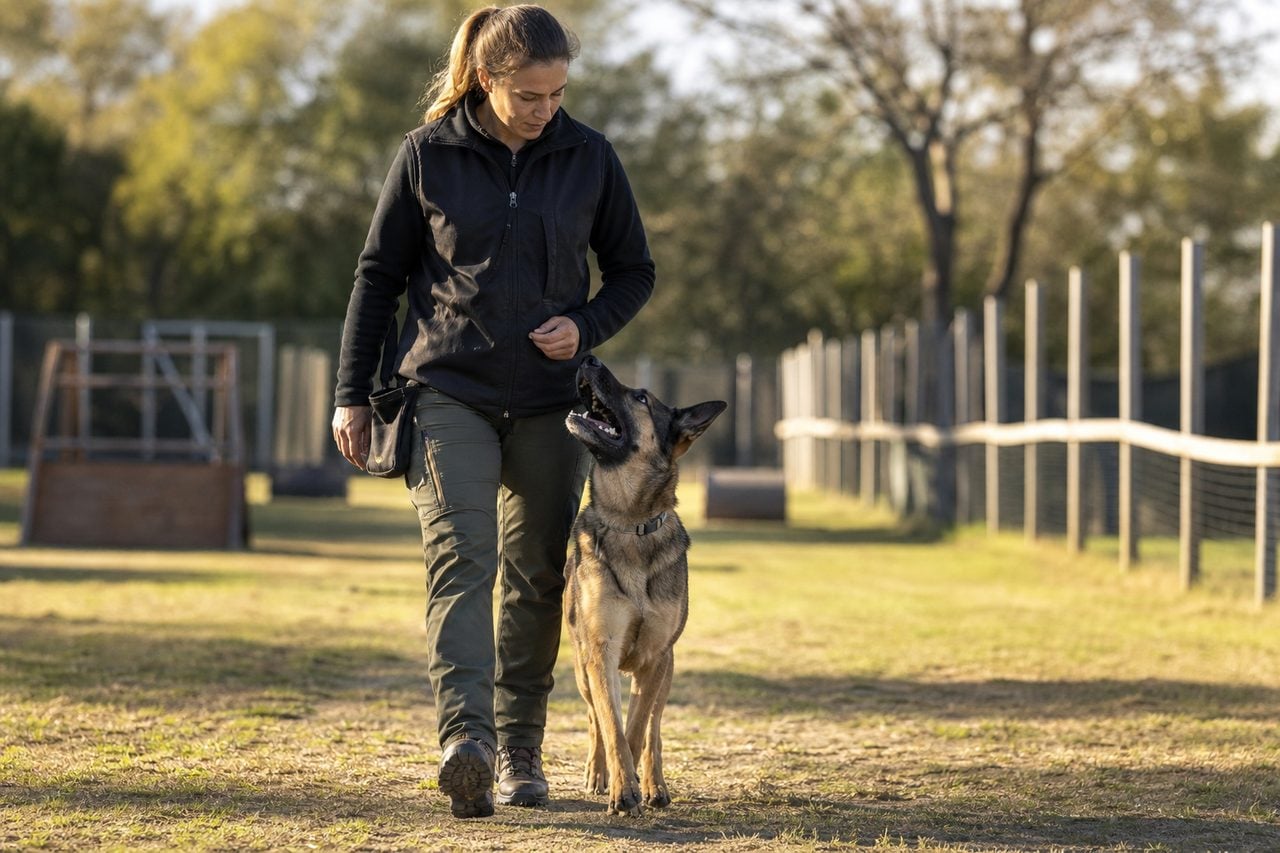
Cost is one of the first questions owners ask when they start looking into dog training, and it is a fair one. Prices in the Evansville area and across the Tri-State vary widely depending on the type of training, the format, the trainer’s experience, and the specific goals involved. Understanding what drives those differences helps owners budget realistically and choose the option that delivers the most value for their situation.
Rather than quoting any single business’s rates, this guide explains the typical pricing structures owners will encounter, the factors that move prices up or down, and how to weigh cost against value. All figures here are general ranges meant for orientation only. Actual pricing changes over time and differs from trainer to trainer, so owners should always confirm current rates directly with any provider before booking.
The goal is to help owners in Vanderburgh, Warrick, Gibson, and Posey counties understand the landscape, ask the right questions, and avoid both overpaying and the false economy of choosing the cheapest option regardless of quality. Good training is an investment in years of easier life with a dog, and spending wisely matters more than spending the least.
The Main Pricing Structures Explained
Dog training in the Evansville area is generally sold in a few recognizable formats, each with its own pricing logic. Group classes are usually priced as a package covering a series of weekly sessions, making them the most economical way to get a solid foundation. Because the cost is spread across several dog-and-owner teams, the per-session price tends to be the lowest of any format.
Private lessons are typically priced per session or sold in discounted multi-session packages. They cost more per hour than group classes because the owner receives the trainer’s undivided attention and a plan tailored to their specific dog and goals. Many owners find the higher per-session cost worthwhile when they have a particular issue to resolve or a dog that does not do well in group settings.
Board-and-train programs, where a dog stays with a trainer for an intensive period, sit at the higher end of the spectrum. The price reflects not just training time but also boarding, feeding, and around-the-clock care over days or weeks. These programs bundle a large amount of professional work into a concentrated window, which is why they carry the largest total price tags.
Day-training arrangements, where a trainer works with a dog during the day while it lives at home, and hybrid packages that mix formats, fill out the middle of the market. Understanding which structure a quote refers to is essential, since comparing a per-session private rate to a full group-class package or a multi-week board-and-train total is comparing very different things.
Typical Price Ranges to Expect
While exact figures vary and should always be confirmed directly, some general patterns hold across most markets, including the Evansville area. Group obedience classes, sold as a multi-week series, are typically the most budget-friendly option and often land in the lower price tier relative to other formats. They deliver strong value for owners seeking foundational manners and basic obedience.
Private lessons are commonly priced per hour-long session, with the rate reflecting the trainer’s experience and specialization. Buying a package of several private sessions usually lowers the effective per-session cost compared to booking one at a time. Owners addressing a specific behavior concern often find that a small number of well-targeted private sessions is money well spent.
Board-and-train programs represent the largest single investment because they combine intensive daily training with full boarding and care over an extended stay. The total cost scales with the length and intensity of the program, so a longer or more specialized stay costs considerably more than a short foundational one. Owners considering this route should understand exactly what the program includes and what follow-up support comes with it.
These are orientation ranges only, not quotes. Prices shift over time and differ meaningfully between trainers based on the factors covered in the next section. The most reliable approach is to gather current quotes from a few providers, make sure each quote covers the same scope, and compare like with like before deciding. Any figure found online should be verified with the provider directly before booking.
What Drives Price Differences
Several factors explain why two trainers might quote very different prices for what sounds like the same service. Experience and reputation are major drivers: a trainer with years of specialized experience, advanced credentials, or a strong track record with difficult cases generally charges more than someone newer to the field. That premium often reflects genuine expertise, though it is not the only measure of quality.
The type and complexity of training matter too. Basic obedience is typically less expensive than specialized work such as addressing reactivity, aggression, or complex behavior issues, which demand more skill, time, and individualized planning. Programs that include ongoing support, written plans, or follow-up sessions may cost more up front but can deliver better long-term value than a bare-bones package.
Format and logistics also move the needle. In-home private lessons may carry a travel component, which can matter for owners in outlying Tri-State communities like Poseyville, Haubstadt, or Mount Vernon where a trainer must drive farther. Group classes benefit from shared costs, while board-and-train prices absorb boarding overhead. Session length, package size, and any included materials all factor into the final number.
Finally, what is included in a quote varies widely and is easy to overlook. Some prices cover only session time, while others bundle assessments, take-home resources, phone or email support between sessions, or discounted refreshers. When comparing options, owners should ask exactly what each price includes so that a seemingly cheaper option does not turn out to cover far less than a slightly pricier, more complete one.
Weighing Cost Against Value
The cheapest option is not always the best value, and the most expensive is not automatically the highest quality. Value comes from results that last, and that depends heavily on the trainer’s methods, the owner’s involvement, and how well the format fits the dog. A low-priced class that uses poor methods or fails to coach the owner may cost more in the long run if problems persist or worsen.
One useful way to think about value is the long horizon. A dog lives with a family for many years, and effective training pays dividends across all of them: easier walks, calmer visitors, safer outings on the greenways, and fewer stressful incidents. Viewed against that timeline, the difference between training options is often modest compared to the daily quality-of-life difference a well-trained dog makes.
The owner’s role is central to value, and it is free. Even the best professional training fades without consistent follow-through at home. This means a moderately priced option paired with a committed owner often outperforms a premium program left unreinforced. When budgeting, owners should account not just for the fee but for the time they will invest in practice, since that investment largely determines the return.
It also pays to match the spending to the need. A dog with straightforward manners goals may be well served by an affordable group class, while a dog with a serious behavior issue may justify the higher cost of specialized private work. Overspending on an unnecessarily intensive program, or underspending on a complex problem that needs expert help, are both ways to get poor value from a training budget.
Questions to Ask Before Booking
A short list of questions protects owners from surprises and helps them compare options fairly. Start with scope and price: ask exactly what the quoted price includes, how many sessions are covered, how long each session lasts, and whether anything, such as assessments, materials, or follow-up support, costs extra. Clarifying this prevents the common mistake of comparing quotes that cover very different things.
Ask about methods next. A reputable trainer will clearly explain their reward-based approach, how they handle mistakes, and what happens if a dog struggles. Owners should be wary of anyone who guarantees specific outcomes, since responsible trainers know results depend on many factors including owner follow-through. How a trainer answers these questions reveals a great deal about both their competence and their transparency.
Practical logistics deserve attention as well. Ask about location, scheduling flexibility, class sizes for group programs, and any travel considerations for in-home lessons in outlying Tri-State areas. For board-and-train programs, ask detailed questions about the dog’s daily routine, where it stays, how much individual training time it receives, and what transition support is provided when the dog comes home.
Finally, ask about the trainer’s experience with situations like yours and request references or reviews. A trainer who has successfully handled dogs of similar age, breed, or behavior profile is more likely to deliver results. Taking the time to ask these questions before booking, rather than after, ensures the money spent goes toward training that genuinely fits the dog and the household.
Budgeting Realistically as a Tri-State Owner
Planning a training budget works best when it accounts for the whole journey rather than a single purchase. Many owners begin with a foundation, such as a puppy or basic group class, and add targeted private sessions later if a specific issue arises. Thinking in these stages spreads the cost over time and lets owners invest where the need actually emerges rather than buying the largest package up front.
Local circumstances shape what makes sense. A student near USI or UE on a tight budget might prioritize an affordable group class and heavy at-home practice, while a busy family in Newburgh might value the convenience of in-home lessons enough to pay a premium for them. There is no single right answer; the best budget reflects the dog’s needs, the owner’s schedule, and what the household can sustain.
It also helps to budget for maintenance, not just the initial training. Occasional refresher sessions, enrichment activities, and the odd tune-up when a new challenge appears keep skills sharp over a dog’s life. These ongoing costs are usually modest but worth anticipating, and they are far cheaper than re-training a dog whose skills have eroded from neglect.
Above all, treat any prices encountered while researching, including the general ranges in this guide, as starting points to verify rather than firm quotes. Reach out to a few local providers, confirm current rates and exactly what they include, and compare complete offers side by side. That small amount of legwork is the most reliable way to find training that fits both the dog and the budget in the Evansville area.
Reviewed Dog Trainers in Evansville
These reviewed Evansville-area trainers from our directory can walk you through pricing for their programs. Each links to a full profile with specialties, certified credentials, reviews, and contact info:
- Canine Aquatic Center — 5.0★ (20 reviews)
- District K9 — 5.0★ (20 reviews)
- Midwest Canine Training Academy — 5.0★ (3 reviews)
- Training With Grace — 5.0★ (2 reviews)
- Doggie Do Right — 4.8★ (130 reviews)
- Opie’s Doggie Playcare and Salon — 4.8★ (80 reviews)
- The Training Retreat by Barks and Recreation — 4.8★ (30 reviews)
- Tri-State K9 University — 4.7★ (107 reviews)
- Evansville Obedience Club — 4.7★ (41 reviews)
- Barks & Recreation Evansville — 4.5★ (55 reviews)
See all Evansville dog training prices trainers →
Frequently Asked Questions
How much does dog training cost in the Evansville area?
Costs vary widely by format, trainer experience, and goals, so there is no single figure. Group classes are generally the most affordable, private lessons cost more per session for tailored attention, and board-and-train programs are the largest investment because they include boarding and intensive care. The ranges discussed here are for orientation only; always confirm current rates directly with a provider before booking.
Why are board-and-train programs so much more expensive?
Board-and-train prices reflect far more than training time. The dog stays with the trainer for days or weeks, so the cost also covers boarding, feeding, and around-the-clock care, plus a concentrated block of professional work. The total scales with the length and intensity of the program, which is why these programs carry the largest price tags of any common format.
Is a more expensive trainer always better?
Not necessarily. Higher prices often reflect greater experience or specialization, but price alone does not guarantee quality or a good fit. Value comes from humane, effective methods, good owner coaching, and lasting results. A moderately priced option paired with a committed owner frequently outperforms a premium program that is not reinforced at home. Evaluate methods and fit, not just cost.
What should be included in a training price quote?
Ask exactly what a quote covers: the number and length of sessions, whether assessments or take-home materials are included, and whether follow-up support between sessions costs extra. Quotes vary widely in scope, so a cheaper option may cover far less than a slightly pricier, more complete one. Clarifying inclusions up front lets you compare options fairly.
Can I get effective training on a tight budget?
Yes. Affordable group classes provide a strong foundation, and consistent at-home practice, which costs nothing, largely determines results. Many owners start with an economical class and add targeted private sessions only if a specific issue arises. Spreading training across stages over time keeps costs manageable while still delivering effective, lasting results.
How do I compare prices between different trainers?
Compare like with like. Make sure each quote covers the same scope, such as the same number and length of sessions and the same inclusions, before comparing the totals. Gather current quotes from a few local providers, ask what each includes, and factor in methods, experience, and fit alongside price. Treat any figures found online as starting points to verify directly.
Related: read our complete dog training prices guide or the full Evansville dog training overview.
Ready to find the right dog training prices pro in Evansville?