
Off-Leash Dog Training in Fort Wayne, IN
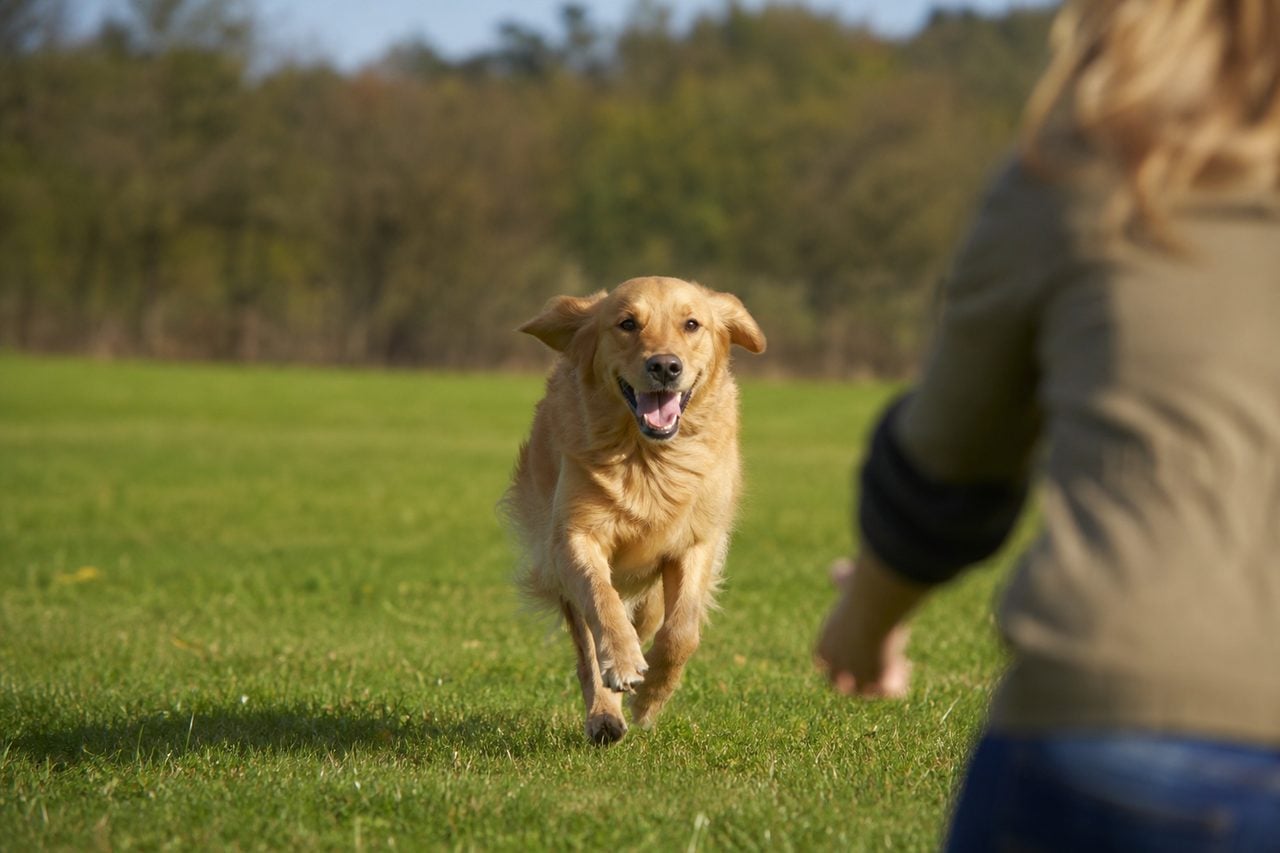
A dog that comes back the instant you call — every time, even with a squirrel in sight — is one of the great joys of dog ownership. Reliable off-leash freedom means a dog that can enjoy the open spaces around Fort Wayne while staying safe and under control. In the Summit City and the wider Allen County area, off-leash and e-collar training is a real specialty, with local trainers — including an Off Leash K9 franchise — who focus specifically on building bombproof recall and off-leash reliability.
- What Off-Leash Reliability Really Requires
- Building a Reliable Recall, Step by Step
- When E-Collar Training Is Appropriate — and When It Is Not
- Practicing on Quiet Local Trails and Green Spaces
- Leash Rules Around Fort Wayne: Local Ordinances, Not a Statewide Law
- Common Off-Leash Training Mistakes to Avoid
- Choosing an Off-Leash or E-Collar Trainer in the Fort Wayne Area
- Reviewed trainers
- FAQ
Off-leash training is often misunderstood in both directions. Some owners imagine you can skip straight to unclipping the leash and hoping for the best; others believe any electronic collar is inherently harmful. The truth is more nuanced. Reliable off-leash control is built on a deep foundation of obedience and recall long before the leash comes off, and when tools like the e-collar are used, they belong in the hands of trained dogs and knowledgeable handlers — and they are not appropriate for every dog.
This guide explains what off-leash reliability actually requires, how a rock-solid recall is built step by step, when e-collar work is and is not appropriate, and how to practice safely on quiet local trails. It also covers a key legal point for the Fort Wayne area: leash rules here come from local ordinances, not a single statewide statute, so you need to know the rules where you actually walk.
What Off-Leash Reliability Really Requires
Off-leash reliability is not a trick you teach in a weekend; it is the product of a solid obedience foundation carried to a very high standard of consistency. Before a dog earns real off-leash freedom, it needs a recall that works not just in the living room but under distraction, at a distance, and in novel environments — the exact conditions that make off-leash walking risky in the first place.
The core skills underneath off-leash reliability include a recall the dog performs immediately and happily, a solid stay that holds even when something interesting happens, attention and check-ins where the dog naturally keeps track of you, and an emergency stop or down that can freeze the dog in place if it is heading toward danger such as a road or a body of water. None of these is optional. A dog that has a great recall but no emergency stop, for example, is only partly safe.
The reason foundation matters so much is that off leash removes your ability to physically manage the dog. On leash, you can prevent a mistake; off leash, you are relying entirely on trained behavior and the relationship you have built. That is why reputable trainers, including off-leash specialists in the Fort Wayne area, spend most of the process building and proofing behaviors on long lines and in controlled settings. The moment the leash actually comes off is almost anticlimactic — it should simply confirm what the dog already reliably does. If a dog cannot perform under distraction with a long line attached, it is not ready to be truly off leash.
Building a Reliable Recall, Step by Step
Recall — coming when called — is the heart of off-leash safety, and it is built in layers. Rushing the layers is the most common reason recalls fall apart at exactly the wrong moment.
Start easy and make it rewarding. In a quiet, low-distraction space, call your dog and pay generously when it comes — excellent food, enthusiastic praise, a favorite game. The dog should learn that coming to you is the best decision it can make, every single time. Never call your dog to do something unpleasant, and never punish a dog that comes to you, even if it took the scenic route; either mistake teaches the dog that coming is risky.
Add distance and duration gradually. Once the recall is snappy up close, increase the distance and call from farther away, out of sight, and in different rooms and yards.
Add distraction on a long line. This is the critical middle stage. A long line — a fifteen to thirty foot leash — lets the dog experience more freedom and more distraction while you retain a safety backup. You call in the presence of increasingly tempting distractions, and the long line ensures the dog cannot self-reward by ignoring you and running off. Fort Wayne’s open spaces are ideal for this stage.
Proof in real environments. Practice the recall in the actual kinds of places you eventually want off-leash reliability — different parks, different times, different distractions — always keeping a long line on until the behavior is genuinely bulletproof.
Only after the dog is reliable under real distraction on a long line does off leash make sense, and even then many handlers keep a lightweight line dragging as a bridge. A recall built patiently through these stages holds up when it counts; a recall rushed straight to off leash tends to work right up until the first squirrel.
When E-Collar Training Is Appropriate — and When It Is Not
The electronic collar, or e-collar, is a tool that some off-leash trainers in the Fort Wayne area use to add reliability at a distance, particularly for recall and emergency stops. Used skillfully, a modern e-collar communicates at very low levels — often a sensation the dog barely notices, comparable to a light tap — as a consistent cue the dog has already been taught. Misused, it can confuse, frighten, or harm a dog. The difference is entirely in the knowledge of the handler and the appropriateness for the individual dog, which is why professional guidance is strongly recommended rather than buying a collar and experimenting.
Two principles matter most. First, foundation comes before the tool, always. An e-collar is not a way to teach a recall from scratch or to shortcut the foundation work. The dog should already understand the behavior thoroughly through positive reinforcement; the collar is layered on afterward, at low levels, as a way to make an already-known cue reliable at distance. Using an e-collar on a dog that does not yet understand what is being asked simply produces a stressed, confused animal.
Second, e-collar work is not appropriate for every dog. It is generally not suitable for fearful or anxious dogs, where added pressure can deepen fear, and it is not an appropriate tool for aggression, where it can escalate or redirect the behavior dangerously. Puppies, dogs with certain temperaments, and dogs with underlying behavior problems are poor candidates. A responsible trainer assesses the individual dog and will tell you honestly if an e-collar is the wrong approach. If a dog is fearful, reactive, or aggressive, the right path is dedicated behavior work — not an electronic collar. When in doubt, seek out a professional who introduces the tool properly, conditions it carefully, and prioritizes the dog’s wellbeing over speed.
Practicing on Quiet Local Trails and Green Spaces
Where you practice shapes how well off-leash training transfers to real life. The goal is to build reliability in progressively more distracting environments while keeping the dog and everyone around you safe, which means starting quiet and adding challenge gradually.
The Fort Wayne area offers a range of spaces suited to different stages. Early long-line and recall work benefits from calm, open, low-traffic settings — quiet stretches of the Rivergreenway at off-peak hours, open areas within larger parks, and the natural surroundings of places like Fox Island County Park, Metea County Park, and Eagle Marsh Nature Preserve. For more advanced proofing with room to roam, Chain O’Lakes State Park to the northwest offers larger natural areas. Choosing quiet times — early mornings, off-peak weekdays — means fewer people, dogs, and surprises while your dog is still learning.
A few practical guidelines keep trail practice productive and considerate:
- Keep a long line attached until the recall is genuinely reliable in that environment. Do not test true off leash where a failure could send the dog toward a road or water.
- Be considerate of other trail users. Not everyone is comfortable with loose dogs, other dogs may be reactive, and wildlife areas deserve respect — keep your dog under real control.
- Build up distraction gradually. Master recall in a quiet field before attempting it where there are joggers, cyclists, and other dogs.
- Watch for wildlife and water. Rivers, marshes, and lakes around the region are exactly the kind of high-stakes distraction where a reliable emergency stop earns its keep.
Treat every outing as training. Reward good check-ins and recalls generously, keep sessions upbeat, and end while the dog is still succeeding. Reliability is built through many good repetitions in many places, not one dramatic leap to full freedom.
Leash Rules Around Fort Wayne: Local Ordinances, Not a Statewide Law
Here is a point every off-leash-minded owner in the Fort Wayne area needs to understand clearly: leash requirements here come from local ordinances, not a single statewide leash statute. Indiana does not have one blanket statewide leash law that applies everywhere, so what governs your dog being off leash depends on the specific city, town, county, or park where you are — and on rules set by individual parks and preserves.
In practice, that means the rules can differ between the City of Fort Wayne, Allen County parks, state parks, nature preserves, and neighboring communities like New Haven, Huntertown, Leo-Cedarville, Auburn, or Columbia City. Many parks and preserves specifically require dogs to be leashed, and areas managed for wildlife or conservation — the kind of habitat around places like Eagle Marsh — often have particular restrictions. A trail being quiet does not mean off leash is permitted there.
The responsible approach is simple: check the posted rules and local ordinances for the exact place you plan to walk, before you unclip the leash. Look for signage, and when in doubt, keep the dog leashed or on a long line. Beyond the legal question, there are practical reasons to respect leash rules even for a dog with a great recall — other dogs may be reactive, some people are uncomfortable around loose dogs, wildlife should not be disturbed, and even a well-trained dog can be startled into a mistake. A long line is a useful middle ground: it gives your dog freedom to move and sniff while keeping you compliant and in control where leashing is required. Knowing and following the local rules is part of being the kind of off-leash owner who keeps these spaces welcoming for everyone.
Common Off-Leash Training Mistakes to Avoid
Most off-leash failures trace back to a small set of predictable mistakes. Avoiding them is half the battle, and every one of them comes down to respecting the order in which reliability is built.
The biggest is going off leash too soon. A dog that comes reliably in the backyard is not a dog that comes reliably at the park with squirrels, joggers, and other dogs. Owners who unclip based on a recall that has only been tested in easy settings often watch it collapse at the first real distraction — and one dog blowing off a recall to chase something teaches the dog that ignoring you is an option. The fix is patient proofing on a long line across many environments before true freedom.
A second common mistake is poisoning the recall. If the only time you call your dog is to end the fun, clip the leash, give a bath, or trim nails, the dog learns that coming to you predicts something unpleasant and starts to hesitate. Likewise, punishing or scolding a dog that comes — even one that took its time — teaches it that returning is risky. Coming to you should always be worth it. Call often, reward generously, and sometimes call just to pay the dog and release it back to play.
Other frequent errors include reaching for an e-collar as a shortcut instead of building the foundation first, using an e-collar on a dog that does not yet understand the cue, or applying it to a fearful or aggressive dog for whom it is the wrong tool entirely. There is also nagging — repeating a recall cue over and over until it becomes background noise the dog learns to ignore. Say it once, make it meaningful, and back it up with your training rather than a stream of unheeded repetitions. Finally, many owners neglect the emergency stop, focusing only on recall; near a road or water around the Fort Wayne area, the ability to freeze a dog in place can matter as much as calling it back. Building each piece in the right order, with the right tools used appropriately, is what produces a dog that is genuinely trustworthy off leash.
Choosing an Off-Leash or E-Collar Trainer in the Fort Wayne Area
Because off-leash and e-collar work depends so heavily on skill and judgment, choosing the right trainer matters. Fort Wayne has specialists in this exact area, including an Off Leash K9 franchise and other trainers who focus on recall and off-leash reliability, so you have options — the goal is finding one whose approach fits your dog and whose methods you are comfortable with.
Good questions to ask include: How do you build recall before introducing any tools? How and at what levels do you introduce an e-collar, and how do you condition the dog to it? How do you decide whether an e-collar is appropriate for a particular dog? What do you do with a dog that is fearful or reactive rather than simply under-trained? Can I watch a session or see how you handle dogs? The answers should reflect a foundation-first philosophy, honest assessment of whether a tool suits the individual dog, and a clear priority on the dog’s wellbeing.
Be cautious of any trainer who reaches for an e-collar as the first step, who uses high levels that visibly stress the dog, who applies the tool to fearful or aggressive dogs without addressing the underlying emotion, or who guarantees instant results. Reliable off-leash behavior is earned through patient foundation work; there is no legitimate shortcut, and a trainer who claims otherwise is a warning sign.
Whether you work with a professional or build the foundation yourself, the destination is the same: a dog that comes when called under real-world distraction, stops on command near danger, and can enjoy the trails and open spaces of Allen County safely. That freedom is genuinely achievable for most dogs — it just has to be built in the right order, with the right tools used the right way, and with respect for the local rules of the places you share.
Reviewed Off-Leash Dog Training Trainers in Fort Wayne
These reviewed Fort Wayne-area trainers from our directory handle off-leash dog training. Each links to a full profile with specialties, certified credentials, reviews, and contact info:
- Off Leash K9 Training of Fort Wayne LLC — 5.0★ (120 reviews)
- Perfect Pup LLC — 5.0★ (46 reviews)
- Solid Foundation Dog Training — 5.0★ (18 reviews)
See all Fort Wayne off-leash dog training trainers →
Frequently Asked Questions
How do I know when my dog is ready to be off leash?
Your dog is ready when it performs the core skills reliably under real distraction while still on a long line — an immediate recall, a solid stay, and an emergency stop that works even when something exciting appears. The test is not whether the dog obeys in the living room but whether it obeys in the actual kinds of places, distances, and distractions you want to allow off leash. If the recall breaks down with a long line attached, the dog is not ready. Many handlers keep a lightweight line dragging even after unclipping, as a bridge to full freedom.
Are e-collars safe and humane?
An e-collar can be a humane, effective tool in knowledgeable hands, or a harmful one if misused — the difference is entirely the handler’s skill and whether the tool suits the dog. Used well, modern e-collars communicate at very low levels the dog barely notices, as a consistent cue for a behavior the dog already knows, and only after a thorough positive-reinforcement foundation. They are not for teaching from scratch, and they are not appropriate for fearful, anxious, or aggressive dogs. Because so much depends on proper introduction and conditioning, professional guidance is strongly recommended over buying one and experimenting.
Is off-leash training appropriate for my fearful or aggressive dog?
Off-leash freedom is not the right goal for a fearful or aggressive dog until the underlying behavior is addressed, and e-collar work in particular is not appropriate for these dogs — added pressure can deepen fear or escalate aggression. The right path for a fearful, reactive, or aggressive dog is dedicated behavior work, often with a qualified professional and, where relevant, veterinary input. A responsible off-leash trainer will assess your dog honestly and tell you if it is the wrong candidate rather than pushing a tool that could make things worse.
What is a long line and why is it so important?
A long line is a fifteen to thirty foot leash that lets your dog experience more freedom and distraction while you keep a physical safety backup. It is the essential middle stage between on-leash obedience and true off-leash reliability: you practice recall around increasingly tempting distractions, and the line prevents the dog from self-rewarding by ignoring you and running off. Skipping this stage is the most common reason recalls fail off leash. Even after a dog is largely reliable, a lightweight dragging line is a smart bridge before full freedom.
Can my dog legally be off leash on Fort Wayne-area trails?
It depends on where you are. Indiana does not have a single statewide leash law, so leash rules across the Fort Wayne area come from local ordinances plus the rules of individual cities, counties, parks, and preserves. Requirements can differ between the City of Fort Wayne, Allen County parks, state parks, and neighboring towns, and many parks — especially wildlife and conservation areas — specifically require leashing. Always check the posted rules and local ordinances for the exact spot before unclipping, and when in doubt keep your dog leashed or on a long line.
Where should I start practicing off-leash skills locally?
Begin in calm, open, low-traffic settings and build up distraction gradually. Quiet stretches of the Rivergreenway at off-peak hours, open areas of larger parks, and natural spaces like Fox Island County Park, Metea County Park, and around Eagle Marsh are good early options, with somewhere like Chain O’Lakes State Park for more advanced roaming. Keep a long line attached until the recall is genuinely reliable in that environment, choose quiet times to reduce surprises, be considerate of other trail users and wildlife, and always confirm leash rules for the location first.
Related: read our complete off-leash dog training guide or the full Fort Wayne dog training overview.
Ready to find the right off-leash dog training pro in Fort Wayne?