
Off-Leash Dog Training in Kokomo, IN
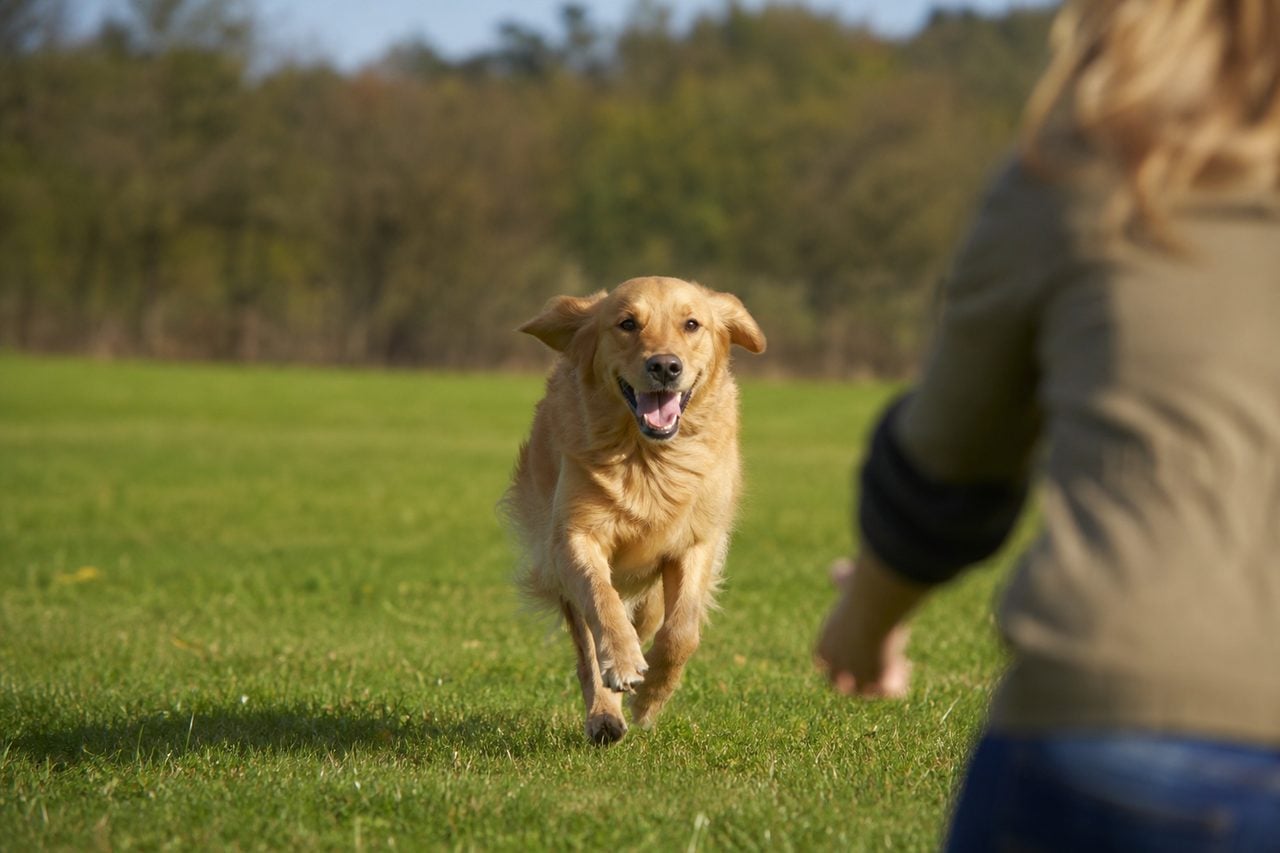
Every dog owner has pictured it: a dog trotting happily off leash across an open field, then spinning around and racing back the instant it is called. Reliable off-leash freedom is one of the most rewarding things you can build with a dog, and it is entirely achievable for many dogs in the Kokomo area with the right foundation. It is also one of the most commonly rushed and misunderstood goals, and getting it wrong can be dangerous. This guide lays out what genuine off-leash reliability requires, where a remote collar does and does not fit, and how to practice safely on north-central Indiana’s quieter trails.
The heart of off-leash work is not a piece of equipment. It is a recall so strong that your dog will come back through distractions, and that is built through months of foundation training long before any dog is trusted off leash in an open area. Owners who chase the shortcut of buying a device and skipping the foundation almost always end up with an unreliable, and sometimes frightened, dog. Owners who build the foundation first end up with the freedom they wanted.
This article is written for responsible Kokomo, Howard County, and Miami County dog owners who want the real thing. It covers recall as the true goal, when electronic collar work is and is not appropriate, why professional guidance matters, how to practice on trails like the Nickel Plate Trail, and the local ordinance rules you need to know. It does not fabricate laws or promise magic; it points you toward doing this properly.
Reliable Recall Is the Real Goal
Off-leash freedom rests entirely on recall, meaning your dog’s ability to come back to you promptly and completely, even when something more interesting is happening. Everything else is secondary. A dog with a genuinely reliable recall is a safe off-leash candidate; a dog without one is a risk to itself and others no matter what equipment it wears. So the work starts, and largely stays, with building that recall.
A strong recall is built through repetition and reward, starting in easy environments and slowly adding difficulty. Begin indoors or in a fenced yard, calling your dog and paying generously with something it loves every single time it comes. The recall word should always predict something wonderful, never a punishment or the end of fun, because a dog that learns coming back means the leash goes on and the park trip ends will start to hesitate. Make coming back the best decision your dog can make.
- Practice in short, upbeat sessions rather than long drills.
- Raise difficulty gradually: quiet room, then yard, then a long line in a low-distraction outdoor space, then busier settings.
- Pay big for hard recalls, such as calling your dog away from a genuine distraction.
- Never call your dog for something it dislikes, and never repeat the cue over and over, which teaches the dog the word is optional.
A long training line, typically fifteen to thirty feet, is the essential bridge between on-leash and true off-leash work. It lets your dog experience freedom and distance while you retain a safety net, so you can practice recall in realistic conditions without risking a bolt. Most of the meaningful work happens on this line, and many dogs spend weeks or months here before being trusted fully off leash. Rushing past this stage is the most common mistake, and the long line is how you avoid it.
Where Remote Collars Fit, and Where They Do Not
Electronic or remote collars, sometimes called e-collars, are a topic of legitimate debate, and honesty matters here. A remote collar is a tool, not a training program, and it cannot substitute for the foundation described above. It is never a shortcut for teaching recall from scratch, and it is never a fix to slap on an untrained or emotionally troubled dog. Used improperly, it can create fear, confusion, and even worsen behavior. Used within a proper program under skilled guidance, some trainers incorporate it as one part of proofing an already-taught recall.
The critical principle is foundation first. A dog should already understand and reliably perform a recall on a long line, in a range of environments, before any conversation about a remote collar even begins. The collar, in the hands of a professional who uses it humanely, is sometimes used to add clarity at a distance to a behavior the dog already knows well, not to teach the behavior in the first place. If a dog does not yet know recall, a collar has nothing to reinforce and can do real harm.
There are dogs for which remote collar work is simply not appropriate. Fearful, anxious, or aggressive dogs should not be candidates, because adding an aversive stimulus to an already stressed dog can intensify fear or aggression and make things considerably worse. The same caution applies to dogs with certain health issues. This is exactly the kind of judgment call that should be made by a qualified professional who has assessed your individual dog, not decided from an online video or a product package.
Because the potential for harm is real, remote collar work should be done under professional guidance rather than experimented with alone. A skilled trainer handles proper fit, correct and humane use of low levels, timing, and the crucial process of pairing and conditioning so the dog understands what the sensation means. Many excellent off-leash dogs are trained entirely without a remote collar, so it is not a requirement. If it is used at all, it belongs inside a thoughtful, foundation-first program led by someone qualified.
Building the Foundation Step by Step
A sound off-leash foundation is built in a logical sequence, and skipping steps is what leads to unreliable dogs. The progression moves from total control toward gradual freedom, always ensuring the dog succeeds at each stage before advancing. Rushing is the enemy; steady progression is what produces a dog you can actually trust.
The typical path starts with recall and attention in the house, where distractions are minimal and success is easy. Next comes the fenced yard, then a long training line in progressively more distracting outdoor environments. On the long line, you practice recall around real-world temptations, other people at a distance, wildlife smells, and open space, while retaining the ability to prevent a bolt. Only after a dog is nearly flawless on the line across many settings does a professional consider testing true off-leash work, and even then it begins in safe, enclosed, or very low-risk areas.
- Proof the recall against increasing distraction, distance, and duration, one variable at a time.
- Keep rewards high and genuine, especially for the hardest recalls.
- Expect regression when you raise difficulty, and be ready to make the exercise easier again.
- Never test off-leash reliability in an unsafe area, such as anywhere near a road, before the dog has earned it.
Reliability is also never one hundred percent, and responsible owners keep that in mind. Even a well-trained dog can be overwhelmed by a strong enough trigger, so good judgment about where and when to go off leash never goes away. The foundation gives you a dog that comes back the vast majority of the time; your judgment about environment and safety covers the rest. Building both is what off-leash training really means.
Practicing Safely on Kokomo-Area Trails
North-central Indiana has some genuinely good places to build toward off-leash reliability, provided you use them thoughtfully and legally. The goal in the intermediate stages is a setting with room, moderate distraction, and safety margin from roads, where you can work a long line and gradually test recall in realistic conditions.
The Nickel Plate Trail near Peru is a strong option for long-line recall work: it is a long rail-trail with good sightlines, so you can see other users approaching and manage your dog well before they arrive. The wide open areas around Mississinewa and Salamonie Lakes offer space to practice distance recalls with a long line during quiet times. Larger parks such as Highland Park in Kokomo and Matter Park in Marion can serve for foundation proofing when foot traffic is light. Choose early mornings or midweek windows so you and your dog are not constantly managing surprise encounters.
- Keep a long line on the dog in any unfenced public area until reliability is genuinely proven and the setting is legal for off-leash.
- Stay well away from roads, parking lots, and water hazards during recall practice.
- Be considerate of other trail users, cyclists, and wildlife, and yield space generously.
- Bring high-value rewards on every outing, since these are your real training sessions.
A word on the off-leash dog park at Jackson Morrow Park: it is a designated space for dogs to be off leash and socialize, but it is a chaotic, uncontrolled environment and is not the place to build or test recall. A dog that ignores you amid the excitement there has not failed its training; it has simply been placed in a setting far above its current level. Save the dog park for dogs that already enjoy calm, appropriate play, and do your recall proofing in the quieter, more controlled spots.
Local Leash Rules You Actually Need to Know
Before you let a dog off leash anywhere public, understand the rules, because getting this wrong can create legal and safety problems. Indiana does not have a single statewide leash statute that governs everyday walks. Instead, leash and at-large requirements are set by local ordinances across the Kokomo area, meaning the specific city, town, and county where you are determine what is allowed.
That makes local knowledge essential. The rules in the city of Kokomo may differ from those in Howard County’s unincorporated areas, and towns like Peru, Logansport, Marion, or Wabash each have their own ordinances, as do Tipton, Grant, and Miami counties. Many parks and trails have their own posted rules as well, and a rail-trail or public park may require dogs to be leashed even where you might expect otherwise. Off-leash is generally reserved for designated areas, such as a fenced dog park, unless a specific location’s rules say otherwise.
Before practicing off leash or with a long line in any public spot, check the posted signage and the relevant local ordinance so you know what is permitted. Even where off leash is allowed, you remain responsible for your dog’s behavior, for cleaning up, and for the safety of others. A dog that is genuinely reliable and under control is not only safer; it also keeps you compliant with local rules and on good terms with the community. When in doubt, keep the dog leashed or on a long line and confine true off-leash freedom to areas you have confirmed are appropriate.
Responsible off-leash ownership treats these rules as a floor, not an obstacle. The point of all the training is to have a dog you can trust, and trusting a dog includes exercising your own judgment about where off-leash is safe, legal, and considerate. That combination of a trained dog and a responsible handler is what makes off-leash freedom sustainable.
Common Off-Leash Mistakes That Get Dogs Into Trouble
Off-leash training goes wrong in fairly consistent ways, and nearly all of them trace back to moving faster than the dog’s training supports. Understanding these mistakes in advance is the best way to avoid the frightening moments, a dog bolting toward a road or ignoring a frantic owner, that give off-leash freedom a bad name.
The biggest mistake is trusting a dog off leash before it has earned it. A dog that comes back reliably in the yard is not the same as a dog that comes back on a busy trail with a rabbit fifty feet away, and the gap between those two is bridged on a long line over weeks or months, not skipped. A close second is poisoning the recall word: calling the dog only when the fun is about to end, such as right before clipping the leash to go home, so the dog learns that coming back is bad news and starts to hesitate.
- Repeating the recall cue over and over when the dog does not respond, which teaches the word is optional background noise.
- Reaching for a remote collar as a shortcut on a dog that has no recall foundation, which has nothing to reinforce and can create fear.
- Testing off-leash reliability near roads, parking lots, or water before the dog is genuinely ready.
- Using the chaotic dog park to build recall, then feeling betrayed when the dog cannot focus there.
- Assuming reliability is permanent and one hundred percent, and letting good judgment about the environment slip.
There is also the mistake of skipping the environment check. An owner focused entirely on the dog’s behavior may forget to confirm that off leash is even permitted where they are, or fail to scout for hazards. Responsible off-leash work always pairs a well-trained dog with a handler who reads the setting, keeps the long line on until reliability is proven, and never gambles with safety to rush the timeline. Avoiding these mistakes is most of what separates a dog you can trust from one that gets loose.
When to Get Professional Help
Many owners can build a solid recall on their own by following a patient, reward-based progression. Professional help becomes valuable when you hit a wall, when you want to shorten the learning curve, or when you are considering any tool, like a remote collar, whose misuse carries real risk. A qualified trainer can assess your dog, design a progression suited to its temperament, and coach your timing and mechanics so the foundation is solid.
Professional guidance is especially important in a few situations. If your dog is fearful, anxious, or has shown aggression, off-leash work and remote collars require expert judgment, and in these cases a professional may steer you away from certain tools entirely for your dog’s safety. If you are set on incorporating a remote collar, doing so under a skilled professional rather than alone is strongly advised, because fit, conditioning, timing, and humane low-level use are easy to get wrong and hard to fix afterward. And if your dog bolts, ignores you around distractions despite consistent work, or seems to be regressing, an experienced set of eyes can identify what is going wrong.
For north-central Indiana owners, capable off-leash and recall coaching can often be found locally, and the region’s open spaces make it a good place to practice. For more complex temperaments, or when you want a specialist to guide remote collar conditioning correctly, the larger Indianapolis market roughly an hour south on US-31 offers a deeper concentration of professionals. Some owners do their day-to-day proofing on local trails and bring in specialized help when the situation calls for it. Wherever you get guidance, insist on humane, foundation-first methods, be honest about your dog’s temperament, and never let anyone rush your dog into off-leash freedom it has not yet earned.
Off-Leash Dog Training in Kokomo: Local Options & Nearest Specialists
Right now there are no listed Kokomo trainers focused specifically on off-leash dog training. Many general Kokomo dog trainers can help you get started, and the nearest specialists for this focus are below.
Nearest off-leash dog training specialists — Indianapolis
For complex cases, some families travel to the larger pool of specialists in the Indianapolis area for an assessment or a board-and-train stay. Top-reviewed options:
- Off-Leash K9 Training Indianapolis — 5.0★ (454 reviews)
- Canine Retreat — 4.9★ (10 reviews)
See all Indianapolis off-leash dog training trainers →
Frequently Asked Questions
Do I need an e-collar to train my dog off leash?
No. Many dogs are trained to reliable off-leash recall entirely without a remote collar, using patient, reward-based work and a long training line. A remote collar is a tool that some professionals use to proof an already-taught recall, never a shortcut for teaching recall from scratch. The foundation, built through repetition and reward, is what actually creates off-leash reliability.
Is a remote collar safe for any dog?
No. Remote collars are not appropriate for fearful, anxious, or aggressive dogs, because adding an aversive to an already stressed dog can intensify fear or aggression and make things worse. Certain health conditions are also a reason to avoid them. Whether a remote collar is suitable for your individual dog is a judgment call for a qualified professional who has assessed the dog, not something to decide from a video or product packaging.
How do I build a reliable recall?
Start in an easy environment like indoors or a fenced yard, call your dog, and reward generously every time it comes. Gradually add distraction, distance, and duration using a long training line, and always make the recall word predict something wonderful. Never call your dog for something it dislikes and never repeat the cue over and over. Most of the meaningful work happens on the long line before a dog is ever trusted fully off leash.
Where can I practice off-leash recall around Kokomo?
Use settings with room, moderate distraction, and distance from roads, and keep a long line on the dog until reliability is proven and the location legally allows off leash. The Nickel Plate Trail near Peru, the open areas around Mississinewa and Salamonie Lakes, and larger parks like Highland Park during quiet times all work well for long-line recall practice. The dog park at Jackson Morrow Park is too chaotic for building or testing recall.
Is it legal to have my dog off leash in the Kokomo area?
It depends on the specific location. Indiana does not have a single statewide leash statute; leash and at-large rules are set by local ordinances across the Kokomo area, so the city, town, or county you are in and the posted rules of a given park or trail determine what is allowed. Off leash is generally reserved for designated areas like fenced dog parks. Always check the local ordinance and posted signage before letting your dog off leash in public.
My dog comes back at home but ignores me at the park. What is wrong?
Nothing unusual; the park is simply far more distracting than home, and your dog’s recall has not yet been proofed to that level. Recall reliability has to be built gradually across increasingly difficult environments, which is exactly what the long training line is for. Drop back to an easier setting or use the long line at the park, raise the value of your rewards for hard recalls, and increase difficulty only as your dog succeeds.
Related: read our complete off-leash dog training guide or the full Kokomo dog training overview.
Ready to find the right off-leash dog training pro in Kokomo?