
Off-Leash Dog Training in Lansing, MI
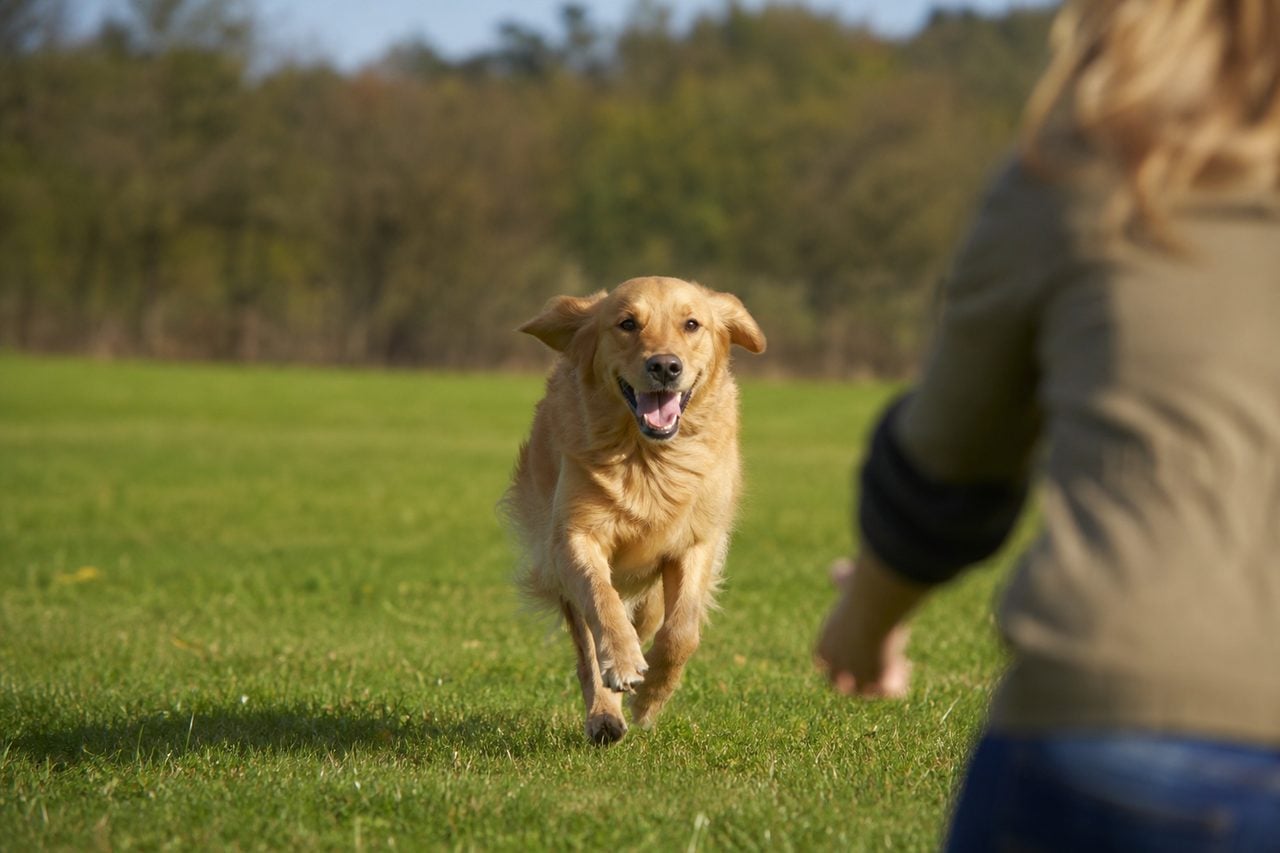
Off-leash reliability is one of the most rewarding milestones a dog owner can reach. A dog that stays with you, checks in, and comes back on the first call gives you both a kind of freedom that a six-foot leash cannot: a loose walk through a quiet stretch near Sleepy Hollow State Park, a calm recall at the edge of a field, a dog that can just be a dog without becoming a liability. But that freedom is earned, not switched on, and getting there safely takes more structure than most people expect.
In the Lansing metro, dedicated off-leash training is thinner on the ground than basic obedience or board-and-train. It is a specialty within a specialty, and the pool of local trainers who focus on it is small. Owners looking for deep expertise sometimes widen their search toward the Ann Arbor area, where the trainer market is larger. That said, plenty can be accomplished right here in the Lansing, East Lansing, and surrounding communities with the right foundation and the right approach.
This guide explains what off-leash training really involves, why recall is the whole ballgame, how to build toward it responsibly, where local law and geography come into play, and how to evaluate a trainer for this specific goal.
What Off-Leash Training Really Means
Off-leash training is often misunderstood as simply teaching a dog to walk without a leash. In reality it is a system of reliable behaviors that let a dog have freedom while remaining under control and safe. The leash is a management tool; off-leash work is about building the dog’s own decision-making so the leash becomes unnecessary in appropriate settings.
The core components are:
- A bombproof recall. The dog returns to you promptly and every time, even when distracted. This is the non-negotiable foundation.
- Attention and check-ins. The dog voluntarily keeps track of where you are and returns to your orbit without being called.
- A reliable stop or down at a distance. You can freeze the dog in place from across a field, which is a critical safety brake near a road or another dog.
- Impulse control around distractions. The dog can ignore squirrels, other dogs, joggers, and food on the ground.
Off-leash freedom is a privilege the dog earns by demonstrating all of this consistently. It is not a personality trait or a breed guarantee. Even naturally handler-focused dogs need the behaviors trained and proofed deliberately.
It is also worth being clear about what off-leash training is not. It is not a way to skip the work of a solid on-leash relationship; the two are built together, and a dog that pulls, ignores you, and cannot settle on a leash is nowhere near ready to be trusted without one. Nor is it a fixed destination you reach once and keep forever. Off-leash reliability is more like fitness than like a diploma. It has to be maintained through regular practice, and it can erode if neglected. Owners who understand this treat recall and check-in work as a lifelong habit woven into ordinary walks, not a course they complete and forget. That mindset is what separates dogs that stay reliable for years from those that gradually slip back toward selective hearing.
Recall Is the Whole Ballgame
If you take one idea from this guide, make it this: off-leash training lives and dies on recall. A dog that comes back reliably can be given freedom safely. A dog that does not is a hazard to itself, to wildlife, and to other people no matter how many other tricks it knows. Everything else is secondary.
Building a strong recall follows a predictable progression:
- Make coming to you the best thing that happens. Early on, returning to you should pay off richly, with food, play, or whatever your dog values most. You are building an association so strong that coming back becomes a reflex.
- Never poison the cue. If your recall word ever predicts something the dog dislikes, like the end of fun or a scolding, the dog learns to hesitate. Keep the recall word clean and always worth returning for.
- Add distance and distraction gradually. Start in a quiet, enclosed space, then a fenced yard, then a low-traffic setting on a long line. Increase difficulty only when the current level is solid.
- Use a long line as a bridge. A 15 to 30 foot line gives the dog the feel of freedom while keeping you able to prevent a failed recall from being rehearsed. Failed recalls in the real world teach the dog that ignoring you sometimes works.
Rushing this is the most common mistake. A dog that comes back nine times out of ten is not ready for true off-leash freedom near a road, because the tenth time is the one that matters.
Two habits make an enormous difference in how strong a recall becomes. The first is variety in reward. If coming back always earns the same predictable treat, the behavior can grow stale; mixing in especially high-value rewards, games of tug or chase, and occasional jackpots keeps returning to you genuinely exciting. The second is keeping recall unpredictable in a good way. If you only ever call your dog to end the fun, leash up, and go home, the dog quickly learns that recall predicts the party ending. Instead, call the dog to you often, reward, and then release it back to sniff and explore. When most recalls lead back to freedom rather than away from it, the dog stops weighing whether to obey and simply comes. These small choices, repeated over hundreds of reps, are what turn a decent recall into a dependable one.
Building the Foundation Step by Step
Off-leash reliability is a ladder, and each rung has to hold before you climb to the next. Trying to skip steps, going straight from a fenced yard to an open field near Lake Lansing, is how dogs get lost or hurt. Here is a sensible progression for the Lansing area.
Stage one: controlled environments. Begin indoors and in a securely fenced yard. Teach and reward recall, a solid stay, and a down at a distance with minimal distractions. The dog should be nearly perfect here before you move on.
Stage two: the long line. Move to larger, low-distraction outdoor spaces with the dog on a long line. A quiet park early in the morning, or an open area away from traffic, lets you practice recall and check-ins with a safety net. The long line stays on until the behavior is genuinely reliable.
Stage three: proofing with distractions. Gradually add the things that pull a dog’s attention: other dogs, joggers on the Lansing River Trail, wildlife, and interesting smells. Keep the long line on and only reward the dog for holding it together. Michigan’s trails and parks are full of squirrels and deer, so proofing against wildlife matters here.
Stage four: earned off-leash freedom. Only in legal, appropriate, and safe settings, and only once the dog is reliable through heavy distraction, do you drop the line. Even then, start in enclosed or remote areas away from roads, and keep sessions short and successful. This stage is ongoing, not a graduation you never revisit.
Where You Can and Cannot Go Off-Leash
Training your dog to be reliable off-leash does not override local rules, and in Michigan most public spaces have leash laws for good reason. Knowing where off-leash is actually permitted keeps you legal and keeps your dog and others safe.
Key points for the Lansing metro:
- Most public parks and trails require leashes. Popular spots like the Lansing River Trail, Hawk Island Park, and the trails around Lake Lansing generally have leash requirements. A well-trained dog still needs to be leashed where the rules say so.
- Designated dog parks are the exception. Fenced, off-leash dog parks in the area are the legal places to let a dog run loose among others, though these are social free-for-alls, not training environments, and are not where you build reliability.
- State recreation areas have their own rules. Places like Sleepy Hollow State Park typically require dogs to be leashed on trails and in day-use areas. Always check current regulations before you go.
- Private property with permission. A friend’s fenced acreage out toward Laingsburg or Williamston can be an ideal training space, with the owner’s blessing.
Even where off-leash is legal, use judgment. A reliable recall does not make your dog immune to a startled deer near Sleepy Hollow or a loose dog that does not share your training. Off-leash freedom is a privilege exercised responsibly, with awareness of everyone else sharing the space.
Finding Off-Leash Expertise Around Lansing
Because dedicated off-leash training is a thin specialty locally, you may need to look harder or wider to find a trainer who genuinely focuses on it rather than treating it as an afterthought to basic obedience. Some Lansing-area owners chasing advanced off-leash and distance work broaden their search toward Ann Arbor, where the larger metro supports more specialists. That is a reasonable option for high-stakes goals, though it means longer drives and less convenient follow-up.
Whether you stay local or travel, evaluate a trainer on these points:
- How do they build recall? Look for a systematic, reward-based progression and a clear plan for proofing against distraction, not a promise of fast results.
- Do they use a long line as a bridge? A trainer who jumps a dog straight to off-leash without a safety-net phase is cutting a dangerous corner.
- How do they handle real-world distractions? Ask how they proof against the specific things you will face: wildlife, other dogs, traffic. Michigan settings demand this.
- Are they honest about limits? A trustworthy trainer will tell you that some dogs, some breeds with strong prey or scent drive, may never be safe fully off-leash near roads. That honesty is a good sign.
You can also make real progress on your own foundation while you search. Recall games, long-line practice, and impulse-control work in your yard or a quiet DeWitt cul-de-sac all build the base that any trainer will refine.
When you do interview trainers, pay attention to how they talk about failure and safety rather than just success. A specialist worth hiring will volunteer the risks, describe how they prevent a dog from rehearsing a failed recall, and set honest expectations about your particular dog rather than promising a uniform result. Ask what their plan would be if progress stalled, and how they decide a dog is ready to graduate from the long line. Thoughtful, specific answers indicate someone who has actually solved these problems many times. Vague reassurance, or impatience with your questions, indicates the opposite. Because off-leash reliability is ultimately a safety skill, the trainer’s relationship with risk tells you at least as much as their highlight reel does. Whether you end up working with someone local or making the drive toward Ann Arbor for a specialist, that judgment about safety-mindedness should weigh heavily in your choice.
Managing Risk and Setting Realistic Expectations
Off-leash training carries real risk, and pretending otherwise does owners a disservice. The upside is a dog with more freedom and a richer relationship with you; the downside, if you rush or misjudge, can be a lost dog, a car strike, or a bad encounter with wildlife or another animal. Managing that risk is part of the discipline.
Practical safeguards:
- Keep identification current. A collar tag and a registered microchip are basic insurance for any dog that spends time off-leash.
- Match the setting to the dog’s proven level. Do not test a new skill for the first time somewhere a failure could be catastrophic. Prove it where the stakes are low first.
- Respect breed and individual tendencies. A strong prey drive or a history of bolting means a higher bar before you trust true freedom, and possibly a permanent long-line policy in open areas.
- Maintain the training. Recall is a muscle that atrophies without use. Keep practicing and rewarding it throughout the dog’s life, not just during the initial training window.
Set your expectations accordingly. Some dogs reach rock-solid off-leash reliability; others reach a good, useful recall that is still best backed by a long line near roads. Both outcomes are worthwhile. The honest goal is a safer, more responsive dog, not a guarantee that nothing will ever go wrong. Around the parks and open spaces of the Lansing area, a well-trained recall is one of the most valuable things you can give your dog, and one of the most responsible.
Practicing Around Lansing's Seasons and Terrain
Training a dog in mid-Michigan means training across dramatic seasonal swings, and the smart owner uses that variety rather than fighting it. Each season and setting offers different distractions and challenges, and proofing a recall across all of them is exactly what builds genuine reliability. A dog that only ever practices in a quiet backyard in July is not ready for a crisp October morning full of scent and scattering leaves.
Some seasonal and terrain considerations for the area:
- Fall. Cooler weather brings out more wildlife and more scent, and areas near Sleepy Hollow State Park and the wooded stretches around Lake Lansing become rich with distraction. This is prime proofing season, provided you keep the long line on until the dog holds together through it.
- Winter. Snow and ice change footing and can muffle or alter scent. Short, upbeat sessions keep training productive when it is cold, and a dog that recalls reliably in winter is a dog whose recall has been genuinely tested.
- Spring and summer. Warmer months mean more people, more dogs, and busier trails. The Lansing River Trail and Hawk Island Park fill up, which is useful for proofing against human and canine distractions, but remember these are leash-required spaces, so this work is done on a leash or long line, not off it.
Terrain matters too. Open fields let you build distance work and long-range recall. Wooded or brushy areas add scent and reduced visibility, which raise the difficulty. A quiet residential loop through a DeWitt or Haslett neighborhood is a good intermediate step between the backyard and a busy park. Deliberately rotating through these settings, always matching the level of freedom to the dog’s proven ability in that context, is how you build a recall that works everywhere rather than one that only works at home. Consistency across contexts is the entire game, and mid-Michigan gives you plenty of contexts to work with.
Off-Leash Dog Training in Lansing: Local Options & Nearest Specialists
A few Lansing-area trainers can help with milder off-leash dog training needs:
- Off Leash K9 Training Lansing — 4.9★ (351 reviews)
Nearest off-leash dog training specialists — Ann Arbor
For complex cases, some families travel to the larger pool of specialists in the Ann Arbor area for an assessment or a board-and-train stay. Top-reviewed options:
See all Ann Arbor off-leash dog training trainers →
Frequently Asked Questions
At what age can I start off-leash training?
You can start building the foundation early. Recall games, attention work, and impulse control can begin in puppyhood in safe, enclosed spaces. True off-leash freedom in open areas should wait until the dog is mature enough and has proven reliable through heavy distraction, which for most dogs is well into adolescence or adulthood. Build the base early, grant the freedom later.
Is off-leash training harder to find in the Lansing area?
Yes. Dedicated off-leash and distance-recall specialists are thinner locally than general obedience trainers. Some owners with advanced goals widen their search toward the Ann Arbor area, where the larger market supports more specialists. You can still make strong progress locally, and much of the foundation work you can even start on your own.
Where can I legally let my dog off-leash near Lansing?
Most public parks and trails, including the Lansing River Trail, Hawk Island Park, and state areas like Sleepy Hollow State Park, require dogs to be leashed. Fenced, designated dog parks are the main legal off-leash spaces, and private property with the owner’s permission is another option. Always check current local and park regulations before letting your dog off-leash.
Why is recall so central to off-leash training?
Because a reliable recall is the safety brake that makes freedom possible. A dog that comes back every time can be trusted off-leash; a dog that comes back most of the time is still a risk near roads and wildlife. Everything else in off-leash training supports recall, which is why trainers build and proof it so carefully before dropping the line.
What is a long line and why do trainers use it?
A long line is a 15 to 30 foot leash that lets a dog experience the feel of freedom while you retain control. It acts as a safety net during the proofing phase, preventing the dog from rehearsing a failed recall in the real world. Skipping the long-line stage and going straight to full off-leash is a common and dangerous shortcut.
Can every dog be trusted fully off-leash?
Not necessarily. Dogs with a strong prey or scent drive, or a history of bolting, may never be completely safe off-leash near roads, and a good trainer will be honest about that. For some dogs the responsible outcome is a solid recall backed by a long line in open areas. That is still a valuable and worthwhile result.
Related: read our complete off-leash dog training guide or the full Lansing dog training overview.
Ready to find the right off-leash dog training pro in Lansing?