
Off-Leash Dog Training in Pittsburgh, PA
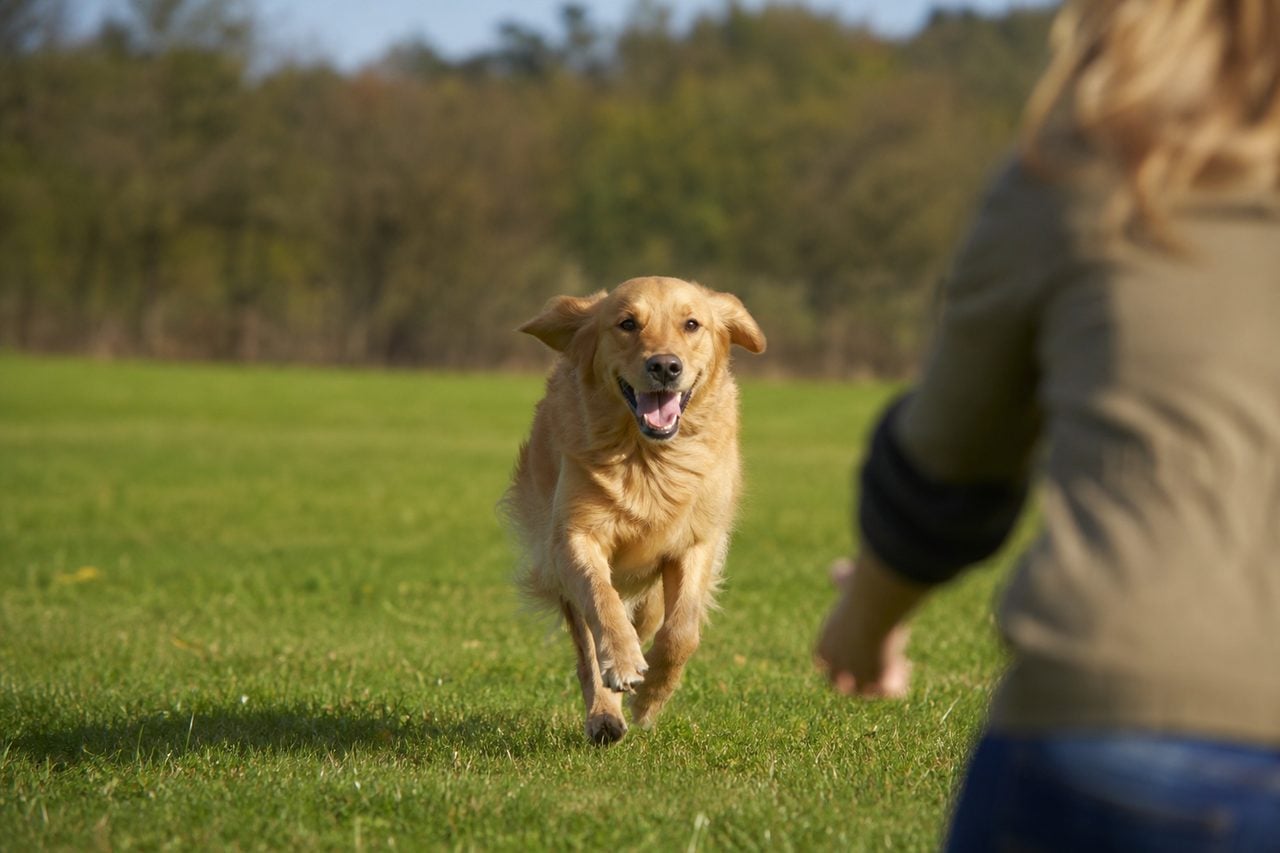
Few things feel better than letting your dog run free on a trail above the Allegheny while you walk behind, confident they’ll come back the instant you call. That’s the promise of off-leash training — reliable freedom built on a recall so solid it holds up even when a deer bolts across the path at North Park or a squirrel darts up a tree in Schenley. For Pittsburgh dog owners, off-leash skill isn’t a luxury; it’s what makes the region’s sprawling parks, suburban trails, and open river-valley spaces genuinely usable rather than a constant tug-of-war.
But off-leash work is fundamentally different from leash manners or reactivity rehab. It is about proofing reliability against real-world distraction — teaching a dog to choose you over a squirrel in Frick Park, a jogger on the Three Rivers Heritage Trail, or another dog at the North Park ball fields. The bar is high because the cost of failure is high: a dog that blows off a recall near Route 19 in the North Hills, a busy Mon Valley road, or the edge of a steep ravine can get hurt fast. Add Pittsburgh’s famously steep terrain, blind hilltop corners, strong river currents, and the dense deer population in nearly every suburban park, and the challenge sharpens considerably.
Good off-leash training is patient and layered. It moves from a rock-solid recall on a long line, through gradual proofing against distractions, into controlled off-leash freedom in legal, appropriate places — never the other way around. Some trainers incorporate a properly conditioned e-collar as a reliability backup; others achieve the same results with motivation and management alone, and both paths can be done well. This guide walks through how off-leash training works in and around Pittsburgh, where you can legally use it, the role of tools like long lines and e-collars, and what to look for in a trainer.
Recall Is the Foundation of Everything
There is no off-leash dog without a bulletproof recall. Before any leash comes off, your dog must come when called — not most of the time, but reliably, even mid-distraction. Off-leash training is really just recall training taken to its highest level of proofing.
A strong recall is built in layers, starting in a boring environment and adding difficulty only when the previous step is solid:
- Foundation: the dog comes instantly inside the house and yard for high-value reward.
- Distance: the recall holds across a fenced yard or empty South Hills ball field.
- Distraction: the dog leaves a mild distraction to come to you.
- Duration & reliability: the recall works the first time, every time, with no repeated calling.
The single most common owner mistake is poisoning the recall — calling the dog only to do something the dog dislikes (ending fun, nail trims, a bath). Every recall must pay off. A trainer teaches you to make “come” the best word in your dog’s vocabulary so that even a deer crossing the trail at Boyce Park can’t outcompete it.
The Long Line: Your Bridge to Freedom
The single most important tool in off-leash training isn’t the off-leash state at all — it’s the long line, a 15-to-50-foot lead that gives the dog the feeling of freedom while you retain a physical safety net. Skipping this step is how dogs end up bolting and how owners lose trust in the process.
The long line lets you practice recall and proofing at realistic distances in places like the open meadows of Hartwood Acres or the wide lawns of South Park without risking a runaway. If the dog ignores a recall, you can calmly reel them in — the dog learns the recall is non-negotiable, but you never have to chase or panic.
How trainers use it:
- Let the line drag so the dog forgets it’s attached and behaves naturally.
- Practice recalls and direction changes at increasing distances.
- Only graduate to true off-leash once the dog is ignoring the line and nailing recalls in that specific environment.
On Pittsburgh’s hilly trails, a long line also keeps a dog from disappearing over a ridge or down a steep slope before you can react — a real hazard in places like the wooded sections of Frick Park.
Proofing Against Pittsburgh's Real Distractions
A recall that works in your backyard means little until it’s been proofed against the distractions your dog will actually meet. In the Pittsburgh region, those distractions are specific and intense. The suburban parks — North Park, South Park, Boyce Park, Hartwood Acres — are thick with deer, and a dog with prey drive will test you the first time one breaks cover.
Realistic distractions to proof against here include:
- Wildlife: deer, rabbits, and groundhogs in nearly every regional park.
- Other dogs: trail traffic on the Three Rivers Heritage Trail and at the busy North Park loop.
- People and bikes: joggers and cyclists who appear suddenly around blind, hilly corners.
- Scent: the rich smells along the riverbanks and wooded ravines.
Proofing means deliberately working near each distraction at a distance the dog can handle, then closing the gap as reliability grows — always on the long line first. The mistake owners make is assuming a recall that works at Schenley Park will automatically transfer to a deer-heavy trail at Hartwood Acres. Reliability is context-specific, and a trainer will systematically build it across the environments you actually use.
E-Collars: Tool, Not Shortcut
The e-collar (electronic or remote collar) is a polarizing topic, and Pittsburgh owners hear strong opinions on both sides. Used the way reputable off-leash trainers use it — on the lowest perceptible level as a tap, conditioned over weeks, as a backup to a recall the dog already knows — it can add reliability for dogs working at long distance around serious distractions like deer. Used as a shortcut or punishment, it can create fear and fallout.
What responsible e-collar work looks like:
- Recall taught first with food and play — the collar reinforces a known cue, it doesn’t teach it.
- Careful conditioning to the lowest level the dog can feel, so it’s a tap on the shoulder, not a jolt.
- Layered onto the long line, never as a replacement for foundation work.
Many excellent trainers achieve reliable off-leash dogs with no e-collar at all, using motivation, management, and realistic expectations. Neither path is wrong. What matters is that the trainer is transparent about their method, conditions any tool humanely, and can explain why it fits your specific dog. If a trainer reaches for the collar on day one before building a recall, keep looking.
Where You Can Legally Be Off-Leash
Reliability is only half the equation — you also need legal, appropriate places to use it. In the City of Pittsburgh and Allegheny County, dogs are required to be leashed in most public parks and on trails. Off-leash freedom belongs in designated dog parks, fenced areas, private property with permission, or rural land where it’s allowed — not on the open trails of Frick or Schenley where leash laws apply and wildlife and other users are present.
Practical options around the region:
- Designated dog parks — several fenced off-leash areas exist within county and municipal park systems (North Park and South Park among them); confirm current rules before you go.
- Private fenced spaces — some trainers and facilities rent secure fields by the hour, ideal for proofing.
- Rural and private land — with the owner’s permission, in Washington or Butler County.
Always verify the current ordinance for the specific municipality — rules differ between the city, Allegheny County parks, and outlying boroughs, and they change. A well-trained off-leash recall is also your insurance for the accidental moments: a dropped leash on a Mount Washington overlook or a slipped collar near a busy Robinson road.
Terrain, Weather, and Safety in the Region
Pittsburgh’s landscape adds real safety considerations to off-leash work. The famous hills mean a dog can crest a ridge and vanish from sight in seconds, and steep, wooded ravines in parks like Frick can be genuinely dangerous for a dog moving at speed. Blind hilltop corners on trails hide oncoming bikes and dogs until the last moment.
Region-specific safety habits good trainers build in:
- Keep the dog in sight — recall before they crest a hill or round a blind bend, not after.
- Mind the rivers — currents on the Allegheny, Monongahela, and Ohio are strong; a dog chasing a duck into the water is at real risk.
- Watch the footing — icy winter trails and slick clay slopes after rain are hazardous at a run.
Weather matters too. Humid summers make heatstroke a danger for a hard-running dog, especially on exposed riverfront flats — train in the cool morning and carry water. Cold, snowy winters limit safe footing and daylight. A trainer who knows Pittsburgh will weave these realities into your plan so freedom never comes at the cost of safety.
What to Expect From a Program and a Trainer
Off-leash reliability is one of the more advanced goals in dog training, so programs tend to be more involved than a basic obedience class. Expect a structured progression rather than a quick course, and a trainer who insists on a solid recall foundation before discussing freedom.
Common program formats:
- Private lessons — you do the daily work with coaching; lower cost, requires owner consistency.
- Day training — the trainer does reps with your dog, then transfers skills to you.
- Board-and-train — an immersive option that jump-starts reliability, typically the highest investment, with mandatory follow-up so the dog listens to you, not just the trainer.
Whatever the format, ask how they build recall, whether and how they use tools like long lines and e-collars, and how they proof against local distractions like deer. A trustworthy trainer sets honest expectations: even a beautifully trained dog isn’t 100% in every situation, and certain high-drive dogs or high-risk environments warrant keeping the long line on. Pricing scales with format — private lessons cost less up front, board-and-train more — so match the program to your dog’s needs and your own time to practice.
Reviewed Off-Leash Dog Training Trainers in Pittsburgh
These reviewed Pittsburgh-area trainers from our directory handle off-leash dog training. Each links to a full profile with specialties, certified credentials, reviews, and contact info:
- Sit Means Sit Dog Training Pittsburgh North — 5.0★ (130 reviews)
- WALK Dog Training – STRIP DISTRICT — 5.0★ (61 reviews)
- Suburban K9 Dog Training — 5.0★ (53 reviews)
- Always Faithful Dog & Puppy Training Pittsburgh PA — 5.0★ (50 reviews)
- Everywhere Dog Training — 5.0★ (33 reviews)
- Alpha Omega Dog Service — 5.0★ (28 reviews)
- Fetch & Follow Dog Training — 5.0★ (21 reviews)
- Trusted K9 Training — 5.0★ (16 reviews)
- Off Leash K9 Training, Pittsburgh — 4.9★ (142 reviews)
- Dog Training Elite Pittsburgh — 4.9★ (53 reviews)
See all Pittsburgh off-leash dog training trainers →
Frequently Asked Questions
Can I let my dog off leash in Pittsburgh city parks like Frick or Schenley?
No — most City of Pittsburgh and Allegheny County parks require dogs to be leashed on trails and in open areas. Off-leash freedom belongs in designated dog parks, fenced areas, or private land with permission. Always check the current ordinance for the specific park or municipality.
Do I need an e-collar to train a reliable off-leash dog?
Not necessarily. Some excellent trainers use a properly conditioned e-collar as a backup for long-distance reliability around heavy distractions like deer, while others achieve the same results with motivation and management alone. What matters is a solid recall foundation and a humane, transparent method — not the tool itself.
How do I keep my dog from chasing deer at North Park or Boyce Park?
You proof the recall specifically against wildlife, starting on a long line at a distance the dog can handle and closing the gap as reliability grows. Deer are everywhere in the suburban parks, so a recall that works at home won’t automatically transfer — it has to be built in that environment.
What is a long line and why does my trainer keep using it?
A long line is a 15-to-50-foot lead that gives your dog the feeling of freedom while you keep a physical safety net. It lets you practice recall at realistic distances without risking a runaway, and it’s the bridge every dog crosses before earning true off-leash time.
At what age can I start off-leash training?
You can build the foundation — recall, name response, and long-line work — from puppyhood, and starting young is ideal. True off-leash freedom in distracting environments comes later, once the recall is genuinely reliable, which depends on the individual dog rather than a fixed age.
Is board-and-train worth it for off-leash work in Pittsburgh?
It can jump-start reliability because the trainer does intensive daily reps, but it’s the highest-cost option and only works if there’s strong follow-up so your dog listens to you, not just the trainer. For motivated owners, private lessons or day training often achieve the same off-leash result for less.
Related: read our complete off-leash dog training guide or the full Pittsburgh dog training overview.
Ready to find the right off-leash dog training pro in Pittsburgh?