
Off-Leash Dog Training in Reading, PA
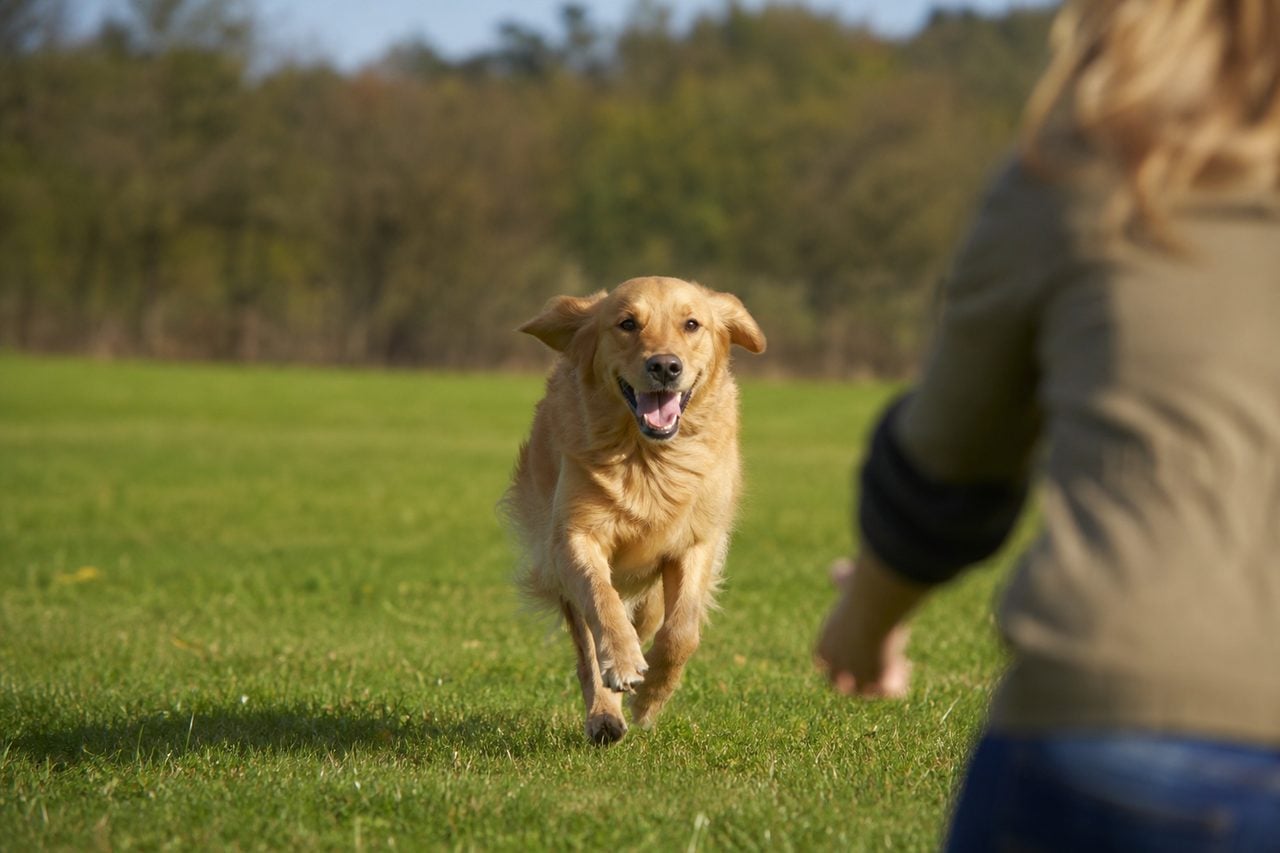
The dream is simple: a dog who walks beside you off leash, comes back the instant you call, and can be trusted around the open spaces Berks County offers — the trails near Blue Marsh Lake, the wooded paths of French Creek State Park, a quiet stretch of farm road out in the Oley Valley with no leash and no worry. Off-leash reliability is one of the most rewarding things you can build with a dog, but it is also one of the most demanding. It is not a single trick or a weekend course; it is a deep foundation of recall, impulse control, and proofing built up over many months in gradually harder environments, with the leash coming off only when the behavior is genuinely earned.
- What Off-Leash Reliability Actually Requires
- Start Local: Building the Foundation in Reading
- Where the Local Supply Runs Thin
- Understanding E-Collar Training Done Right
- Off-Leash Spaces and Rules Around Berks County
- How to Choose an Off-Leash Program
- Maintaining Off-Leash Reliability for Life
- Reviewed trainers
- FAQ
This guide is honest about what off-leash training takes and where Reading-area owners can realistically get help. For the basics — a solid recall, a reliable stay, polite walking, real impulse control — you can and should start right here with local Berks County trainers and group classes, and no specialist can build advanced reliability without that base. But for serious off-leash proofing, e-collar work done correctly, and dependable reliability around heavy distraction like wildlife and other dogs, the supply of dedicated specialists thins out around Reading itself. The nearest concentration of trainers who focus specifically on advanced off-leash and modern e-collar programs tends to be in the Allentown and greater Lehigh Valley metro, roughly thirty to forty minutes east. We will be straight with you about that throughout rather than overpromise.
GetDogSchool’s goal is to point you to the right resource for your stage — local for the foundation that every off-leash dog needs, and a specialist referral eastward to the Lehigh Valley when your goals outgrow what is realistically available close to home. Done right and in the right order, off-leash freedom becomes one of the great joys of owning a dog in this corner of Pennsylvania.
What Off-Leash Reliability Actually Requires
Off-leash freedom rests on one non-negotiable skill: a recall so reliable you would bet your dog’s safety on it — because that is exactly what you are doing every time you unclip the leash. Around Reading, the stakes are real. A dog who blows off a recall near a road, bolts after deer in the French Creek State Park woods, or charges another dog on a shared trail can get hurt or hurt someone else. Reliability is not 80 percent; for true off-leash work it needs to approach certainty even when something far more interesting than you is happening.
Underneath recall sit several other layers: impulse control (the ability to not chase the squirrel), a rock-solid stay that holds at distance and under distraction, attentiveness that keeps your dog checking in with you, and the experience of having practiced all of this in dozens of different places. None of it comes from a single class. It is a progression — from a long line in a quiet field, to gradually more freedom in gradually busier environments, with the leash coming off only when the behavior is genuinely proven. Skipping steps is how dogs get lost or hurt, so honest trainers move slowly on purpose.
Start Local: Building the Foundation in Reading
The good news is that the entire foundation of off-leash work can be built right here in Berks County. Recall, stay, loose-leash walking, name response, and basic impulse control are all standard fare for local Reading-area trainers and group obedience classes. This is exactly where you should begin, regardless of your long-term off-leash ambitions, because no specialist can build advanced reliability on top of a shaky base.
Local practice spots abound. A quiet corner of a Berks County park or a fenced area lets you start recall games with zero risk. As your dog improves, a long training line (fifteen to thirty feet) gives you controlled freedom in larger open spaces — the edges of the Oley Valley farm country, off-peak hours near Blue Marsh Lake, or open ground where leash rules permit. The long line is the single most important tool in this phase: it gives the feeling of freedom while guaranteeing you can always reel your dog back if a recall fails. Plan to spend weeks or months on this stage. Snowy Reading winters can interrupt outdoor work, so many owners keep skills sharp indoors with focus games and short hallway recalls until conditions improve. A strong local foundation makes every later step easier and safer.
Where the Local Supply Runs Thin
Here is the honest part. Once you move past the foundation into true off-leash proofing — reliability around running dogs, wildlife, joggers, and traffic, often supported by properly conditioned e-collar work — the number of trainers in the immediate Reading area who specialize in that specific, advanced work is limited. Plenty of local trainers teach excellent obedience; far fewer run dedicated, structured off-leash programs that take a dog all the way to dependable off-leash freedom in high-distraction settings.
This is not a knock on Reading; it simply reflects how niche advanced off-leash and e-collar training is. For that next level, many Berks County owners look east. The Allentown and greater Lehigh Valley metro — roughly thirty to forty minutes from Reading — has a denser cluster of trainers who focus specifically on off-leash reliability and modern, humane e-collar conditioning. The drive is short enough that a serious owner can reasonably commit to a program there once the local foundation is in place. We mention this not to send you away, but so you do not waste months expecting a specialty service that is genuinely scarce nearby. Start local, prove the basics, then refer out when your goals demand it.
Understanding E-Collar Training Done Right
The e-collar (electronic or remote collar) is one of the most misunderstood tools in dog training. Used correctly by a skilled professional, a modern e-collar is not a punishment device — it is a remote-communication tool, often run at levels so low the dog barely perceives them, used to deliver a gentle, consistent tap that reinforces an already-taught cue at distance. Done properly, it is paired with reward-based foundation work, not used to force behavior the dog has never learned.
Done poorly, though, an e-collar can frighten or harm a dog and create new problems — which is exactly why this is specialist territory rather than something to experiment with on your own from an online video. Proper e-collar work requires careful conditioning, correct level-finding for the individual dog, precise timing, and a trainer who understands canine learning and stress signals. This is a major reason the off-leash work above tends to live with dedicated specialists, more of whom cluster in the Allentown / Lehigh Valley area than in Reading itself. If you are considering an e-collar program, vet the trainer hard: ask how they introduce the tool, how they find working levels, and how they protect the dog’s emotional welfare. A good professional will welcome those questions.
Off-Leash Spaces and Rules Around Berks County
Before you ever unclip the leash, know the rules of the place you are standing in. Many Berks County and Pennsylvania public lands — including state parks like French Creek — require dogs to be leashed at all times, regardless of how well-trained your dog is. Off-leash freedom in those spaces is not just risky, it can be against the rules. Always check and follow posted regulations; they exist to protect wildlife, other visitors, and your dog.
For legitimate off-leash practice, look to private property where you have permission, fenced areas, and any designated off-leash spaces that local rules allow. Large open private fields out in the Oley Valley or Bernville farm country — with a landowner’s permission — are ideal proofing grounds: open sightlines, room to recall from distance, and few surprises. Even where off-leash is permitted, respect the realities of the area: deer and other wildlife throughout the Berks countryside are powerful chase triggers, French Creek’s woods can swallow a dog from view fast, and roads are rarely far away. The best off-leash owners treat every session as a test they could fail, keep recalls fresh, and always know exactly how they would get their dog back if something went wrong.
How to Choose an Off-Leash Program
Whether you train locally or commit to a specialist in the Lehigh Valley, the questions you ask matter. A trustworthy off-leash program is built on a reward-based foundation, moves through clear stages, and never rushes a dog off the long line before the behavior is proven. Be wary of anyone who promises reliable off-leash results in a single week — genuine off-leash reliability is the product of patient proofing across many environments, not a weekend bootcamp miracle.
For programs that use e-collars, dig into the details: how is the tool introduced, how are working levels chosen for the individual dog, and how does the trainer monitor stress and welfare? A professional should be able to explain their approach clearly and humanely. Ask to understand the full arc of the program — how many sessions, what milestones, how they transition from long line to true off-leash, and what ongoing maintenance you will need to do yourself. Prices vary widely by format, from per-session local coaching to multi-week specialist board-and-train or day-program packages, so ask for clear package details up front. Above all, choose a trainer whose methods feel humane and transparent to you; reliability built on fear rarely holds, and it is not worth it.
Maintaining Off-Leash Reliability for Life
Off-leash reliability is not a certificate you earn once and keep forever — it is a skill that needs ongoing maintenance, especially in an environment as varied as Berks County. Recall in particular is what trainers call perishable: practice it regularly with rewards, in different places and at different distraction levels, and it stays strong; neglect it for months and it quietly erodes until the day it fails when you need it most.
Build maintenance into your routine. Keep recall fun and rewarding even years in — an occasional jackpot of treats or a favorite game when your dog comes flying back keeps the behavior worth doing. Practice across the seasons, because a dog proofed only on quiet snowy winter walks may struggle with the deer, joggers, and other dogs of a busy Reading summer. Refresh skills after any long gap, and be honest with yourself about your dog’s limits on a given day — a tired, over-aroused, or under-exercised dog is a less reliable dog. Done right, off-leash freedom becomes one of the great joys of dog ownership in Berks County: a dog you can trust in the open spaces this region is lucky to have, built on a foundation you started locally and proofed with care.
Off-Leash Dog Training in Reading: Local Options & Nearest Specialists
A few Reading-area trainers can help with milder off-leash dog training needs:
- Cappuccino Dog Training Inc. — 5.0★ (109 reviews)
- For Them Dog Training — 5.0★ (30 reviews)
Nearest off-leash dog training specialists — Allentown
For complex cases, the closest metro with dedicated off-leash dog training trainers is Allentown (an easy drive for an assessment or a board-and-train stay). Top-reviewed options:
- Off Leash K9 Training, Lehigh Valley — 4.9★ (307 reviews)
- Route 100 Off-Leash Dog Park — 4.5★ (152 reviews)
- Lehigh Valley Dog Training — 4.3★ (110 reviews)
See all Allentown off-leash dog training trainers →
Frequently Asked Questions
Can I get off-leash training in Reading, or do I have to travel?
You can build the entire foundation — recall, stay, impulse control, loose-leash walking — right here with local Reading-area trainers and group classes, and you should start there. For advanced off-leash proofing and properly conditioned e-collar work, dedicated specialists are scarcer near Reading; many owners find a denser cluster in the Allentown / Lehigh Valley metro about thirty to forty minutes east.
Is e-collar training safe and humane?
When used correctly by a skilled professional, a modern e-collar is a remote-communication tool run at very low levels and paired with reward-based foundation work — not a punishment device. Done poorly, it can frighten or harm a dog. That is why it is specialist territory: proper conditioning, level-finding, and timing matter enormously. Vet any e-collar trainer carefully before committing.
Where can I let my dog off leash legally in Berks County?
Check posted rules first — many public lands, including Pennsylvania state parks like French Creek, require dogs to be leashed at all times. Legitimate off-leash practice happens on private property where you have permission, in fenced areas, and in any designated off-leash spaces local rules allow. Never assume off-leash is permitted just because a space looks open and empty.
How long does off-leash training take?
Plan in months, not weeks. Off-leash reliability is built by proofing recall and impulse control across many environments and distraction levels, gradually increasing freedom as the dog earns it. Be skeptical of any program promising bombproof off-leash results in a single week — genuine reliability is the product of patient, staged practice, not a weekend bootcamp.
What is a long line and why is it important?
A long line is a fifteen-to-thirty-foot training leash that gives your dog the feeling of freedom while guaranteeing you can always reel them back if a recall fails. It is the single most important tool in the off-leash foundation phase, letting you practice distance recalls safely in open Berks County spaces before the leash ever comes off for real.
My dog chases deer — can off-leash training fix that?
Wildlife chasing is one of the hardest distractions to overcome, and it is everywhere in the Berks countryside and French Creek woods. Strong impulse-control and recall training can dramatically improve a dog’s response, but a deeply ingrained prey drive may never be fully reliable around live deer. An experienced off-leash specialist can assess your individual dog honestly and set realistic expectations.
Related: read our complete off-leash dog training guide or the full Reading dog training overview.
Ready to find the right off-leash dog training pro in Reading?