
Off-Leash Dog Training in Scranton, PA
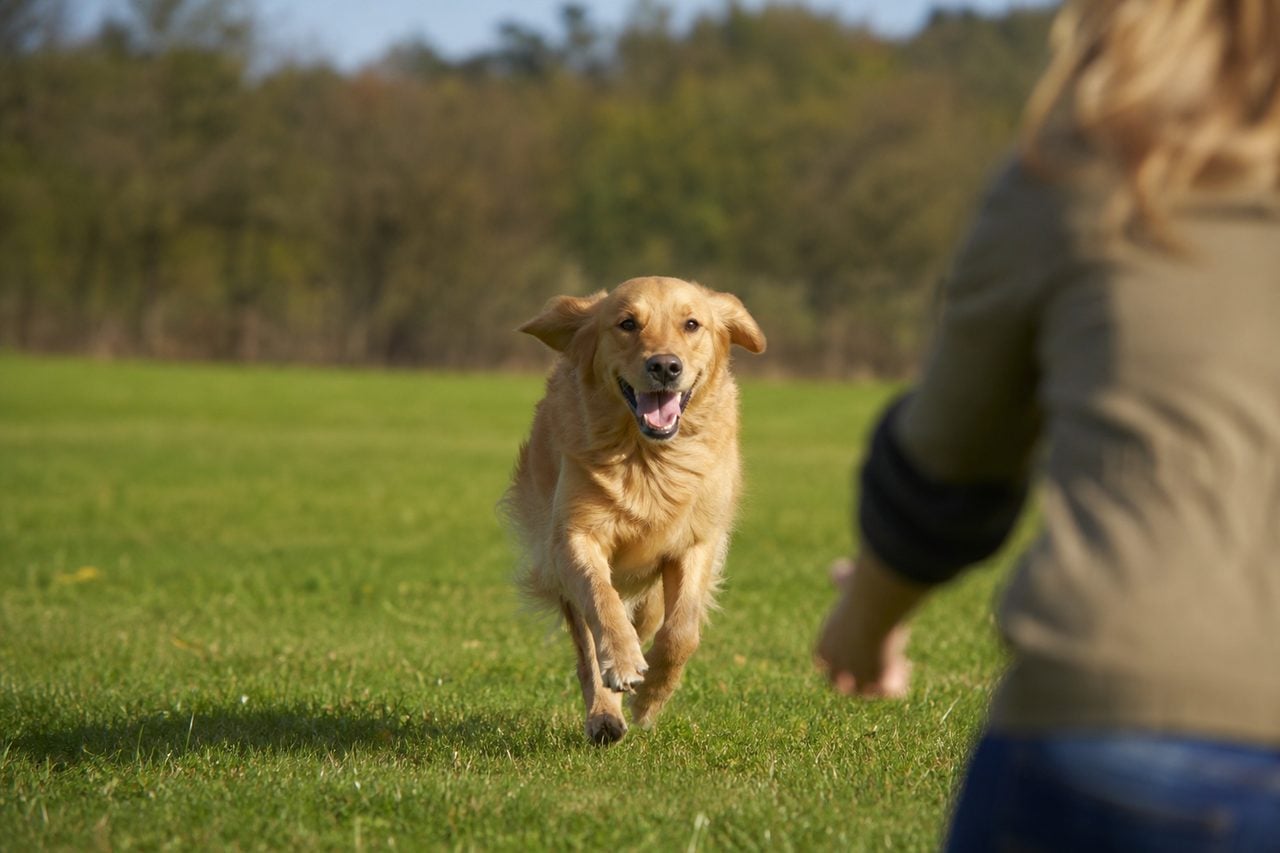
For many dog owners across the Scranton and Wilkes-Barre area, the dream is simple: a dog that can hike a wooded trail, explore an open field, or relax in the yard without a leash and still come flying back the moment you call. Northeastern Pennsylvania is built for that dream — Lackawanna State Park, Frances Slocum State Park, the sprawling Pinchot State Forest, and the rural roads of the Back Mountain and Hazleton area offer exactly the kind of open, natural space where off-leash freedom shines. But that freedom is earned, not given, and it rests entirely on one thing: a recall so reliable you would trust it near a road, a deer, or another dog. Without that, off-leash is not freedom — it is a gamble with your dog’s safety.
Off-leash training is a distinct discipline from leash-reactivity work or clinical behavior modification. Where reactivity training is about managing a dog on-leash near triggers, off-leash training is about building rock-solid recall and impulse control so your dog makes good choices with no physical connection to you at all. It is a progression — from a long line in a quiet field to gradual, proofed freedom in more and more distracting environments — and it demands honesty about your dog’s temperament, your local leash laws, and the very real hazards of the NEPA landscape, from busy rural roads to woods full of tempting wildlife.
This guide from the GetDogSchool Editorial Team covers what genuine off-leash reliability requires, how to build a bombproof recall step by step, how tools like long lines and e-collars fit into a modern program, where in the region you can safely and legally practice, and how to know whether your dog is truly a good candidate for freedom. Off-leash is a privilege that keeps both your dog and the wildlife and neighbors around it safe — and while it takes patience and a staged plan, it is absolutely achievable for most dogs with the right foundation work.
What Off-Leash Reliability Really Means
True off-leash reliability is not simply a dog that comes back most of the time. It is a dog that will turn on a dime and return to you even in the face of powerful distractions — a bounding deer, a jogger, another dog, a scent trail through the woods — and do it consistently enough that you would stake its safety on it near a road. That standard is high on purpose, because the cost of a failed recall off-leash is not a training inconvenience; it can be a dog lost in Pinchot State Forest or darting into traffic on a rural NEPA road.
Reaching that standard rests on two pillars: an automatic, joyful recall and genuine impulse control. Recall must be trained until returning to you is the most rewarding thing your dog can do, more compelling than whatever it wants to chase. Impulse control is the dog’s ability to pause and choose you over an impulse in the moment. Both are built gradually and proofed against ever-harder distractions. Until a dog has demonstrably reached this level, it is not actually an off-leash dog — it is an on-long-line dog, which is a perfectly good and safe place to be while you do the work. There is no shame and no rush in staying on a long line for months; the dogs that end up genuinely reliable off-leash are almost always the ones whose owners refused to skip that stage.
Building A Bombproof Recall
Recall is the foundation of everything off-leash, and it is built in careful layers. Start in a low-distraction environment — a quiet room, a fenced yard, a still corner of a park early in the morning — and make coming to you wildly worth it with high-value food, enthusiastic praise, or a favorite toy. Use a distinct recall word that you never poison by using it for anything unpleasant like nail trims or crate time. Every single successful return gets paid generously, so your dog builds a deep, positive association with the cue.
From there you increase difficulty one variable at a time: a little more distance, a slightly busier setting, a mild distraction, then a stronger one. This is where a long line — typically fifteen to thirty feet — becomes essential, giving your dog the feeling of freedom while guaranteeing you can prevent a failed recall from ever being rehearsed. A recall that has never been allowed to fail becomes a habit. Practice in progressively more real NEPA settings, from your backyard in Clarks Summit to a quiet corner of Lackawanna State Park to a low-traffic Back Mountain field, so the behavior generalizes across places, not just the one spot where you started. Keep sessions short and upbeat, end while your dog is still winning, and never call your recall word in a situation where you cannot back it up — every ignored recall teaches your dog that the word is optional.
Long Lines And E-Collars: The Honest Picture
Two tools dominate off-leash training conversations, and it is worth being clear-eyed about both. A long line is the safest and most universally recommended starting point: a lightweight fifteen-to-thirty-foot lead that lets your dog range and explore while keeping a physical safety net so a blown recall can never be practiced. Long lines are appropriate for almost every dog and are how most reliable off-leash dogs are built, one proofed distraction at a time.
Electronic collars are more contentious. Used correctly by an experienced trainer, a modern low-stimulation e-collar is applied as a trained, communicated cue — not a punishment — and only after a dog already understands recall on a long line. Used incorrectly, e-collars can create fear, confusion, or fallout, especially if introduced too early or at too high a level. If you are considering one, it should be introduced under the guidance of a qualified professional who conditions it properly, and never as a shortcut to skip the foundational recall work. Pennsylvania does not currently ban their use, but the responsibility to use any aversive tool humanely and skillfully rests entirely on the handler.
Where To Practice Off-Leash Near Scranton
Choosing the right practice environment is half the battle. Early proofing needs low-distraction, safely enclosed, or genuinely low-traffic spaces — a fenced yard, a quiet field, or a rural stretch far from roads where you can work on a long line. As your dog improves, the open expanses of Northeastern Pennsylvania become your training ground: the trails and open areas of Lackawanna State Park, the wooded reaches of Pinchot State Forest, the quieter corners of Frances Slocum State Park, and low-traffic rural roads out toward the Back Mountain and the Hazleton area.
Two cautions are essential. First, always confirm and respect leash laws and posted rules — many state parks and public spaces in Pennsylvania require dogs to be leashed regardless of how reliable your recall is, and a great recall does not override the rule. Practice off-leash only where it is legal and safe. Second, respect the wildlife and terrain: NEPA woods hold deer, other dogs, and steep or unfamiliar ground, and even a well-trained dog can be tempted by a fresh scent. Use dedicated off-leash areas where they exist, keep the long line on until reliability is proven, and never test a shaky recall in a spot where failure could be dangerous.
Impulse Control Beyond Recall
A great recall is necessary but not sufficient for off-leash life. The other half is broad impulse control — the collection of skills that let your dog make good decisions without a leash to guide it. A rock-solid “stay” or “wait” lets you pause your dog at a distance when you spot a hazard before it does. A trained “leave it” lets your dog disengage from a dead animal, spilled food, or a wildlife scent. A default check-in habit — the dog naturally glancing back to find you every so often — keeps your dog tethered to you mentally even when it is physically free.
These skills are what make off-leash safe rather than merely fun. In the NEPA outdoors, they matter constantly: a dog that will “wait” at a trail junction, “leave” a deer trail, and check in every thirty seconds is a dog you can genuinely trust in the woods. Build them the same way you built recall — start easy, reward heavily, and add distraction gradually. Games that reward the dog for choosing you over an available temptation are especially powerful, because they teach the dog that self-control pays off. The more of these habits your dog has, the wider the range of environments where off-leash becomes a realistic option.
Is Your Dog A Good Off-Leash Candidate?
Honesty here protects your dog. Not every dog is a strong candidate for full off-leash freedom, and pretending otherwise puts the dog at risk. Age and maturity matter — a young, impulsive adolescent may need many more months of long-line work before earning freedom. Breed tendencies matter too: strong-prey-drive and independent hunting or sighthound-type dogs can be far harder to recall off a fresh scent or a moving animal, and some may realistically stay on a long line for life in high-temptation settings. A history of running off, guarding, or dog-directed aggression also changes the picture significantly.
None of this means those dogs cannot enjoy freedom — it means the plan and the environment have to fit the dog. A high-prey-drive dog might be reliably off-leash in a securely fenced field but always long-lined in open woods full of deer. A reactive or fearful dog usually needs its underlying issues addressed before off-leash is even on the table. If you are unsure, a good trainer will give you a candid assessment rather than a blanket yes. Off-leash reliability is a spectrum, and knowing exactly where your individual dog sits on it — and respecting that limit — is what keeps the whole enterprise safe.
Finding Off-Leash Help In NEPA
The Scranton and Wilkes-Barre market has skilled trainers who cover foundation recall, obedience, and impulse control — the core skills every off-leash dog needs — and starting local for those foundations is the right move. When you interview a trainer, ask how they build recall, how they use long lines, and whether and how they condition e-collars if that is on the table. You want a staged, proofing-based approach and a trainer who will be honest about your dog’s candidacy rather than promising instant off-leash freedom.
For most owners, the path is a local trainer for the foundational recall and impulse-control work, followed by lots of independent proofing in appropriate NEPA settings. If you have a genuinely complex case layered underneath the off-leash goal — serious fear, anxiety, or clinical behavior problems driving the poor recall — that is behavior work first, and the deepest bench of dedicated behavior specialists tends to cluster in the Allentown and Lehigh Valley metro about an hour southeast, which is a reasonable trip for a complex case. For straightforward off-leash training, though, the region’s local trainers plus its abundant open land are more than enough. Ask about session format, expect the work to unfold over months, and treat every proofed distraction as a step toward earned freedom.
Reviewed Off-Leash Dog Training Trainers in Scranton
These reviewed Scranton-area trainers from our directory handle off-leash dog training. Each links to a full profile with specialties, certified credentials, reviews, and contact info:
- AMPODOG Professional Dog Training — 5.0★ (33 reviews)
- Little Bear Canines Dog Training — 5.0★ (4 reviews)
- Off Leash K9 Training, Scranton — 4.8★ (42 reviews)
- The Dog People — 4.8★ (18 reviews)
See all Scranton off-leash dog training trainers →
Frequently Asked Questions
How long does it take to train a reliable off-leash dog?
Genuine off-leash reliability is usually a months-long project, not a weekend one. You are building a recall that holds up against strong distractions and layering in impulse control, and that takes consistent proofing across many environments. Young or high-drive dogs typically need longer. The safest approach is to keep a long line on until the recall has been proven against the kinds of distractions your dog will actually meet in the field.
Do I need an e-collar for off-leash training?
No — most reliable off-leash dogs are built on long lines and reward-based proofing without any e-collar. Some experienced trainers use modern low-stimulation e-collars as a conditioned cue after a dog already understands recall, but they are a tool that requires skill to use humanely and are easy to misuse. If you consider one, work with a qualified professional who conditions it properly, and never use it to skip the foundational recall work.
Where can I legally let my dog off-leash near Scranton?
Always confirm local rules first — many Pennsylvania state parks and public spaces require dogs to be leashed regardless of your dog’s training, so a great recall does not exempt you. Practice off-leash only in dedicated off-leash areas, securely fenced spaces, or genuinely low-traffic private or rural land where it is legal and safe. When in doubt, keep the long line on and enjoy the freedom it still provides.
Is my breed suited to off-leash freedom?
Breed tendencies matter a lot. Strong-prey-drive, independent, and sighthound-type dogs can be very hard to recall off a moving animal or fresh scent, and some may realistically stay on a long line for life in high-temptation settings like deer-filled NEPA woods. That does not rule out freedom — it means matching the environment to the dog, such as a securely fenced field. A trainer can give you a candid assessment of your individual dog.
What is a long line and why is it recommended?
A long line is a lightweight lead, typically fifteen to thirty feet, that lets your dog range and explore while giving you a physical safety net. It is the single most recommended off-leash training tool because it prevents a failed recall from ever being practiced — and a recall that never gets to fail becomes a reliable habit. Long lines are appropriate for nearly every dog and are how most solid off-leash dogs are built.
My dog comes back at home but not outside. Why?
That is a generalization gap, and it is completely normal. Dogs do not automatically transfer a skill from your living room to a distracting park; the behavior has to be practiced and proofed in progressively harder environments. Rebuild the recall on a long line in gradually busier NEPA settings, paying generously every time, and add distractions one small step at a time so the recall holds up everywhere, not just at home.
Related: read our complete off-leash dog training guide or the full Scranton dog training overview.
Ready to find the right off-leash dog training pro in Scranton?