
Off-Leash Dog Training in Youngstown, OH
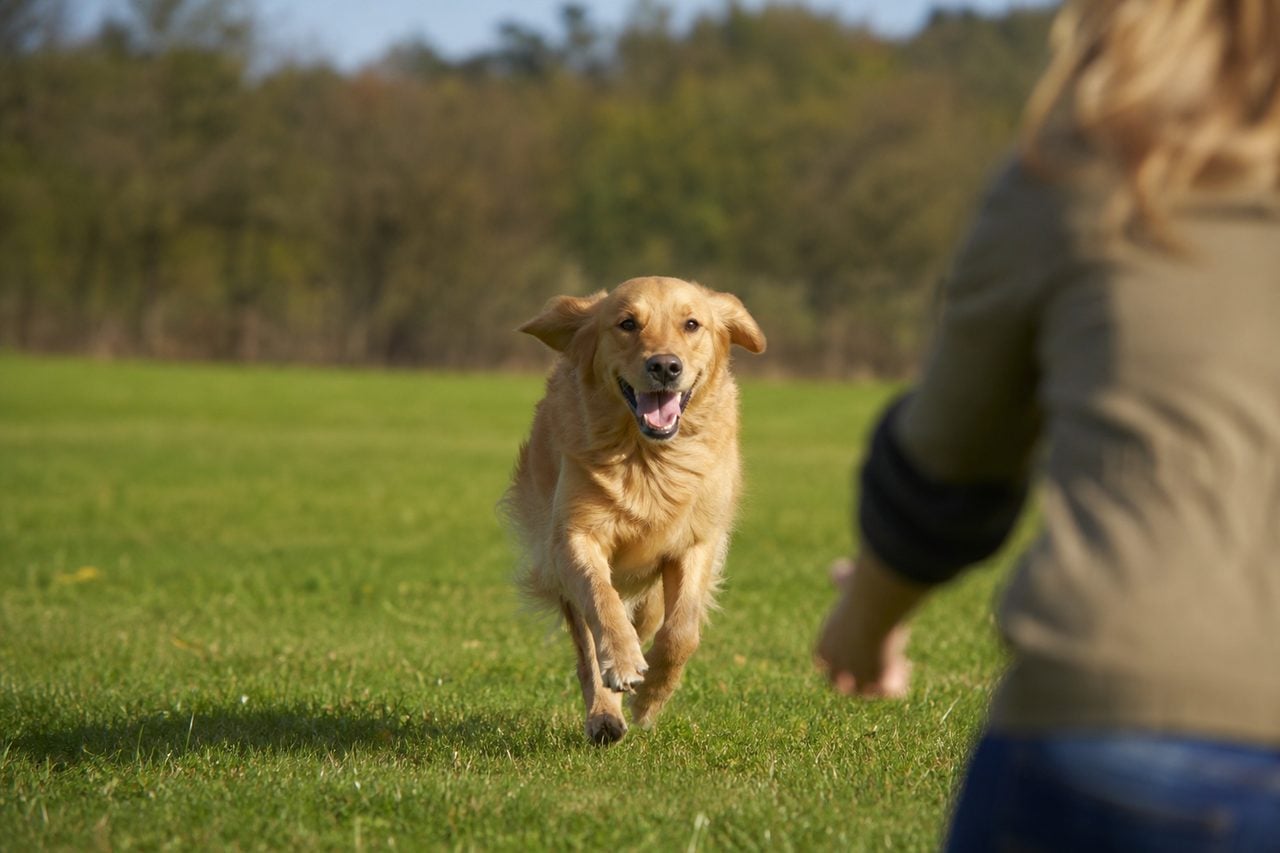
Picture a crisp fall morning along the trails of Mill Creek MetroParks, your dog trotting beside you, completely focused, even as a squirrel darts across the path and a jogger rounds the bend. That kind of reliability — a dog that listens whether or not there’s a leash in your hand — is the dream for a lot of Mahoning Valley dog owners. It’s also one of the most misunderstood goals in all of dog training, and one of the easiest to get wrong.
- What 'Off-Leash Trained' Actually Means
- Ohio Leash Law and Where Off-Leash Is Actually Legal
- The Long-Line Recall Progression
- Proofing Against Real Mahoning Valley Distractions
- Tools, Methods, and Choosing What's Right
- The Local Reality: Limited Programs and the Akron Option
- Maintaining Off-Leash Reliability for Life
- Reviewed trainers
- FAQ
Off-leash control isn’t a trick or a single command. It’s the end product of months of layered training, built on a recall so strong it holds up against the most tempting distractions a Steel Valley dog will ever meet. And here’s the part many Youngstown owners don’t realize until they’re already frustrated: most of the public spaces where you’d actually want an off-leash dog — Ohio’s metro parks and state parks — legally require your dog to stay leashed. Reliable off-leash skills and legal off-leash freedom are two different things, and you need to understand both.
This guide covers what real off-leash training looks like in the Youngstown area, the long-line progression that builds a bombproof recall, the leash laws you have to work around, and an honest note about the local training landscape. Dedicated off-leash programs are thin on the ground in the Mahoning Valley, and plenty of owners end up driving west toward the larger Akron market or working the skills themselves — both of which can absolutely work if you go in with eyes open.
What 'Off-Leash Trained' Actually Means
When most people picture an off-leash dog, they imagine a calm companion that stays close, checks in often, and comes the instant it’s called. That’s the right picture — but it’s worth being precise, because the gap between “my dog usually comes when there’s nothing interesting around” and “my dog comes every single time, even mid-chase” is enormous.
True off-leash reliability rests on a handful of behaviors working together. The foundation is a recall that approaches 100 percent under real-world distraction. On top of that you want a solid stay or down at a distance, an emergency “leave it” that interrupts your dog before it commits to chasing something, and a natural tendency to check in with you rather than wander off. A dog with all of that is genuinely off-leash trained. A dog with a great sit and a hopeful recall is not.
It also helps to be honest about your individual dog. Breed, age, and temperament all shape how realistic full off-leash freedom is. A driven hunting or sighthound breed that locks onto movement will always be a harder project than a velcro companion dog that wants to stay near you anyway. That doesn’t mean it’s impossible — it means the training has to be more thorough, the proofing more patient, and your judgment about where you trust the dog more conservative. Off-leash is a spectrum, not a switch.
Ohio Leash Law and Where Off-Leash Is Actually Legal
This is the part that trips up well-meaning Youngstown owners, so let’s be clear. The scenic places you’d most want to walk an off-leash dog around here — Mill Creek MetroParks with its gorges and Lily Pond, Mosquito Lake State Park up near Cortland — require dogs to be leashed. Ohio’s metro parks and state parks operate under leash rules, and Mill Creek MetroParks is no exception. Letting your dog off-leash there isn’t a gray area; it’s a violation that can earn you a citation and, far worse, put your dog at risk near roads, wildlife, and other park users.
So where does off-leash freedom legally live in the Mahoning Valley? Your strongest options are private property with the owner’s permission — your own securely fenced yard, a friend’s acreage out toward Canfield or the rural townships — and designated fenced dog parks, where local rules permit off-leash play inside the enclosure. Some training facilities also rent out fenced fields by the hour specifically so owners can proof recall safely, which is a fantastic use of money if you can find one in the area.
The practical takeaway: proof your recall in a legal, controlled, ideally fenced setting first. Build and test the behavior somewhere a slip-up has no consequences. Once your dog is genuinely reliable, you’ll still keep it leashed in the metro parks because that’s the law — but the training pays off everywhere else, from emergencies where a leash fails to the secure spaces where freedom is allowed. Off-leash skill and off-leash legality are separate things, and a smart owner respects both.
The Long-Line Recall Progression
The single most important tool in off-leash training isn’t a clicker or a remote collar — it’s a long line. A long line is a 15-, 30-, or even 50-foot lead that lets your dog experience freedom and distance while you keep a literal safety connection. It’s the bridge between on-leash control and true off-leash reliability, and skipping it is the number-one reason recalls fall apart.
The progression looks roughly like this. Start short, indoors or in a quiet fenced yard. Build a recall cue that means “coming to me is the best decision you’ll ever make” — pay generously with high-value food or an exciting toy every single time, with no exceptions early on. Once your dog whips around to you reliably, move to the long line in a low-distraction outdoor space and let it explore. Call, reward hugely, release it to go sniff again. The release is critical: coming back shouldn’t mean the fun ends.
From there you add distraction gradually — another person, a bouncing ball, eventually the kind of busy, smelly, exciting environment your dog will face in real life. The long line stays on so that if the recall fails, you can prevent the dog from self-rewarding by bolting, which would teach it that ignoring you sometimes pays off. You only drop the line, and later remove it, once the dog is succeeding at a very high rate at that distraction level. Rushing this stage is how owners end up with a dog that comes “most of the time” — which, off-leash, is the same as not reliable at all.
Proofing Against Real Mahoning Valley Distractions
A recall that works in your backyard is a recall that works in your backyard. The whole game of off-leash training is proofing — deliberately rehearsing the behavior against the specific temptations your dog will actually encounter, until reliability holds up everywhere. And the Mahoning Valley offers a rich menu of distractions to work through.
Think about what genuinely pulls your dog: wildlife is huge around here, with deer, rabbits, and squirrels everywhere from the wooded edges of Boardman and Poland to the more rural stretches around Canfield. Then there’s the social pull of other dogs and people, the chaos of kids playing, joggers and cyclists, and the sudden noises a steel-town environment can throw at you. Each of these is its own proofing project, and you tackle them one at a time, always on the long line until the dog is winning.
A smart sequence is to layer difficulty: master recall with a calm helper standing nearby, then with the helper moving, then with a dog at a distance, then closer, and so on. Use the seasons, too — Northeast Ohio winters limit long outdoor sessions, so many local owners do foundation and indoor proofing through the cold months and ramp up real-world distraction work in spring and fall, when the weather along the trails and fields is at its best. Remember that all of this proofing happens in legal off-leash or long-line settings; the metro parks are for leashed practice, where you can still rehearse focus and check-ins beautifully even with the line clipped on.
Tools, Methods, and Choosing What's Right
Off-leash training attracts strong opinions about tools, so here’s a balanced view. The non-negotiables are a long line, a well-fitted harness or flat collar for that line, and a deep supply of high-value rewards — the recall has to genuinely out-compete the squirrel. Most of the heavy lifting in a reliable recall comes from reward-based work that makes returning to you the most rewarding choice available.
Some trainers and owners also use remote (e-)collars for off-leash work, particularly with high-drive dogs in wide-open settings. This is a legitimate but technical tool that can cause real harm in the wrong hands — improper timing or intensity can create fear, confusion, or worse. If you go that route, it’s genuinely worth learning it under a qualified professional rather than from a video, because the difference between humane, clear use and a mess is all in the technique. Plenty of dogs reach excellent off-leash reliability with no e-collar at all; it’s a choice, not a requirement.
Whatever the method, the principles don’t change: build value for coming back, never call your dog to something it hates, never punish a dog that finally comes to you (even a slow, distracted return), and keep the long line on until the behavior is proven. If you find a method or trainer pushing harsh corrections as the foundation of recall rather than the careful management of distraction and reward, be skeptical — fear-based recalls tend to break down at exactly the moment you need them most.
The Local Reality: Limited Programs and the Akron Option
Here’s the honest picture for Mahoning Valley dog owners. General obedience training is well-served locally — you can find group classes and private trainers around Youngstown, Boardman, and the surrounding suburbs without much trouble. But dedicated off-leash programs, the kind built specifically around long-line recall progressions, e-collar proofing, and rented fenced fields for distraction work, are genuinely limited in the immediate Youngstown area.
Because of that, a lot of serious owners do one of two things. The first is to travel west to the larger Akron market, roughly 50 minutes away, which has a deeper bench of specialist trainers and facilities offering structured off-leash and recall-focused programs. For a goal as high-stakes as off-leash reliability, a handful of trips to a true specialist can be well worth the drive. The second path is to work the skills yourself, owner-trained, using a local generalist trainer for coaching and a fenced space for proofing — which is entirely doable given how much of off-leash success comes down to consistent, patient repetition by the owner anyway.
Neither path is wrong. If your dog is high-drive, you want fast progress, or you’re considering an e-collar, leaning on Akron-area specialists makes a lot of sense. If you’ve got time, patience, and a steady companion-type dog, owner-training with local support and a good long line will get most dogs there. Use the verified trainer list on this directory to find local generalists for the foundation, and don’t be afraid to look toward Akron for the specialized off-leash work that’s harder to source right here in the Valley.
Maintaining Off-Leash Reliability for Life
Reaching off-leash reliability is an achievement, but it’s not a finish line — it’s a fitness level you have to maintain. Dogs are not machines; a recall that was bombproof last summer can drift if it’s never practiced, especially in a young or high-drive dog. The good news is that maintenance costs far less effort than the original training.
The core habit is to keep rewarding recalls intermittently for the rest of your dog’s life. If coming back only ever leads to the leash going on and the fun ending, even a well-trained dog slowly learns to hesitate. Mix it up: most recalls should mean a quick reward and a release back to sniffing or playing, with the “end of freedom” recall being the rare exception, not the rule. Toss in occasional practice sessions, surprise the dog with a great reward now and then, and keep that recall cue meaning something wonderful.
Stay realistic about context, too. A dog that’s reliable in a familiar fenced field may need a refresher before you’d trust it in a brand-new, high-distraction environment — and again, remember that Ohio’s metro and state parks are leashed regardless of how good your recall is. Off-leash freedom in the Mahoning Valley is something you exercise thoughtfully, in legal spaces, with a dog whose training you actively keep sharp. Done right, it’s one of the most rewarding relationships you can build with a dog: mutual trust, real freedom, and the quiet confidence that whatever happens, your dog will turn and come back to you.
Off-Leash Dog Training in Youngstown: Local Options & Nearest Specialists
Local Youngstown-area options for off-leash dog training:
- CIA Dog Training — 5.0★ (32 reviews)
Nearest off-leash dog training specialists — Akron
For complex cases, some families travel to the larger pool of specialists in the Akron area for an assessment or a board-and-train stay. Top-reviewed options:
- Hakuna Dogtata — 5.0★ (8 reviews)
- Paige’s Pups — 5.0★ (6 reviews)
- K9 Guide Dog Training — 4.8★ (62 reviews)
- Off Leash K9 Training Canton — 4.6★ (41 reviews)
- Off Leash K9 Training Cleveland
See all Akron off-leash dog training trainers →
Frequently Asked Questions
Can I let my dog off-leash at Mill Creek MetroParks or Mosquito Lake State Park?
No. Ohio’s metro parks and state parks — including Mill Creek MetroParks and Mosquito Lake State Park — require dogs to be leashed. Off-leash there isn’t allowed and can result in a citation, plus real safety risks near roads and wildlife. Proof your recall first in a legal, fenced setting, then keep your dog leashed in the parks even once it’s reliable, because that’s the law.
Where can I legally let my dog off-leash in the Youngstown area?
Your legal options are private property with permission (your own securely fenced yard, a friend’s acreage out toward Canfield or the townships) and designated fenced dog parks where local rules allow off-leash play inside the enclosure. Some training facilities also rent fenced fields by the hour for safe recall proofing, which is ideal if you can find one nearby.
How long does it take to train a reliable off-leash recall?
Plan on months, not weeks. Building a recall that holds up against real distractions — wildlife, other dogs, joggers — means working through a long-line progression and proofing each distraction one at a time. High-drive breeds take longer than easygoing companion dogs. Anyone promising a bombproof off-leash dog in a few sessions isn’t describing how reliable recall actually works.
Why is a long line so important for off-leash training?
A long line (15 to 50 feet) gives your dog freedom and distance while keeping a safety connection, so a failed recall can’t reward the dog by letting it bolt off to chase something. It’s the bridge between on-leash control and true off-leash reliability. You keep it on through every stage of distraction proofing and only remove it once the dog is succeeding at a very high rate.
Are dedicated off-leash trainers available in Youngstown, or do people travel?
General obedience trainers are available locally, but dedicated off-leash and recall-specialist programs are limited in the immediate Mahoning Valley. Many serious owners either travel about 50 minutes west to the larger Akron market for structured off-leash programs, or work the skills owner-trained with a local generalist for coaching and a fenced space for proofing. Both paths can succeed.
Do I need an e-collar to train my dog off-leash?
No. Many dogs reach excellent off-leash reliability through reward-based long-line work with no e-collar at all. Remote collars are a legitimate but technical tool some trainers use for high-drive dogs, and if you choose one, learn it under a qualified professional — poor timing or intensity can cause fear and harm. The foundation of any reliable recall is making returning to you the best choice available.
Related: read our complete off-leash dog training guide or the full Youngstown dog training overview.
Ready to find the right off-leash dog training pro in Youngstown?