
Protection & K9 Training in Evansville, IN
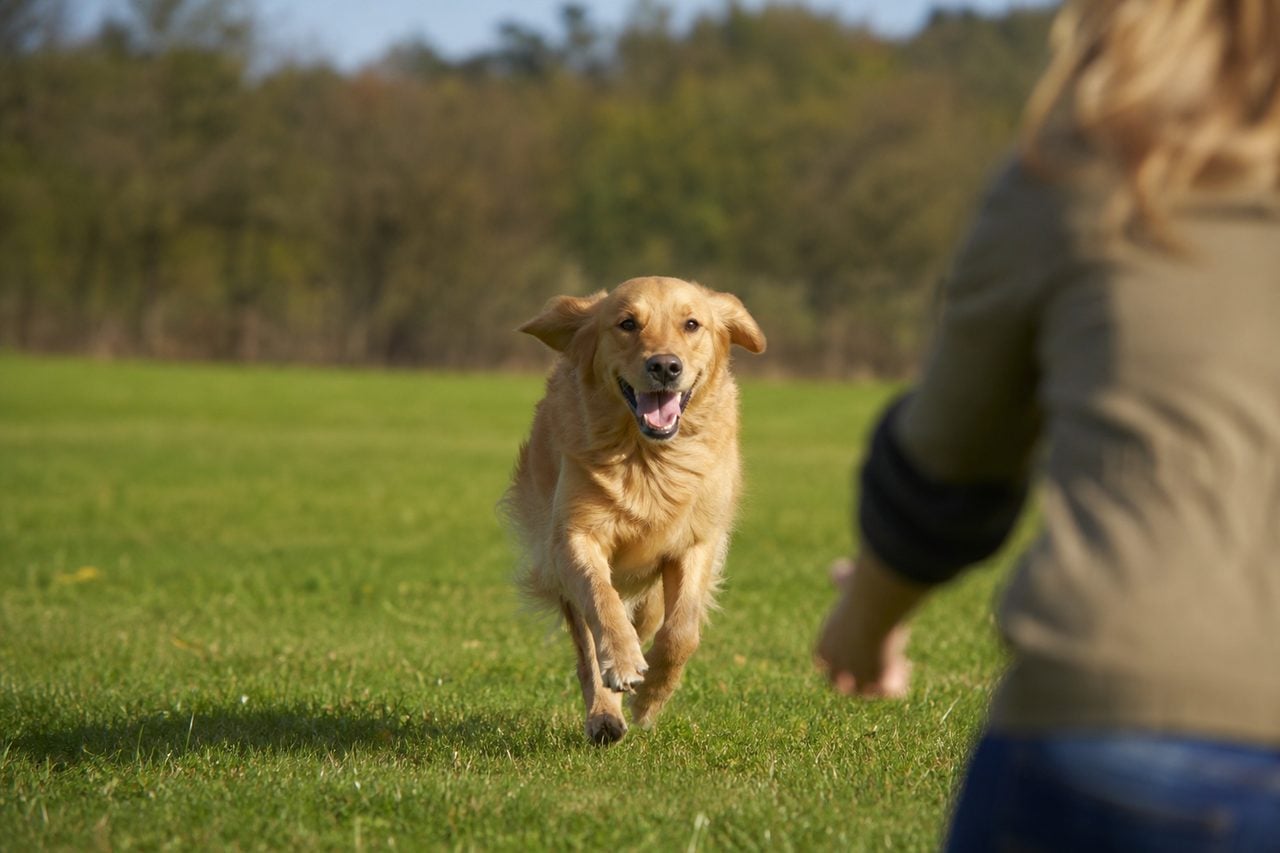
Protection dog training is one of the most misunderstood and most misrepresented services in the dog world. For some Evansville-area owners the interest is practical, wanting a dog that provides a genuine layer of security for a home or a rural property out in Posey or Gibson County. For others it is a sport, the pursuit of a demanding discipline like IGP or PSA. And for many, the term gets confused with basic obedience or with the vague hope that a dog will somehow protect the family without any real training at all.
- Distinguishing the categories: sport, personal protection, and basic obedience
- Temperament vetting comes before any bite work
- Obedience and control are the real foundation
- Legal exposure and liability in Indiana
- Ongoing maintenance is not optional
- Finding responsible protection or sport training in the Tri-State
- Reviewed trainers
- FAQ
These are very different things, and conflating them is where people get into trouble. A true personal-protection or working dog is a serious undertaking that demands the right temperament, professional training, ongoing maintenance, and a clear-eyed understanding of the legal and liability exposure that comes with owning a dog trained to engage. It is not a shortcut to safety, and it is not for most households.
This guide lays out what protection training actually is, how genuine working-dog and sport training differs from basic obedience and from marketing hype, why temperament vetting matters more than anything, and what any responsible Tri-State owner needs to weigh before going down this road. The goal is a measured, honest picture, not a sales pitch.
Distinguishing the categories: sport, personal protection, and basic obedience
The word protection covers several distinct activities that are easy to blur together. Sorting them out is the first step to understanding what you actually want and what a trainer is actually offering.
Protection sports such as IGP (formerly Schutzhund) and PSA are structured competitive disciplines with defined rules, judges, and titles. They test tracking, obedience, and controlled protection work in a sporting context. The dogs are highly trained athletes, and the bite work is precise, cued, and performed under strict control. Sport is about demonstrating a dog’s trainability, nerve, and drive within a rulebook, not about street defense.
Personal protection training aims to produce a dog that can provide real-world deterrence and, if genuinely necessary, respond to a threat to its handler or home. This is a far higher bar than sport in terms of reliability under unpredictable conditions, and it carries serious legal and ethical weight.
Basic and advanced obedience is the foundation for everything else and, for the vast majority of families, is all they actually need. A well-socialized dog with rock-solid obedience is already a meaningful deterrent simply by being present, alert, and under control. Many people who think they want a protection dog are far better served by a confident, obedient companion. Be honest about which category fits your real needs before spending time or money pursuing the most demanding one.
Temperament vetting comes before any bite work
The single most important factor in protection or working-dog training is the individual dog’s temperament, and it must be assessed before any protective work begins. This is where responsible trainers and irresponsible ones part ways. A dog suited to this work has stable nerves, confidence, and clear thresholds; it can switch on when appropriate and, just as critically, switch off and remain neutral the rest of the time.
The wrong dog for this work is one driven by fear or anxiety. A nervous or insecure dog trained to bite is not a protector, it is a liability and a danger, because fear-based aggression is unpredictable and poorly controlled. Encouraging aggression in a dog that lacks the temperament to handle it is one of the most harmful things a trainer can do, and any professional worth hiring will refuse to do it. If a trainer is willing to start bite work on any dog you bring without a serious temperament evaluation, walk away.
Genetics and early development matter enormously here. Dogs bred and raised for this work, from lines with proven stable temperament, are the appropriate candidates. Not every dog of a given breed is suited, and plenty of dogs of the classic protection breeds have wonderful pet temperaments that make them poor fits for protection work, which is fine and even preferable for a family dog.
A good trainer will tell you honestly if your dog is not a candidate. That honesty is a sign of competence, not a lost sale. Respect it.
Obedience and control are the real foundation
There is a saying in the working-dog world that a protection dog is ninety percent obedience. It is close to the truth. The impressive part, the bite, is a small and tightly controlled fraction of what makes a genuine protection or working dog. Everything rests on absolute obedience and control, because a dog that can engage but cannot be reliably called off is not a trained protector; it is a hazard.
Before any protective work is appropriate, a dog needs a rock-solid foundation: reliable obedience under heavy distraction, impeccable impulse control, calm neutrality around strangers and other dogs, and instant, reliable response to its handler even under stress and high arousal. Building that foundation takes months of consistent work, and it never stops mattering.
This is also why the timeline for legitimate protection training is measured in many months to years, not weeks. Anyone promising a finished protection dog quickly is either misrepresenting the work or cutting the corners that make it safe. The control layer, in particular, cannot be rushed, because it is the safety mechanism for everything else.
For most families in the Evansville area, this points to a reassuring conclusion: investing in outstanding obedience and socialization gives you the majority of the real-world benefit, a confident, controlled, present dog, without the risk and burden of trained bite work. Getting the foundation right is the highest-value step regardless of whether you ever pursue protection at all.
Legal exposure and liability in Indiana
Owning a dog trained to engage a person carries significant legal and financial exposure, and this deserves sober attention before you begin. Indiana does not have a statewide leash law, and rules that affect dogs, including dangerous-dog provisions and leash and control requirements, are set through local ordinances across the Evansville area, which vary by city and county. Anyone considering protection training should understand the specific ordinances that apply where they live and consult a qualified attorney about their personal situation. This article is general information, not legal advice.
The core issue is liability. If a dog trained for protection bites someone, the owner can face serious civil and potentially criminal consequences, and the fact that the dog was deliberately trained to bite can weight matters heavily against the owner. A trained dog is held to a different standard than a pet that reacts out of the blue. Homeowners and renters insurance is another real concern, as coverage for dog-bite liability varies and some policies exclude certain breeds or trained-protection dogs entirely.
There is also the ethical weight of keeping a dog capable of causing serious injury. That responsibility never lapses. The dog must be securely contained, reliably controlled in public, and clearly understood by everyone in the household.
None of this means protection work is inappropriate for everyone, but it does mean the decision should be made with full awareness of the exposure. If the liability picture gives you pause, that instinct is worth heeding.
Ongoing maintenance is not optional
A trained protection or working dog is not a finished product you can set aside. The skills, and more importantly the control, require ongoing maintenance for the life of the dog. This is one of the most under-appreciated realities of owning such a dog, and it is where many well-intentioned owners fall short.
Protection and sport training demand regular, structured practice to keep the dog sharp, balanced, and above all reliably under control. Skills degrade without upkeep, and a dog whose control has slipped is precisely the dangerous scenario responsible training exists to prevent. This typically means an ongoing relationship with a qualified trainer or club, regular sessions, and continued handler education, not a one-time program.
Sport participants in disciplines like IGP or PSA usually train through a club with a consistent schedule and a decoy or helper for protection work, which provides the structure and community that keep both dog and handler competent. For personal-protection dogs, a similar commitment to ongoing professional maintenance is essential.
Be honest with yourself about whether you can sustain that commitment for years. The time, the travel, and the discipline required are substantial. A protection dog owned by someone who lets the training lapse is worse than no protection dog at all, because you have a highly capable dog whose reliability is no longer assured. If you cannot commit to lifelong maintenance, this is another strong reason to pursue excellent obedience and socialization instead.
Finding responsible protection or sport training in the Tri-State
If, after weighing all of the above, you still want to pursue protection or working-dog training, finding the right professional is critical, and the bar is high. Because dog training is unregulated in Indiana, the burden of vetting falls entirely on you, and the consequences of a bad trainer here are far more serious than with basic obedience.
Look for these markers of a responsible professional:
- They insist on a thorough temperament evaluation before any protective work and are willing to tell you your dog is not a candidate.
- They emphasize obedience and control as the foundation, not the bite.
- They are transparent about methods, timelines measured in months or years, and the legal responsibilities you are taking on.
- For sport, they are connected to a club or the broader IGP or PSA community and can show verifiable involvement and titles.
- They discuss liability, containment, and maintenance openly rather than glossing over them.
Red flags include promises of a finished protection dog in a short window, willingness to do bite work on any dog regardless of temperament, secrecy about methods, and pressure or bravado in the sales pitch. Sport clubs are often a good entry point even if competition is not your ultimate goal, because they attract experienced, community-accountable people and offer a structured, transparent environment. Visit, observe training in person, and talk to established members before committing your dog or your money.
Protection & K9 Training in Evansville: Local Options & Nearest Specialists
Right now there are no listed Evansville trainers offering personal-protection training. This is a specialist discipline built on temperament selection, rock-solid obedience and liability-aware handling — not something a general obedience trainer can take on — so the realistic options are below.
Nearest protection & k9 training specialists — Indianapolis
For complex cases, some families travel to the larger pool of specialists in the Indianapolis area for additional protection programs and bite-sport clubs. Top-reviewed options:
- Lead & Learn Canine Solutions — 5.0★ (7 reviews)
- Ultimate Canine — 4.9★ (435 reviews)
- Kingdom Bully Kennels — 4.9★ (58 reviews)
- Top Tier K9 – Greenwood — 4.9★ (37 reviews)
- Diehl’s Police K9 Training Center, LLC — 4.8★ (16 reviews)
See all Indianapolis protection & k9 training trainers →
Frequently Asked Questions
What is the difference between a protection sport and a personal protection dog?
Protection sports like IGP and PSA are structured competitions with rules, judges, and titles that test tracking, obedience, and controlled bite work within a rulebook; the focus is demonstrating a dog’s trainability, nerve, and drive. A personal protection dog is trained to provide real-world deterrence and respond to genuine threats, which demands higher reliability under unpredictable conditions and carries greater legal weight. They overlap in foundation but serve different goals, and many owners who think they want personal protection are better served by a confident, obedient companion.
Can any dog be trained for protection work?
No. Temperament is the deciding factor, and it must be evaluated before any protective work begins. Suitable dogs have stable nerves, confidence, and clear thresholds, able to switch on appropriately and remain neutral otherwise. A fearful or anxious dog trained to bite becomes an unpredictable liability, not a protector. Genetics and early development matter, and even within the classic protection breeds many individuals are unsuited, which is perfectly fine for a family pet. A responsible trainer will honestly tell you if your dog is not a candidate.
Isn't a protection dog just an obedient dog that also bites?
The obedience part is by far the larger and more important share. A common saying is that a protection dog is roughly ninety percent obedience. The controlled bite is a small fraction; everything depends on absolute obedience, impulse control, neutrality, and the ability to be reliably called off even under high arousal. A dog that can engage but cannot be controlled is a hazard, not a trained protector. This is why the real foundation, and the highest-value investment for most families, is outstanding obedience and socialization.
What are the legal risks of owning a protection dog in the Evansville area?
They are significant. Indiana has no statewide leash law, so control and dangerous-dog rules come from local ordinances across the Evansville area that vary by city and county, and you should learn the specific ones where you live. If a trained dog bites someone, the owner can face serious civil and potentially criminal consequences, and deliberate bite training can weigh against you. Insurance coverage for such dogs varies and may be excluded. Consult a qualified attorney about your situation; this is general information, not legal advice.
How long does it take to train a protection dog?
Legitimate protection or working-dog training is measured in many months to years, not weeks. The control and obedience foundation alone takes months of consistent work, and it must be solid before any protective work is appropriate. Anyone promising a finished protection dog quickly is misrepresenting the process or cutting the corners that make it safe. On top of the initial training, the skills and control require ongoing maintenance for the dog’s entire life, so it is a long-term commitment rather than a one-time program.
I just want my family to feel safer. Do I need a protection dog?
Usually not. For most households, a well-socialized dog with excellent obedience already provides meaningful deterrence simply by being present, alert, and under control, without the risk, cost, liability, and lifelong maintenance of trained bite work. Investing in strong obedience and socialization gives you the majority of the real-world benefit with far less burden. If personal safety is the goal, that path is a better fit for the vast majority of families than pursuing genuine protection training.
Related: read our complete protection & k9 training guide or the full Evansville dog training overview.
Ready to find the right protection & k9 training pro in Evansville?